Artwork
Plate 42: Jewel Beetle with a Rosary Pea and a Flower (Oleander?)
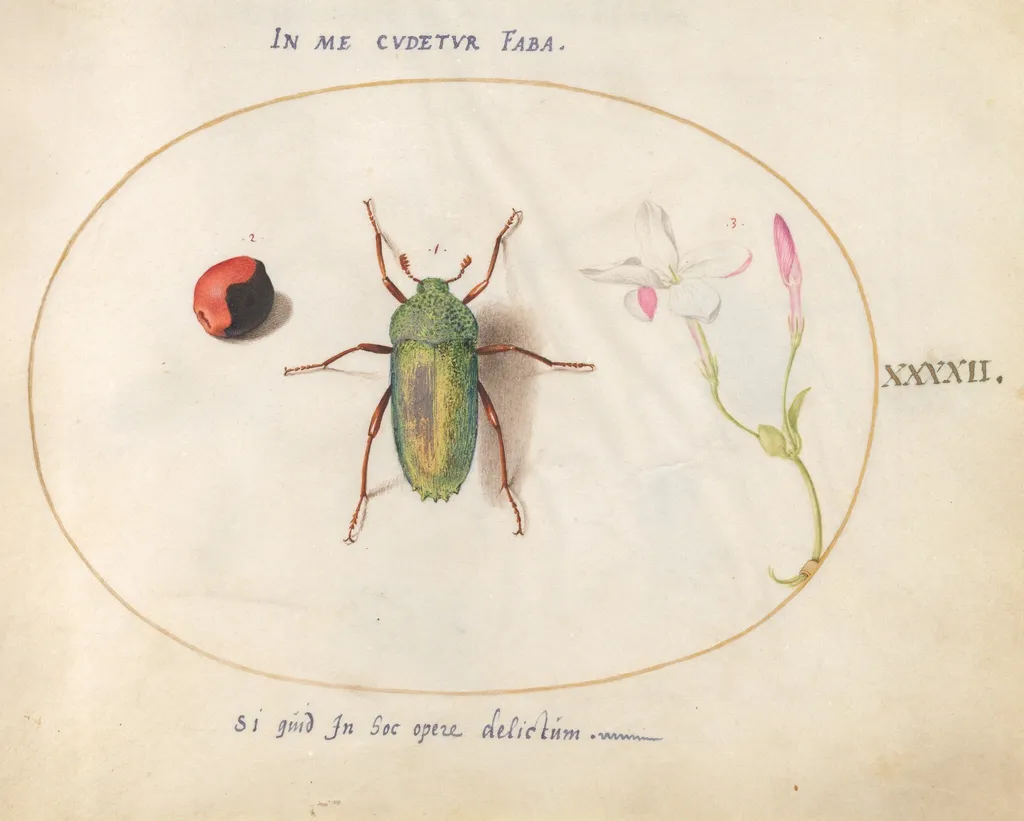
Plate 42: Jewel Beetle with a Rosary Pea and a Flower (Oleander?) is a gouache drawing by the Renaissance artist Joris Hoefnagel. It dates from 1594 and is held in the collection of the National Gallery of Art.
About this work
Overview
It presents a jewel beetle, a rosary pea seed, and a flowering plant within a circular gold border, blending scientific observation with decorative artistry.
Created around 1594 by Flemish artist Joris Hoefnagel, this watercolor and gold-leaf work on parchment is one of many detailed natural studies produced during the late Renaissance. It presents a jewel beetle, a rosary pea seed, and a flowering plant within a circular gold border, blending scientific observation with decorative artistry. The piece belongs to a broader tradition of manuscript illumination that increasingly incorporated precise depictions of flora and fauna.
Subject & Meaning
The central subject is a vividly rendered jewel beetle, flanked by a small red-and-black seed and a delicate white flower with pink highlights. The Latin inscription above—'In me cudetur fabula'—suggests the creature’s story will endure. The inclusion of the toxic rosary pea and the possibly oleander flower may imply themes of transience or hidden danger, common in Renaissance symbolism, where nature’s beauty and peril coexisted.
Technique & Style
Hoefnagel applied watercolor in thin, layered glazes to achieve the beetle’s iridescent green sheen and the flower’s subtle gradients. Gold leaf and paint outline the circular frame and accentuate the insect’s wings, enhancing luminosity against the parchment. The precision of brushwork, particularly in the beetle’s segmented body and the flower’s fine petals, reflects a methodical approach rooted in both artistic tradition and emerging naturalist inquiry.
History & Provenance
This work was likely part of a larger, unpublished manuscript of natural studies commissioned during Hoefnagel’s time in Prague, where he served at the court of Emperor Rudolf II. The emperor’s interest in curiosities and scientific collections encouraged such detailed observations. The plate’s survival suggests it was preserved as a study or specimen, not merely as decoration, reflecting its role in early modern natural history documentation.
Context
In late 16th-century Europe, artists increasingly turned to nature as a subject worthy of close study, separate from religious or mythological narratives. Hoefnagel’s work aligns with this shift, bridging the medieval tradition of illuminated manuscripts with the empirical interests of the scientific revolution. His depictions, though ornamental, contributed to a growing visual lexicon of biological accuracy.
Legacy
Hoefnagel’s meticulous natural studies influenced later generations of botanical and entomological illustrators. Though not widely published in his lifetime, his works circulated among scholars and collectors, helping to establish a visual standard for depicting organisms with both precision and aesthetic care. This plate exemplifies how art and science converged in the pursuit of understanding the natural world.
Artist & collection

Artist
Joris Hoefnagel or Georg Hoefnagel (1542 – 24 July 1601) was a Flemish painter, printmaker, miniaturist, draftsman and merchant.

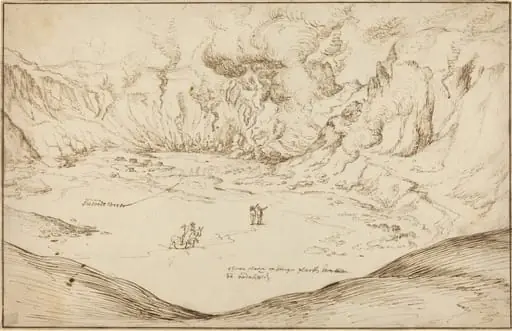 Forum Vulcani: The Hot Springs at Pozzuoli
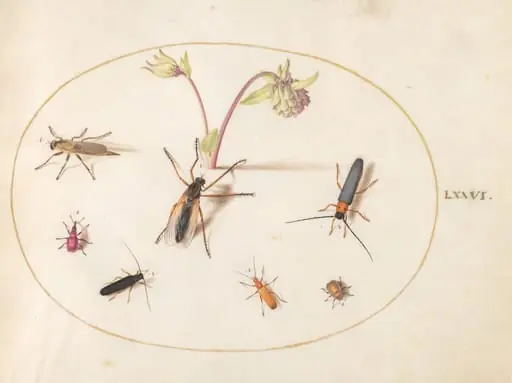 Plate 76: Insects with a Pink and Cream Columbine
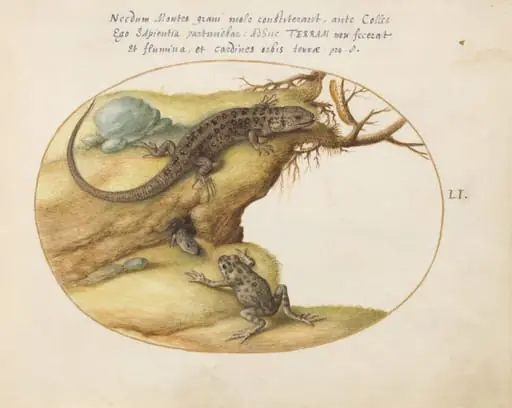 Plate 51: Two Sand Lizards, a Common Parsley Frog(?), and a Caterpillar
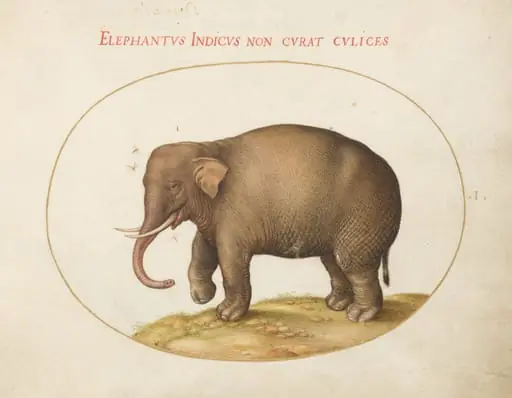 Plate 1: Elephant with Insects
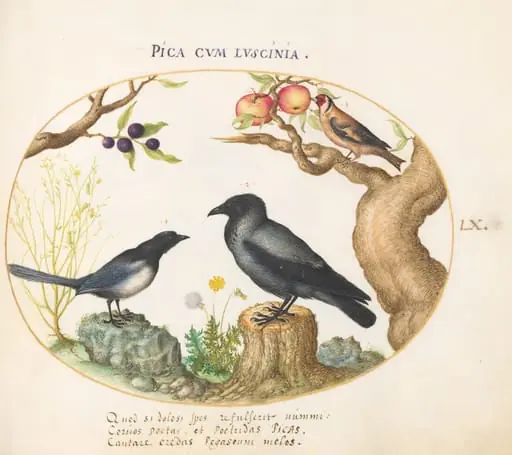 Plate 60: Magpie, Crow, and Goldfinch
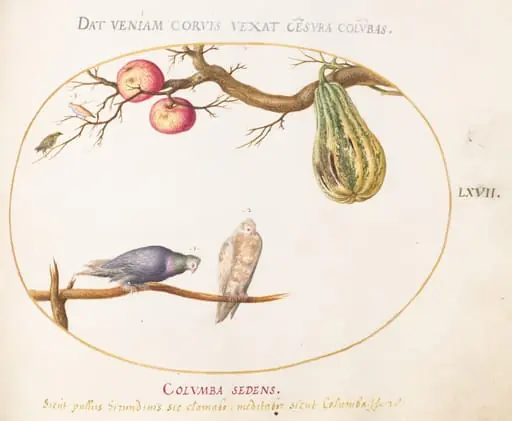 Plate 67: Two Doves beneath a Gourd and Apples
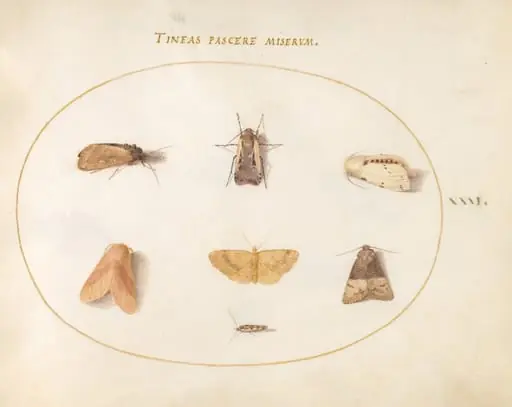 Plate 31: Seven Moths
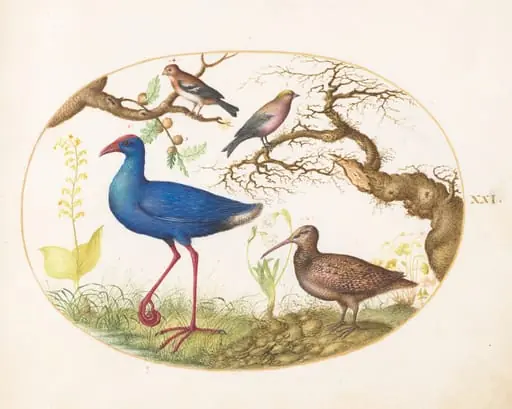 Plate 21: Swamp Hen and Woodcock with a Streaked Rosefinch, a Finch, and Oak Galls
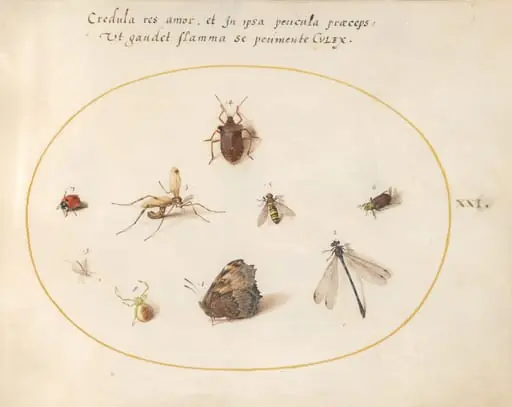 Plate 21: A Butterfly with a Dragonfly, a Ladybug, and Five other Insects
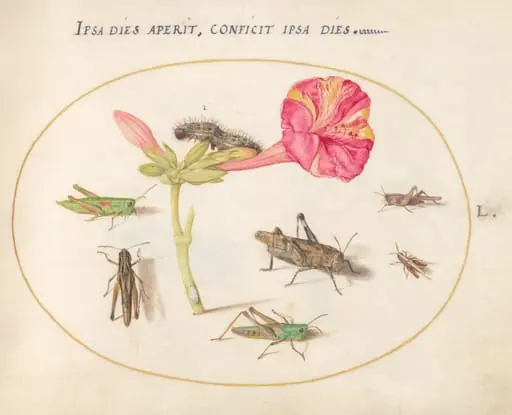 Plate 50: Grasshoppers, a Caterpillar, and a Scale Insect with a Four O'Clock Flower
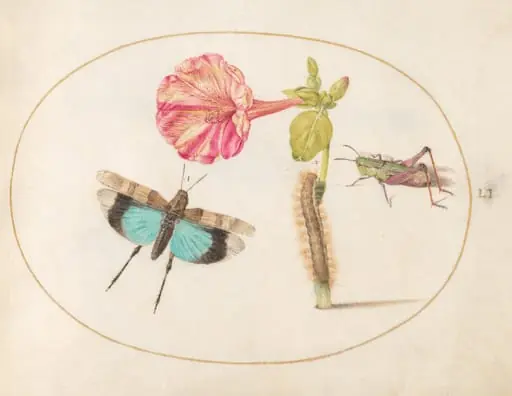 Plate 51: Grasshoppers and a Caterpillar with a Four O'Clock Flower
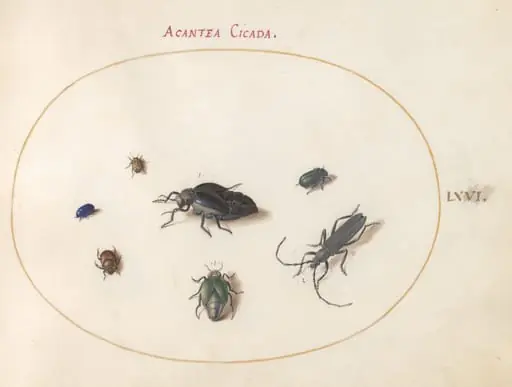 Plate 66: Two Oil Beetles, a Longhorn Beetle, and Four Other Insects
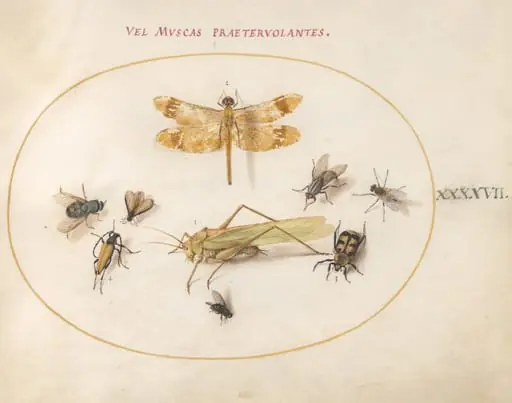 Plate 47: A Dragonfly (Banded Darter?), Grasshopper, Houseflies, a Carrion Beetle, a Flower Longhorn Beetle, and Other Insects
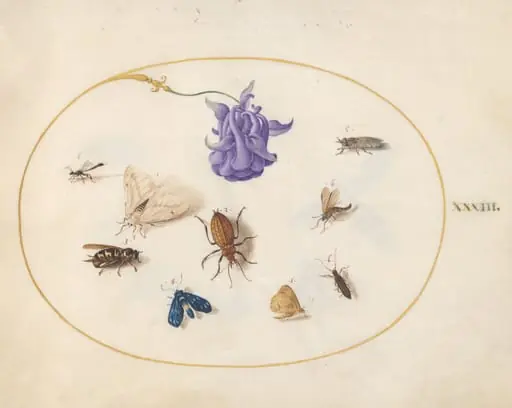 Plate 33: Moth and Butterfly with other Insects and a Columbine Flower
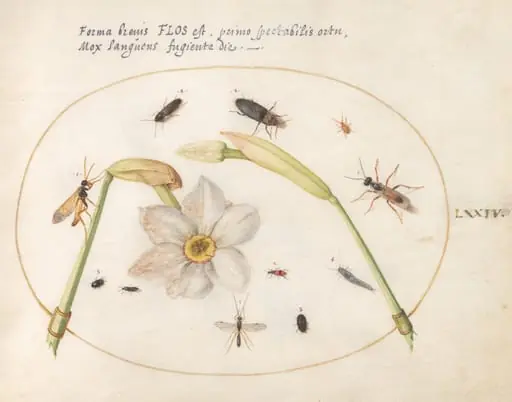 Plate 74: Insects with White Daffodils
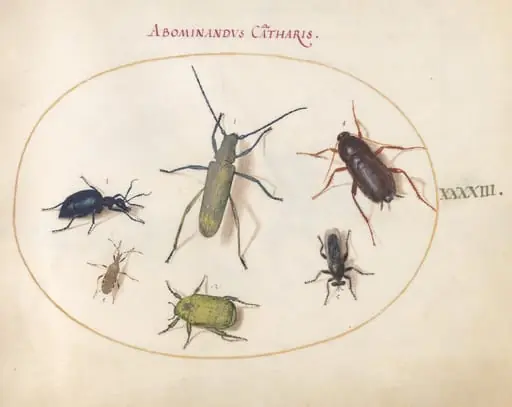 Plate 43: Musk Beetle, Oil Beetle, Tansy Beetle(?), Cockroach, Leaf-Footed Bug, and Other Insects
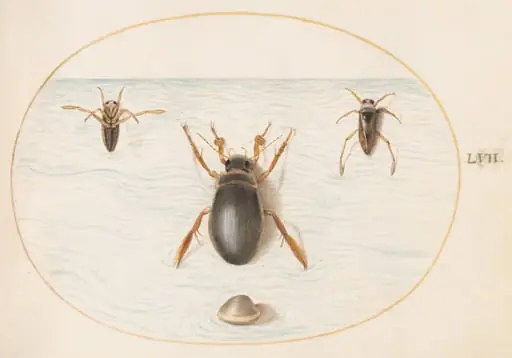 Plate 57: A Diving Beetle and Two Views of a Backswimmer
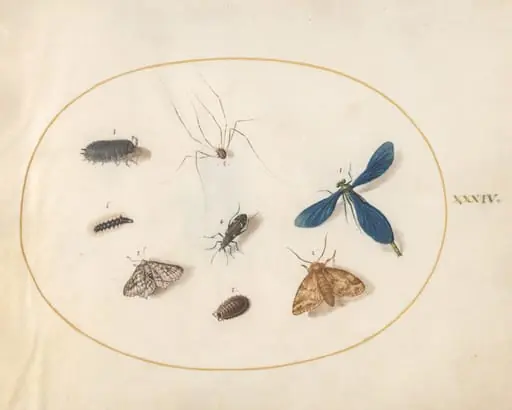 Plate 34: Two Moths with a Spider, a Caterpillar, a Damselfly, and Other Insects
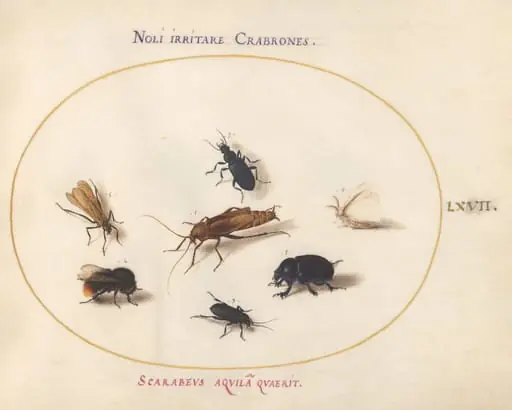 Plate 67: Seven Insects, Including a White Butterfly and a Bee
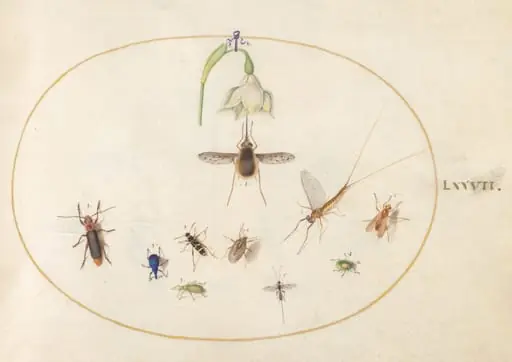 Plate 77: Dotted Bee Fly with a White Flower, a Mayfly, a Blue Weevil, and Other Insects