Artwork
Plate 77: Dotted Bee Fly with a White Flower, a Mayfly, a Blue Weevil, and Other Insects
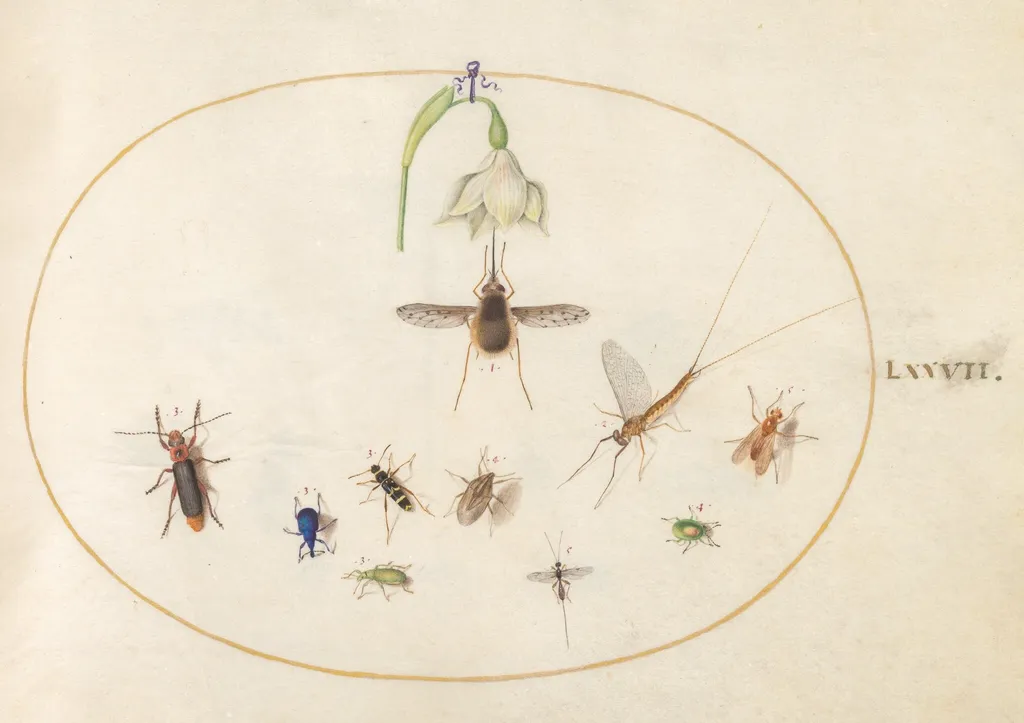
Plate 77: Dotted Bee Fly with a White Flower, a Mayfly, a Blue Weevil, and Other Insects is a gouache drawing by the Renaissance artist Joris Hoefnagel. It dates from 1594 and is held in the collection of the National Gallery of Art.
About this work
Overview
The piece, catalogued as Plate 77, presents a cluster of insects—including a bumblebee, a fly, a mayfly and a weevil—arranged on the petals of a white flower.
Created circa 1594, this miniature work by the Flemish artist Joris Hoefnagel combines watercolor and gold paint on a sheet of parchment. The piece, catalogued as Plate 77, presents a cluster of insects—including a bumblebee, a fly, a mayfly and a weevil—arranged on the petals of a white flower. Its compact size and delicate execution exemplify the meticulous manuscript illumination practiced at the close of the Renaissance.
Subject & Meaning
The composition focuses on a variety of small arthropods positioned on a single blossom, each rendered with careful attention to anatomical detail. By juxtaposing the insects with the flower, Hoefnagel highlights the interdependence of fauna and flora, reflecting a contemporary fascination with the natural world and its systematic observation.
Technique & Style
Hoefnagel employed transparent watercolor washes to model the bodies of the insects, building successive layers to suggest texture and translucency. Gold paint and leaf are applied as fine dots on the bee’s wings and the fly’s thorax, adding a decorative sparkle that balances scientific precision with ornamental flourish, a hallmark of late‑Renaissance manuscript art.
History & Provenance
As one of the final practitioners of illuminated manuscript painting, Hoefnagel contributed to the transition from manuscript decoration to independent still‑life painting in northern Europe. The work was likely produced for a private collector interested in natural history, and it now resides in a museum collection dedicated to early modern drawings and prints.
Context
The piece emerges from a period when scholars and artists alike pursued detailed studies of plants and insects, a trend evident in the works of Albrecht Dürer and contemporaries. Hoefnagel’s integration of scientific observation with decorative elements mirrors the broader Renaissance effort to reconcile art, nature, and emerging taxonomic knowledge.
Artist & collection

Artist
Joris Hoefnagel or Georg Hoefnagel (1542 – 24 July 1601) was a Flemish painter, printmaker, miniaturist, draftsman and merchant.

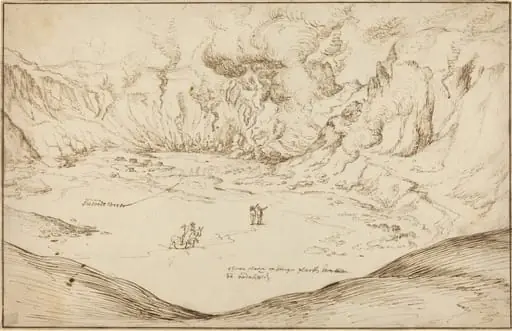 Forum Vulcani: The Hot Springs at Pozzuoli
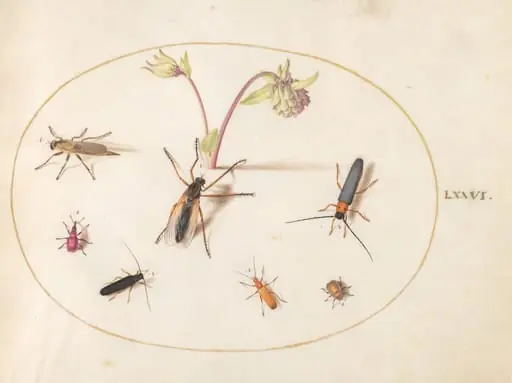 Plate 76: Insects with a Pink and Cream Columbine
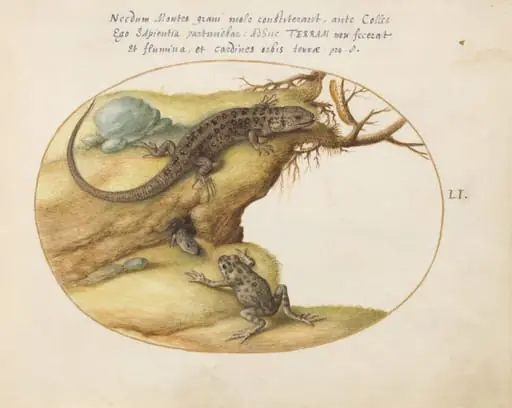 Plate 51: Two Sand Lizards, a Common Parsley Frog(?), and a Caterpillar
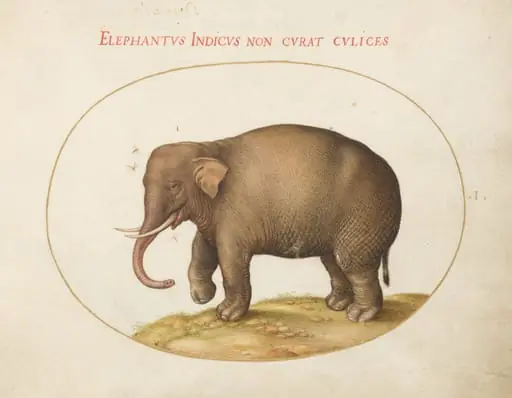 Plate 1: Elephant with Insects
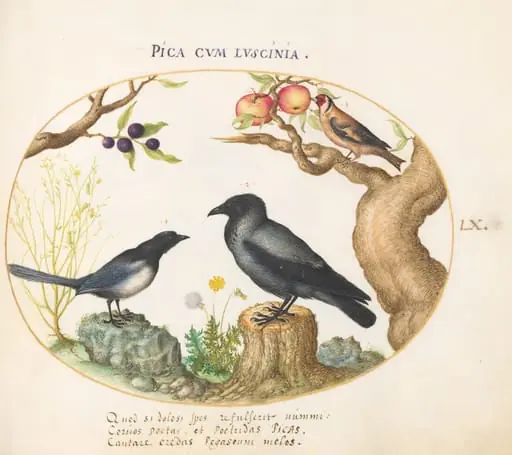 Plate 60: Magpie, Crow, and Goldfinch
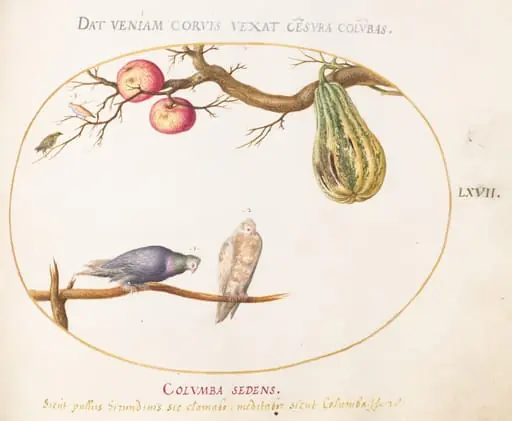 Plate 67: Two Doves beneath a Gourd and Apples
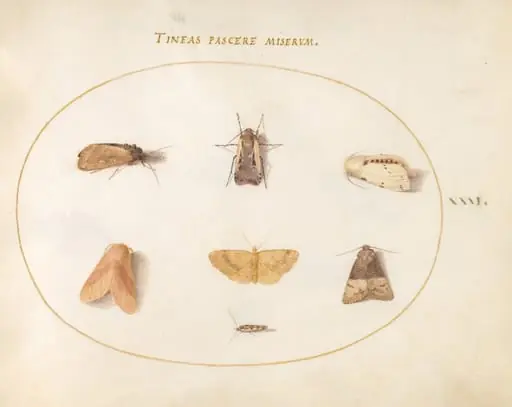 Plate 31: Seven Moths
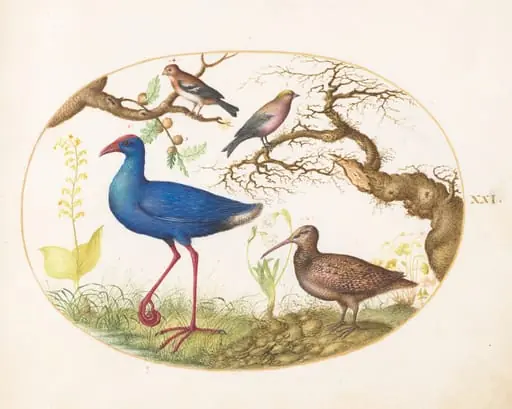 Plate 21: Swamp Hen and Woodcock with a Streaked Rosefinch, a Finch, and Oak Galls
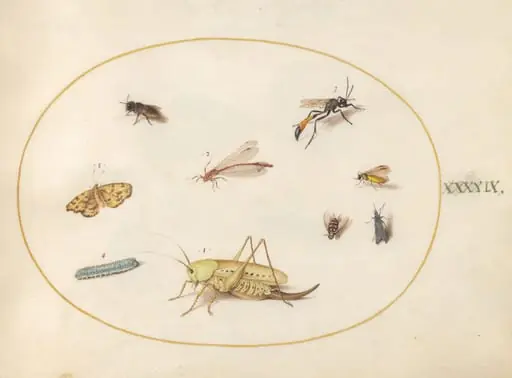 Plate 49: A Grasshopper, a Caterpillar, a Butterfly, a Moth, and Other Insects
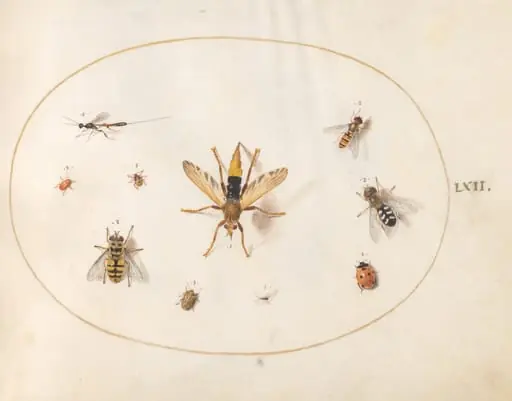 Plate 62: Ten Insects
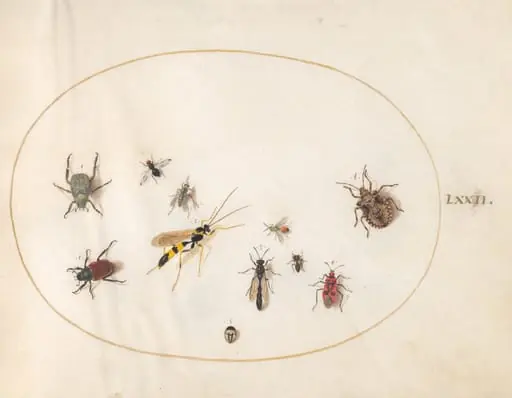 Plate 72: Shield Bug, Cinnamon Bug, Wasp, and Other Insects
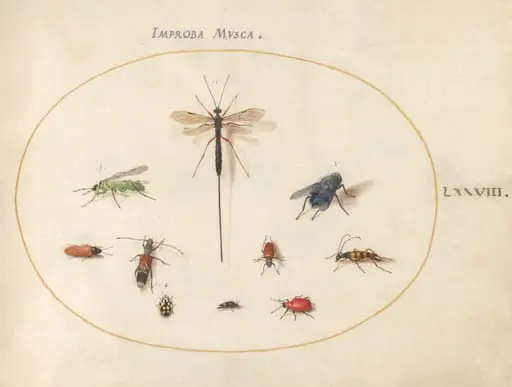 Plate 78: Ten Insects, Including a Blue Fly
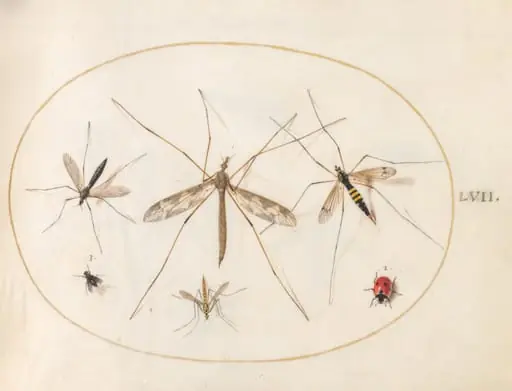 Plate 57: A Ladybug, a Fly, and Four Other Insects
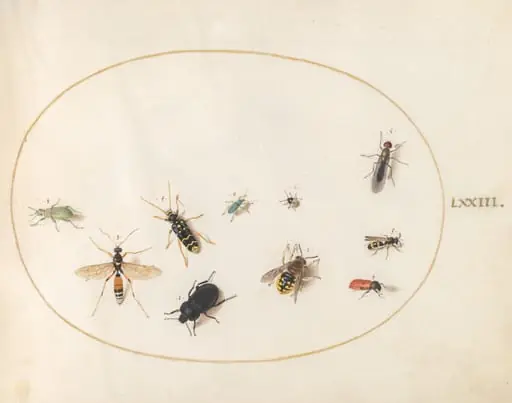 Plate 73: Ten Insects
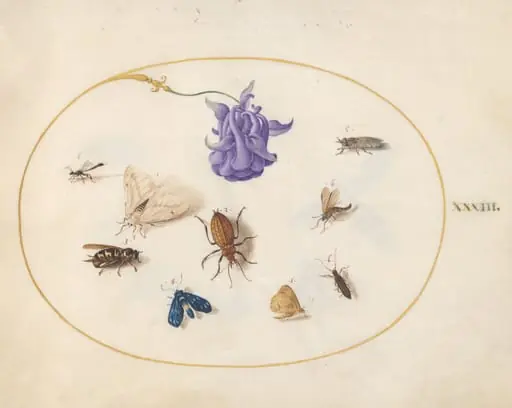 Plate 33: Moth and Butterfly with other Insects and a Columbine Flower
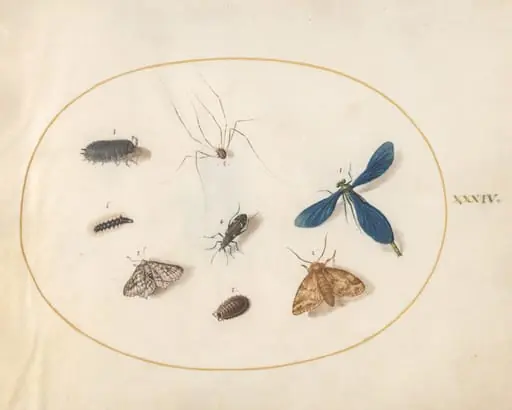 Plate 34: Two Moths with a Spider, a Caterpillar, a Damselfly, and Other Insects
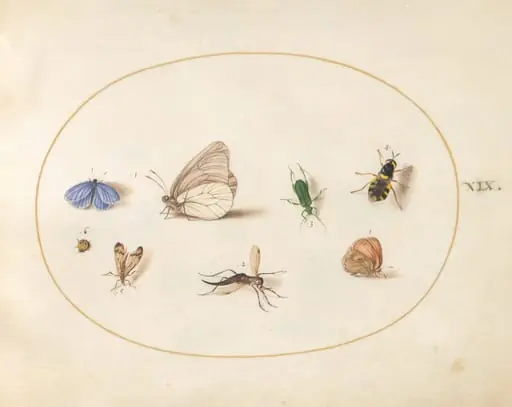 Plate 19: Two Butterflies with Five Other Insects
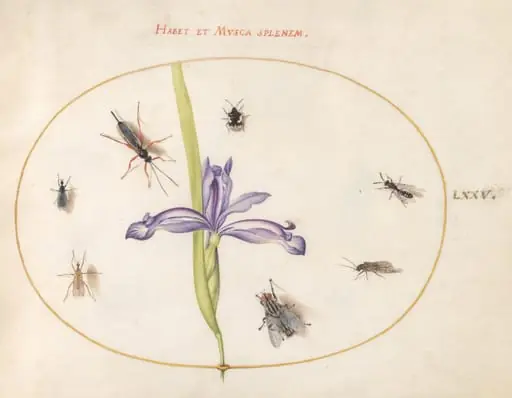 Plate 75: A Fly and Other Insects with an Iris
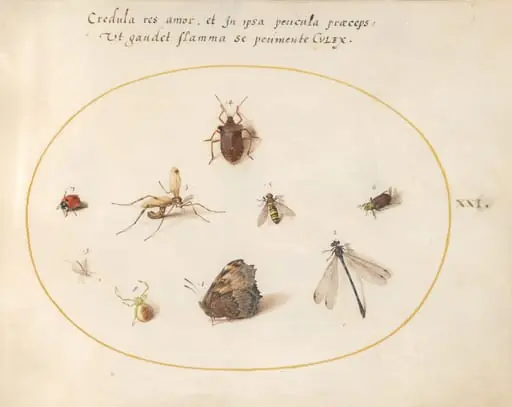 Plate 21: A Butterfly with a Dragonfly, a Ladybug, and Five other Insects
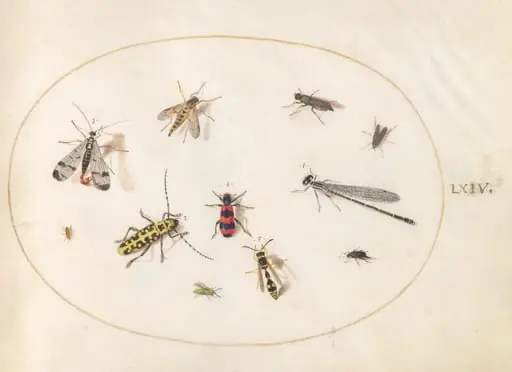 Plate 64: Eleven Insects, Including a Dragonfly and Longhorn Beetle