Artwork
Plate 43: Mongoose and Badger with Fruit Trees
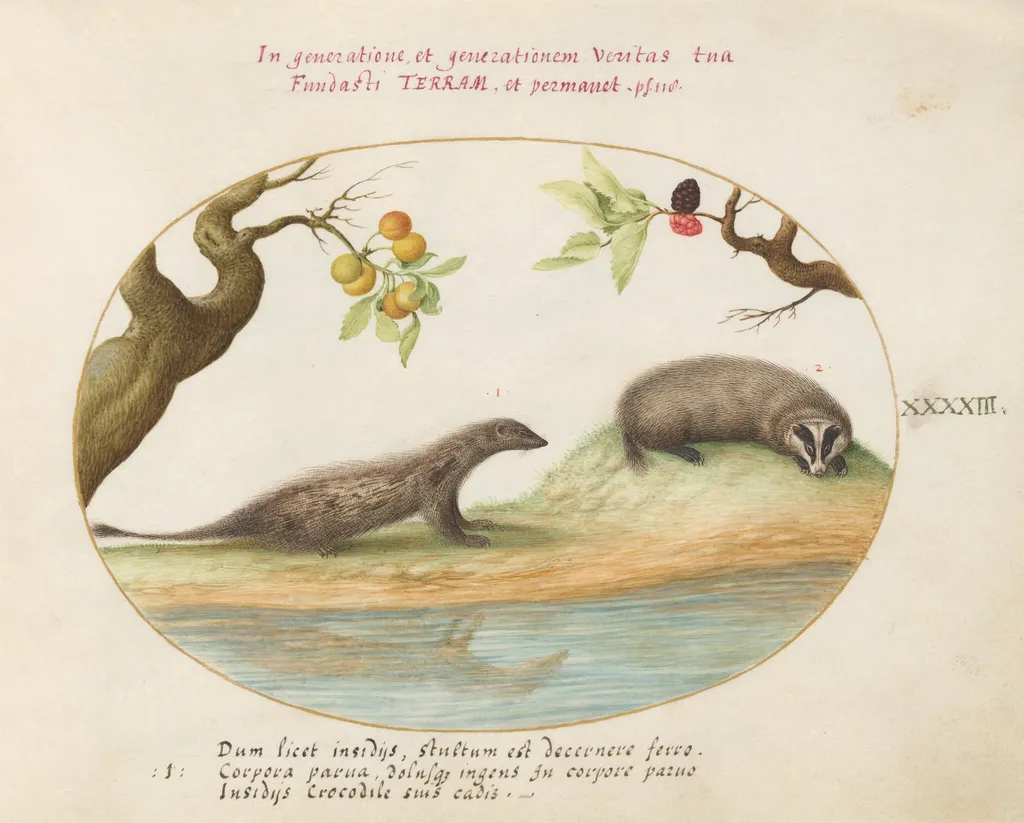
Plate 43: Mongoose and Badger with Fruit Trees is a gouache drawing by the Renaissance artist Joris Hoefnagel. It dates from 1594 and is held in the collection of the National Gallery of Art.
About this work
Overview
It exemplifies the late Renaissance tradition of manuscript illumination, where scientific observation and ornamental detail coexist.
Created around 1594 by Joris Hoefnagel, this work is a watercolor and gold-painted illumination on parchment, part of a larger manuscript devoted to natural subjects. It exemplifies the late Renaissance tradition of manuscript illumination, where scientific observation and ornamental detail coexist. The use of gold leaf and delicate pigments reflects its origins in a codex intended for scholarly or aristocratic audiences, bridging the gap between medieval book art and early modern natural history illustration.
Subject & Meaning
The scene depicts a mongoose and a badger near water, one seemingly swimming, the other resting on land, surrounded by fruit-bearing trees laden with orange and red produce. The animals, rendered with anatomical precision, are not merely decorative but suggest an interest in regional wildlife and ecological relationships. The surrounding Latin inscription implies a didactic purpose, possibly from a treatise on natural phenomena, positioning the image as both record and allegory of nature’s abundance.
Technique & Style
Hoefnagel applied watercolor with meticulous brushwork, layering translucent pigments to achieve subtle gradations in fur, foliage, and fruit. Gold paint outlines key elements, enhancing luminosity without overwhelming the naturalism. The background, a flat wash of blue-green, isolates the subjects and directs focus to their intricate details. The composition avoids perspective depth, favoring a flattened, decorative plane typical of manuscript illumination, yet the precision of rendering anticipates emerging naturalist traditions.
History & Provenance
This plate likely originated in a codex commissioned during Hoefnagel’s time in Prague, where he served the Habsburg court. As one of the final practitioners of manuscript illumination in northern Europe, his work preserved medieval techniques even as print culture expanded. The piece may have been part of a series documenting flora and fauna, later dispersed or bound into collections. Its survival in this form underscores its value as a transitional artifact between manuscript and printed natural history texts.
Context
In late 16th-century Europe, interest in cataloging nature surged alongside exploration and scientific inquiry. Hoefnagel’s work responded to this trend, combining the visual discipline of illumination with emerging empirical observation. While contemporaries like Ulisse Aldrovandi compiled encyclopedic natural histories, Hoefnagel translated such knowledge into visual form, offering a refined aesthetic counterpart to printed volumes and contributing to the development of botanical and zoological illustration as distinct disciplines.
Legacy
Hoefnagel’s integration of scientific accuracy with ornamental elegance influenced later generations of naturalist illustrators in the Low Countries and beyond. His emphasis on detailed observation of animals and plants helped shape the visual language of early modern biology. Though manuscript illumination declined with the rise of print, his works remain key references for understanding how artistic tradition adapted to the demands of emerging scientific culture in the Renaissance.
Artist & collection

Artist
Joris Hoefnagel or Georg Hoefnagel (1542 – 24 July 1601) was a Flemish painter, printmaker, miniaturist, draftsman and merchant.

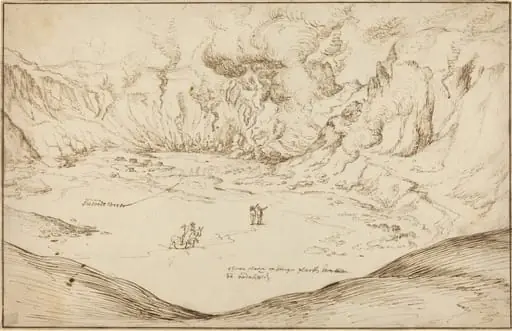 Forum Vulcani: The Hot Springs at Pozzuoli
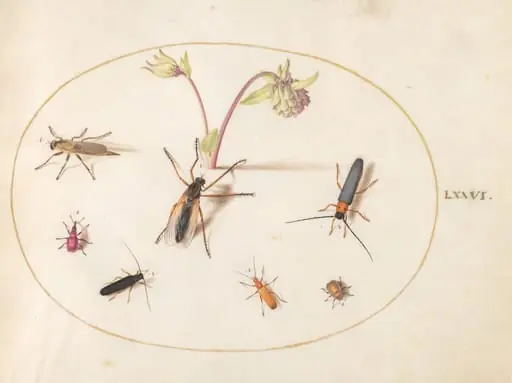 Plate 76: Insects with a Pink and Cream Columbine
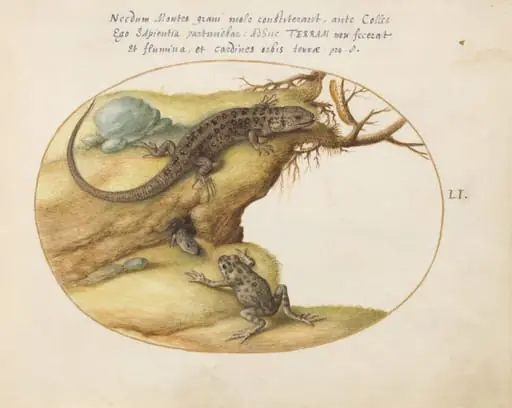 Plate 51: Two Sand Lizards, a Common Parsley Frog(?), and a Caterpillar
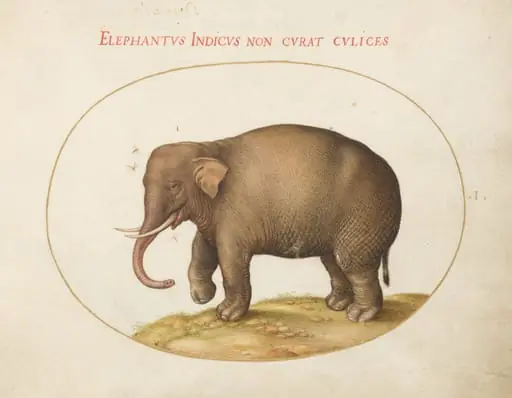 Plate 1: Elephant with Insects
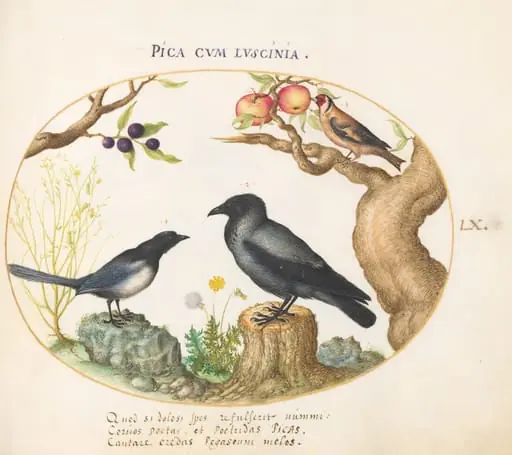 Plate 60: Magpie, Crow, and Goldfinch
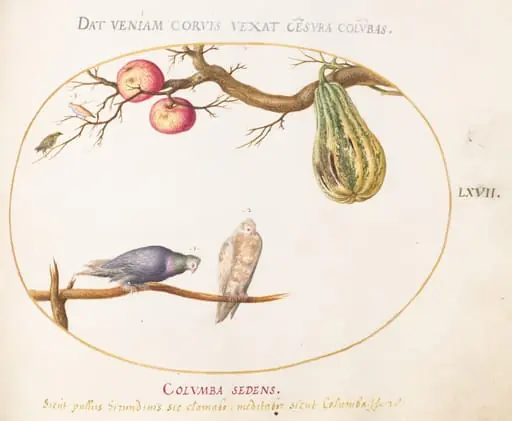 Plate 67: Two Doves beneath a Gourd and Apples
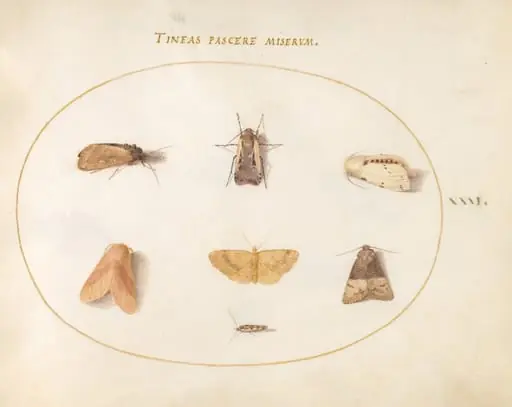 Plate 31: Seven Moths
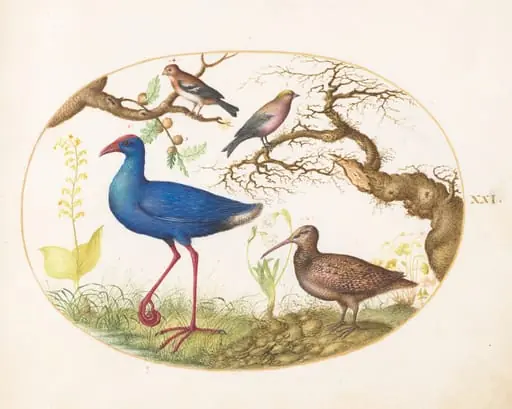 Plate 21: Swamp Hen and Woodcock with a Streaked Rosefinch, a Finch, and Oak Galls
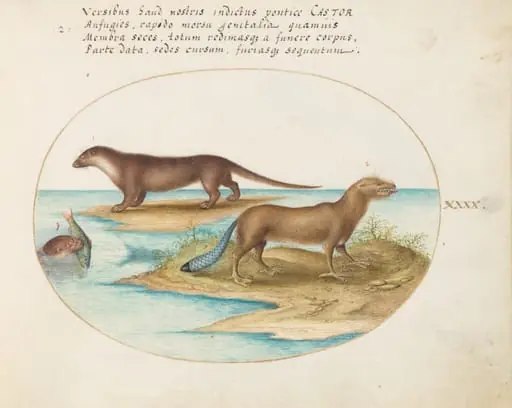 Plate 40: Two Otters and a Beaver
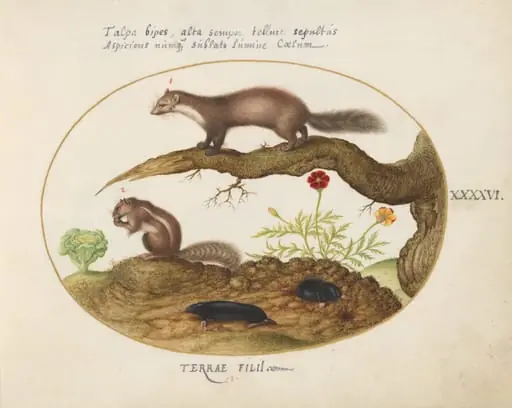 Plate 46: Stone Marten, Chipmunk, and Moles with a Marigold and Lettuce
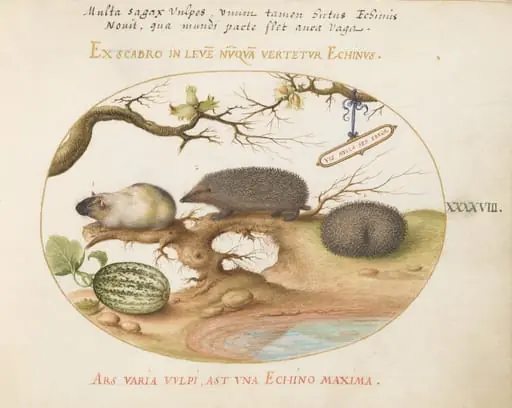 Plate 48: Guinea Pig and Hedgehogs with Melon and Cobnuts
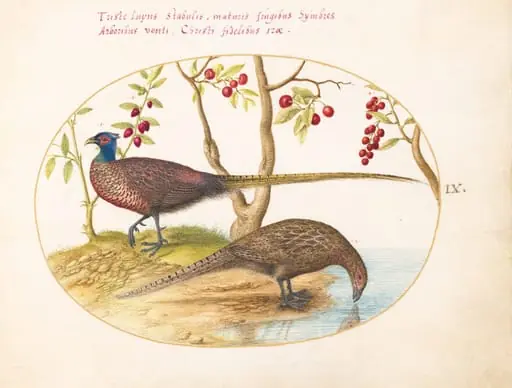 Plate 9: Two Pheasants with Fruiting Plants
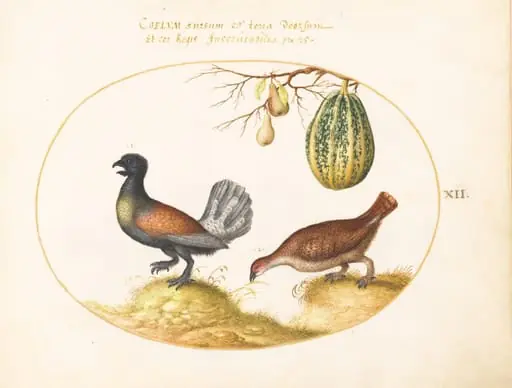 Plate 12: Pair of Wood Grouse with a Melon and Pears
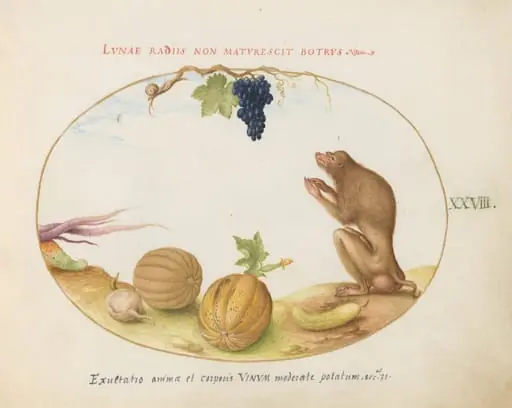 Plate 28: A "Tartarine" (Barbary Macaque?) with Fruit and a Snail
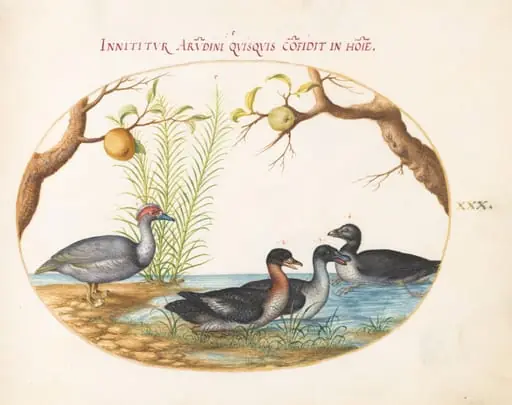 Plate 30: A Muscovy(?) Duck, a Four-Legged Duck, and Two Other Birds
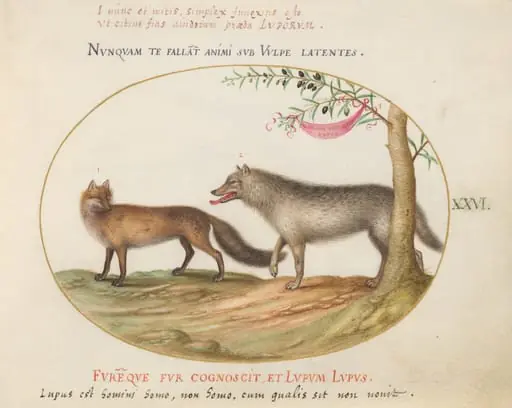 Plate 26: A Red Fox and a Wolf
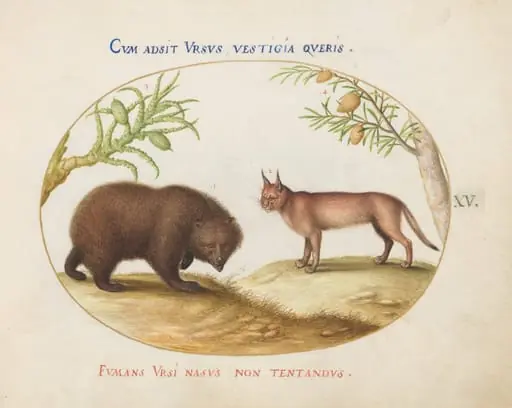 Plate 15: A Bear and a Lynx(?)
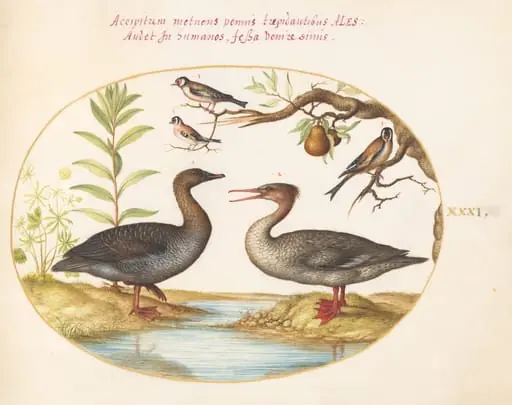 Plate 31: Duck, Merganser, and Three Goldfinches