Artwork
Plate 15: A Bear and a Lynx(?)
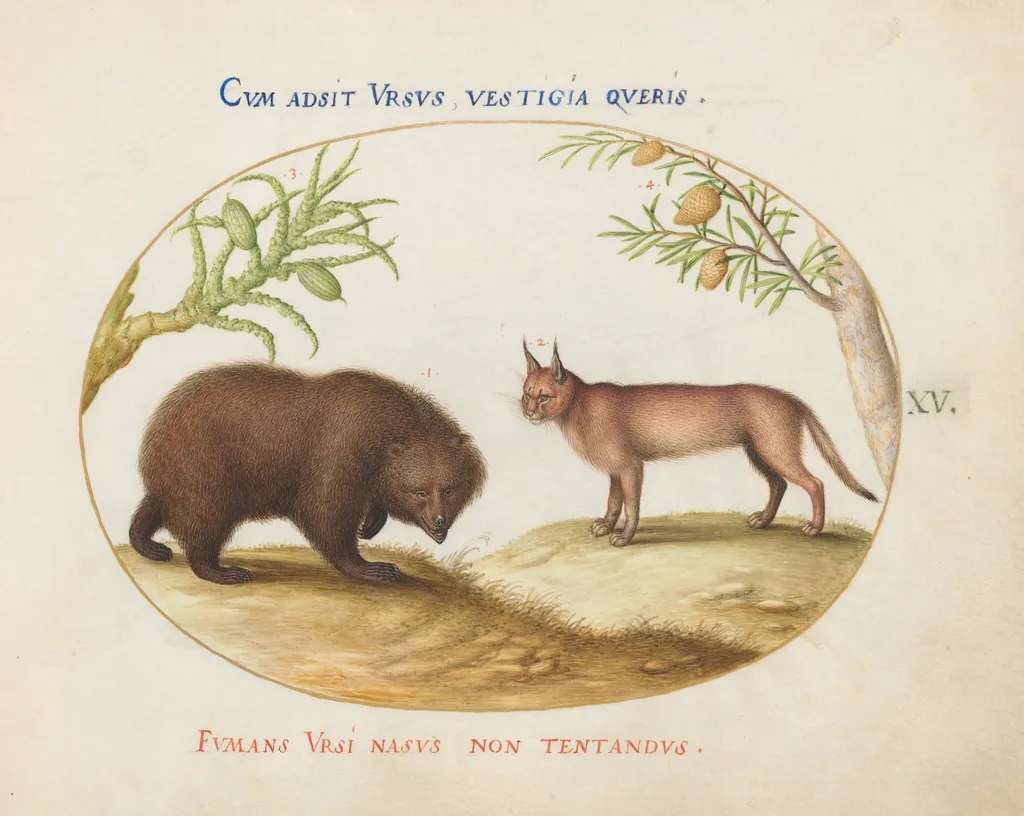
Plate 15: A Bear and a Lynx(?) is a gouache drawing by the Renaissance artist Joris Hoefnagel. It dates from 1594 and is held in the collection of the National Gallery of Art. Executed in watercolor and gold paint on parchment, this circular composition dates to approximately 1594.
About this work
Overview
Executed in watercolor and gold paint on parchment, this circular composition dates to approximately 1594. It forms part of a series devoted to natural subjects by Joris Hoefnagel, a Flemish artist whose career bridged commerce and illumination. The sheet exemplifies the transition from medieval manuscript traditions to the emerging genre of still-life painting in northern Europe.
Subject & Meaning
Two animals—a bear and a smaller feline, tentatively identified as a lynx—occupy a grassy foreground. Above them, botanical elements extend downward, creating an inverted spatial arrangement. The bear appears engaged with the ground, while the cat observes laterally. This juxtaposition of fauna and flora suggests an interest in cataloging nature rather than depicting a narrative scene.
Technique & Style
Hoefnagel employed translucent watercolor glazes to build up form, allowing underlying layers to contribute to the final effect. Gold paint outlines the circular frame, reinforcing the work’s origins in manuscript illumination. The meticulous rendering of fur, foliage, and texture reflects the artist’s observational precision, a hallmark of his approach to natural subjects.
History & Provenance
The drawing was produced around 1594, likely as part of a larger project documenting flora and fauna. Hoefnagel’s background as a merchant and self-taught artist positioned him uniquely within the late Renaissance, where scientific inquiry and artistic practice increasingly intersected. The work’s survival in parchment form underscores its status as a study rather than a preparatory sketch.
Context
The inclusion of both animals and plants reflects a encyclopedic impulse.
This sheet emerges from a period in which northern European artists began to focus on natural history as a subject independent of religious or allegorical frameworks. Hoefnagel’s work aligns with the broader Renaissance interest in empirical observation, though his use of gold and parchment retains ties to earlier manuscript traditions. The inclusion of both animals and plants reflects a encyclopedic impulse.
Legacy
Hoefnagel’s detailed studies of nature contributed to the development of still-life painting in the seventeenth century. His fusion of scientific accuracy with decorative elements influenced later artists who sought to document the natural world. This particular work, with its precise yet imaginative composition, exemplifies the tension between observation and artistic convention in early modern naturalism.
Artist & collection

Artist
Joris Hoefnagel or Georg Hoefnagel (1542 – 24 July 1601) was a Flemish painter, printmaker, miniaturist, draftsman and merchant.

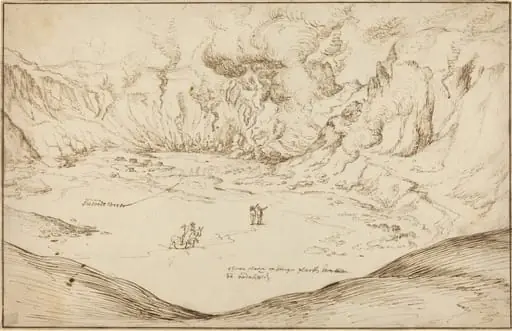 Forum Vulcani: The Hot Springs at Pozzuoli
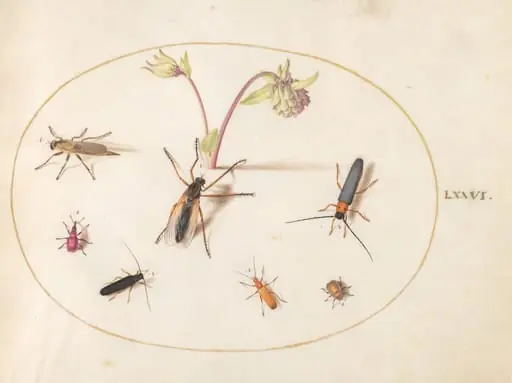 Plate 76: Insects with a Pink and Cream Columbine
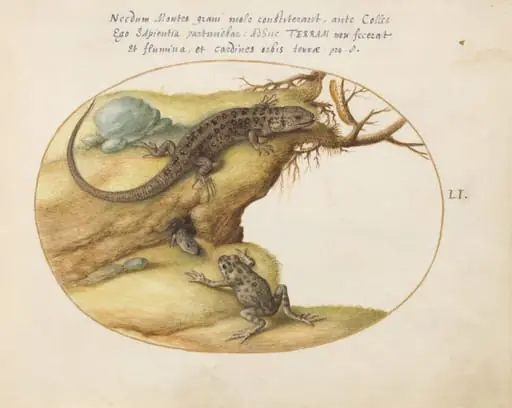 Plate 51: Two Sand Lizards, a Common Parsley Frog(?), and a Caterpillar
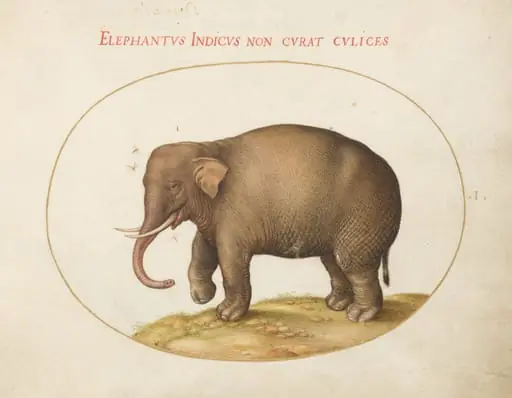 Plate 1: Elephant with Insects
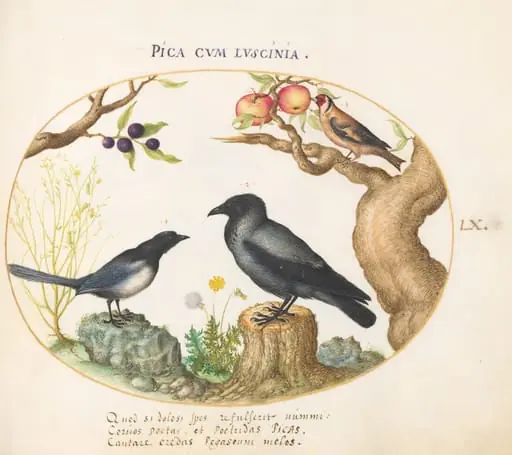 Plate 60: Magpie, Crow, and Goldfinch
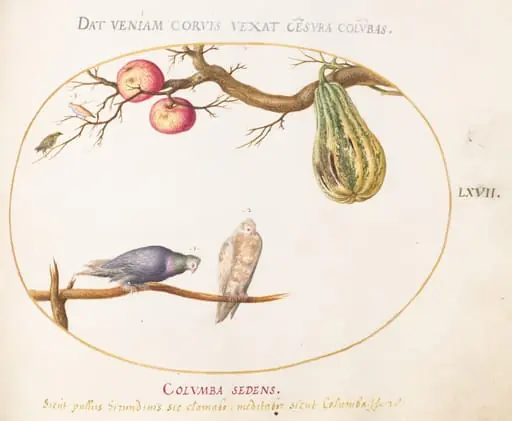 Plate 67: Two Doves beneath a Gourd and Apples
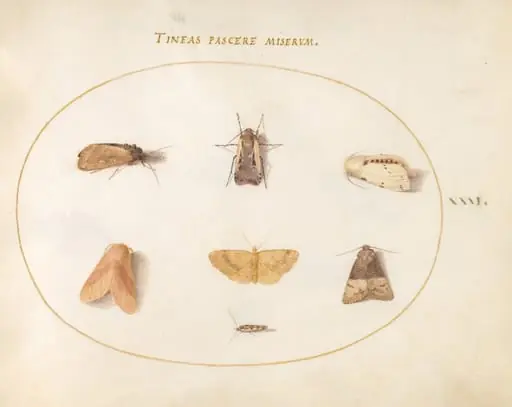 Plate 31: Seven Moths
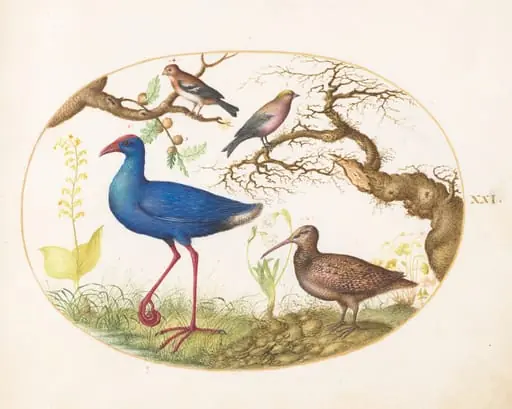 Plate 21: Swamp Hen and Woodcock with a Streaked Rosefinch, a Finch, and Oak Galls
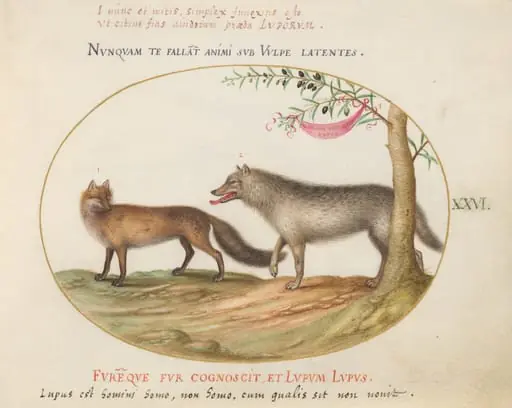 Plate 26: A Red Fox and a Wolf
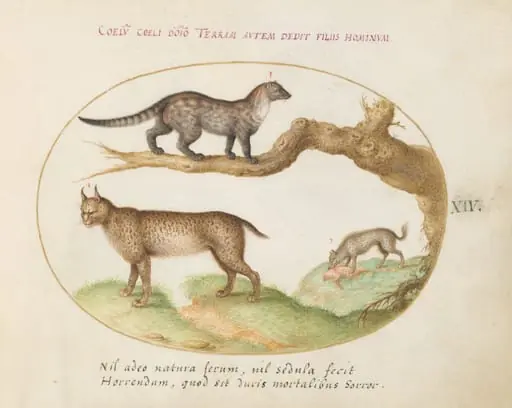 Plate 14: A Civet, a Lynx, and a Hyena Eating a Dog
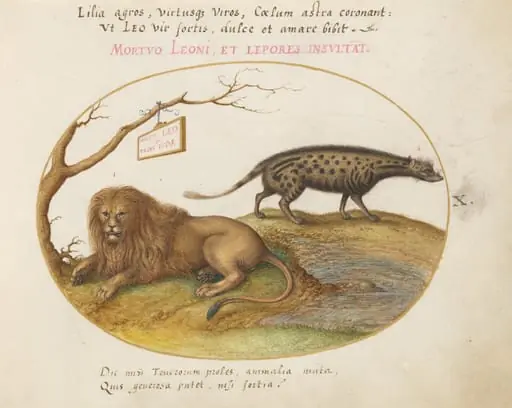 Plate 10: A Lion and a Civet Cat
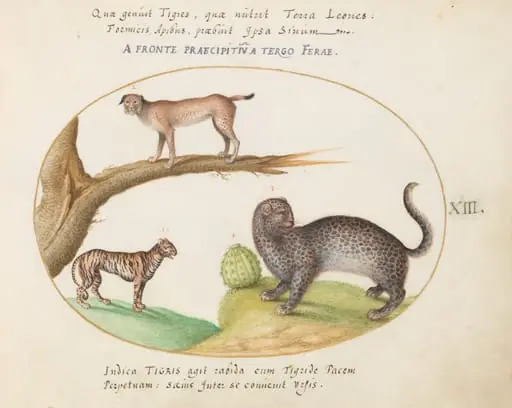 Plate 13: A Tiger, a Lynx, and a Jaguar(?)
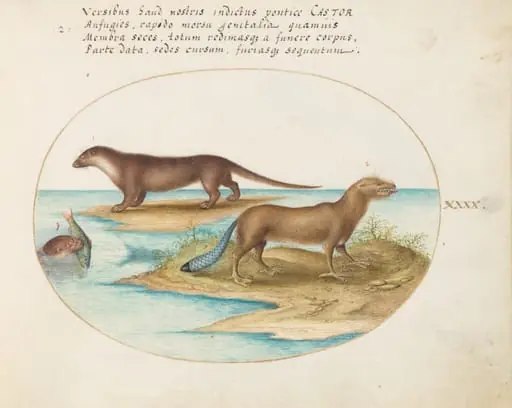 Plate 40: Two Otters and a Beaver
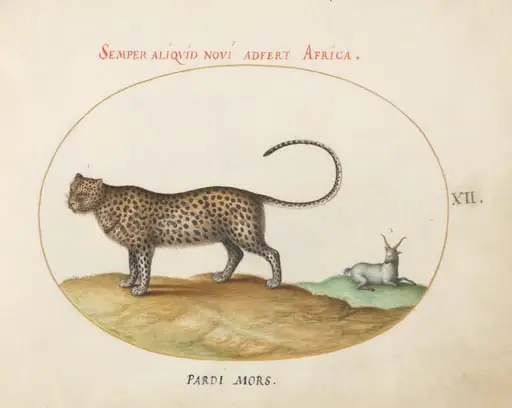 Plate 12: A Cheetah(?) and a Wild Sheep
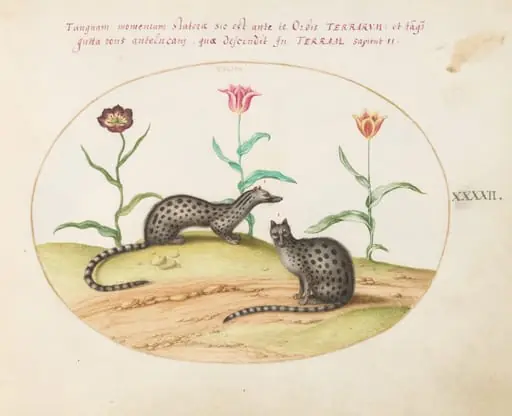 Plate 42: Two Genets or Civet Cats with Tulips
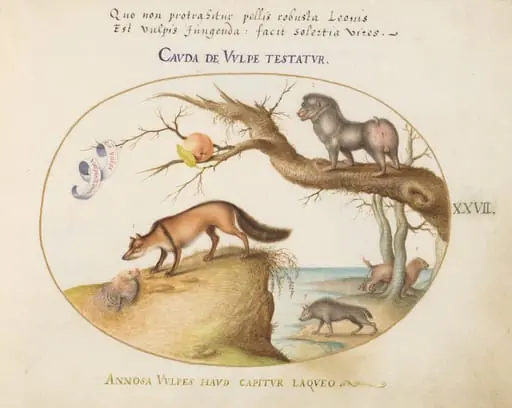 Plate 27: A Cross Fox, a Hyena/Baboon, a "Sea Wolf," and a Gulon (Wolverine?)
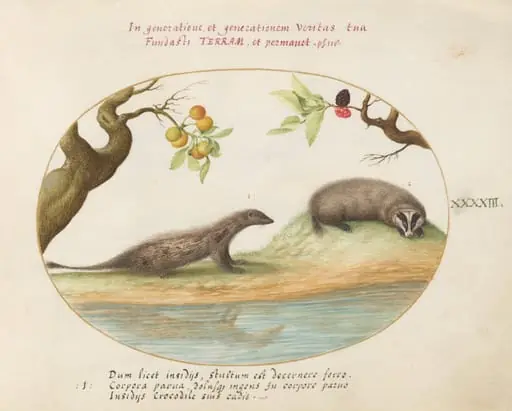 Plate 43: Mongoose and Badger with Fruit Trees
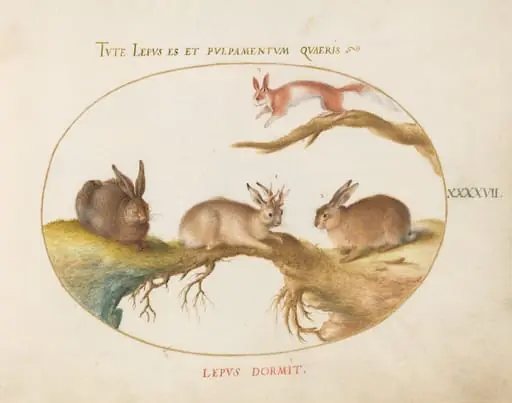 Plate 47: A Hare, "Jackalope," a Rabbit, and a Spotted Squirrel
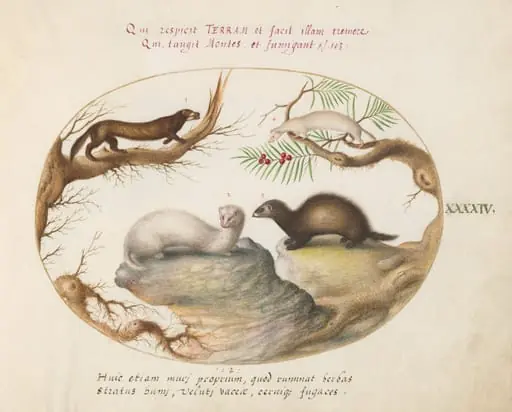 Plate 44: Polecat, Mink, and Ermine
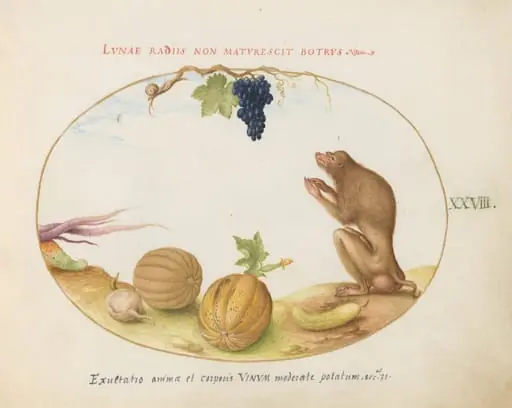 Plate 28: A "Tartarine" (Barbary Macaque?) with Fruit and a Snail