Artwork
Plate 46: Stone Marten, Chipmunk, and Moles with a Marigold and Lettuce
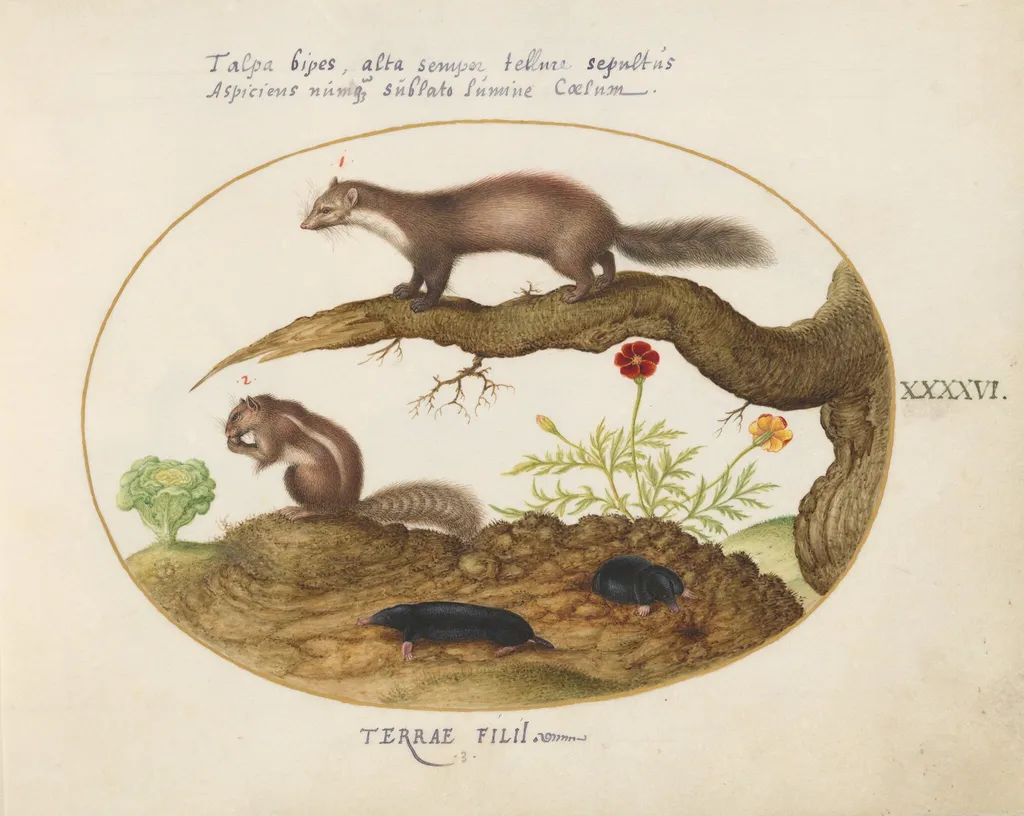
Plate 46: Stone Marten, Chipmunk, and Moles with a Marigold and Lettuce is a gouache drawing by the Renaissance artist Joris Hoefnagel. It dates from 1594 and is held in the collection of the National Gallery of Art. Executed around 1594, this work on parchment combines watercolor and gold pigment to depict a small assembly of animals and plants.
About this work
Overview
Executed around 1594, this work on parchment combines watercolor and gold pigment to depict a small assembly of animals and plants.
Executed around 1594, this work on parchment combines watercolor and gold pigment to depict a small assembly of animals and plants. The Flemish artist Joris Hoefnagel, active in both manuscript illumination and natural-history illustration, employed a restrained palette and meticulous brushwork to record each subject with near-scientific precision. The sheet forms part of a larger series that helped codify floral still-life imagery in northern European art.
Subject & Meaning
The composition juxtaposes a stone marten perched on a branch above a chipmunk and two moles emerging from disturbed soil, alongside a marigold and lettuce. Such pairings of fauna and flora often served dual purposes: they documented species with empirical accuracy while evoking broader themes of nature’s cycles, transience, or the harmony between predator and prey.
Technique & Style
Hoefnagel layered translucent watercolor washes to build depth, reserving opaque gold for the decorative border. Each animal’s fur, the veins of leaves, and the texture of soil are rendered through fine, controlled strokes. This method reflects both the manuscript illuminator’s training and the growing interest in direct observation that characterized late sixteenth-century natural-history illustration.
History & Provenance
The drawing originates from Hoefnagel’s multi-volume manuscript project, likely commissioned by a patron with interests in natural philosophy or collecting. Although the exact early ownership remains unrecorded, the work entered institutional collections by the twentieth century, where it is preserved as an example of Renaissance engagement with the natural world.
Context
Created during a period when cabinets of curiosity flourished, this sheet exemplifies the intersection of art and science. Artists like Hoefnagel responded to demands for accurate yet aesthetically refined representations of flora and fauna, bridging medieval traditions of illuminated bestiaries and emerging empirical approaches to natural history.
Legacy
Hoefnagel’s precise renderings influenced later still-life painters by demonstrating how minute detail could elevate natural subjects into art. His integration of scientific observation with decorative refinement also foreshadowed the close relationship between art and taxonomy that would develop in the seventeenth and eighteenth centuries.
Artist & collection

Artist
Joris Hoefnagel or Georg Hoefnagel (1542 – 24 July 1601) was a Flemish painter, printmaker, miniaturist, draftsman and merchant.

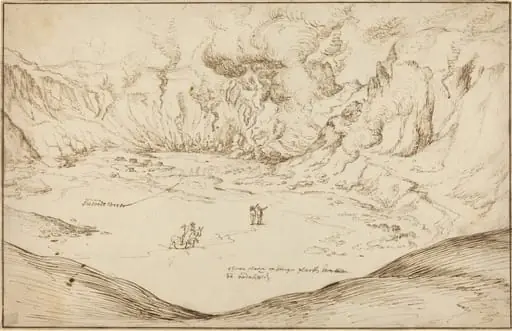 Forum Vulcani: The Hot Springs at Pozzuoli
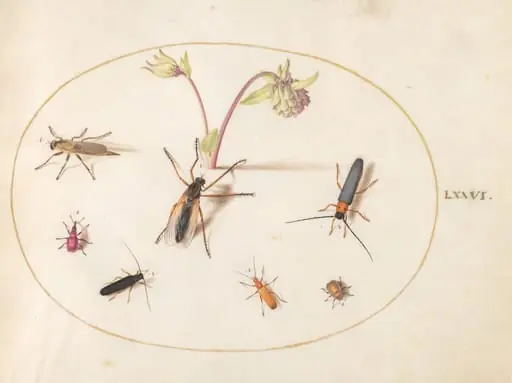 Plate 76: Insects with a Pink and Cream Columbine
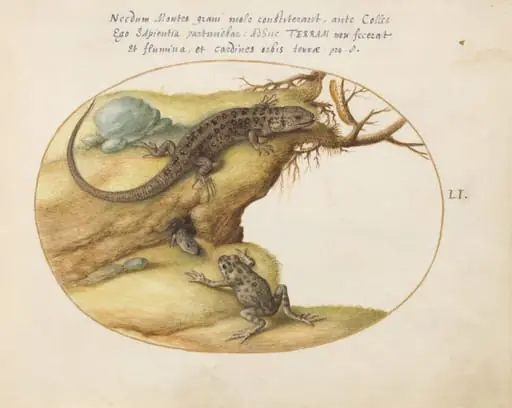 Plate 51: Two Sand Lizards, a Common Parsley Frog(?), and a Caterpillar
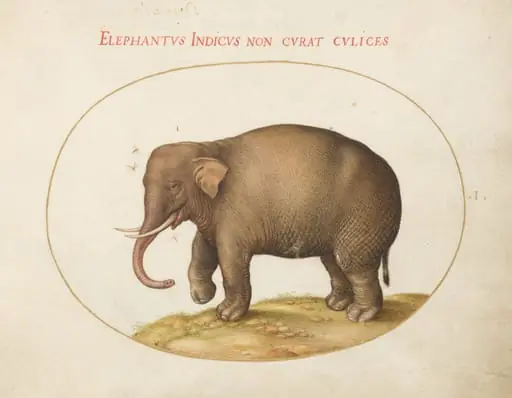 Plate 1: Elephant with Insects
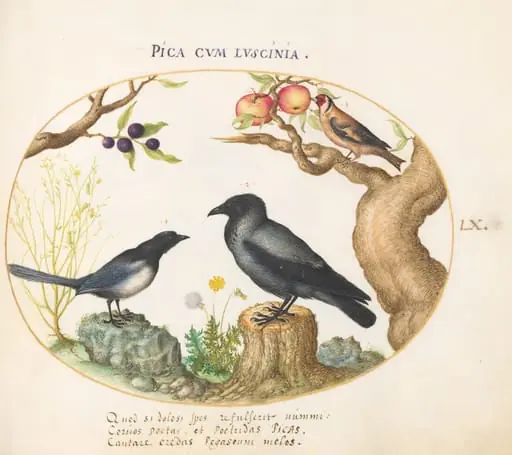 Plate 60: Magpie, Crow, and Goldfinch
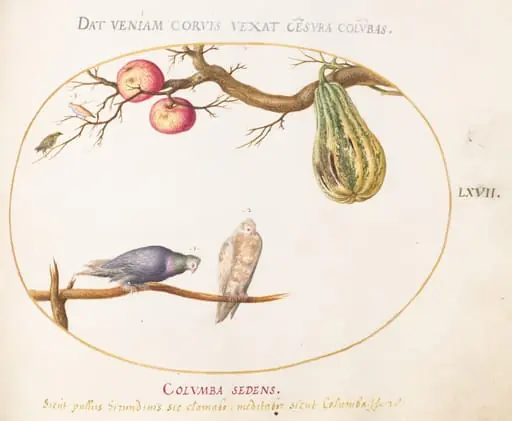 Plate 67: Two Doves beneath a Gourd and Apples
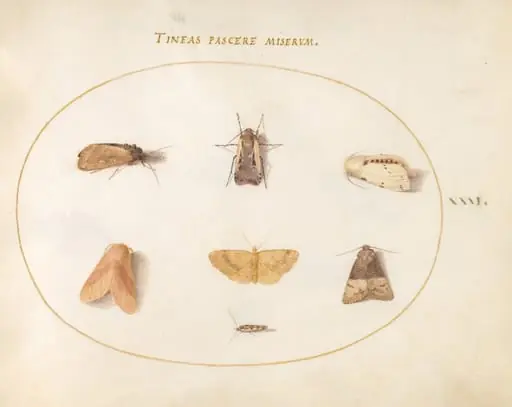 Plate 31: Seven Moths
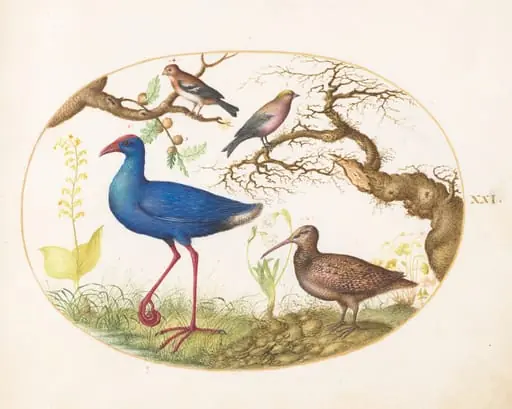 Plate 21: Swamp Hen and Woodcock with a Streaked Rosefinch, a Finch, and Oak Galls
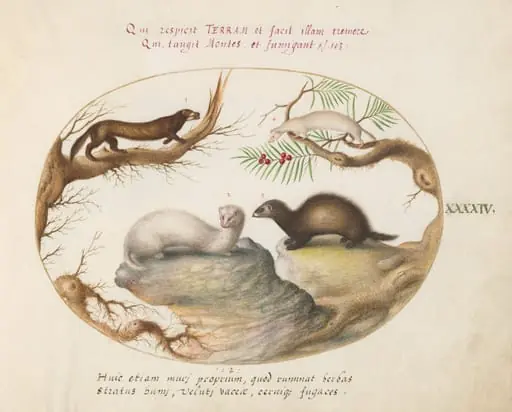 Plate 44: Polecat, Mink, and Ermine
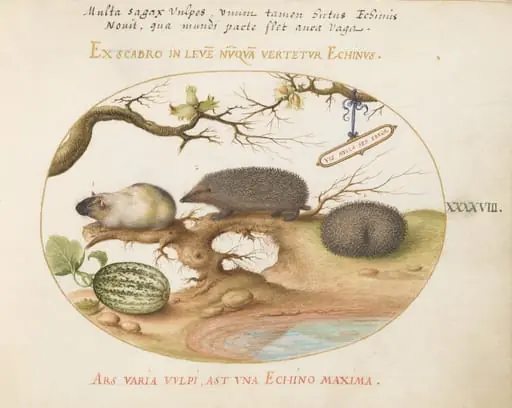 Plate 48: Guinea Pig and Hedgehogs with Melon and Cobnuts
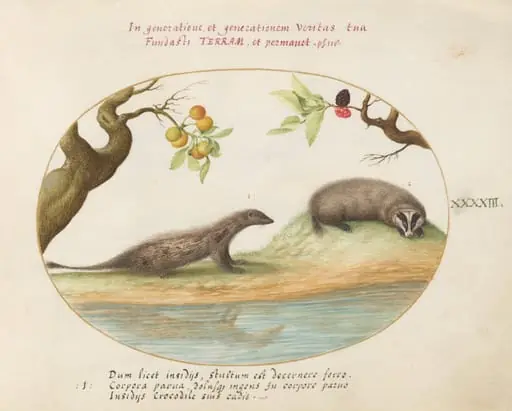 Plate 43: Mongoose and Badger with Fruit Trees
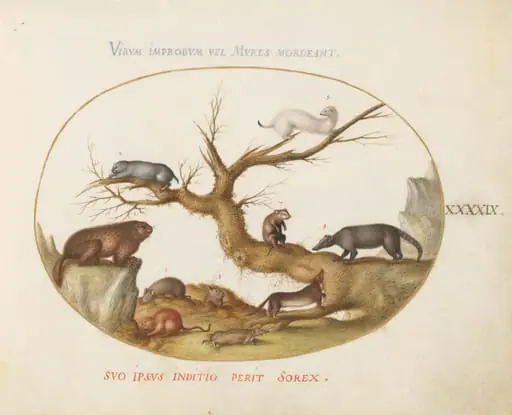 Plate 49: Marmot, Hamsters, Rat, Field Mouse, Shrew, and a Coatimundi
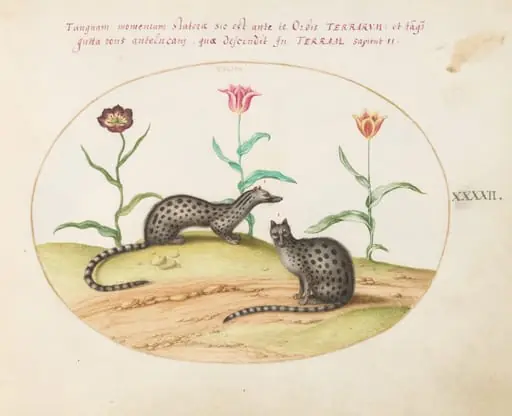 Plate 42: Two Genets or Civet Cats with Tulips
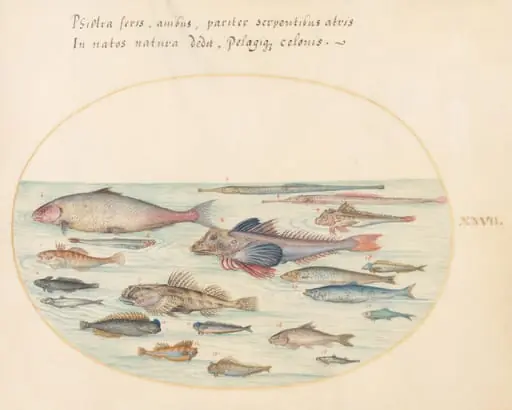 Plate 27: Blennies, Scorpion Fish, and Other Fish
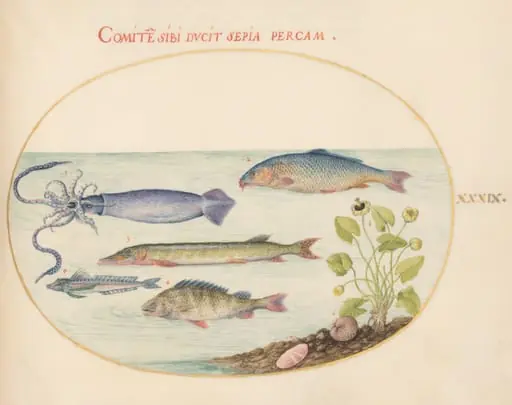 Plate 39: Squid, Gurnard, Pike, and Other Fish
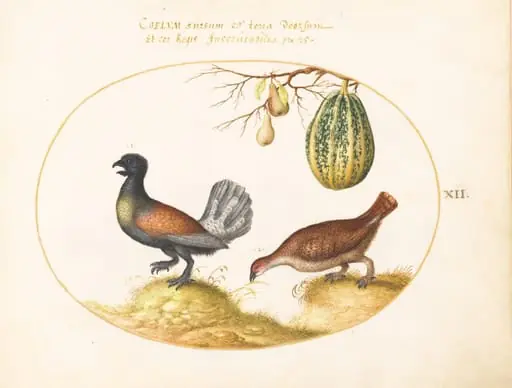 Plate 12: Pair of Wood Grouse with a Melon and Pears
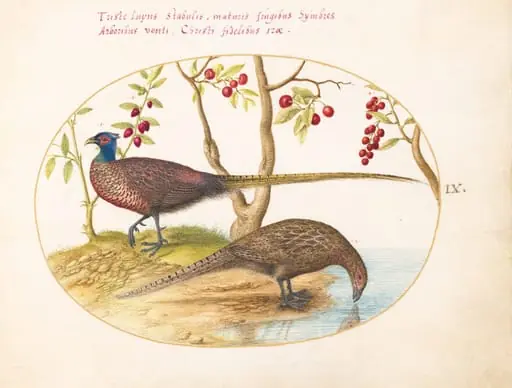 Plate 9: Two Pheasants with Fruiting Plants
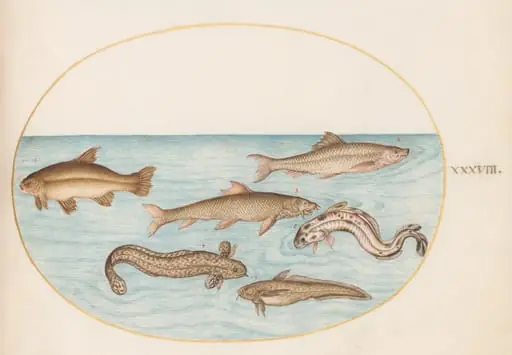 Plate 38: Burbot, Rockling, and Other Fish