Artwork
Plate 54: An Owl, with a Second in the Distance Eating a Rabbit
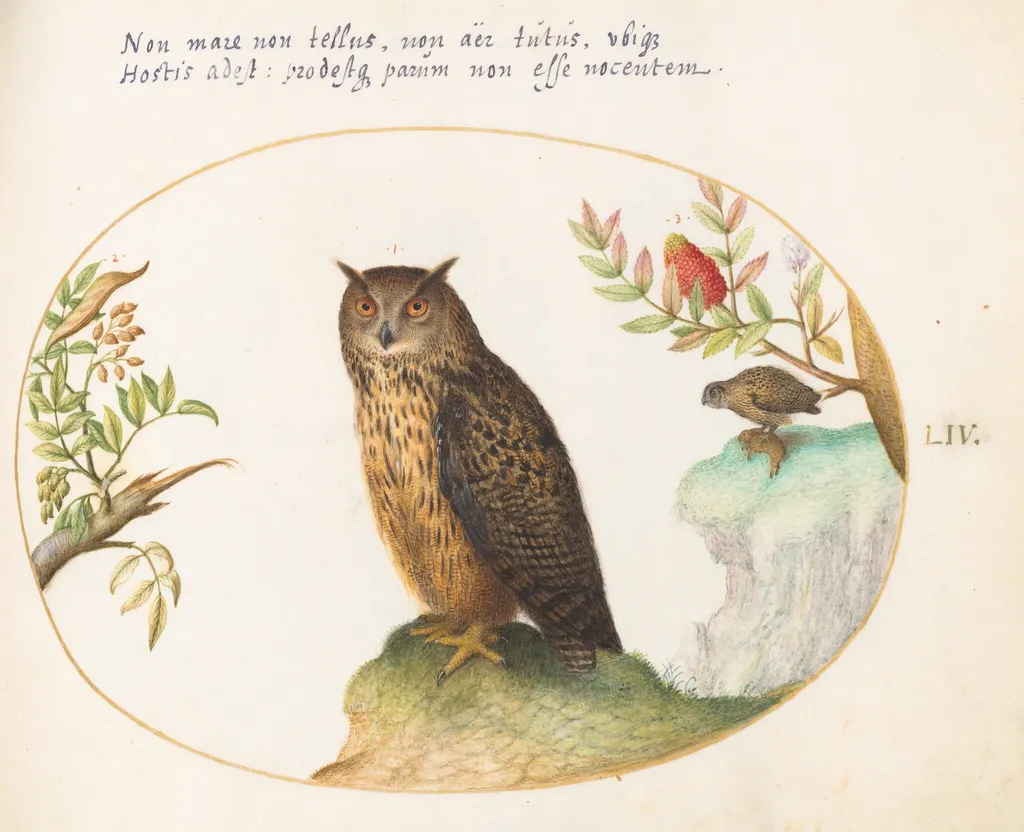
Plate 54: An Owl, with a Second in the Distance Eating a Rabbit is a gouache drawing by the Renaissance artist Joris Hoefnagel. It dates from 1594 and is held in the collection of the National Gallery of Art. Executed around 1594, this work on parchment combines watercolor and gold pigment to depict two owls within a natural setting.
About this work
Overview
Executed around 1594, this work on parchment combines watercolor and gold pigment to depict two owls within a natural setting.
Executed around 1594, this work on parchment combines watercolor and gold pigment to depict two owls within a natural setting. The composition merges scientific observation with decorative refinement, characteristic of Joris Hoefnagel’s engagement with both natural history and manuscript illumination. Its intimate scale and meticulous detail reflect practices common among late Renaissance artists documenting flora and fauna.
Subject & Meaning
The scene presents a primary owl perched on rock, its gaze directed outward, while a second owl consumes a rabbit in the background. Such imagery suggests themes of predation and survival, common in natural history studies of the period. The inclusion of Latin text implies an educational or classificatory purpose, situating the work within a tradition of scholarly illustration rather than purely aesthetic representation.
Technique & Style
Hoefnagel employed translucent watercolor layers to render feathers, foliage, and rock textures, while gold paint accentuates the owl’s plumage and a circular border. This technique, known as glazing, allows subtle tonal shifts and luminosity. The restrained palette—soft browns, muted blues, and greens—contrasts with the gold’s reflective quality, emphasizing both naturalism and ornamental elegance.
History & Provenance
Created during Hoefnagel’s mature period, this work belongs to a series of natural history studies produced for patrons interested in scientific and artistic documentation. Its survival as a standalone parchment sheet suggests it may have been part of a larger compendium or album. Little is recorded about its early ownership, though its preservation indicates sustained value as both a scientific record and an artistic object.
Context
Hoefnagel’s work emerged amid growing European interest in empirical observation and classification of the natural world. His illustrations bridged medieval manuscript traditions and emerging scientific illustration, reflecting the Renaissance emphasis on close study of nature. The inclusion of gold and Latin text aligns with humanist practices, where art served both decorative and didactic functions.
Legacy
Though not widely reproduced, this work exemplifies Hoefnagel’s role in advancing naturalistic representation in northern European art. His fusion of scientific precision with decorative techniques influenced later still-life and botanical illustration. The piece remains a testament to the intersection of art and natural history during a period of expanding intellectual inquiry.
Artist & collection

Artist
Joris Hoefnagel or Georg Hoefnagel (1542 – 24 July 1601) was a Flemish painter, printmaker, miniaturist, draftsman and merchant.

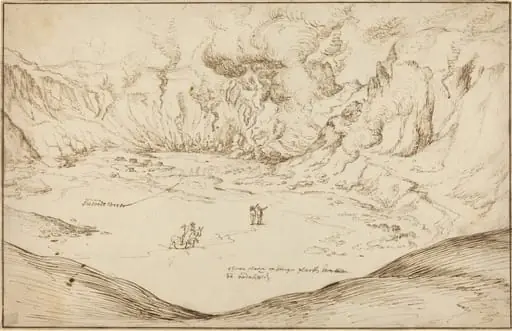 Forum Vulcani: The Hot Springs at Pozzuoli
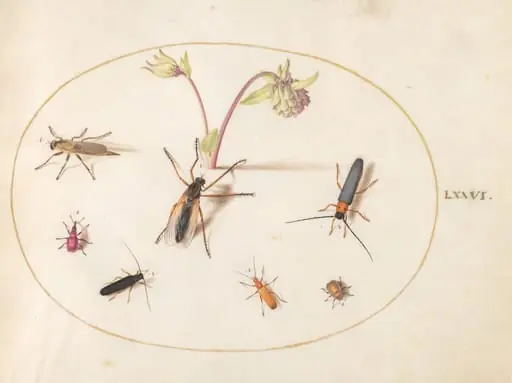 Plate 76: Insects with a Pink and Cream Columbine
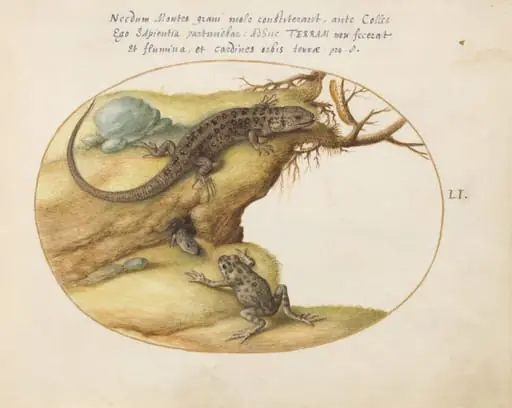 Plate 51: Two Sand Lizards, a Common Parsley Frog(?), and a Caterpillar
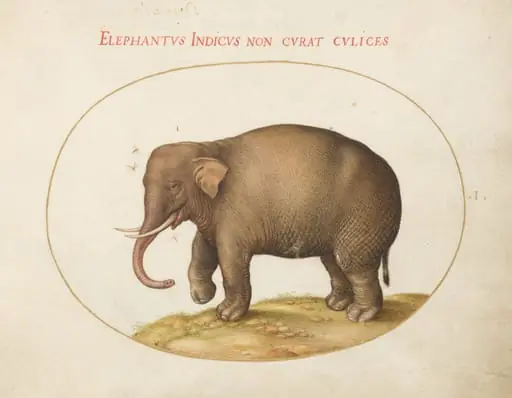 Plate 1: Elephant with Insects
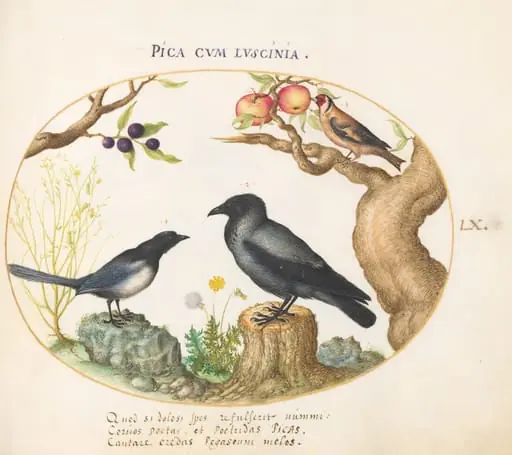 Plate 60: Magpie, Crow, and Goldfinch
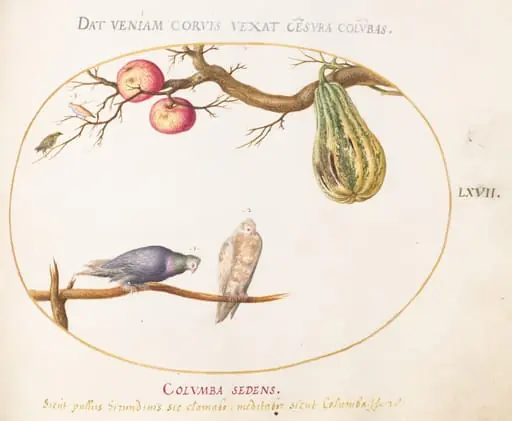 Plate 67: Two Doves beneath a Gourd and Apples
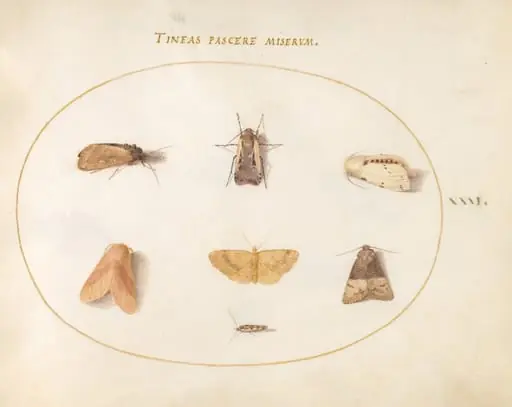 Plate 31: Seven Moths
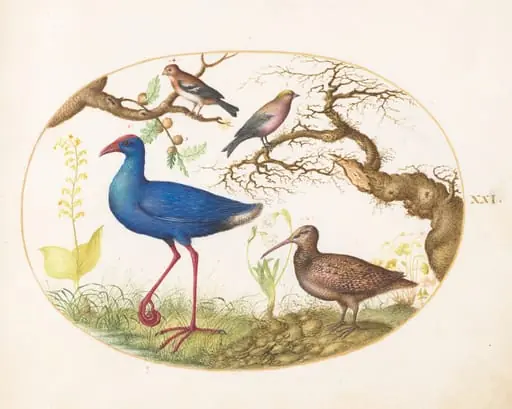 Plate 21: Swamp Hen and Woodcock with a Streaked Rosefinch, a Finch, and Oak Galls
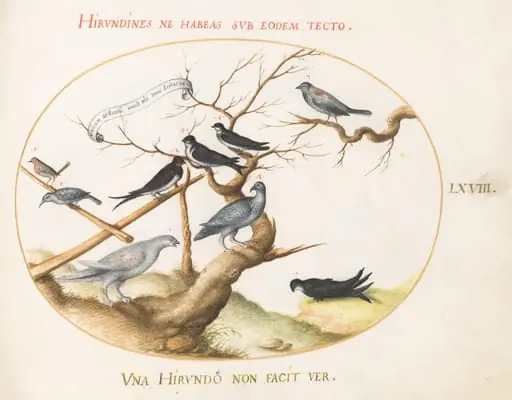 Plate 68: A Ptarmigan, Swallows, and Other Birds
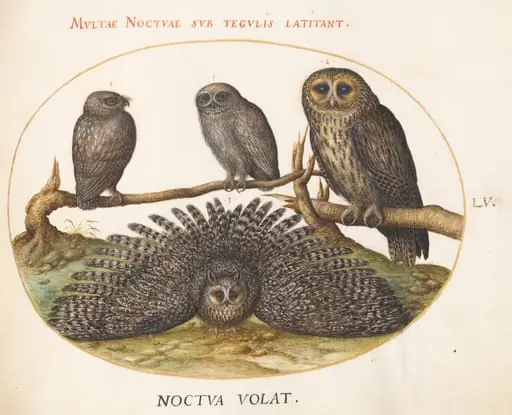 Plate 55: A Tawny Owl, an Eagle Owl, and Two other Owls
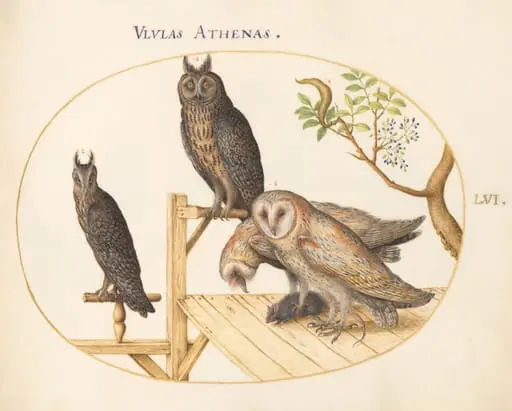 Plate 56: Barn Owls with a Mouse, Eagle Owl(?) and Another Owl
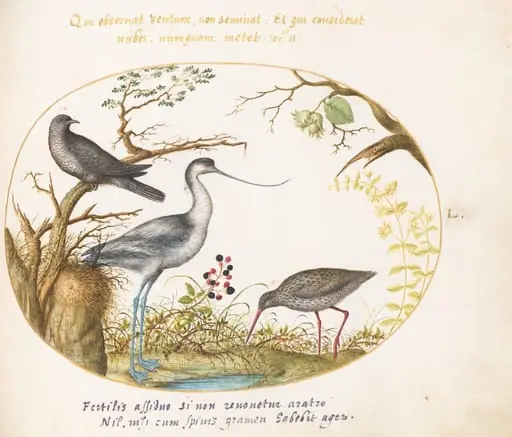 Plate 50: An Avocet with Two Other Birds
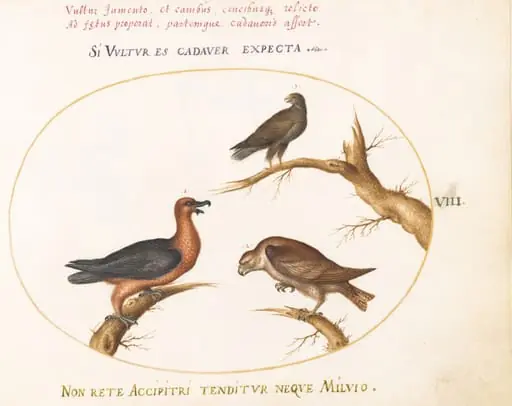 Plate 8: Bearded Vulture with Two Birds of Prey
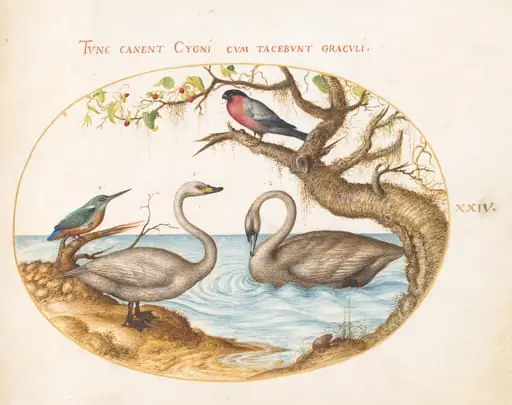 Plate 24: Two Swans, a Kingfisher, and a Bullfinch
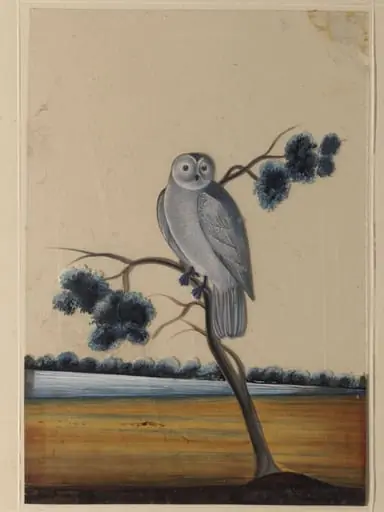 An owl
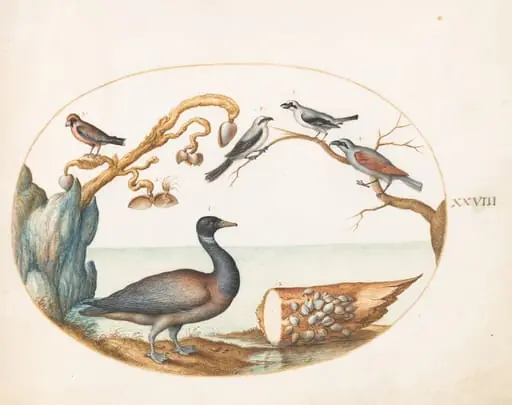 Plate 28: Barnacle Goose with Shrikes and Other Birds
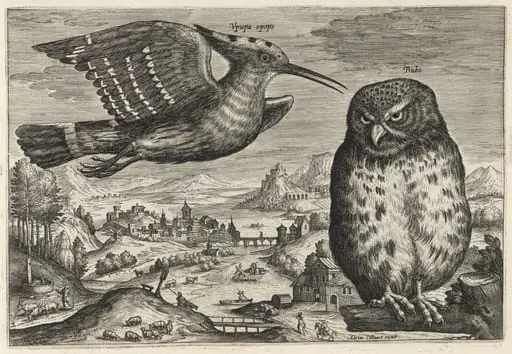 Hoopoe and Owl