Artwork
Tantalus
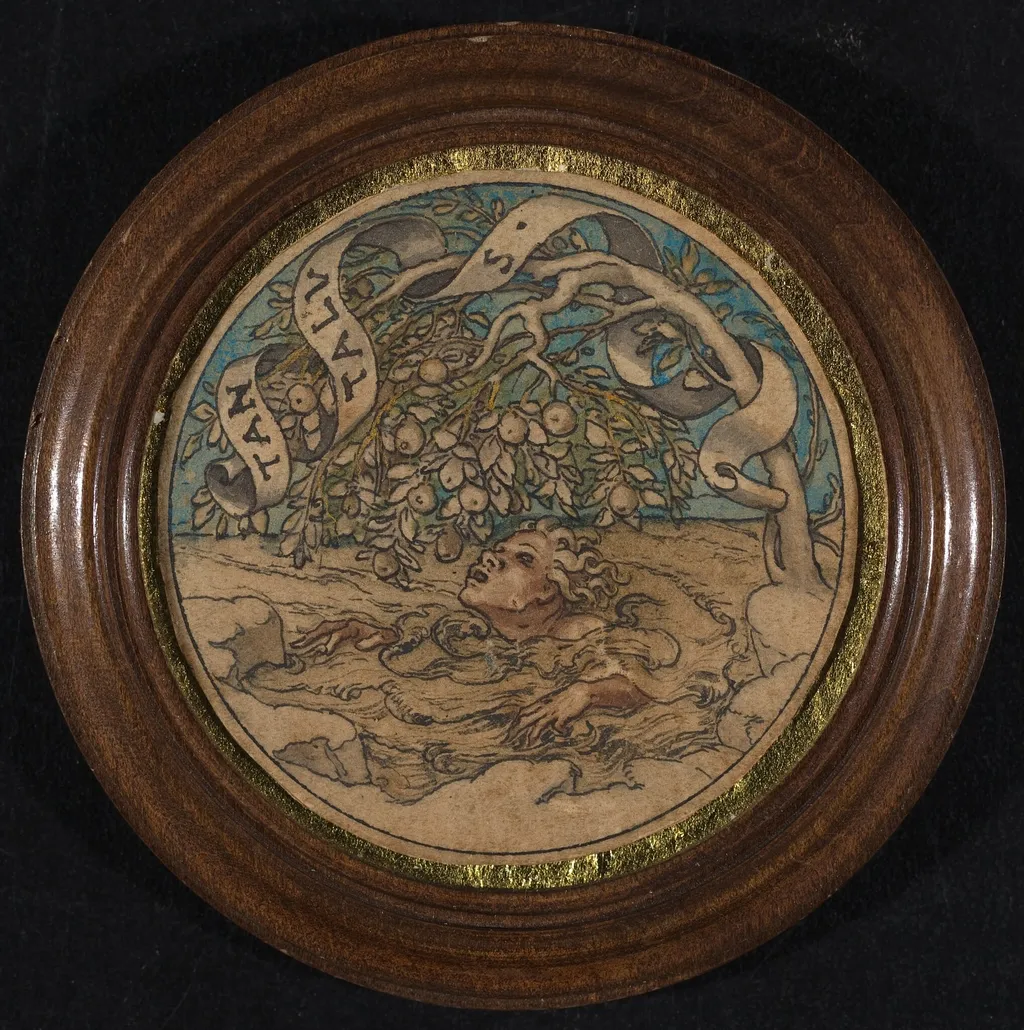
Tantalus is an ink drawing by the Northern Renaissance artist Hans Holbein the Younger. It dates from 1538 and is held in the collection of the National Gallery of Art.
About this work
Overview
Hans Holbein the Younger’s drawing titled Tantalus, executed in 1538, combines pen and black ink with watercolor and gold highlights on laid paper. The work presents a circular arrangement centered on a distressed figure, whose head is thrown back, set against a watery backdrop and a fruit‑bearing tree. A banner bearing the name TANTALUS hangs from the tree’s branches.
Subject & Meaning
The composition alludes to the myth of Tantalus, whose eternal punishment involved unattainable sustenance. The figure’s anguished posture and the surrounding water and fruit evoke the paradox of desire and denial inherent in the legend, while the inscription reinforces the narrative reference.
Technique & Style
Holbein employs precise pen lines to define forms, while watercolor washes provide colour depth. Gold accents punctuate the scene, adding visual emphasis and a sense of richness. The drawing reflects Renaissance sensibilities through its balanced composition, anatomical attention, and incorporation of classical motifs.
History & Provenance
Created in the late Renaissance, the piece was produced during Holbein’s mature period in England. Its subsequent ownership history is not extensively documented, but it remains attributed to Holbein and is recognized as part of his oeuvre of mythological subjects.
Artist & collection


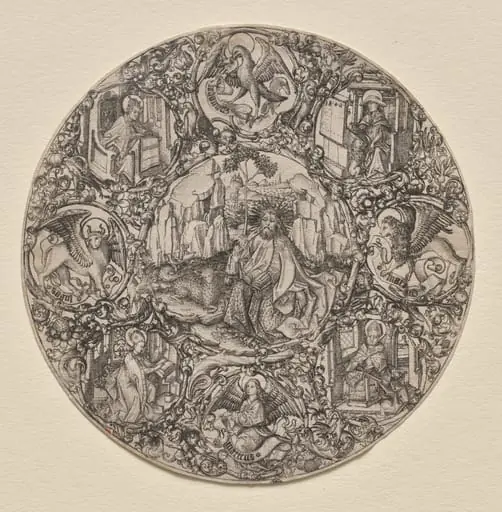 St. John the Baptist Surrounded by the Evangelists and Four Fathers of the Latin Church
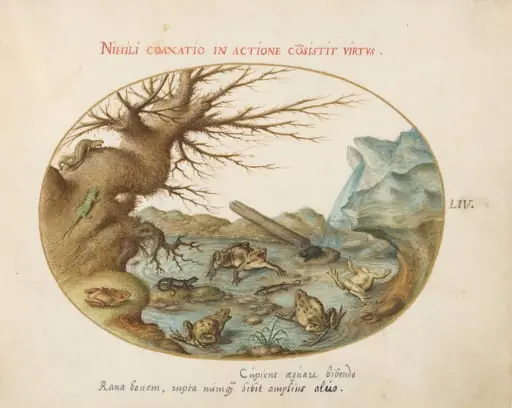 Plate 54: Frogs, Lizards, and Salamanders(?) in a Landscape
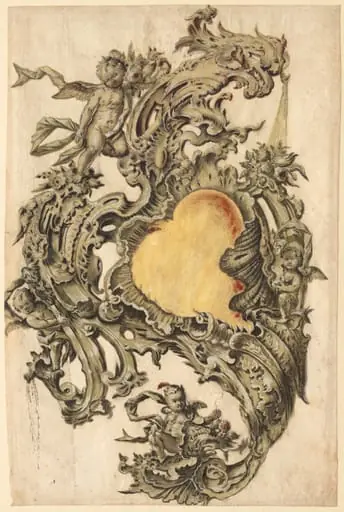 Cartouche with Putti
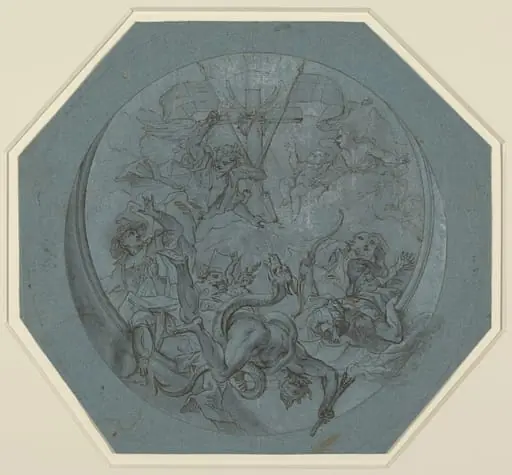 Saint Michael Defeating Heresy and Satan
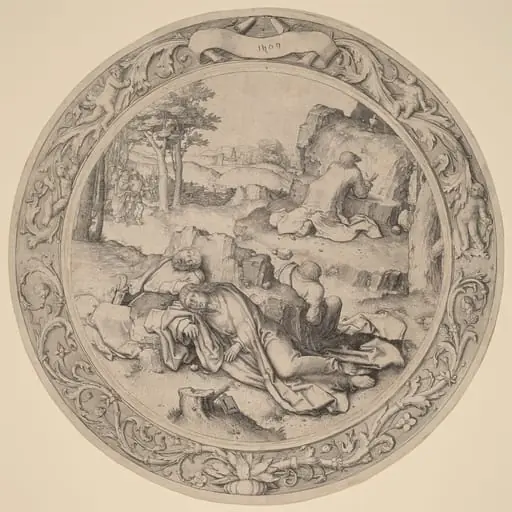 Christ in Gethsemane (Agony in the Garden)
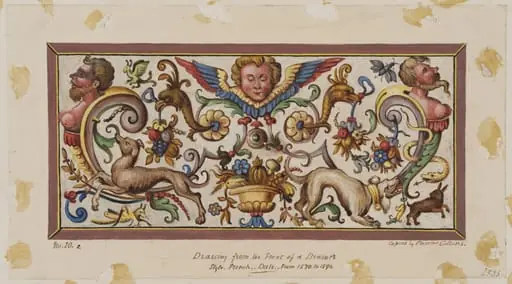 Decoration on the front of a drawer
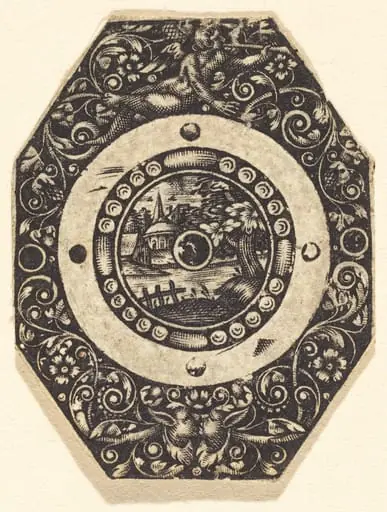 Landscape
 Ornament
 Leda
Leda Putti Leading a Goat
 Saint Jerome
 Ornament with Grotesque