Artwork
Plate 54: Frogs, Lizards, and Salamanders(?) in a Landscape
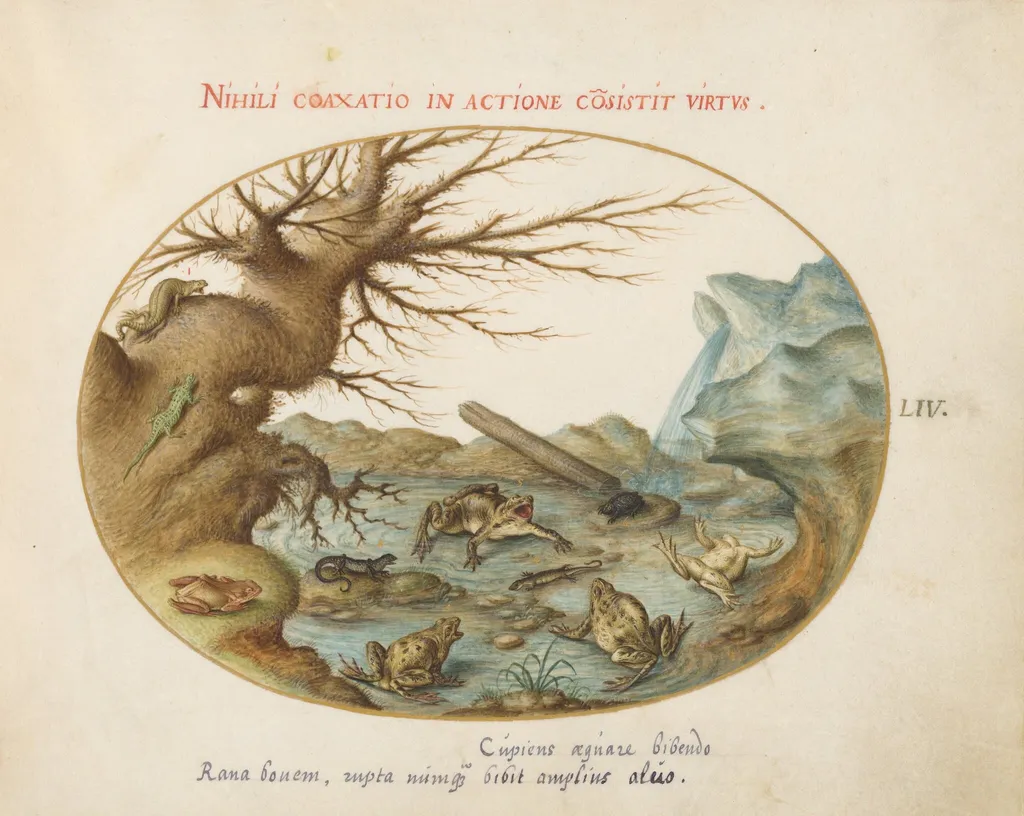
Plate 54: Frogs, Lizards, and Salamanders(?) in a Landscape is a gouache drawing by the Renaissance artist Joris Hoefnagel. It dates from 1594 and is held in the collection of the National Gallery of Art.
About this work
Overview
It exemplifies the transition from medieval illumination to early modern scientific observation, combining meticulous detail with ornamental techniques.
Created around 1594 by Joris Hoefnagel, this watercolor and gold-painted work on parchment is one of many illustrations from a larger natural history manuscript. It exemplifies the transition from medieval illumination to early modern scientific observation, combining meticulous detail with ornamental techniques. The use of parchment and gold reflects the enduring prestige of manuscript art even as print culture expanded.
Subject & Meaning
The scene depicts amphibians and reptiles—frogs, lizards, and possibly salamanders—gathered near a small body of water amid rocky outcrops and sparse vegetation. The animals are rendered with anatomical precision, suggesting an intent to document rather than merely decorate. Their placement implies ecological interaction, though the composition retains a stylized harmony, blending naturalism with symbolic order.
Technique & Style
Hoefnagel employed fine watercolor washes to capture the moist textures of skin and foliage, while gold paint highlights edges and surfaces, adding luminosity without overt ornamentation. The precision of brushwork reveals close study of live specimens, yet the arrangement remains composed and balanced. The scale of creatures relative to the landscape suggests a microcosmic focus, typical of his approach to natural subjects.
History & Provenance
This plate was part of a manuscript commissioned by Holy Roman Emperor Rudolf II, who collected curiosities and scientific illustrations. Hoefnagel worked within the imperial court, producing detailed natural history volumes that later influenced European naturalists. The work survived intact through private collections and is now held in a major institutional archive, preserving its original format and materials.
Context
In late 16th-century Europe, natural history was shifting from allegorical representation toward empirical study. Hoefnagel’s illustrations responded to this change, bridging the decorative traditions of manuscript illumination with emerging scientific curiosity. His work was circulated among scholars and collectors, contributing to a visual language for documenting biodiversity before the advent of printed botanical and zoological atlases.
Legacy
Hoefnagel’s detailed renderings of small creatures helped establish a precedent for biological illustration in the early modern period. His integration of artistic refinement with observational accuracy influenced later naturalists and illustrators, including those working for the Royal Society. Though overshadowed by printed works, his manuscripts remain valued for their technical skill and historical insight into the visual culture of science.
Artist & collection

Artist
Joris Hoefnagel or Georg Hoefnagel (1542 – 24 July 1601) was a Flemish painter, printmaker, miniaturist, draftsman and merchant.

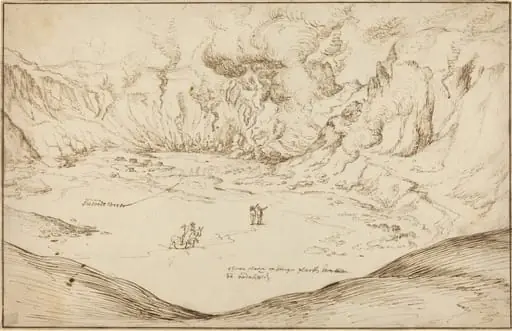 Forum Vulcani: The Hot Springs at Pozzuoli
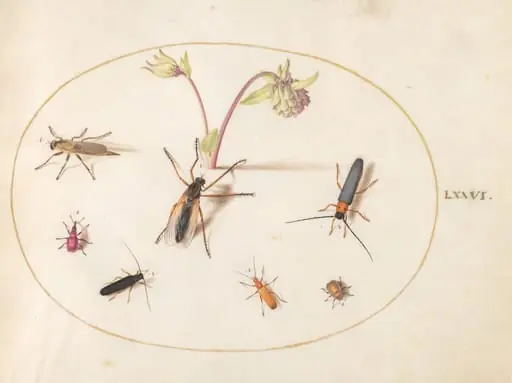 Plate 76: Insects with a Pink and Cream Columbine
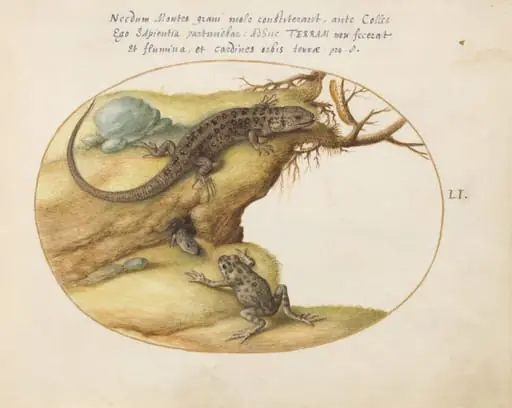 Plate 51: Two Sand Lizards, a Common Parsley Frog(?), and a Caterpillar
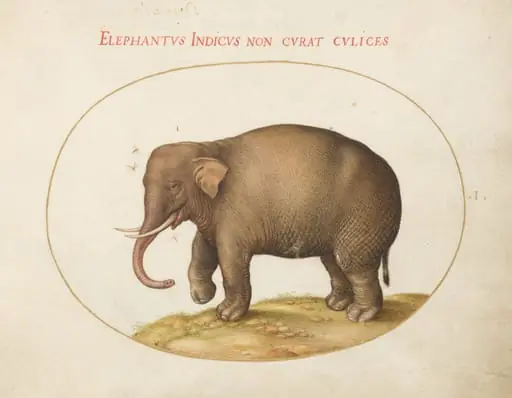 Plate 1: Elephant with Insects
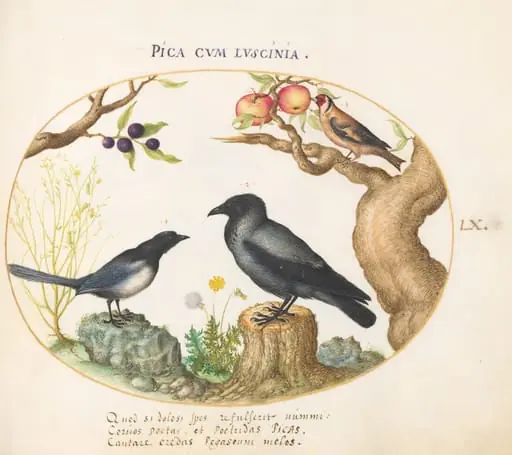 Plate 60: Magpie, Crow, and Goldfinch
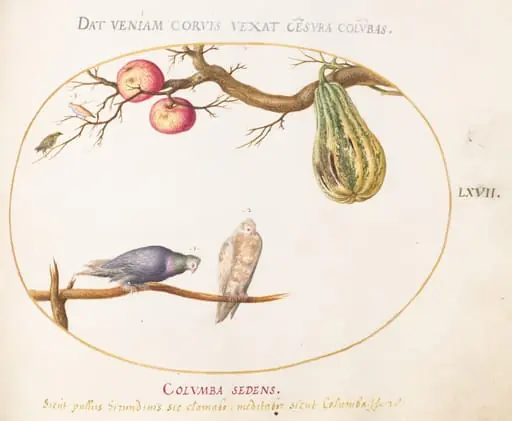 Plate 67: Two Doves beneath a Gourd and Apples
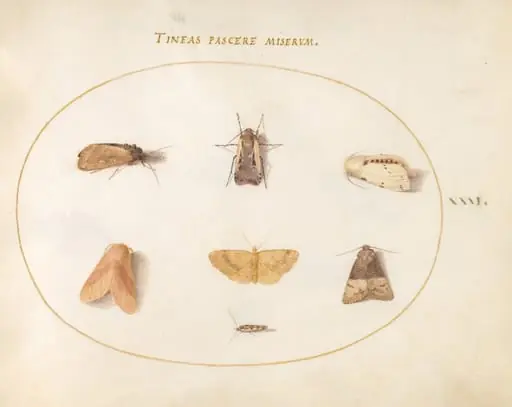 Plate 31: Seven Moths
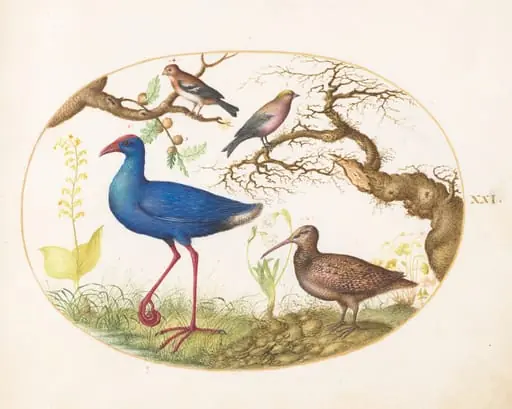 Plate 21: Swamp Hen and Woodcock with a Streaked Rosefinch, a Finch, and Oak Galls
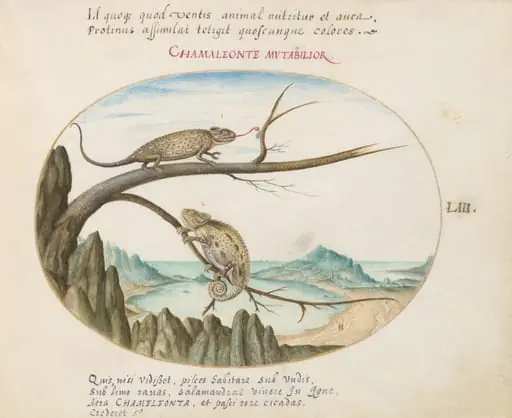 Plate 53: Two Common or Mediterranean Chameleons above San Sebastián, Spain
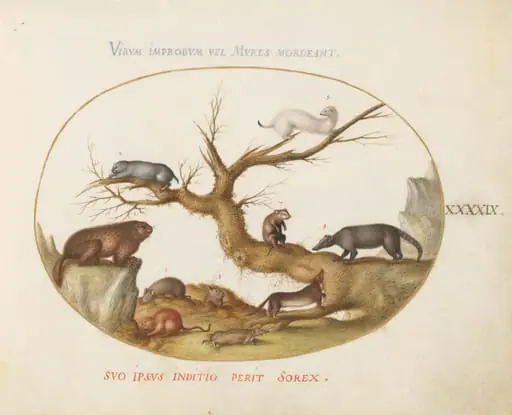 Plate 49: Marmot, Hamsters, Rat, Field Mouse, Shrew, and a Coatimundi
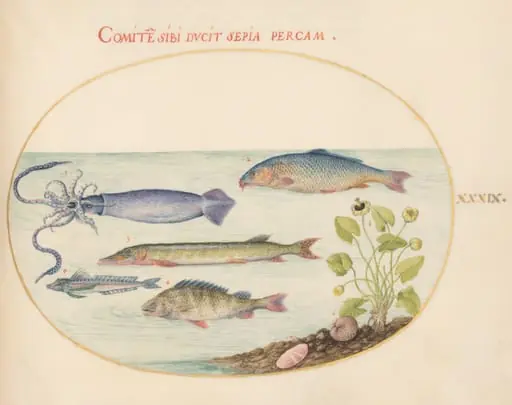 Plate 39: Squid, Gurnard, Pike, and Other Fish
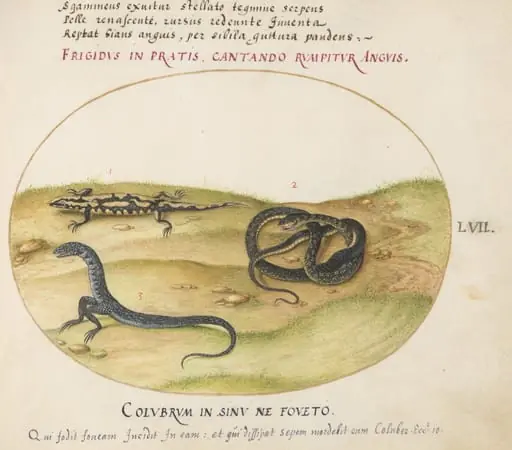 Plate 57: A Snake, a Fire Salamander, and a Snakelike Creature with Two Legs
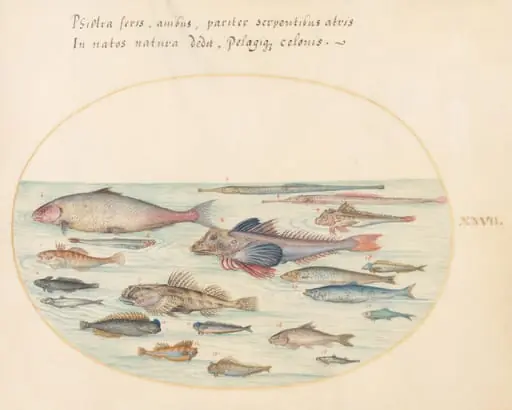 Plate 27: Blennies, Scorpion Fish, and Other Fish
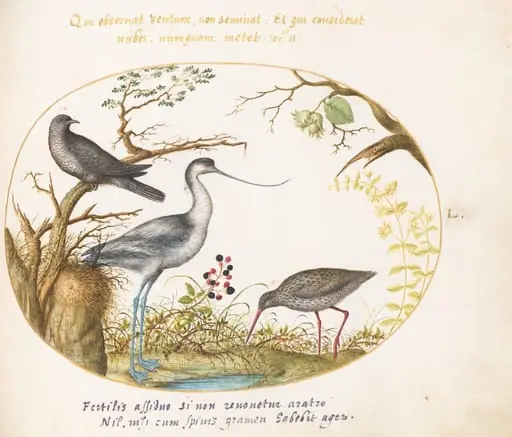 Plate 50: An Avocet with Two Other Birds
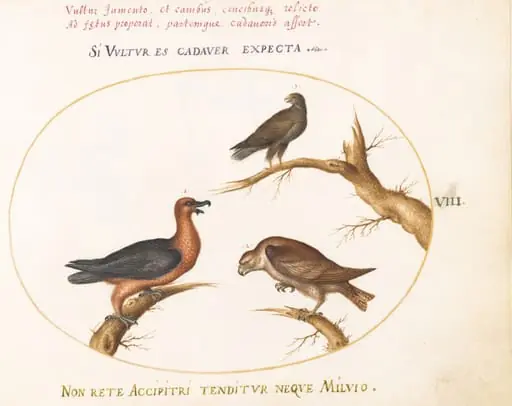 Plate 8: Bearded Vulture with Two Birds of Prey
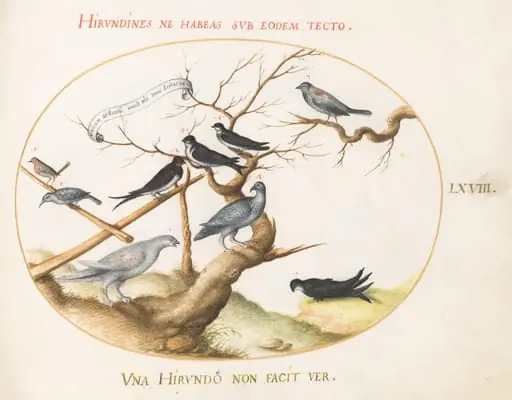 Plate 68: A Ptarmigan, Swallows, and Other Birds
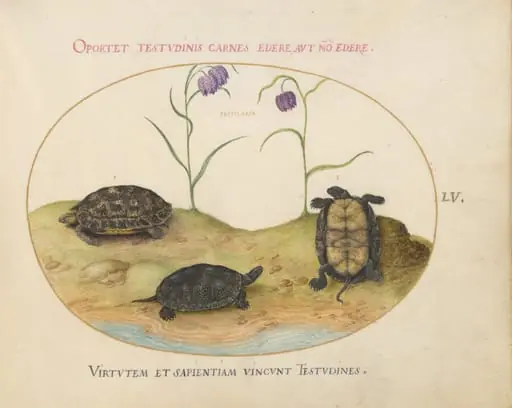 Plate 55: A Hermann's or Greek Tortoise, Two European Pond Turtles, and Two Fritillaria