Artwork
Jesus on the Mount of Olives
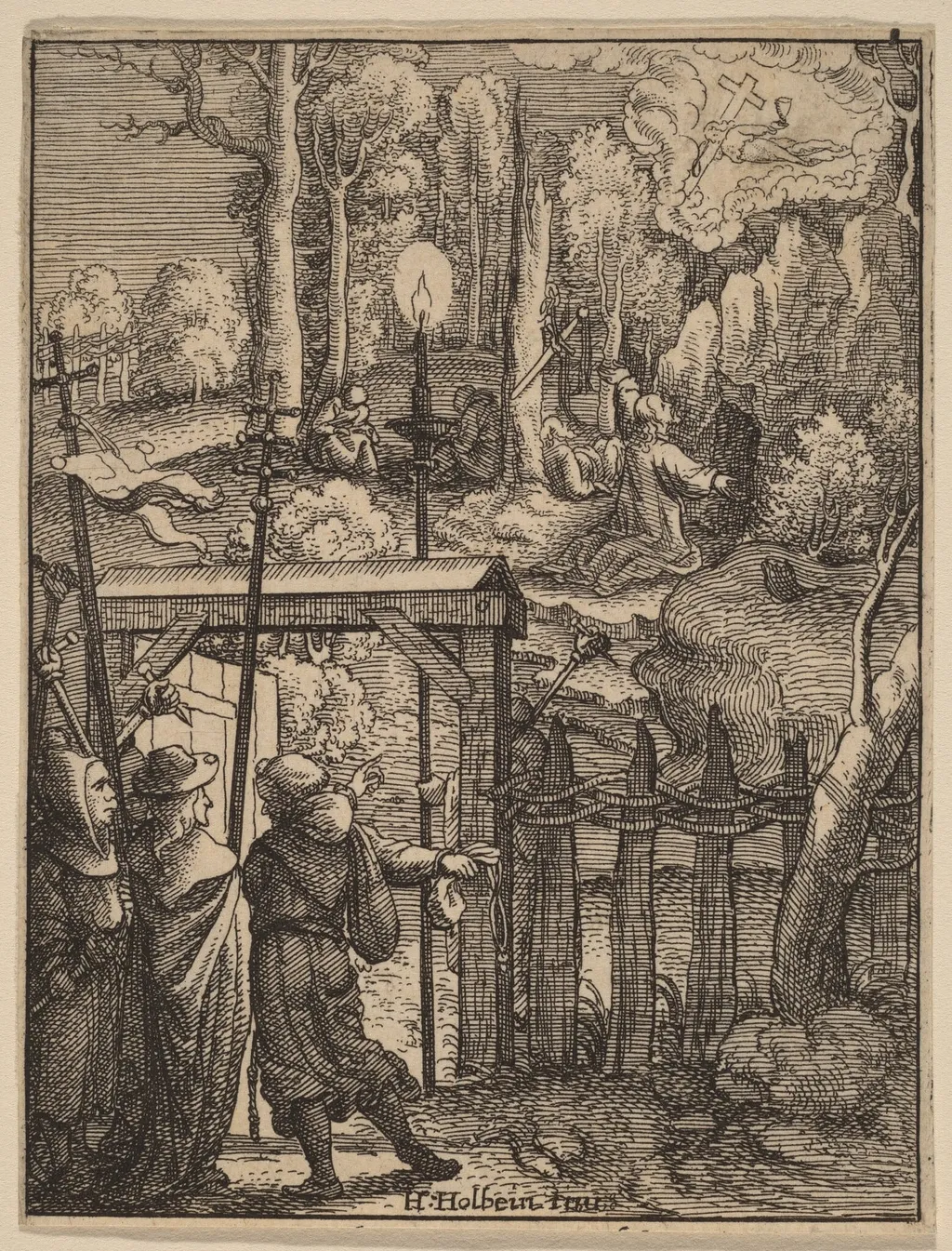
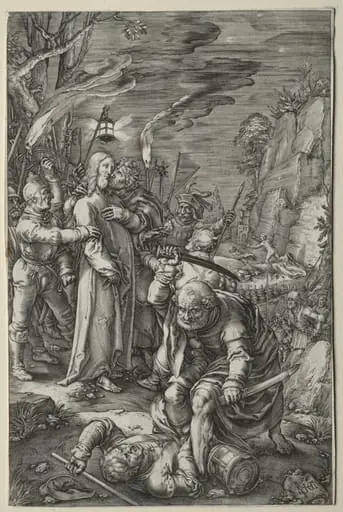
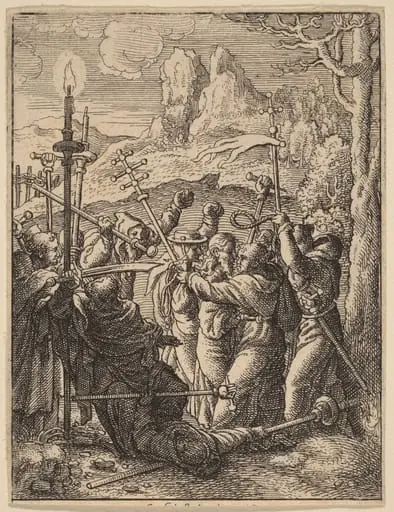
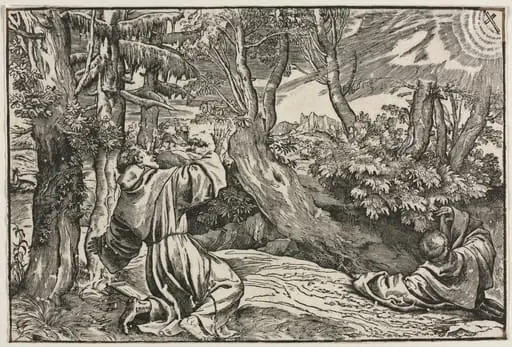
Jesus on the Mount of Olives is an ink print by the Baroque artist Wenceslaus Hollar. It dates from 1642 and is held in the collection of the National Gallery of Art.
About this work
Overview
The work exemplifies his mastery of fine line and texture, adapting his landscape expertise to a biblical narrative with quiet intensity.
Wenceslaus Hollar, a Czech artist active in 17th-century England, produced this etching in 1642. Known primarily for topographical precision, he turned his skill to religious themes during a time when printmaking was widely used for devotional and scholarly purposes. The work exemplifies his mastery of fine line and texture, adapting his landscape expertise to a biblical narrative with quiet intensity.
Subject & Meaning
The scene depicts Christ on the Mount of Olives moments before his arrest, as described in the Gospels. Three disciples, exhausted and withdrawn, sit nearby, their postures conveying spiritual fatigue. The isolation of Christ, framed by rugged terrain and sparse vegetation, underscores his solitude and inner turmoil. The composition invites contemplation of human frailty in the face of divine destiny.
Technique & Style
Hollar employed etching to render intricate details with fine, controlled lines. The rocky terrain, foliage, and drapery are built through dense cross-hatching and delicate stippling, creating depth without color. The figures are rendered with restrained gesture, their forms emerging from the textured ground. The absence of dramatic lighting or exaggerated motion aligns with a sober, introspective Baroque sensibility.
History & Provenance
Created during Hollar’s years in London, the print likely circulated among collectors and clergy interested in religious imagery. Though not widely published, it reflects his broader output of biblical subjects produced for private devotion. Its survival in institutional collections suggests early recognition of its technical merit, even if it never achieved mass popularity.
Context
In the early 1640s, England’s religious and political tensions influenced artistic production. While public religious imagery was restricted, private prints like this one offered a space for quiet reflection. Hollar’s work, though rooted in continental traditions, adapted to English tastes, blending Northern European detail with restrained emotional expression.
Legacy
Hollar’s etching remains a quiet example of devotional printmaking in the Baroque era. It demonstrates how technical precision could serve spiritual narrative without theatricality. Though overshadowed by his urban views, this work illustrates his range and the role of print as a vehicle for personal piety in a turbulent age.
Artist & collection
Artist
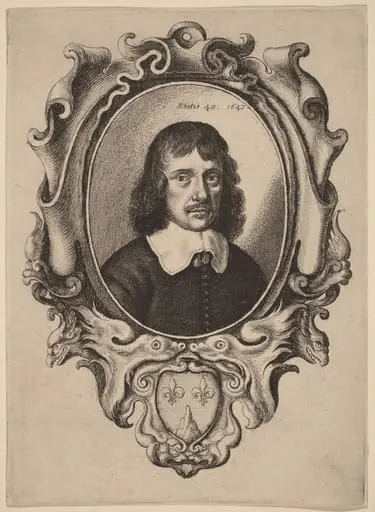
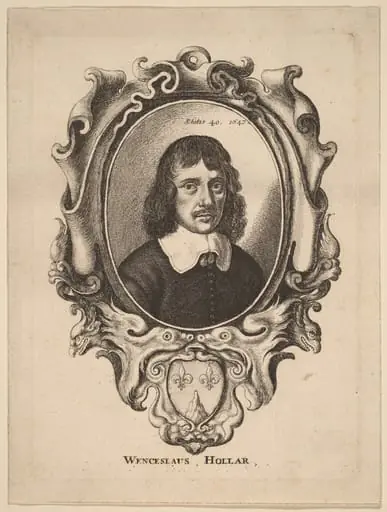
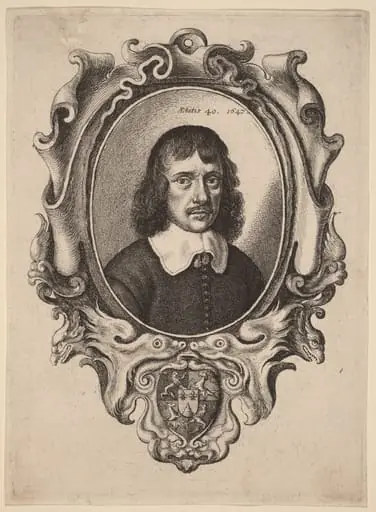
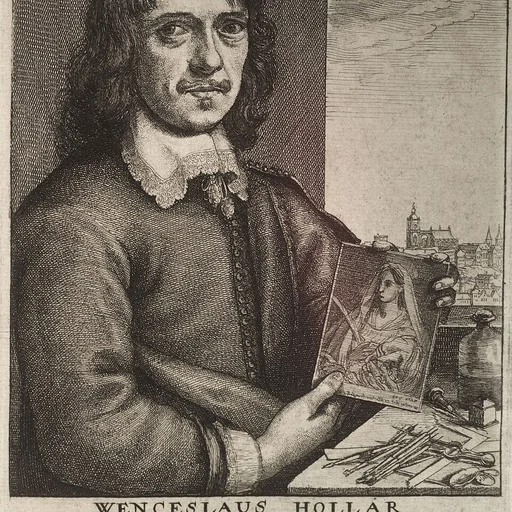
Wenceslaus Hollar (Czech: Václav Hollar (Czech pronunciation: ), German: Wenzel Hollar; 23 July 1607 – 25 March 1677) was a Czech engraver, etcher and painter.