Artwork
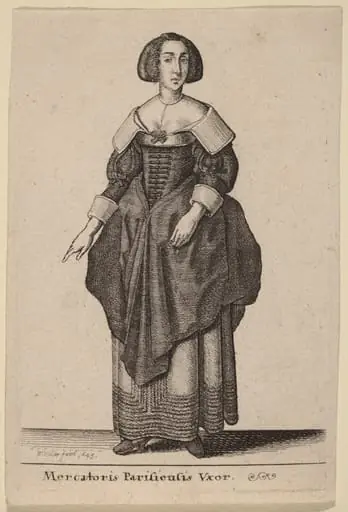
Mercantoris Hanauiensis Vxor
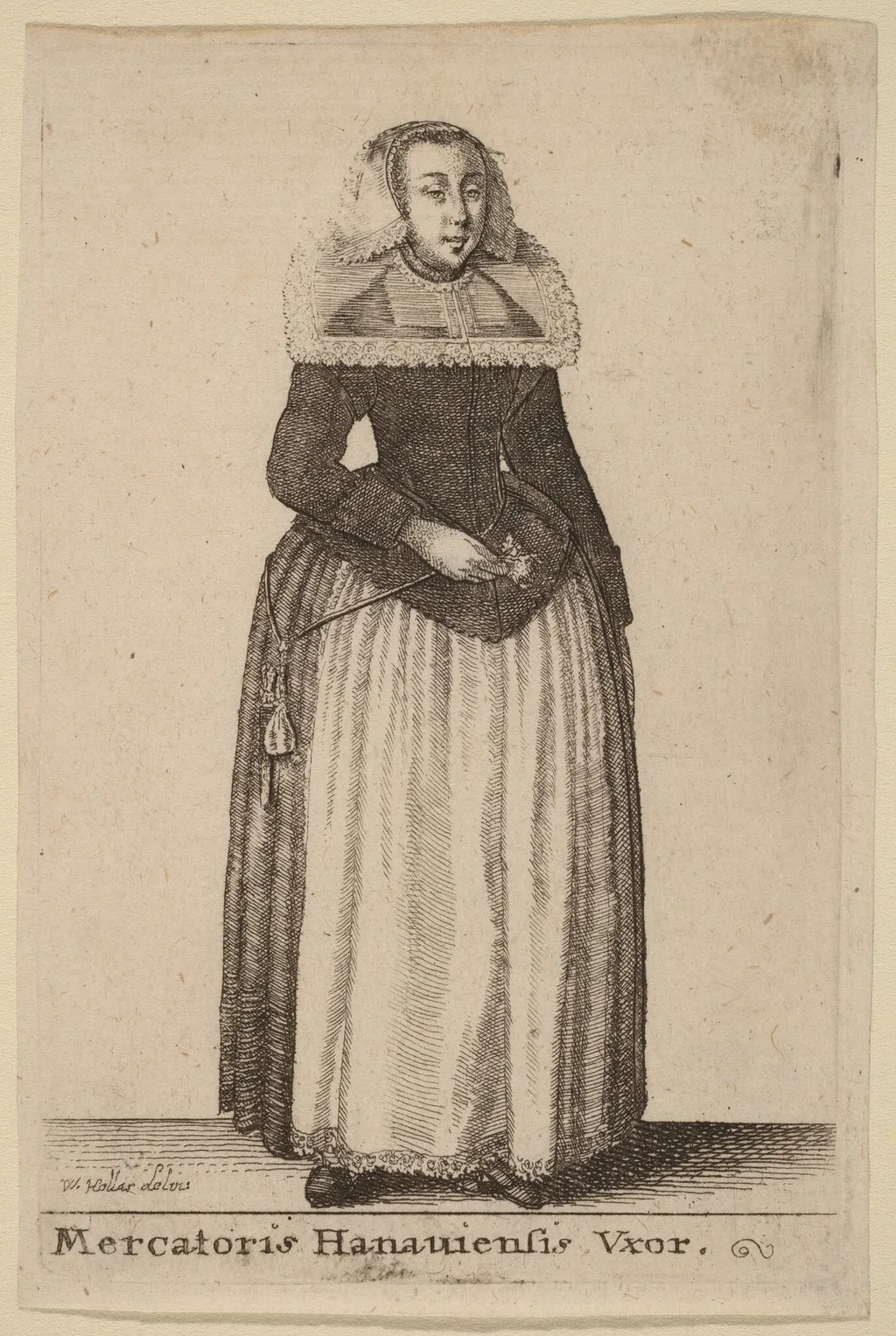
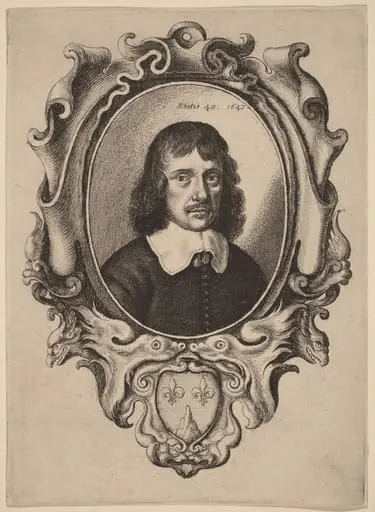
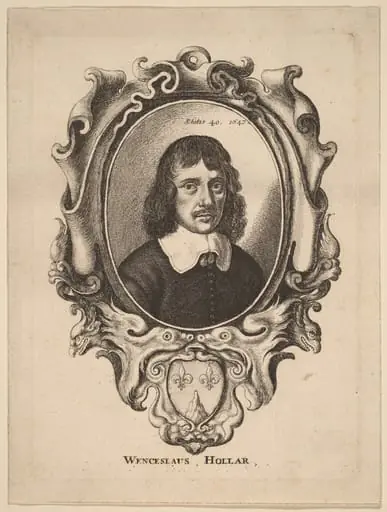
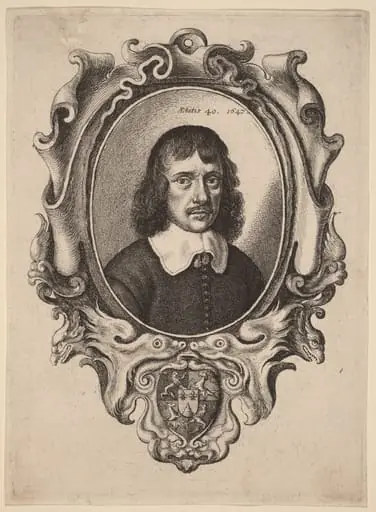
Mercantoris Hanauiensis Vxor is an ink print by the Baroque artist Wenceslaus Hollar. It dates from 1647 and is held in the collection of the National Gallery of Art.
About this work
Overview
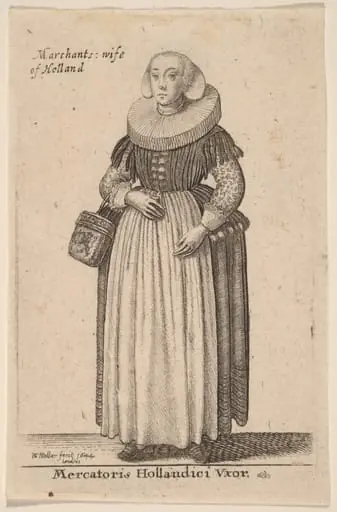
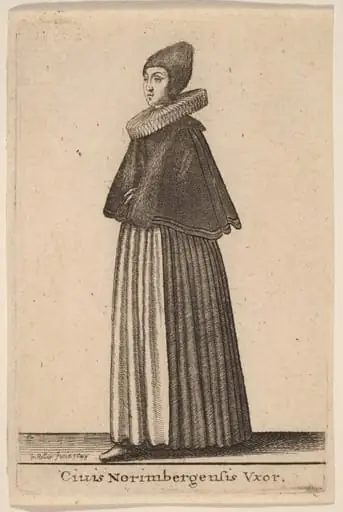
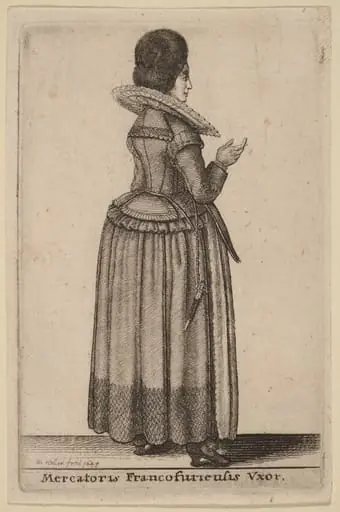
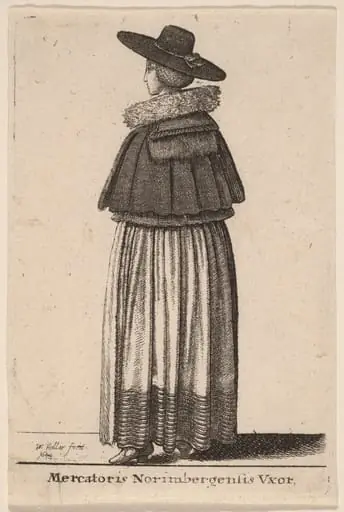
Mercantoris Hanauiensis Vxor is an etching created by Wenceslaus Hollar in 1647. The work is a black-and-white portrait of a woman in traditional attire, characterized by sharp, detailed lines, particularly in the rendering of fabric folds.
Subject & Meaning
The subject is a woman, identified by her attire as possibly of a specific social or geographical background (implied by 'Hanauiensis,' suggesting a connection to the Hanau region). Her clasped hands and straightforward pose convey a sense of solemnity or formality.
Technique & Style
Executed as an etching, the piece showcases Hollar's mastery of this technique, evident in the precise, detailed lines used to depict textures, especially the intricate patterns of her clothing and the white lace ruff.
History & Provenance
Created in 1647 by Wenceslaus Hollar, a Czech engraver and etcher active primarily in England, the work reflects the printmaking standards of the mid-17th century. Hollar's career spanned from his birth in Prague (1607) to his death in London (1677).
Context
While Hollar is renowned for his cityscapes and landscapes, this portrait demonstrates his capability in figurative work, aligning with the broader European printmaking traditions of his time.
Legacy
As part of Hollar's oeuvre, Mercantoris Hanauiensis Vxor contributes to the understanding of 17th-century printmaking techniques and the artist's versatility beyond his more celebrated landscape works.
Artist & collection
Artist
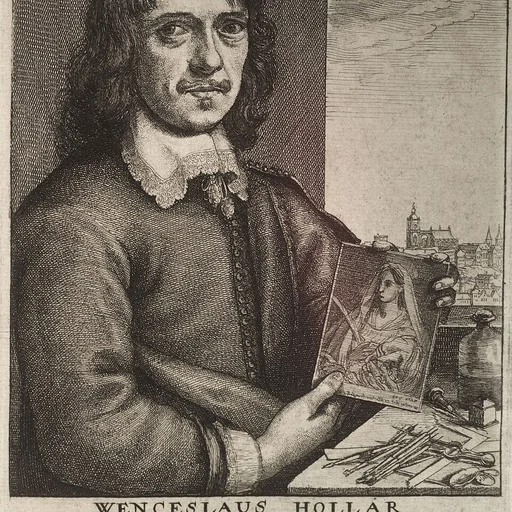
Wenceslaus Hollar (Czech: Václav Hollar (Czech pronunciation: ), German: Wenzel Hollar; 23 July 1607 – 25 March 1677) was a Czech engraver, etcher and painter.