Artwork
Queen Christina
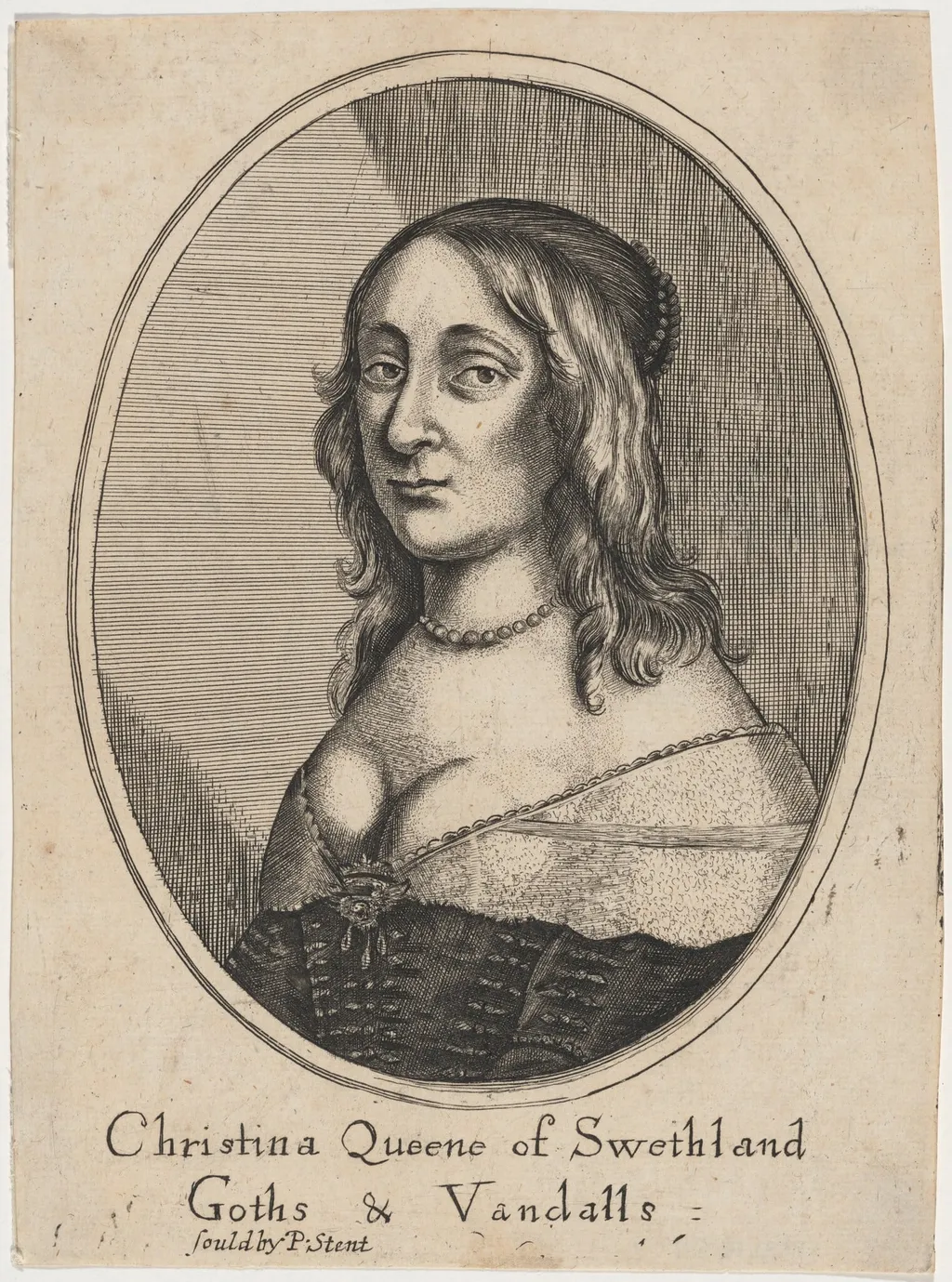
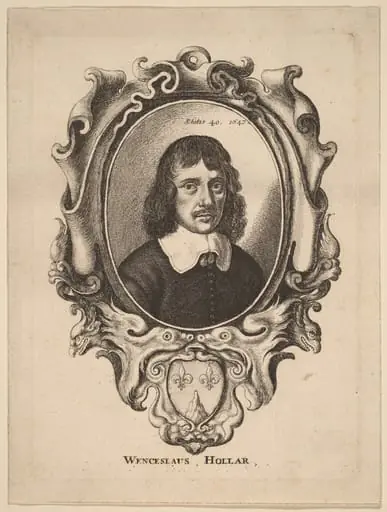
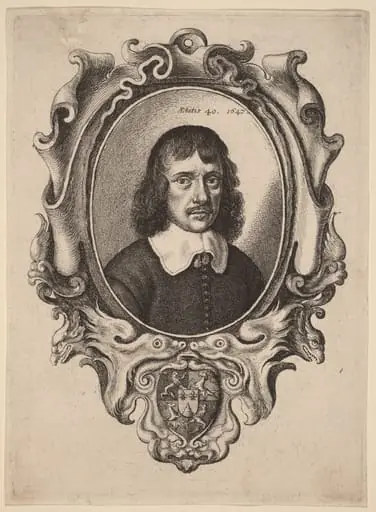
Queen Christina is an ink print by the Baroque artist Wenceslaus Hollar. It dates from 1613 and is held in the collection of the National Gallery of Art.
About this work
Overview
The image is not a contemporary likeness but a stylized representation, possibly based on earlier sources, and bears an archaic spelling in its inscription.
This black-and-white engraving by Wenceslaus Hollar portrays Queen Christina of Sweden, executed in the early 1630s during the artist’s formative years. Though Hollar would later gain recognition for topographical works in London, this portrait reflects his emerging skill in fine-line detail. The image is not a contemporary likeness but a stylized representation, possibly based on earlier sources, and bears an archaic spelling in its inscription.
Subject & Meaning
The portrait presents Queen Christina as a sovereign figure, her composed expression and regal attire signaling authority. The pearl necklace and high ruffled collar align with early 17th-century Northern European court dress, while the plain background eliminates distraction, emphasizing her presence. The inscription’s outdated spelling suggests the image may have been intended for symbolic rather than documentary purposes, reinforcing her status through tradition rather than accuracy.
Technique & Style
Hollar employed fine, controlled engraving lines to model the queen’s facial features and texture of fabric. Subtle shading defines the contours of her cheeks and the folds of her collar, while the wavy hair is rendered with delicate, flowing strokes. The absence of color and the precision of the lines reflect the engraver’s reliance on tonal variation and line weight to convey depth and materiality, typical of the medium before the advent of lithography.
History & Provenance
Created shortly before Hollar’s move to England, the print likely originated in continental Europe, possibly as a commissioned or commercial portrait. Its dated inscription and stylistic choices suggest it was produced before Christina’s public prominence in the 1640s. The work may have circulated among collectors or diplomats interested in Scandinavian royalty, though no definitive early provenance has been established.
Context
During the 1630s, Queen Christina was a young monarch navigating a male-dominated political sphere, and her image was carefully managed to project legitimacy. Engravings like this one served as tools of political representation, circulating her likeness across Europe. Hollar’s version, though not a direct portrait, aligns with a broader trend of using print to disseminate royal imagery in an era before photography.
Legacy
This engraving stands as an early example of Hollar’s technical precision and his engagement with portraiture before he became known for topographical subjects. While not widely reproduced, it remains a rare visual record of how Christina was visually framed in her youth. It also illustrates the role of printmakers in shaping public perception of European rulers during the early modern period.
Artist & collection
Artist
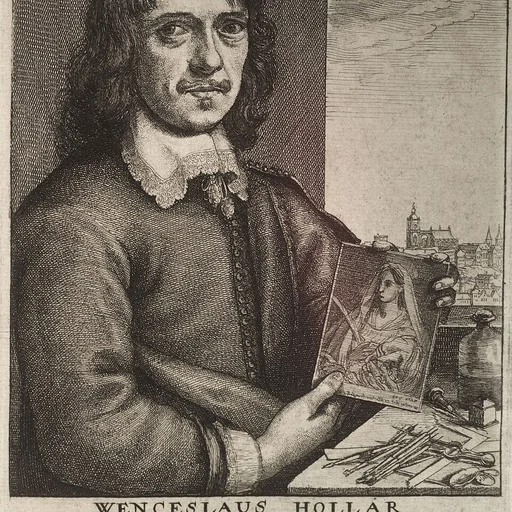
Wenceslaus Hollar (Czech: Václav Hollar (Czech pronunciation: ), German: Wenzel Hollar; 23 July 1607 – 25 March 1677) was a Czech engraver, etcher and painter.


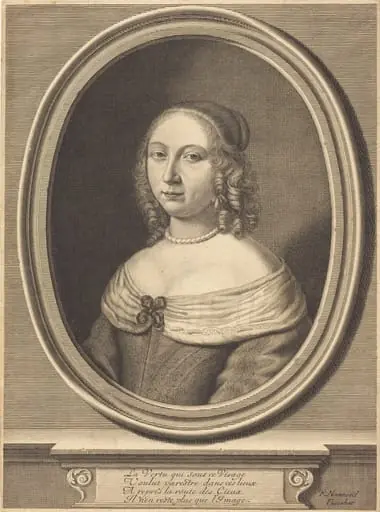 Madame de Gillier
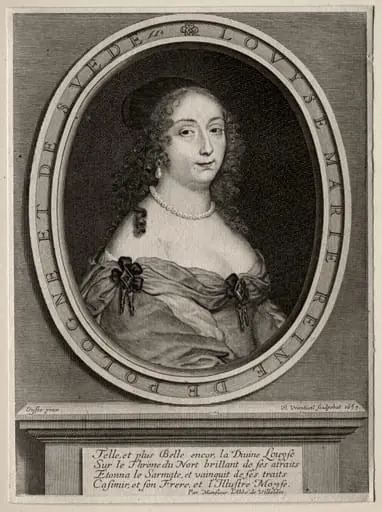 Marie Louise de Gonzague, Reine de Pologne
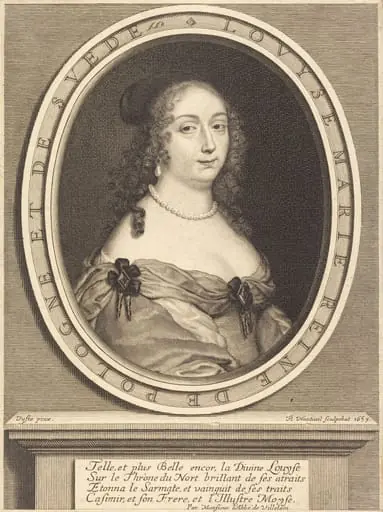 Louis-Marie, Queen of Poland
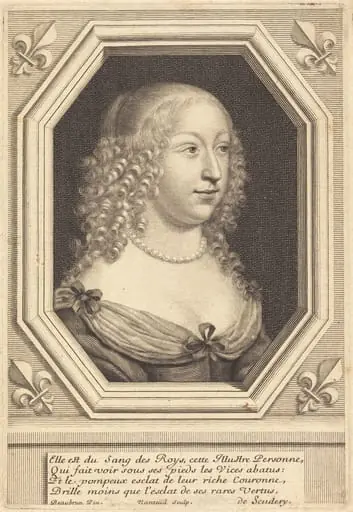 Marie d'Orléans-Longueville, Duchesse de Nemours
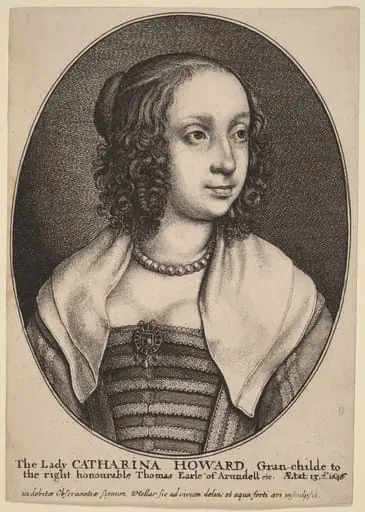 Lady Catherine Howard
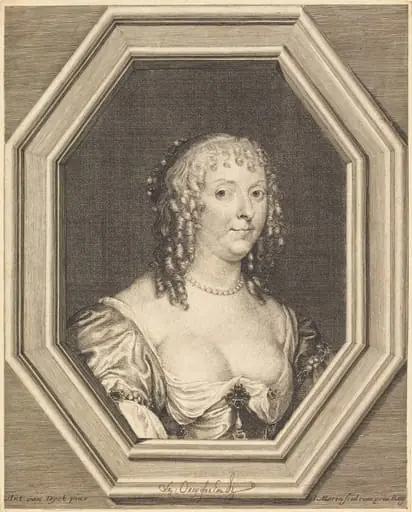 Anne Sophie Herbert, comtesse de Carnarvon
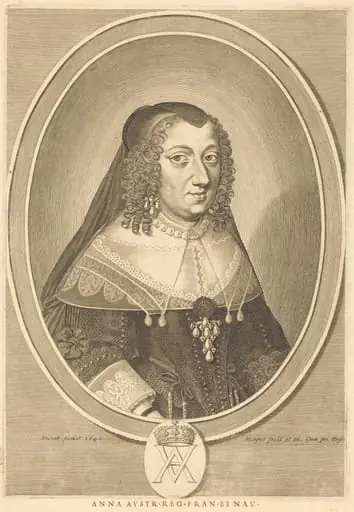 Anne of Austria
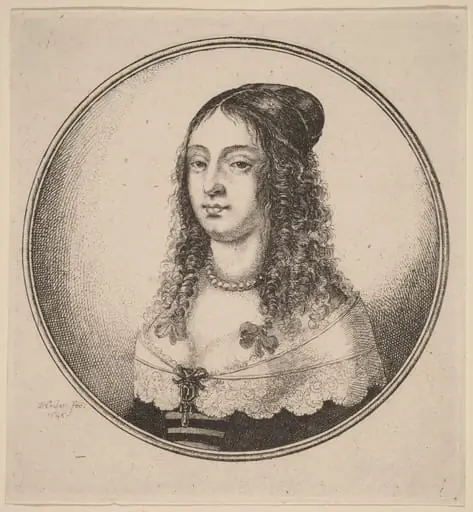 Lady with Ribbons on Curls
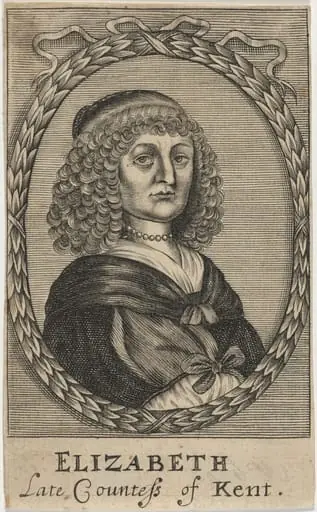 Elizabeth Talbot, Countess of Kent, Authoress
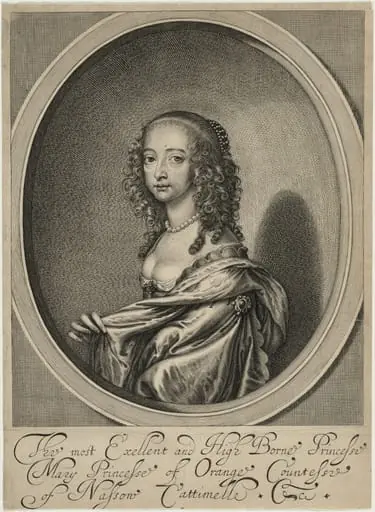 Mary, Princess of Orange