Artwork
Louis-Marie, Queen of Poland
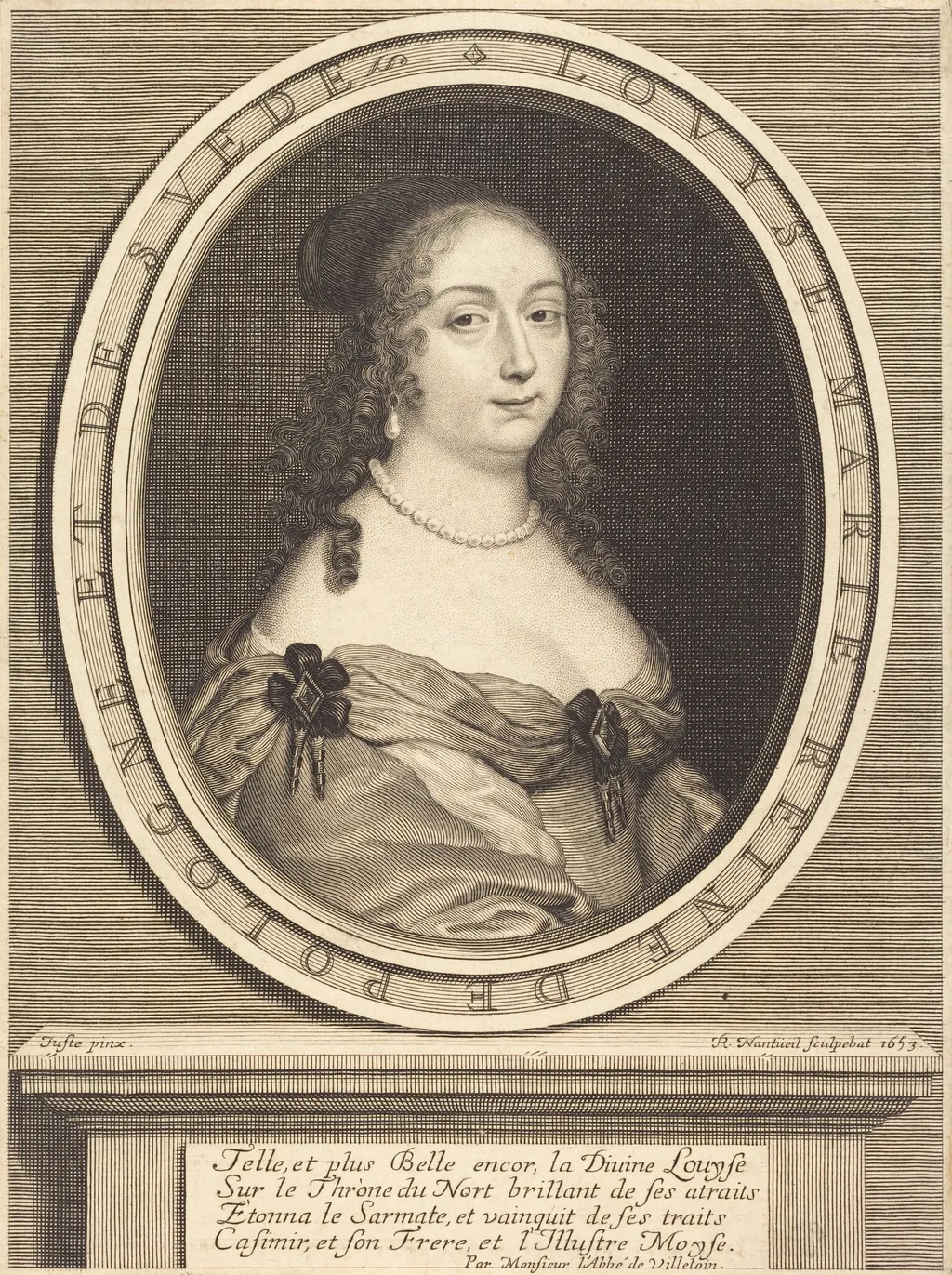
Louis-Marie, Queen of Poland is an ink print by the Baroque artist Robert Nanteuil. It dates from 1653 and is held in the collection of the National Gallery of Art.
About this work
Overview
This 1653 engraving by Robert Nanteuil portrays a royal woman identified as Louis-Marie, Queen of Poland. Executed in fine line work on paper, the piece is an oval portrait typical of Nanteuil’s courtly output. The composition emphasizes elegance and restraint, with the subject rendered in precise detail against a dark, unobtrusive background that heightens her presence.
Subject & Meaning
The sitter is depicted in formal attire befitting her royal status, wearing a light-colored gown with a decorative bow and a pearl necklace.
The sitter is depicted in formal attire befitting her royal status, wearing a light-colored gown with a decorative bow and a pearl necklace. Her gaze, directed to the right, conveys quiet dignity rather than direct engagement. The portrait functions as a symbol of aristocratic identity, aligning with the conventions of early modern European portraiture that prioritized lineage and composure over individual expression.
Technique & Style
Nanteuil employed fine engraving lines and cross-hatching to model form and texture, particularly in the folds of fabric and the curl of hair. The dark background isolates the figure, enhancing the luminosity of her dress and jewelry. His meticulous hand reflects the precision demanded by court commissions, where clarity and refinement were essential to conveying status through print.
History & Provenance
Created during Nanteuil’s tenure as a favored portraitist at the French royal court, the engraving was likely produced for diplomatic or familial circulation. Though the identity of Louis-Marie remains historically contested, the work reflects the transnational networks of European royalty in the mid-seventeenth century, where portraiture served political and dynastic purposes.
Context
The portrait emerges within the broader Baroque tradition of refined graphic art, where engravings circulated widely among elites as tokens of status. Nanteuil’s style, influenced by Flemish and Italian precedents, aligned with French courtly ideals of decorum. Such prints were often collected or gifted, reinforcing alliances through visual representation rather than direct contact.
Legacy
Nanteuil’s engravings, including this one, established a standard for royal portraiture in print during the reign of Louis XIV. His technical mastery influenced generations of French graphic artists. While the specific identity of the sitter may remain ambiguous, the work endures as an example of how print media mediated the visibility of European nobility beyond the palace walls.
Artist & collection
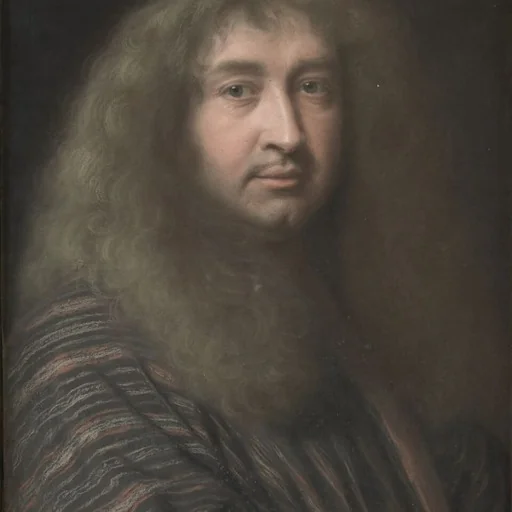
Artist
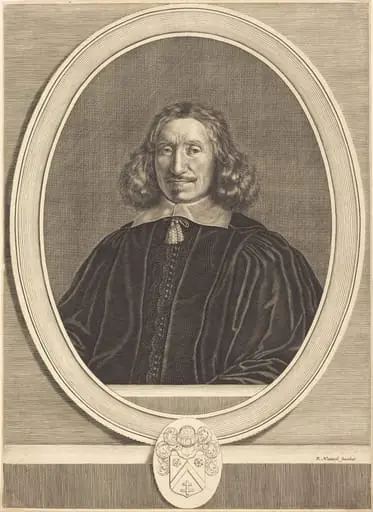
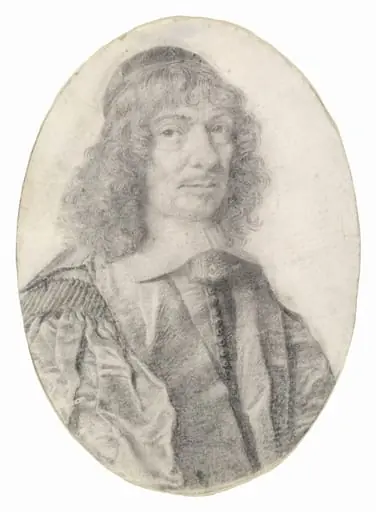
Robert Nanteuil (French pronunciation: ; 1623 – 9 December 1678) was a French portrait artist: engraver, draughtsman and pastellist to the court of Louis XIV.

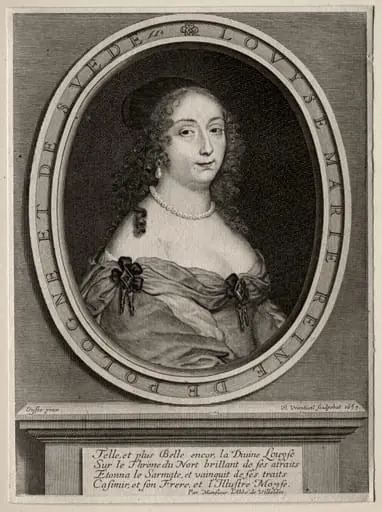 Marie Louise de Gonzague, Reine de Pologne
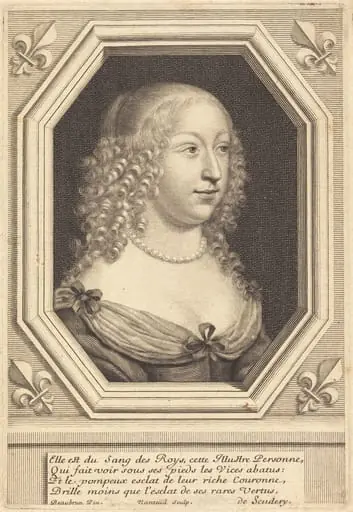 Marie d'Orléans-Longueville, Duchesse de Nemours
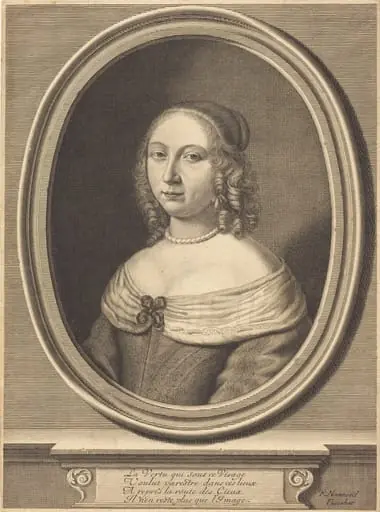 Madame de Gillier
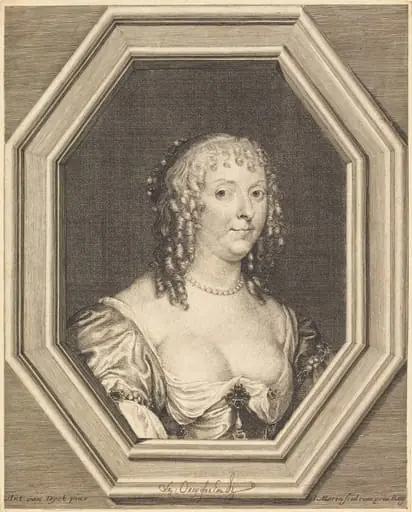 Anne Sophie Herbert, comtesse de Carnarvon
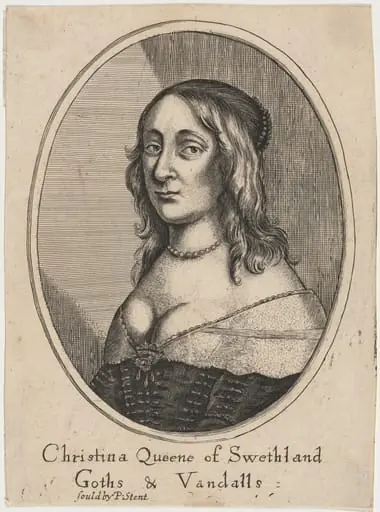 Queen Christina
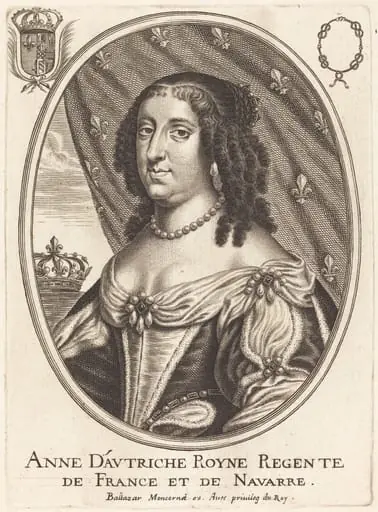 Anne of Austria
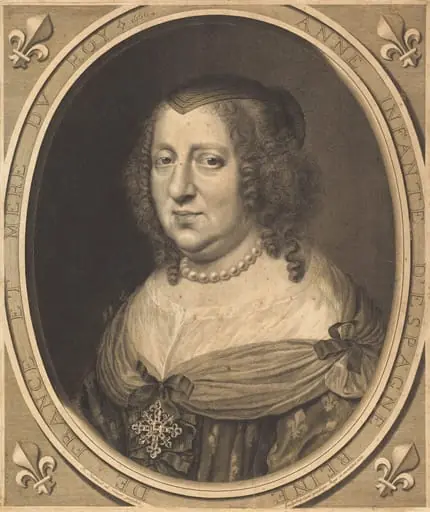 Anne of Austria, Queen of France and Navarre
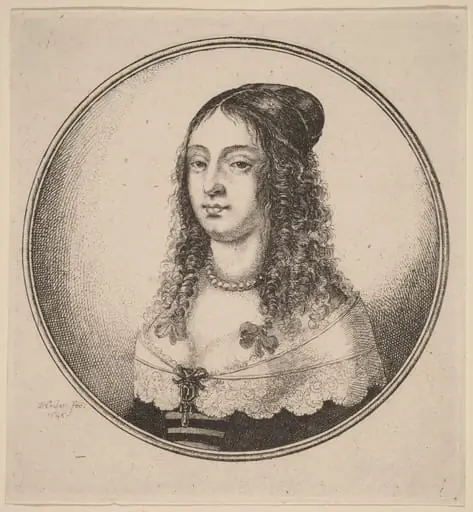 Lady with Ribbons on Curls
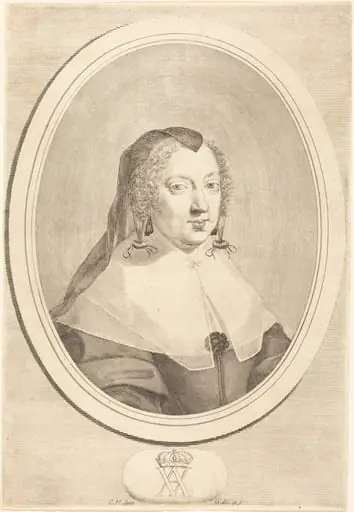 Anne of Austria
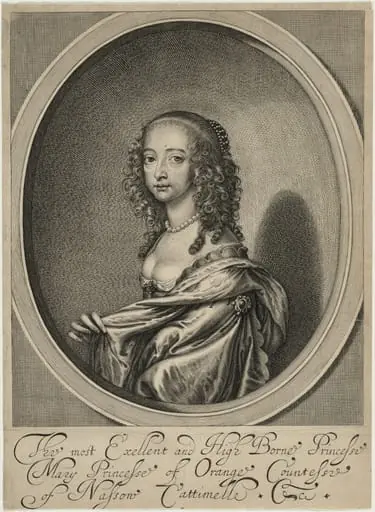 Mary, Princess of Orange
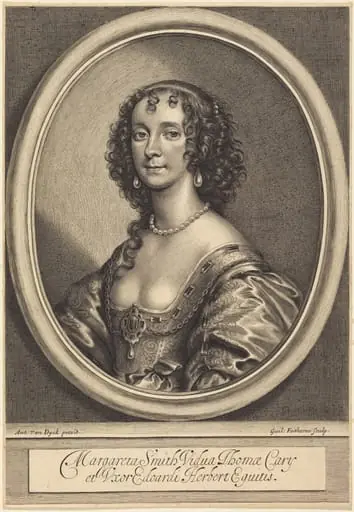 Margaret Smith
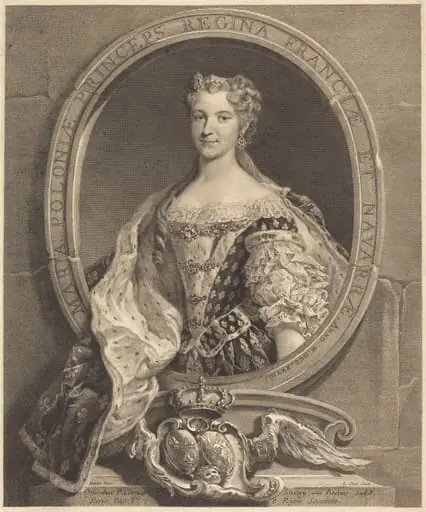 Marie Leszczynska of Poland, Queen of France