Artwork
Frederick of Bohemia
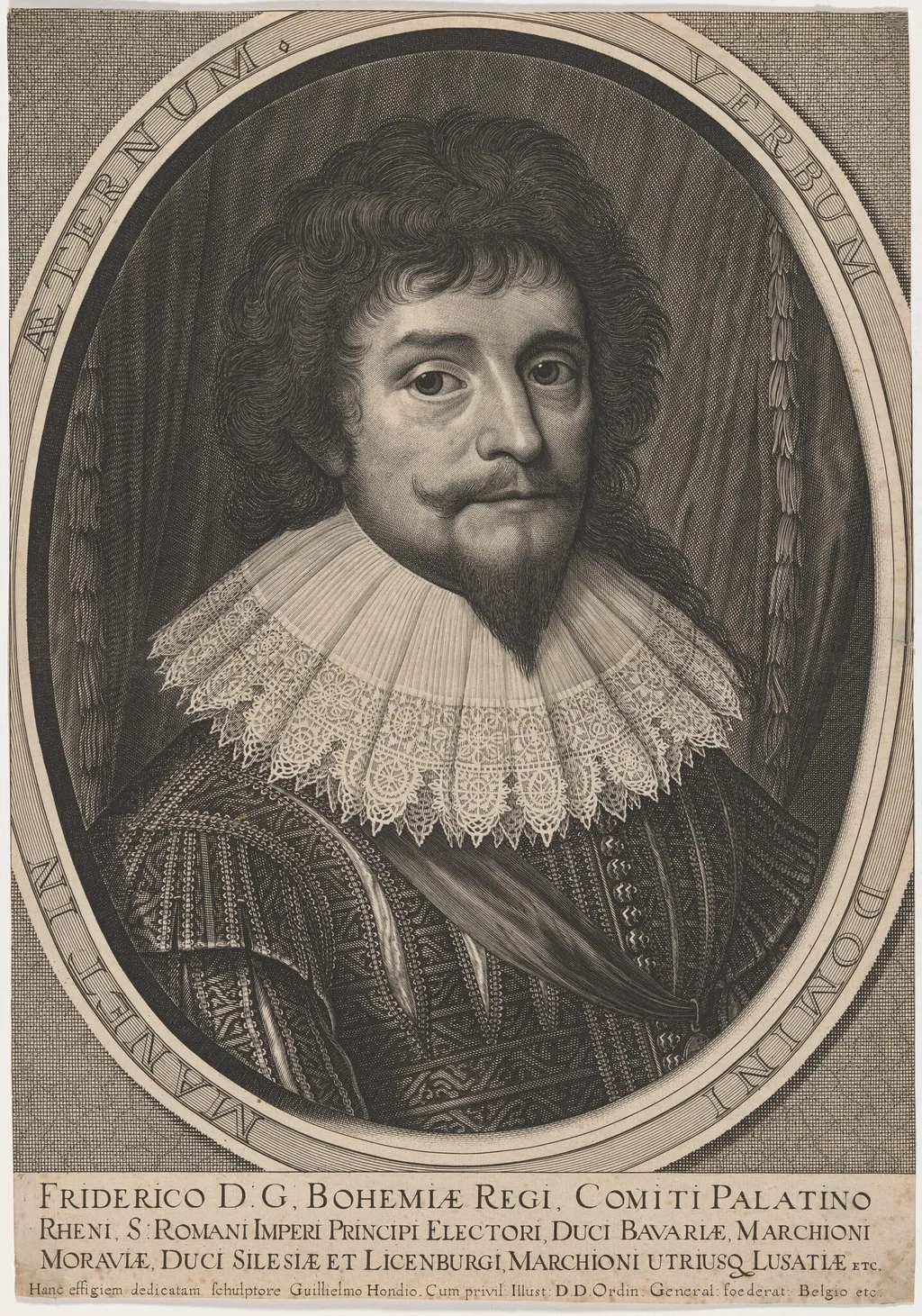
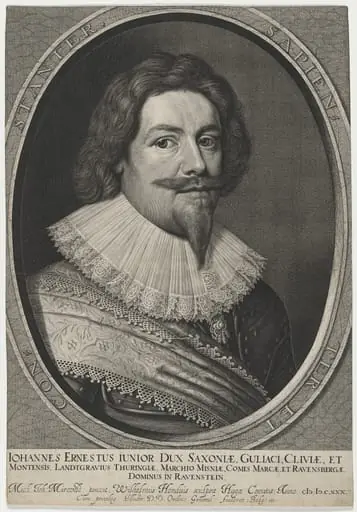
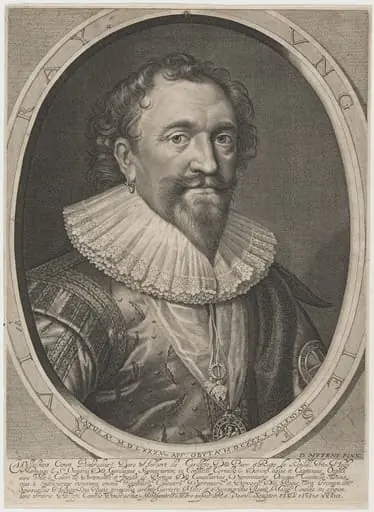
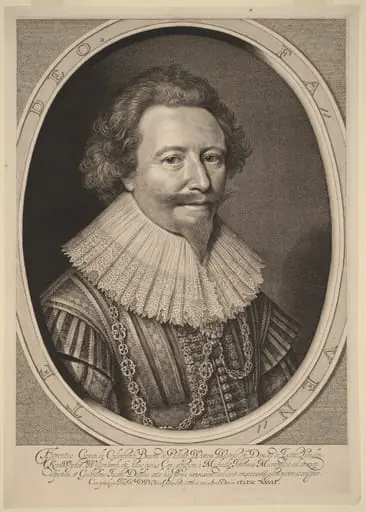
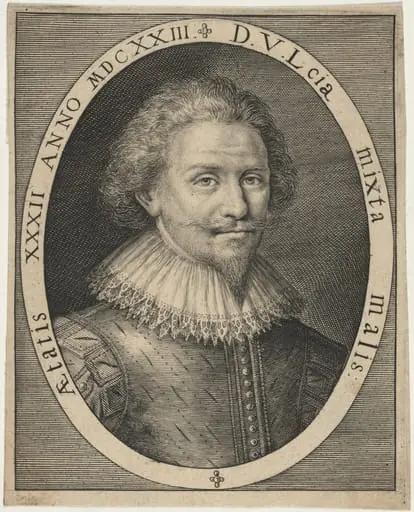
Frederick of Bohemia is an ink print by the Renaissance artist Willem Hondius. It dates from 1628 and is held in the collection of the National Gallery of Art.
About this work
Overview
Frederick of Bohemia is a 1628 engraving by Willem Hondius, a Dutch engraver and cartographer active in Poland. The portrait depicts Frederick V, Elector Palatine, a key figure in the early Thirty Years' War, emphasizing his prominent titles such as King of Bohemia and Count Palatine.
Subject & Meaning
The engraving focuses on Frederick V, highlighting his authority through listed titles (King of Bohemia, Count Palatine) and a somber, dignified demeanor. The plain background underscores his individual importance.
Technique & Style
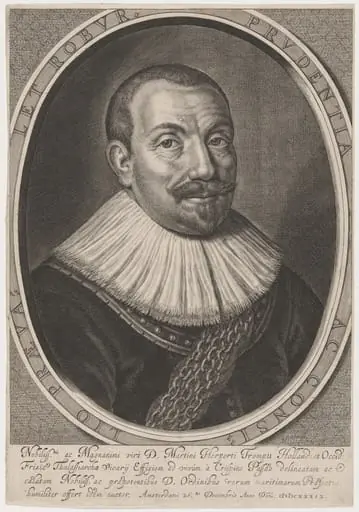
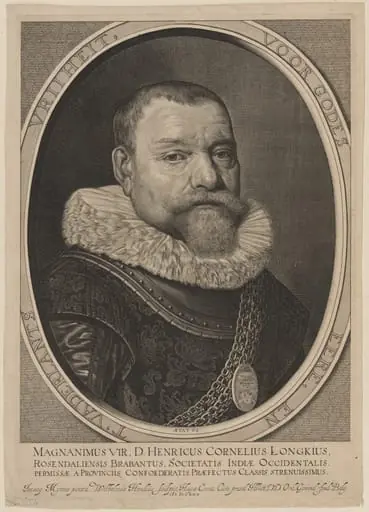
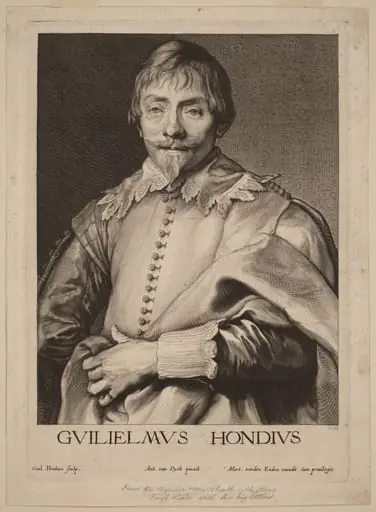
Executed in black and white, the engraving features meticulous lines, shading, and a high level of detail, characteristic of traditional engraving techniques. The style appears somewhat antiquated, reflecting early 17th-century portraiture conventions.
History & Provenance
Created in 1628 by Willem Hondius in Danzig (Gdańsk), where he primarily worked, producing prints and maps. Hondius, born circa 1598 in The Hague, was a prominent figure in Polish artistic circles during this period.
Context
The work is situated within the tumultuous backdrop of the Thirty Years' War, in which Frederick V played a significant role in its initial stages. The engraving likely served to disseminate or commemorate his image during this time.
Legacy
While specific long-term impacts of *Frederick of Bohemia* are not detailed, it contributes to the historical record of Frederick V's visual representation and showcases Hondius's engraving skill, reflecting the artistic and informational practices of its era.
Artist & collection
Artist
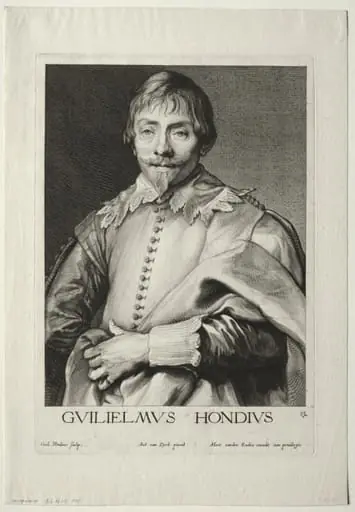
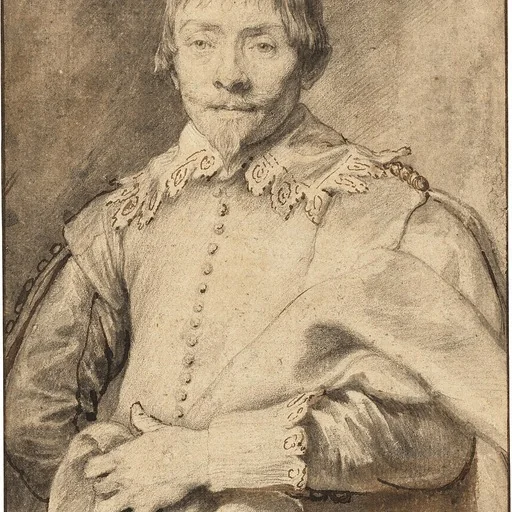
Willem Hondius or Willem Hondt (c. 1598 in The Hague – 1652 or 1658 in Danzig (Gdańsk)) was a Dutch engraver, cartographer and painter who spent most of his life in Poland.