Artwork
William, Earl of Pembroke
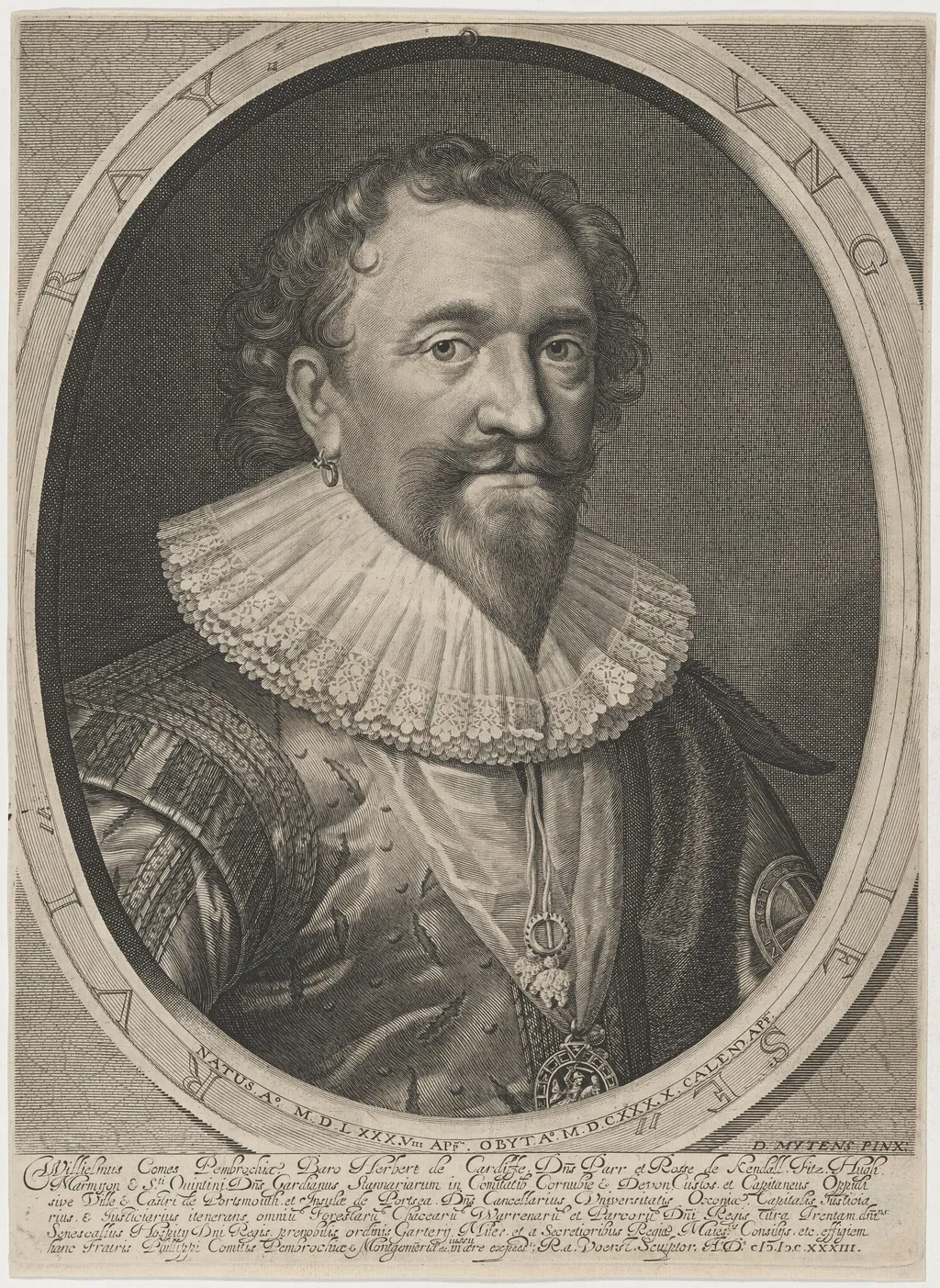
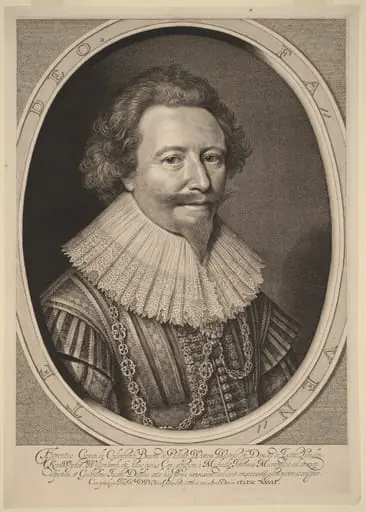
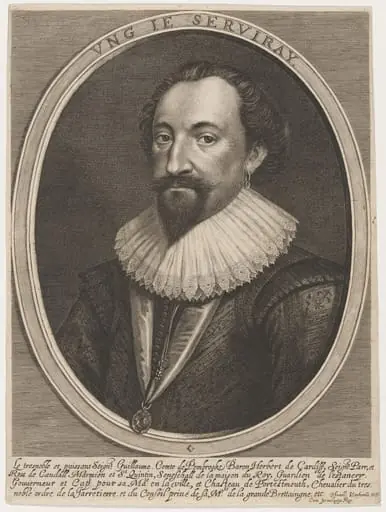
William, Earl of Pembroke is an ink print by the Renaissance artist Robert van Voerst. It dates from 1616 and is held in the collection of the National Gallery of Art.
About this work
Overview
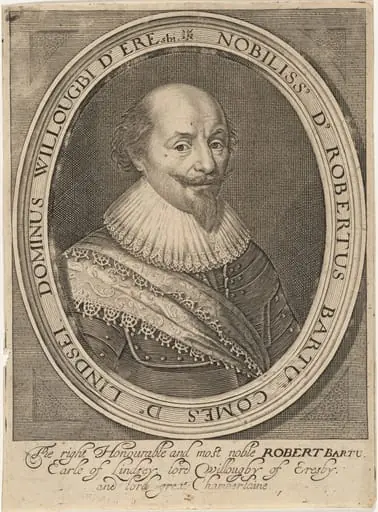
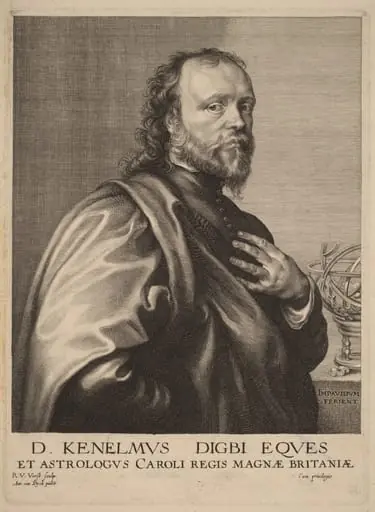
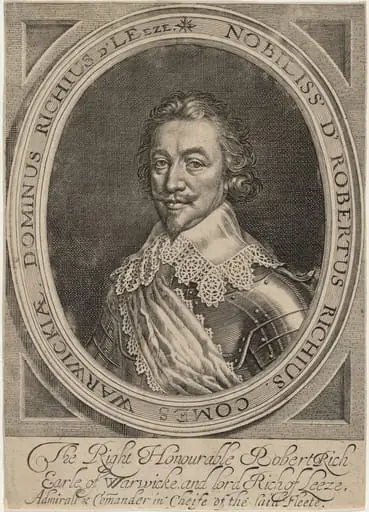
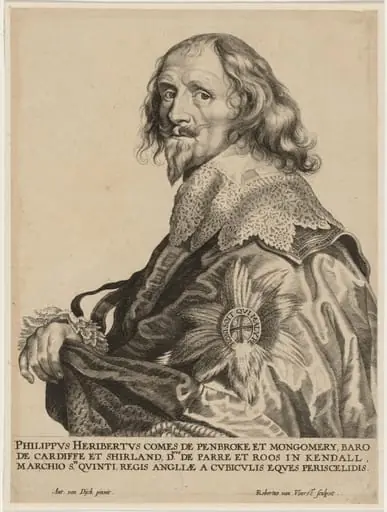
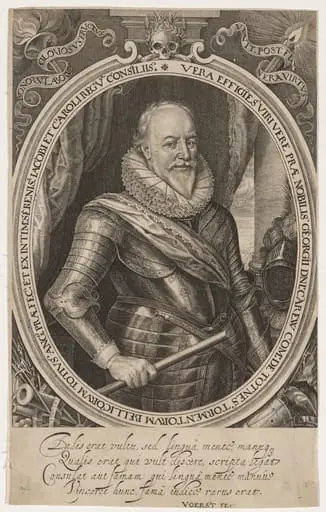
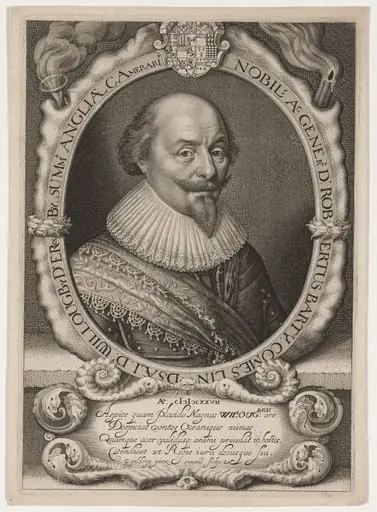
Robert van Voerst’s 1616 engraving presents William, Earl of Pembroke, in a formal, monochrome portrait. The composition isolates the sitter against an unadorned backdrop, drawing attention to his dignified expression, elaborate ruff, and a chain that may signify a medal or order. The work exemplifies early‑17th‑century print portraiture, emphasizing status through costume and restrained detail.
Subject & Meaning
The figure depicted is William Herbert, 3rd Earl of Pembroke, a prominent English nobleman and patron of the arts. His solemn gaze and meticulously rendered attire convey authority and refinement, reflecting the social expectations of aristocratic portraiture in the Jacobean period. The inclusion of the chain suggests recognition or affiliation with a chivalric order.
Technique & Style
Executed on a copper plate, the engraving employs fine cross‑hatching and parallel lines to model light, shadow, and texture. Van Voerst’s hand is evident in the delicate rendering of the beard, ruff, and chain, while the plain background underscores the sitter’s features. The black‑and‑white tonal range demonstrates the precision achievable in early modern intaglio.
History & Provenance
Created in 1616, the print was likely produced for distribution among the Earl’s circle or as a commemorative image. Robert van Voerst, a Dutch engraver active in England, frequently reproduced portraits of court figures, suggesting the work may have been commissioned by or for the Pembroke household. Surviving copies are held in several European print collections.
Context
The engraving belongs to a broader tradition of portrait prints that circulated among the English elite during the reign of James I. Such images functioned as visual affirmations of lineage and loyalty, and they often accompanied painted portraits or served as stand‑alone representations in private galleries.
Legacy
While not as widely reproduced as later portrait engravings, van Voerst’s depiction of the Earl contributes to the visual record of early 17th‑century English nobility. It provides scholars with insight into contemporary fashion, engraving techniques, and the role of printed portraiture in reinforcing aristocratic identity.
Artist & collection