Artwork
Dreaming that she won the big gold bar
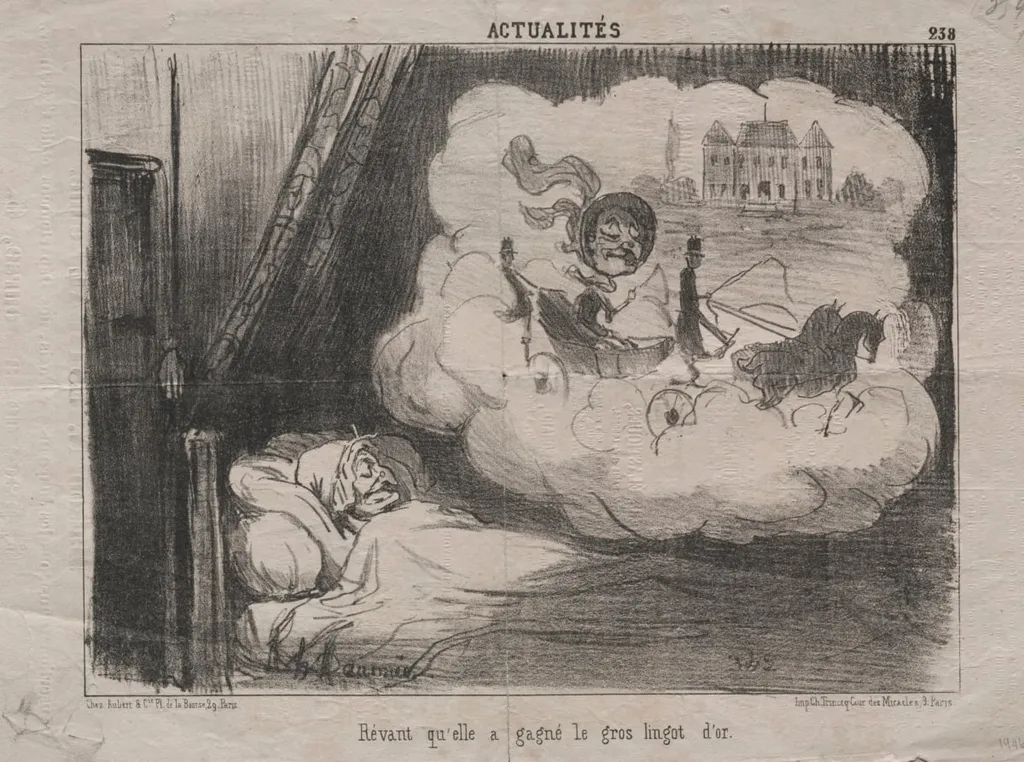
Dreaming that she won the big gold bar is a print by the Impressionist artist Honoré Daumier. It dates from 1851 and is held in the collection of the Cleveland Museum of Art. Created in 1851 for the Parisian satirical newspaper Le Charivari, this lithograph is part of a daily series titled News of the Day.
About this work
This print shows a tired woman asleep at a table, her head resting on her arms.
This print shows a tired woman asleep at a table, her head resting on her arms. A giant gold bar floats above her, glowing bright in the dark room. A small lamp lights her face, leaving everything else in shadow.
Daumier made this for a Paris newspaper. It mocks people who dream of sudden wealth instead of real change. The gold bar looks fake, too big to be real.
This print appeared in 1851, during hard times in France. Look up Honoré Daumier.
Overview
Created in 1851 for the Parisian satirical newspaper Le Charivari, this lithograph is part of a daily series titled News of the Day. It depicts a woman in deep sleep, her exhaustion visible as she rests her head on a table. Above her, an exaggerated gold bar glows with an unnatural brightness, contrasting sharply with the dim, shadowed room. The image functions as a quiet critique of escapist fantasies during a period of economic hardship.
Subject & Meaning
The woman, worn down by daily labor, dreams not of freedom or justice but of sudden riches. The oversized, unreal gold bar symbolizes the illusion of easy wealth, a fantasy promoted by lotteries and speculative schemes. Daumier contrasts her physical fatigue with the fantastical glow of the bar, suggesting that such dreams distract from the need for systemic reform. The scene is not comic but somber, revealing the psychological toll of poverty.
Technique & Style
Daumier employed lithography to achieve stark tonal contrasts: a single lamp illuminates the woman’s face while the rest of the room sinks into deep shadow. The gold bar, rendered with sharp, glowing lines, appears almost spectral, defying physical logic. His brushwork is economical, focusing on posture and light to convey emotion. The absence of detail in the background heightens the isolation of the figure and the surreal intrusion of the bar.
History & Provenance
The print was published on October 27, 1851, as plate 238 in Le Charivari’s ongoing series. It emerged during the early months of Louis-Napoléon Bonaparte’s consolidation of power, a time when economic distress and political repression were widespread. Daumier’s work was regularly censored, yet this image slipped through as a veiled commentary. Its survival in institutional collections reflects its enduring resonance as social observation.
Context
France in 1851 was marked by unemployment, food shortages, and the erosion of republican ideals following the 1848 revolution. The promise of quick wealth through lotteries and speculation grew popular among the poor, even as real wages declined. Daumier, long critical of social inequality, used his art to expose the false allure of such dreams. This image speaks to a population caught between despair and delusion.
Legacy
Daumier’s lithograph remains a quiet but potent example of 19th-century social critique. Its understated imagery—lacking overt caricature—gives it a timeless quality. Later artists and illustrators drew from its use of light and psychological tension to depict economic alienation. Today, it is studied not for its humor but for its empathy and its unflinching portrayal of aspiration under duress.
Artist & collection
Artist
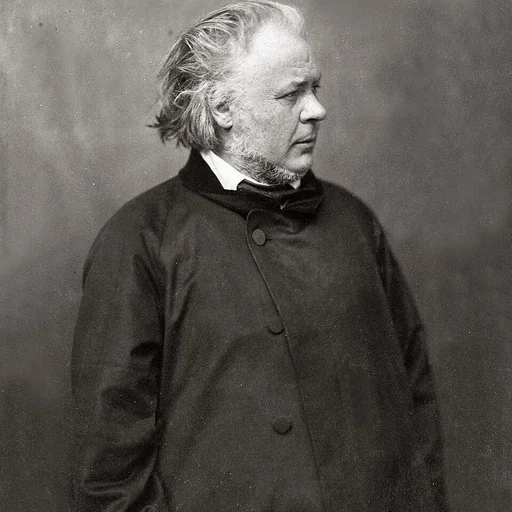
Honoré-Victorin Daumier was a French painter, sculptor, and printmaker, whose many works offer commentary on the social and political life in France, from the Revolution of 1830 to the fall of the Second French Empire in 1870.

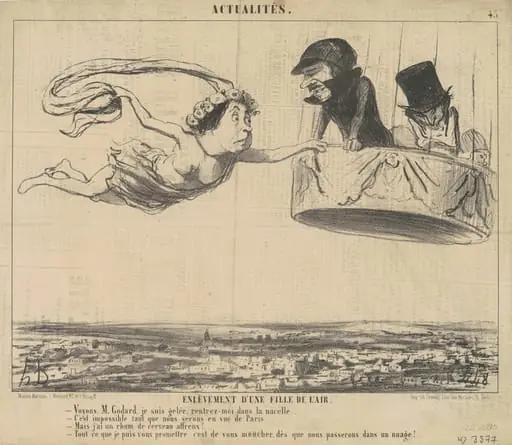 Enlèvement d'une fille de l'air
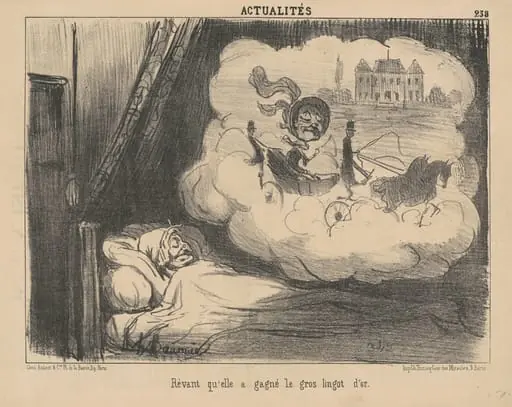 Rêvant qu'elle a gagné le gros lingot d'or.
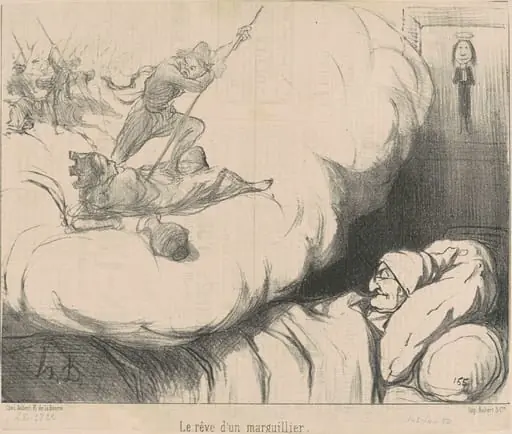 Le rêve d'un marguillier
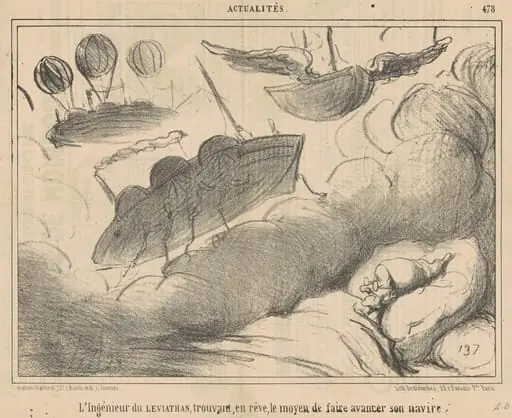 L'ingénieur du Leviathan trouvant, en rève ...
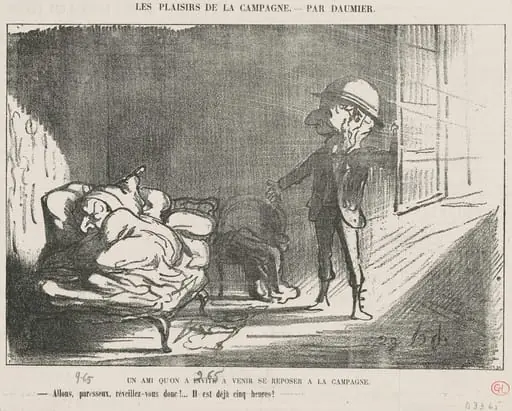 Un ami qu'on a invité ...
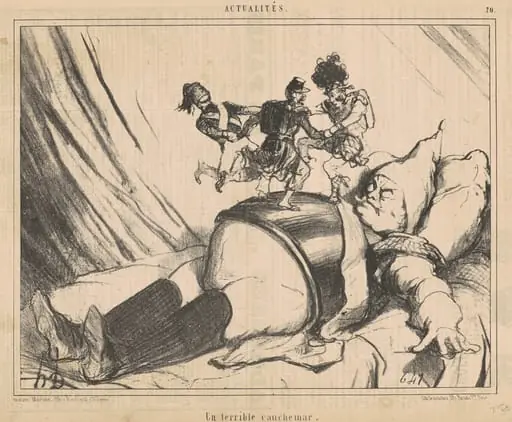 Un terrible cauchemar
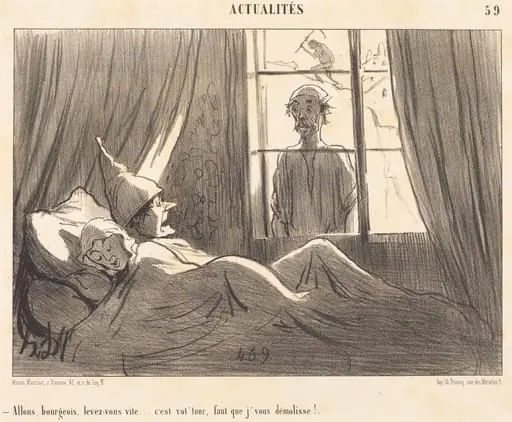 Allons bourgeois, levez-vous vite...
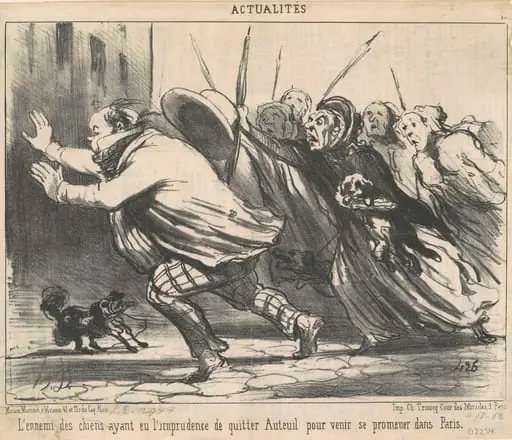 L'ennemi des chiens ayant eu l'imprudence ...
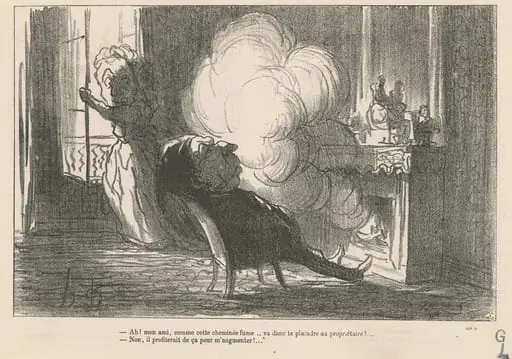 Ah! ... Comme cette cheminé fume ...
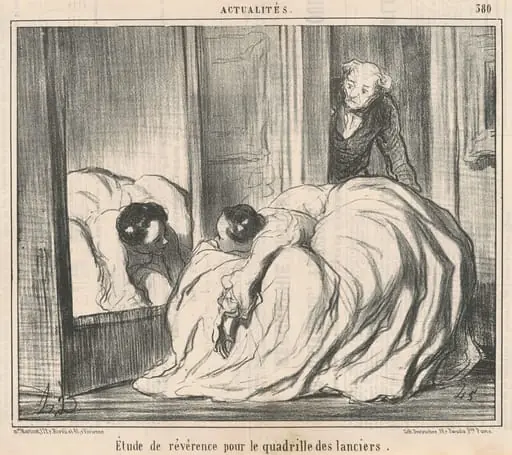 Etude de révérence pour le quadrille des lanciers
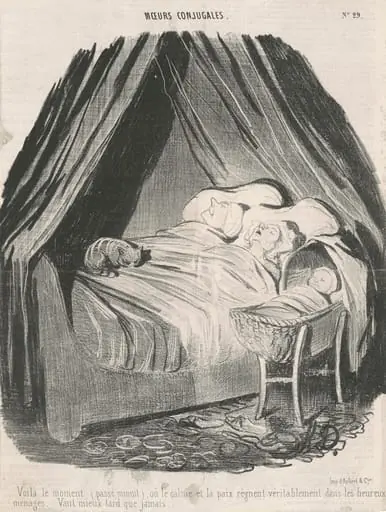 Voilà le moment (passé minuit) o∙ le calme et la paix règnent véritablement dans les heureux ménages. Vaut mieux tard que jamais.
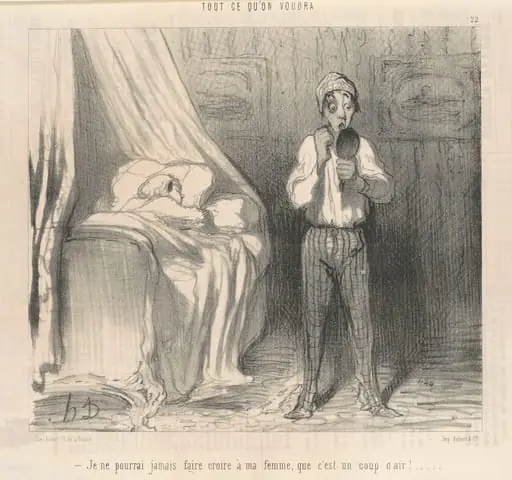 Je ne pourrai jamais faire croire a ma femme ...