Artwork
The Mother of the Gracchi
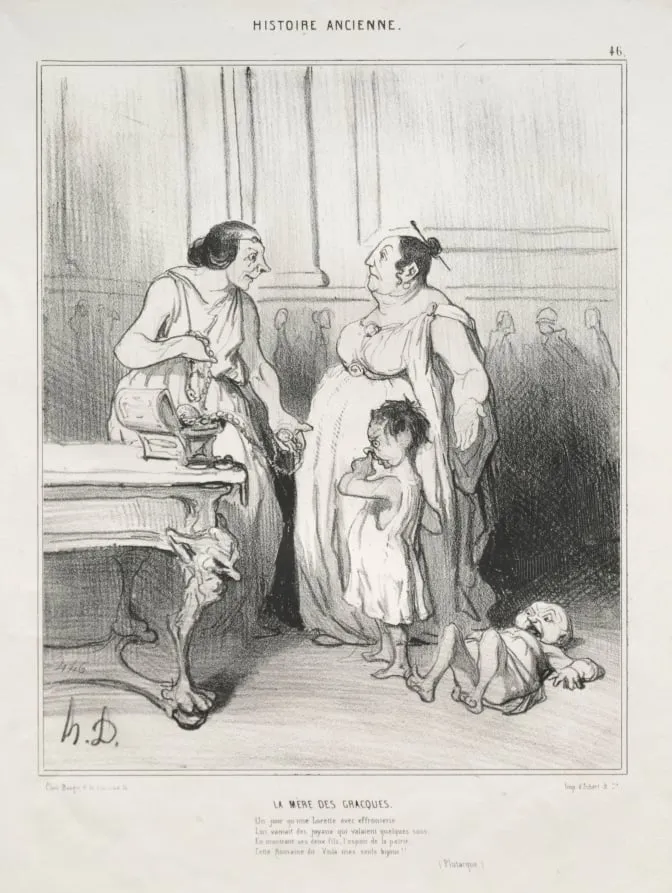
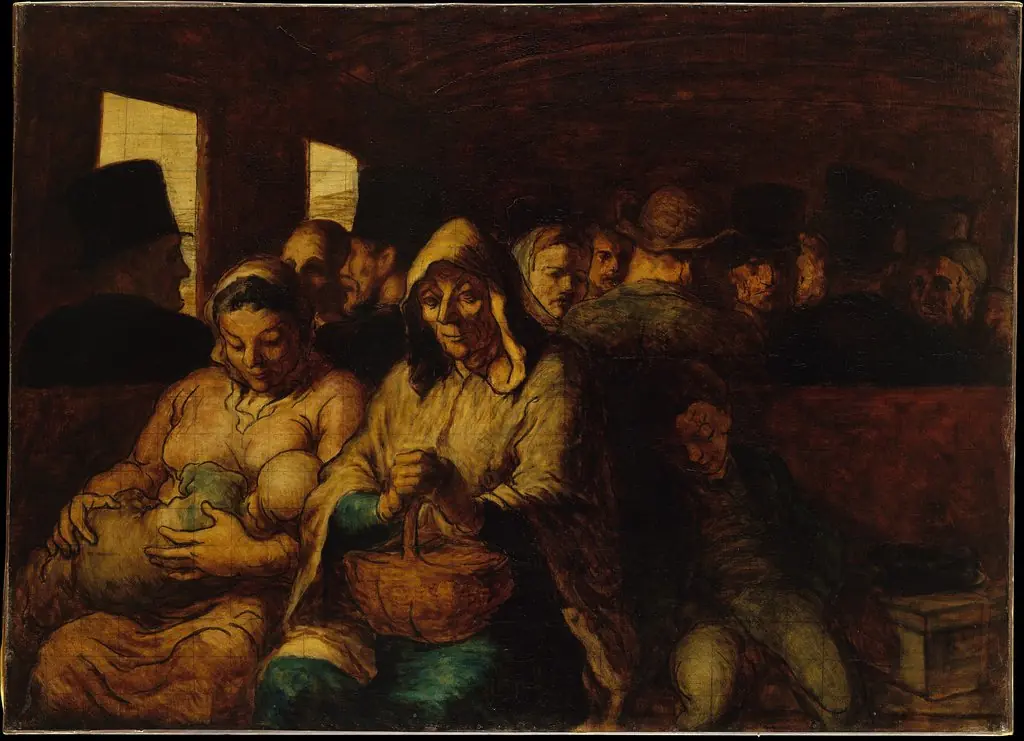
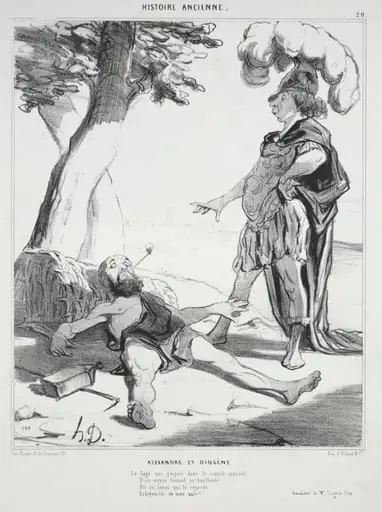
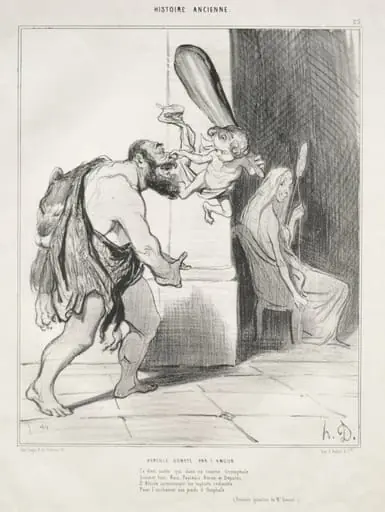
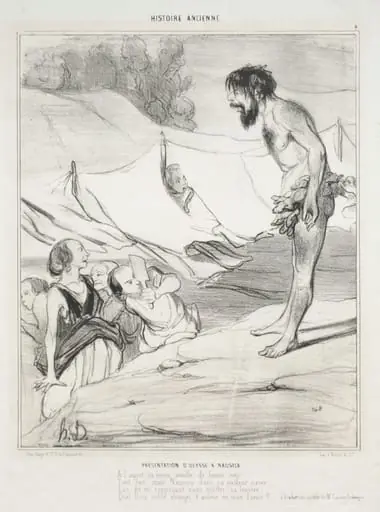
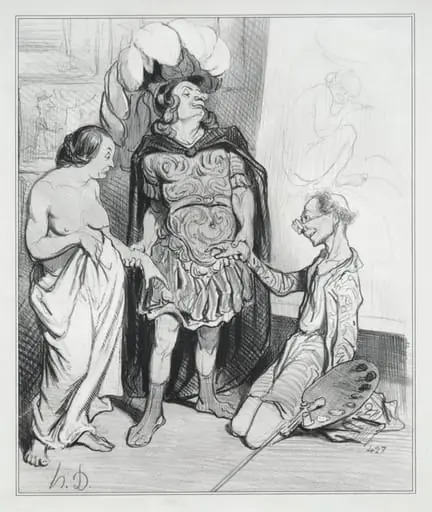
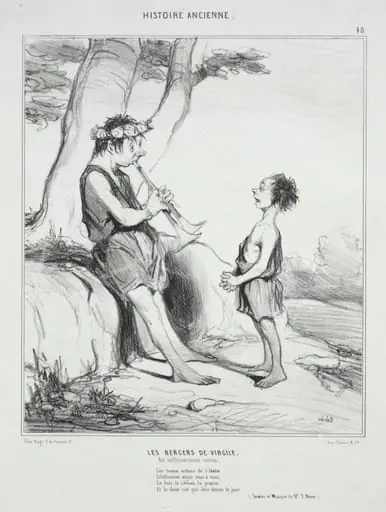
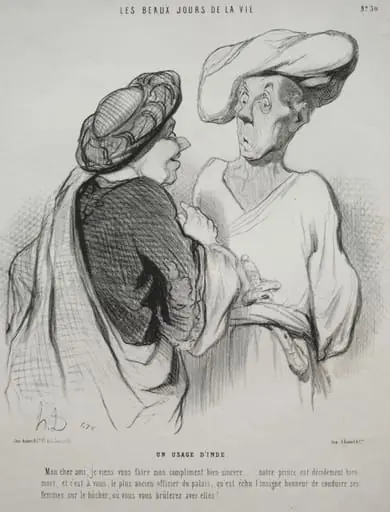
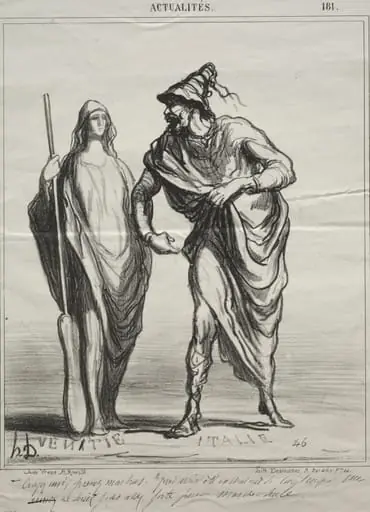
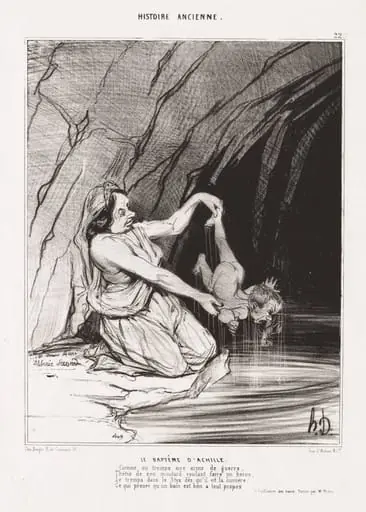
The Mother of the Gracchi is a print by the Romanticist artist Honoré Daumier. It dates from 1842 and is held in the collection of the Cleveland Museum of Art.
About this work
The story behind her is interesting - she was a Roman mother who raised her sons to be great leaders.
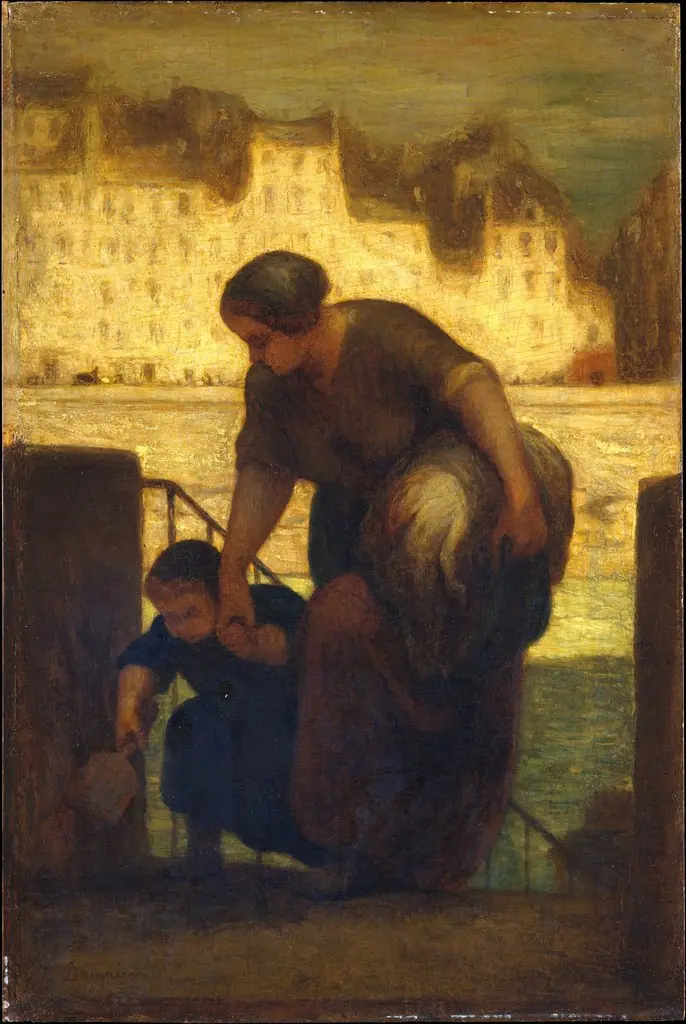
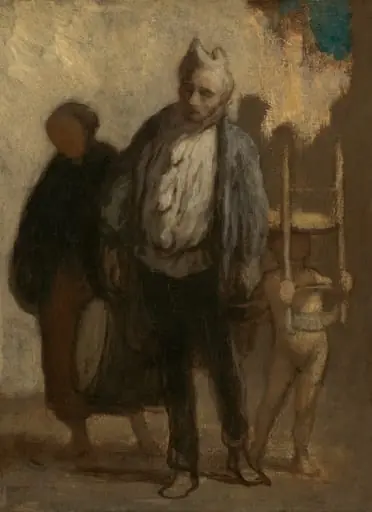
The painting shows a woman, Cornelia, standing with her sons.
She's a symbol of a strong mother.
The story behind her is interesting - she was a Roman mother who raised her sons to be great leaders.
The artist used this story to comment on his own time.
He wanted to show what a good mother looked like.
You can learn more about this style by looking at the work of artist: Honoré Daumier (French, 1808–1879)
Overview
The Mother of the Gracchi is a print published in the French satirical magazine Le Charivari on December 23, 1842, as part of the series Ancient History.
Subject & Meaning
The print depicts Cornelia, a Roman mother, standing with her sons, symbolizing maternal strength and virtue. The image draws on Cornelia's historical significance as the mother of the Gracchi brothers, who became influential leaders in ancient Rome.
Technique & Style
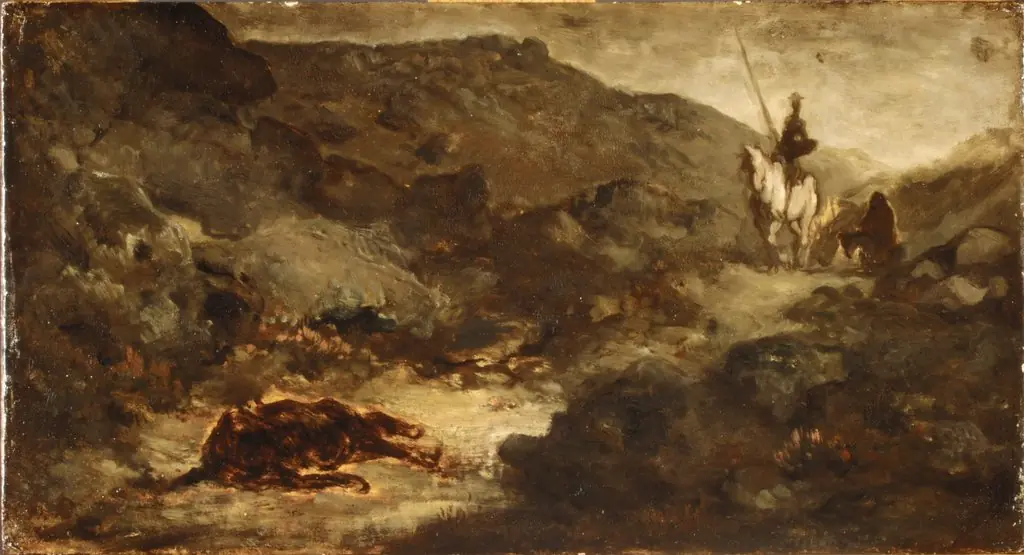
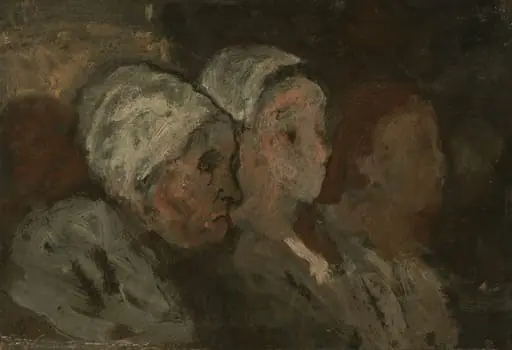
The work is characteristic of Honoré Daumier's style, a French artist known for his satirical and socially conscious prints. Daumier's technique and aesthetic are marked by a focus on conveying moral and social commentary through accessible and engaging imagery.
Context
By invoking ancient Roman history, Daumier commented on the social issues of his own time, using Cornelia as an exemplar of maternal virtue and moral guidance.
Artist & collection
Artist
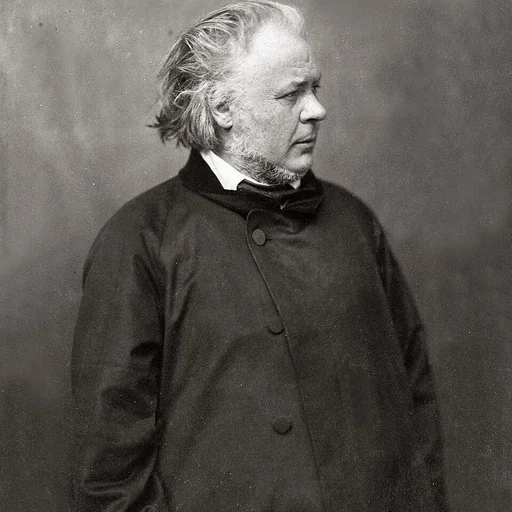
Honoré-Victorin Daumier was a French painter, sculptor, and printmaker, whose many works offer commentary on the social and political life in France, from the Revolution of 1830 to the fall of the Second French Empire in 1870.