Artwork
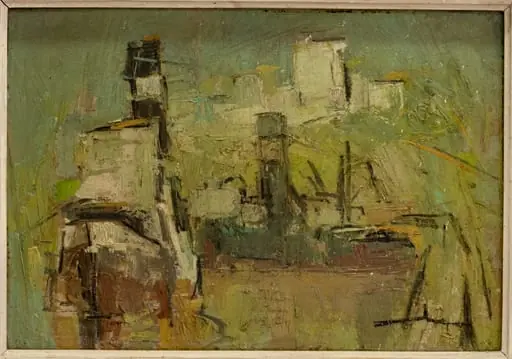
Peisaj Bababdag
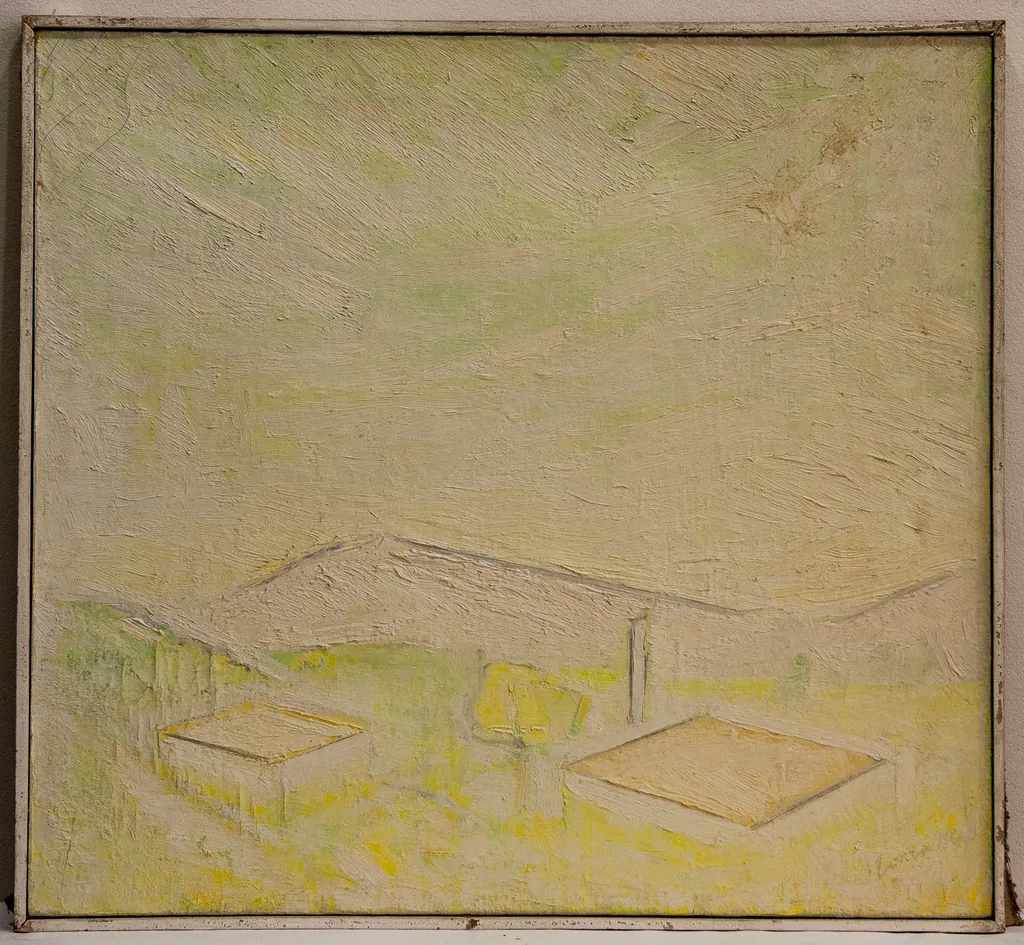
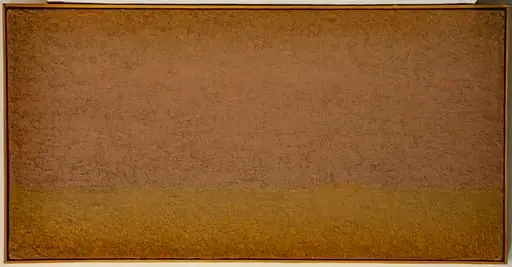
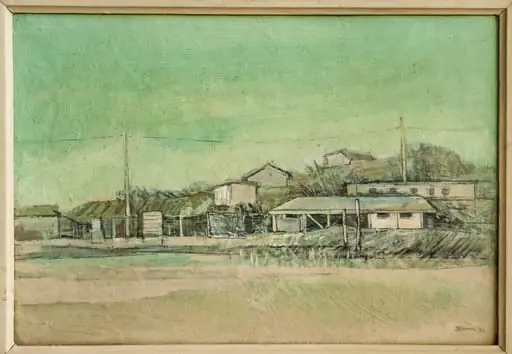
Peisaj Bababdag is an unspecified painting by Mihai Horea. It is held in the collection of the Gavrila Simion Eco-Museum Research Institute Tulcea. Peisaj Babadag presents a rugged terrain dominated by a solitary hill and a handful of modest structures.
About this work
Overview
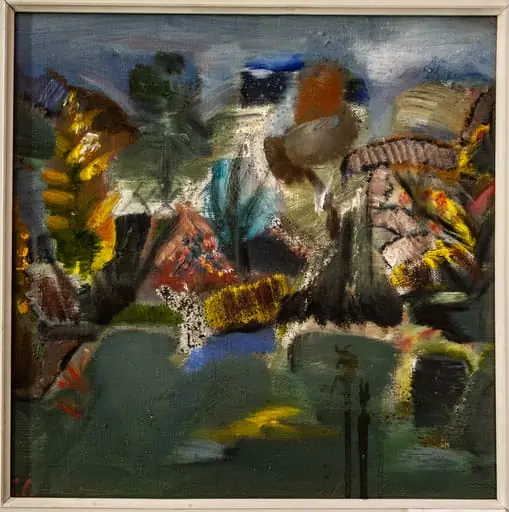
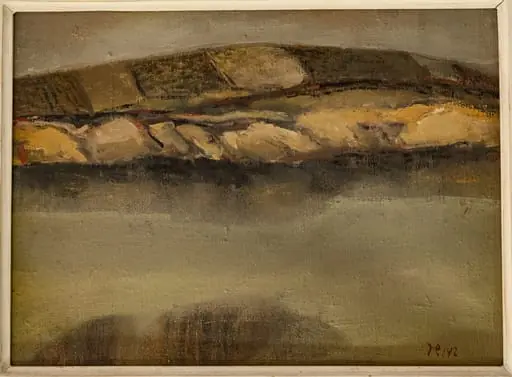
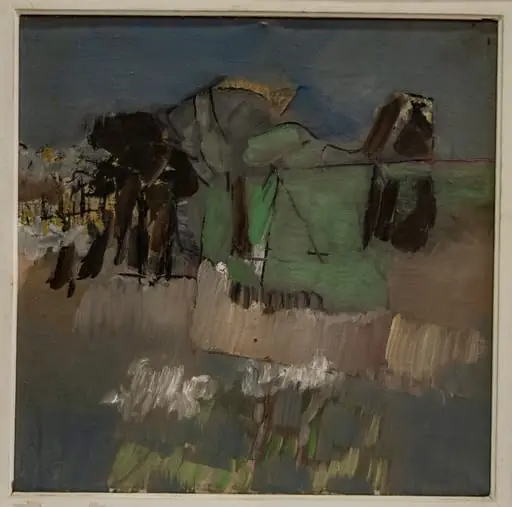
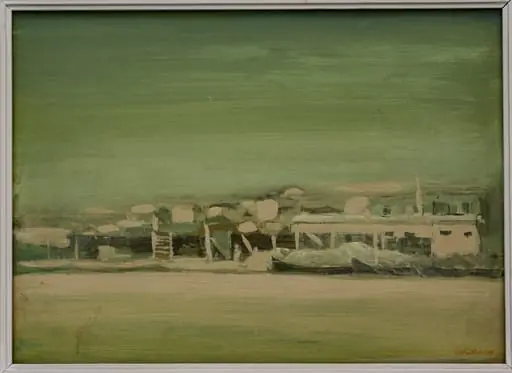
Peisaj Babadag presents a rugged terrain dominated by a solitary hill and a handful of modest structures. The composition relies on a limited palette of earth tones—greens, yellows, and browns—rendered with pronounced, textured brushwork that emphasizes the uneven surface of the landscape.
Subject & Meaning
The work depicts a simplified rural setting, where the hill and the small buildings suggest a quiet, perhaps isolated community. The minimal sky, reduced to a faint green wash, directs attention to the land itself, hinting at a focus on the materiality of the environment rather than narrative detail.
Technique & Style
The artist employs impasto, applying thick layers of paint that create a palpable, three‑dimensional surface. Brushstrokes are broad and vigorous, leaving the pigment raised and uneven, which gives the scene a sketch‑like immediacy while maintaining a tactile presence.
Context
Although specific historical data are not provided, the emphasis on texture and the reduction of forms align with late 19th‑ to early 20th‑century movements that explored the physical qualities of paint, such as the works of the Post‑Impressionists and early modernists.
Artist & collection
Artist
Mihai Horea spent his life painting the Danube Delta’s flat, marshy light—he’d haul his easel into the reeds at dawn, brushes wrapped in plastic to keep the mist off.
Museum
Gavrila Simion Eco-Museum Research Institute Tulcea
Continue through works from the same source collection.