Artwork
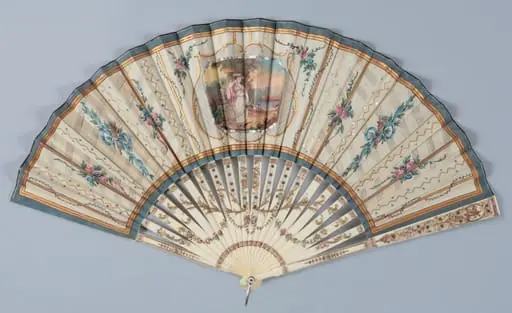
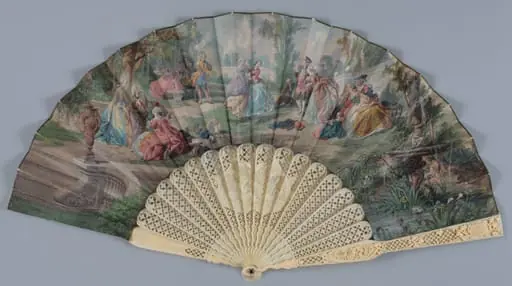
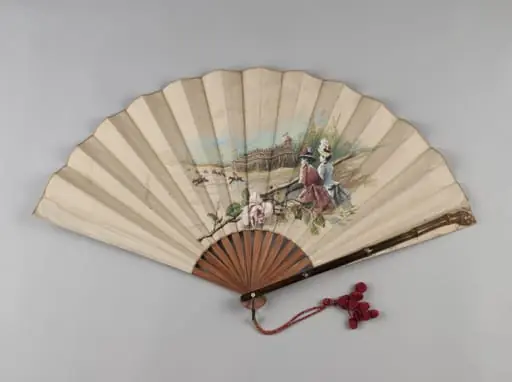
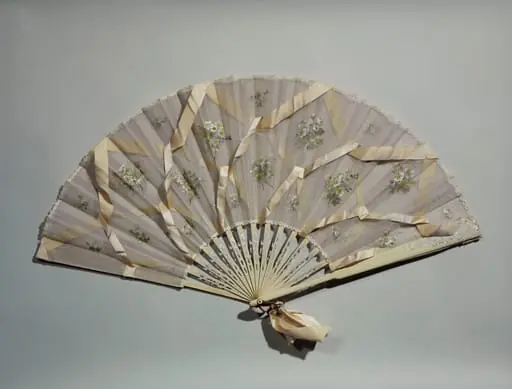
Eventail plié
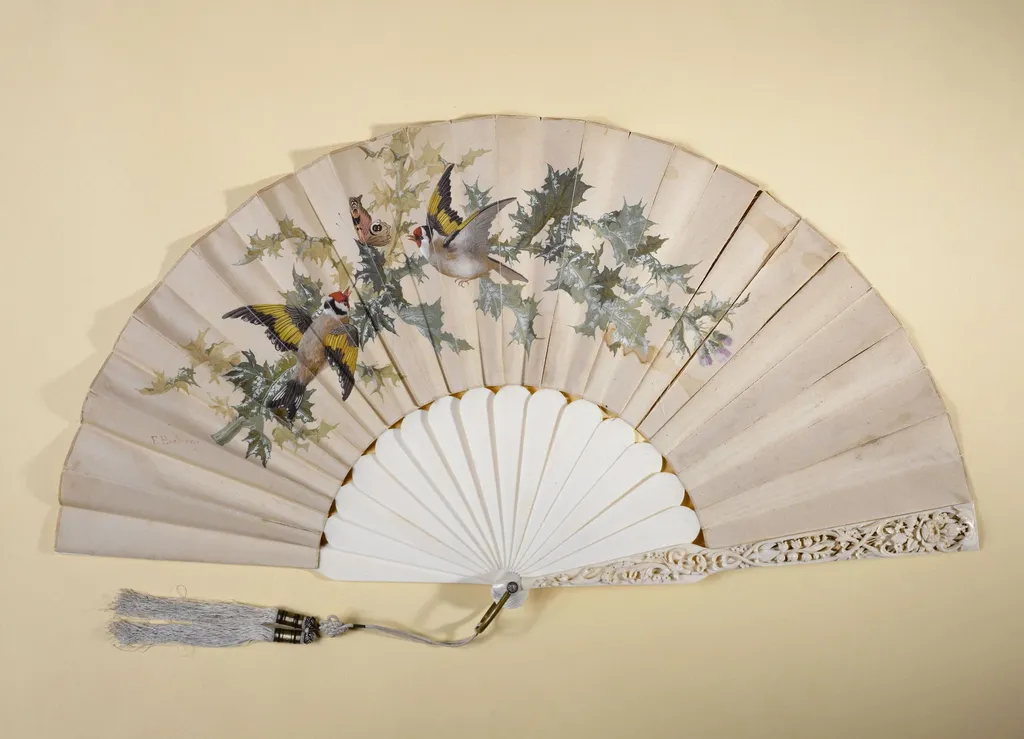
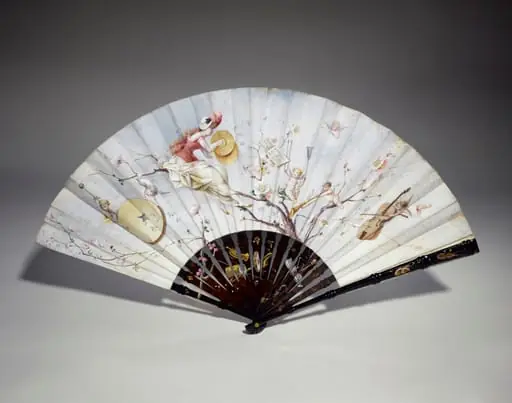
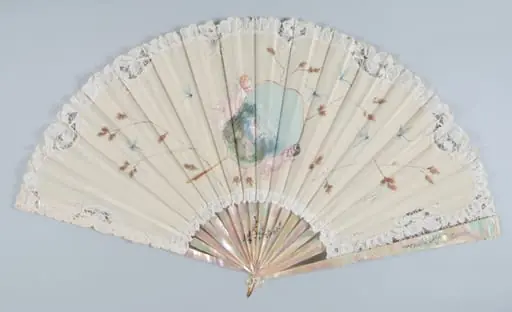
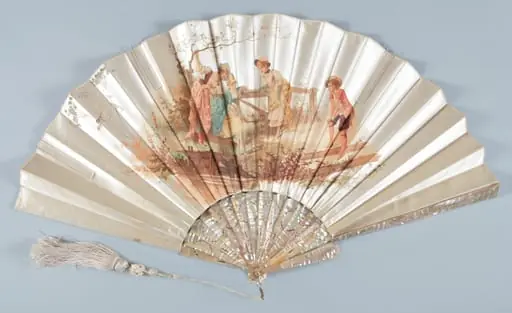
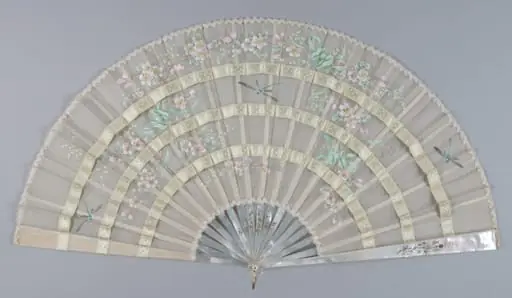
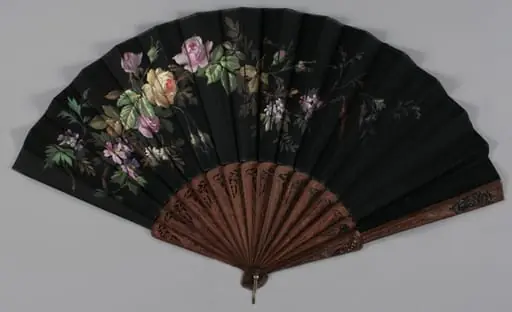
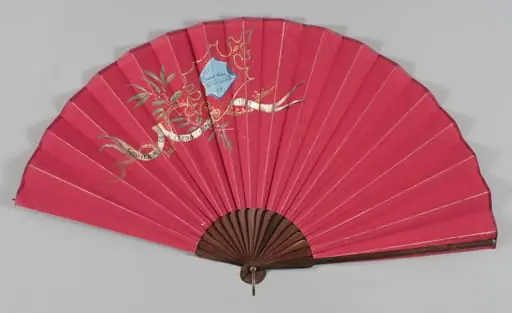
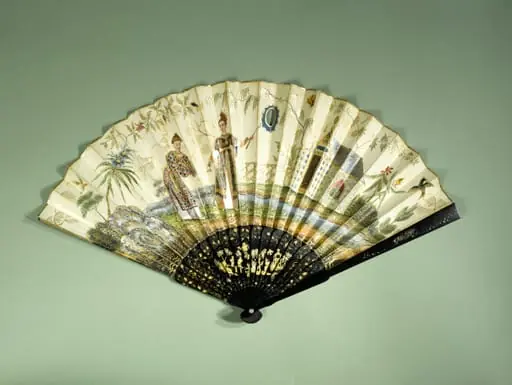
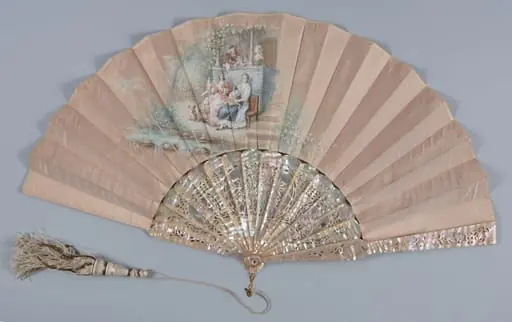
Eventail plié is an unspecified work on paper by Frédéric Houbron. It dates from 1850 and is held in the collection of the Palais Galliera - Musée de la Mode de la Ville de Paris.
About this work
Overview
Unlike functional fans, this piece serves as a refined study in naturalistic detail, capturing the fan’s form and ornamentation with precision.
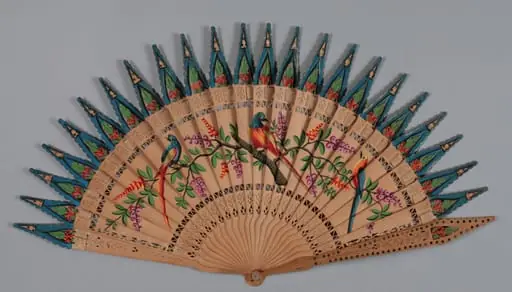
Eventail plié, created around 1850 by Frédéric Houbron, is a watercolor depiction of a folded fan. The work is part of the collection at the Museum of Ethnography. Unlike functional fans, this piece serves as a refined study in naturalistic detail, capturing the fan’s form and ornamentation with precision. Its medium and subject reflect 19th-century European interest in documenting decorative objects from global cultures.
Subject & Meaning
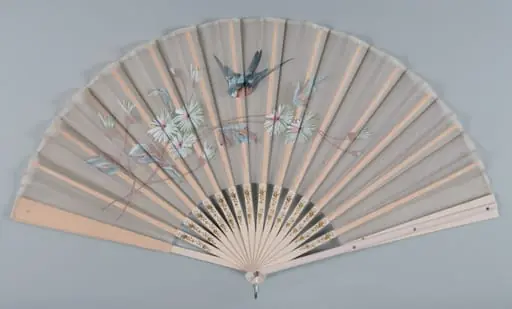
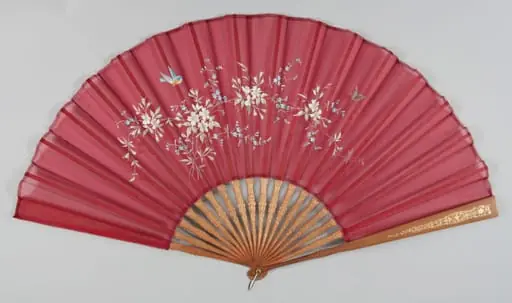
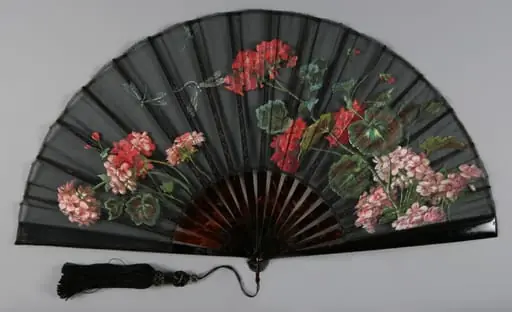
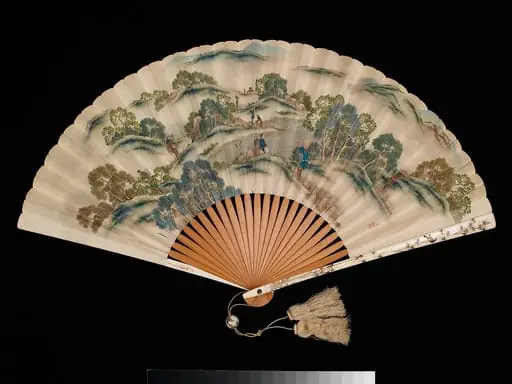
The painting portrays a fan adorned with birds and foliage, rendered in delicate brushwork. White birds with yellow and black wings appear in flight among green leaves tinged with light brown. The composition suggests movement and harmony, evoking natural cycles rather than narrative. The subject may reference ornamental motifs common in Asian fan design, though the interpretation remains rooted in European aesthetic observation.
Technique & Style
Houbron employed watercolor with careful glazing to build subtle tonal layers, enhancing the texture of feathers and leaf veins. The realistic rendering emphasizes fine detail without idealization, reflecting a documentary approach. The light brown background provides neutral contrast, allowing the fan’s colors to stand out with clarity. The technique demonstrates mastery of watercolor’s transparency and control, typical of academic naturalist practice of the period.
History & Provenance
The work entered the Museum of Ethnography’s collection in the 19th century, likely as part of a broader effort to catalog decorative arts from non-European traditions. While Houbron’s biography remains limited, his focus on such objects aligns with contemporary scholarly interests in material culture. The fan depicted may have been a real artifact collected from Asia, rendered here as an object of study rather than use.
Context
In mid-19th-century Europe, there was growing academic interest in ethnographic collections and the artistic traditions of Asia and the Pacific. Artists like Houbron contributed to this movement by producing detailed visual records of imported objects. These works served both scholarly and aesthetic purposes, bridging ethnography and fine art in institutions seeking to systematize global material culture.
Legacy
Eventail plié endures as an example of how European artists engaged with non-Western artifacts through precise observation. It reflects a transitional moment in museum practices, where aesthetic appreciation and anthropological documentation overlapped. Though not widely known today, the work contributes to understanding how cultural objects were visually interpreted and preserved in the 19th century.
Artist & collection
Artist
Frédéric Houbron carried a habit of folding his watercolors into tiny, portable fans before they dried, tucking them into coat pockets like secret sketches.
Museum
Palais Galliera - Musée de la Mode de la Ville de Paris
Continue through works from the same source collection.