Artwork
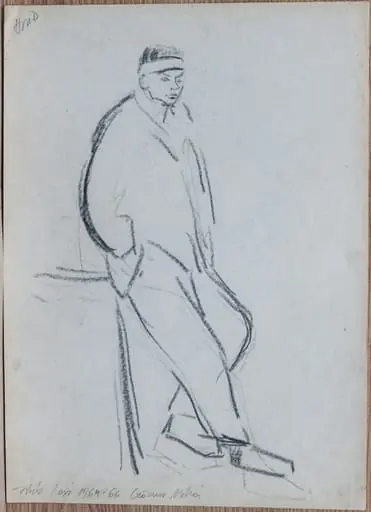
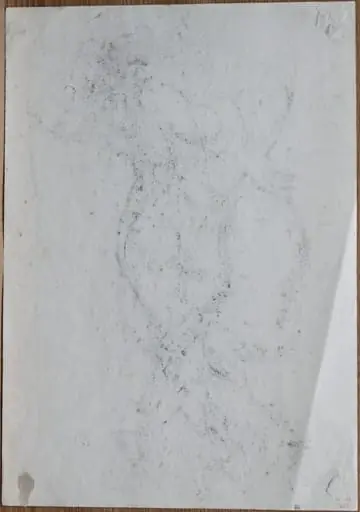
Desen după o poză din Tahiti
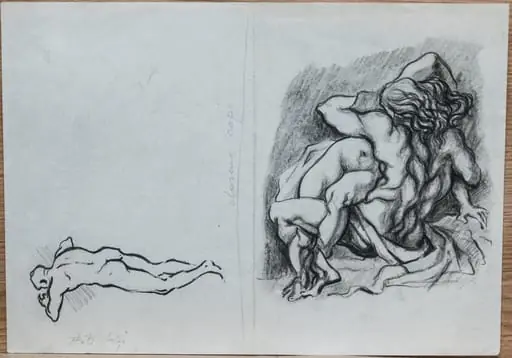
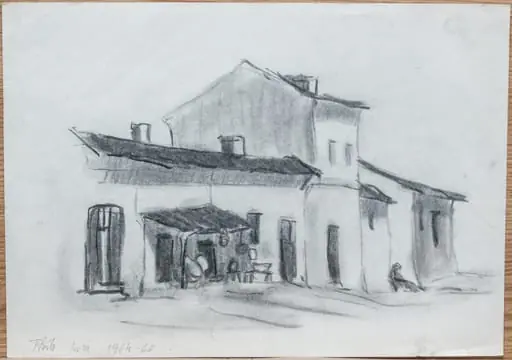
Desen după o poză din Tahiti is a drawing by Teodor Hrib. It dates from 1950 and is held in the collection of the Gavrila Simion Eco-Museum Research Institute Tulcea.
About this work
Overview
Created around 1950 by Romanian artist Teodor Hrib, this drawing is a reinterpretation of a photographic image from Tahiti.
Created around 1950 by Romanian artist Teodor Hrib, this drawing is a reinterpretation of a photographic image from Tahiti. Executed in ink or pencil on paper, it belongs to the collection of the Museum of Ethnography. The work reflects Hrib’s interest in non-Western subjects and his tendency to translate photographic sources into simplified, gestural drawings that prioritize emotional presence over documentary precision.
Subject & Meaning
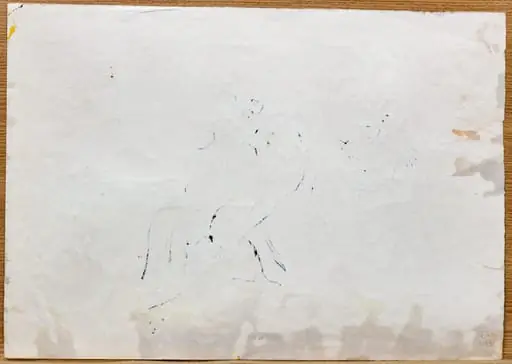
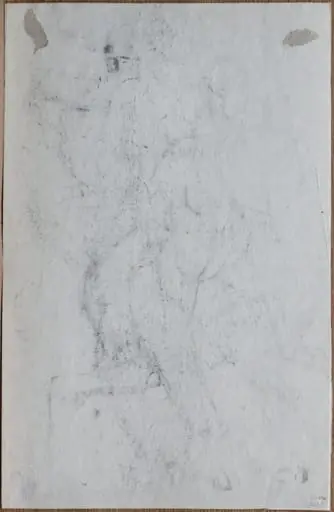
The figure is a seated individual wearing a headband, facing left with the right arm bent and hand near the face. The pose suggests introspection or quiet contemplation. Without contextual details from the original photograph, the drawing emphasizes posture and gesture over identity, inviting interpretation as a universal moment of stillness rather than a specific ethnographic record.
Technique & Style
Rendered with bold, fluid lines and minimal shading, the drawing avoids detailed rendering in favor of expressive economy. The white background isolates the figure, heightening focus on form and movement. Subtle, faint lines beneath the main contours hint at revision or underlying structure, suggesting a process of refinement rather than spontaneous sketching.
History & Provenance
The work entered the Museum of Ethnography’s collection in the mid-20th century, likely through the artist’s donation or institutional acquisition. Its origin as a response to a photographic image from Tahiti places it within a broader postwar European interest in Pacific cultures, though Hrib’s approach remains personal and interpretive rather than anthropological.
Context
In the 1950s, European artists increasingly engaged with non-European imagery through photographs and travel accounts, often filtering them through modernist aesthetics. Hrib’s drawing aligns with this trend, yet his restrained style distinguishes it from exoticizing portrayals, instead favoring quiet observation and formal clarity.
Legacy
The drawing remains a quiet example of mid-century Romanian art that bridges ethnographic curiosity and modernist simplification. While not widely exhibited, it contributes to understanding how artists outside the Western avant-garde responded to global imagery, using minimal means to convey presence and dignity.
Artist & collection
Artist
Teodor Hrib shaped small plaster figures and ink drawings in the 1800s academic tradition.
Museum
Gavrila Simion Eco-Museum Research Institute Tulcea
Continue through works from the same source collection.