Artwork
Modelul
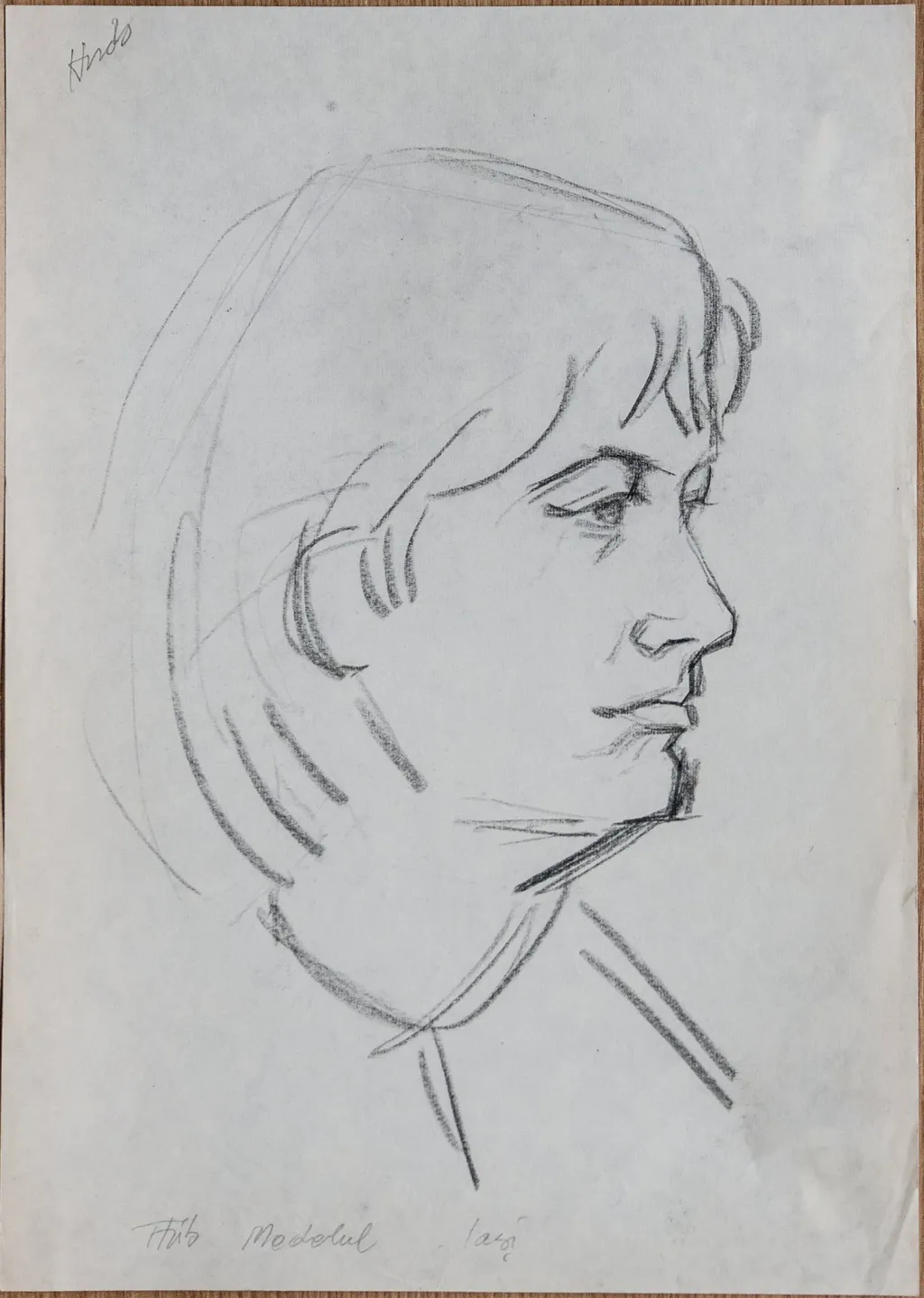
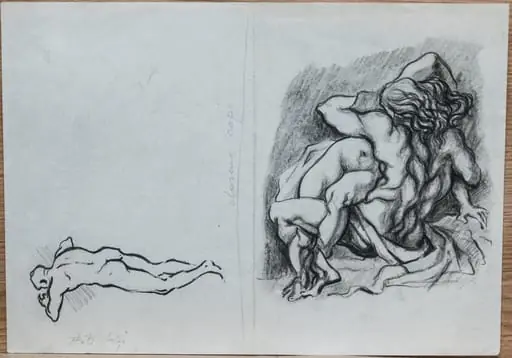
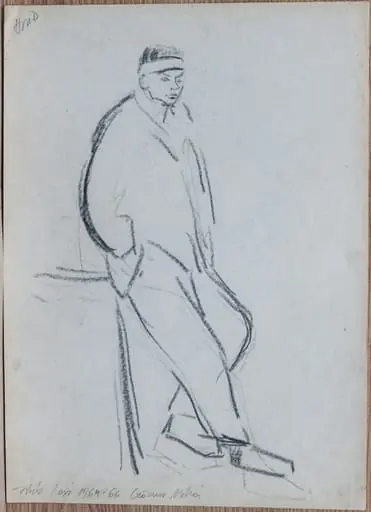
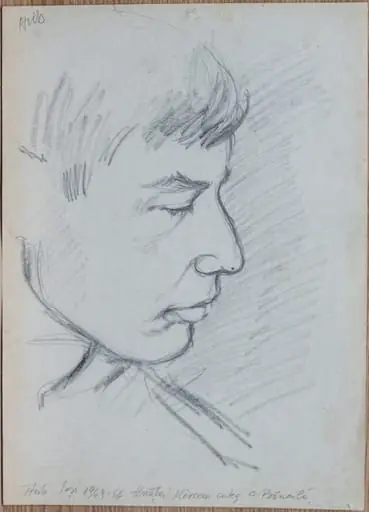
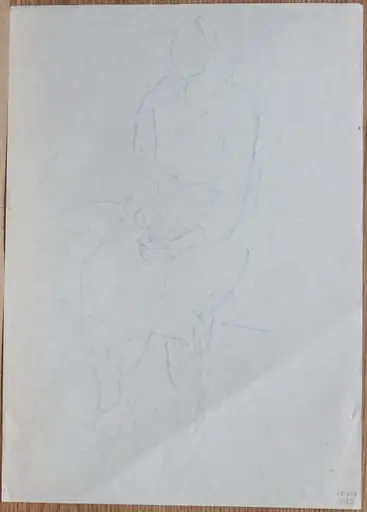
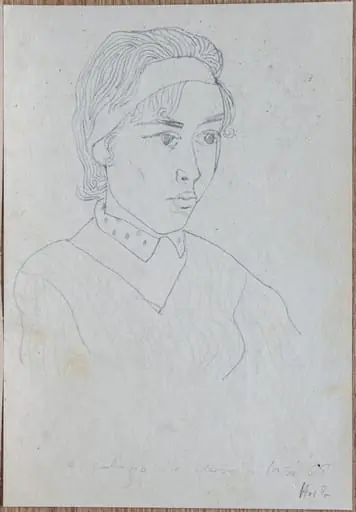
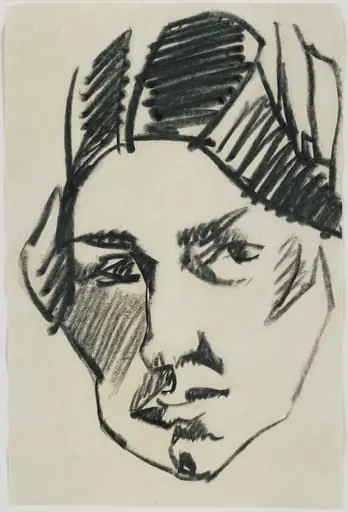
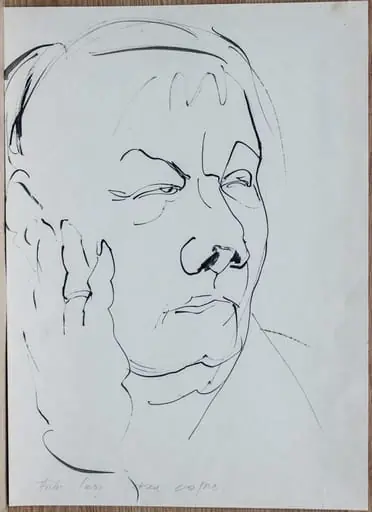
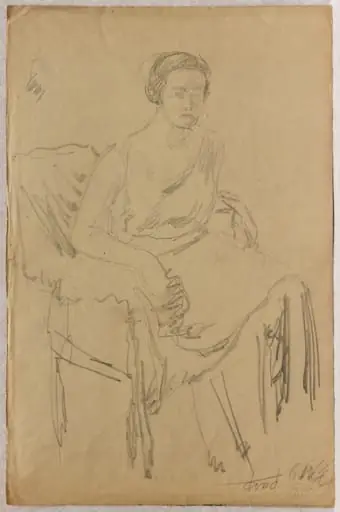
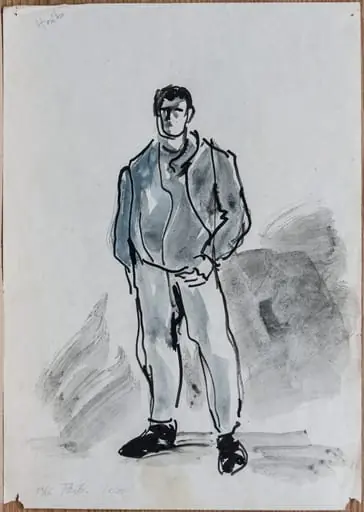
Modelul is a drawing by Teodor Hrib. It dates from 1950 and is held in the collection of the Gavrila Simion Eco-Museum Research Institute Tulcea.
About this work
Overview
The artist’s signature and the title 'Modelul' appear in the lower margin, anchoring the piece as a deliberate, if spontaneous, record.
Modelul, dated around 1950, is a pencil drawing by Romanian artist Teodor Hrib. It resides in the collection of the Museum of Ethnography. The work presents a profile view of a figure, rendered with minimal, fluid strokes. Its informal quality suggests it was made as a preparatory study rather than a finished composition. The artist’s signature and the title 'Modelul' appear in the lower margin, anchoring the piece as a deliberate, if spontaneous, record.
Subject & Meaning
The subject is a single human head in profile, gazing downward, suggesting introspection or quiet concentration. No identifying features or context are provided, leaving the figure anonymous. The title 'Modelul'—Romanian for 'The Model'—implies the drawing served as a study from life, possibly part of a series exploring human form. Its simplicity invites focus on posture and gesture rather than narrative.
Technique & Style
Hrib employed loose, rapid pencil strokes to suggest hair, neck, and shirt collar, avoiding detailed rendering. Light, uneven shading conveys subtle volume without heavy contrast. The lines are unrefined, with visible revisions and gaps, reinforcing the sense of immediacy. The absence of cross-hatching or fine detailing aligns the work with observational sketching traditions, prioritizing gesture over finish.
History & Provenance
The drawing entered the Museum of Ethnography’s collection in the mid-20th century, likely through direct acquisition or donation by the artist. No documentation of prior ownership exists. Its inclusion in an ethnographic institution, rather than a fine arts museum, suggests it was valued for its anthropological insight into artistic process rather than aesthetic completion.
Context
Created in postwar Romania, the work reflects a period when artists often engaged in private, rapid studies amid limited resources. Hrib, active in regional art circles, may have used such sketches to refine his understanding of form. The drawing’s modest scale and function align with broader Eastern European practices of the time, where drawing served as both training and documentation.
Legacy
Modelul remains a quiet example of Hrib’s observational practice, preserved not for its polish but for its honesty. It contributes to the understanding of how artists in mid-century Romania approached the human figure through direct, unembellished study. The work’s presence in an ethnographic museum underscores its role as evidence of artistic habit rather than public display.
Artist & collection
Artist
Teodor Hrib shaped small plaster figures and ink drawings in the 1800s academic tradition.
Museum
Gavrila Simion Eco-Museum Research Institute Tulcea
Continue through works from the same source collection.