Artwork
Voltaire
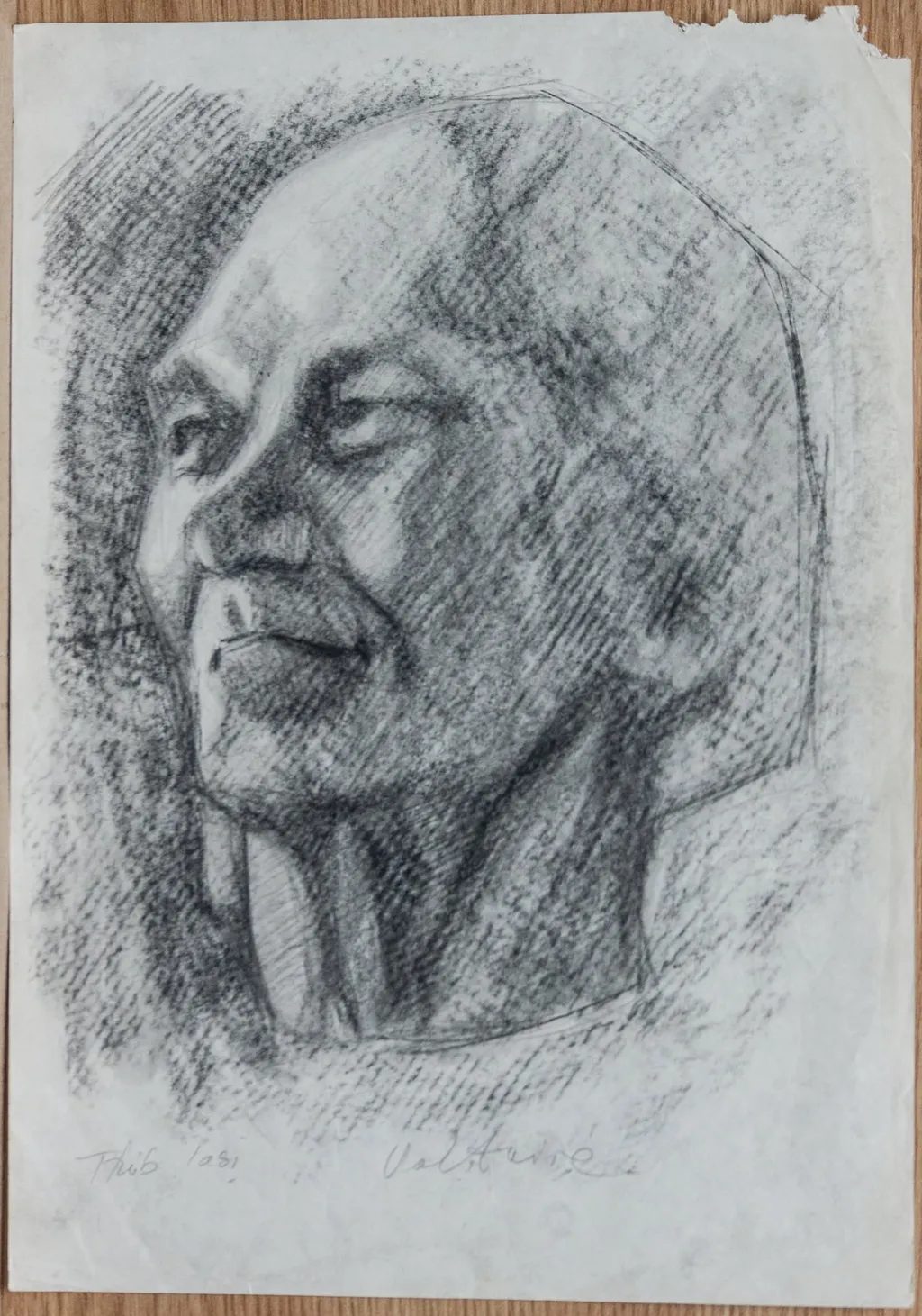
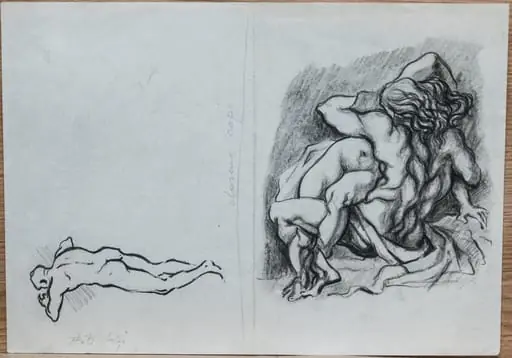
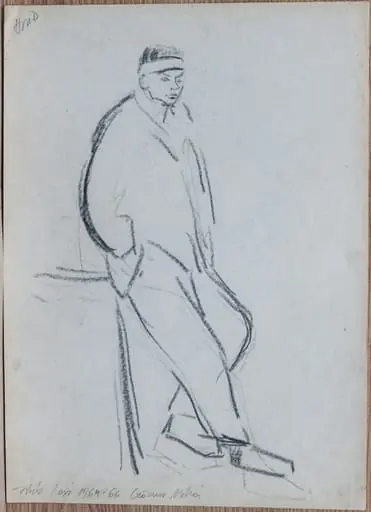
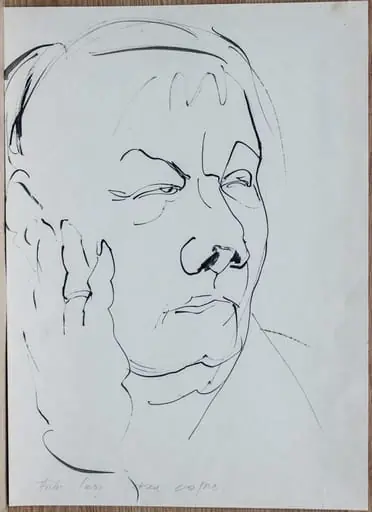
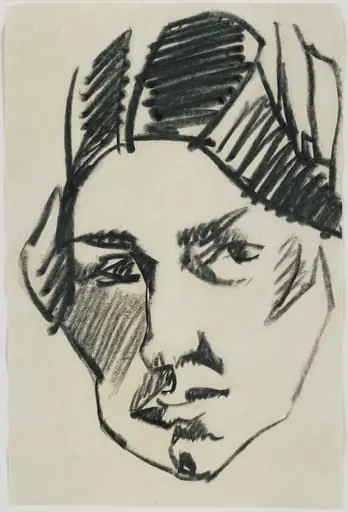
Voltaire is a drawing by Teodor Hrib. It dates from 1950 and is held in the collection of the Gavrila Simion Eco-Museum Research Institute Tulcea.
About this work
Overview
Created around 1950 by Teodor Hrib, the work titled Voltaire is a black‑and‑white image held in the collection of the Museum of Ethnography. The piece presents a tightly cropped portrait of a male figure, rendered in a stark, graphic manner that emphasizes the facial features through dense line work.
Subject & Meaning
The image focuses on a solitary face with a pronounced forehead, deep-set eyes and a moustache, suggesting a contemplative or scholarly character. While the title invokes the Enlightenment writer Voltaire, the portrait does not depict a specific likeness, instead using the facial expression to evoke intellectual intensity.
Technique & Style
Hrib employs an intensive cross‑hatching method, layering countless fine strokes to build tonal variation and texture. The scratchy, overlapping lines create a sense of depth and movement, while the monochrome palette reinforces the graphic quality of the drawing. The paper’s worn surface and faint smudges add a tactile, aged feel.
History & Provenance
The drawing was produced in the early 1950s, a period when Hrib explored experimental drawing techniques. It entered the Museum of Ethnography’s holdings through acquisition shortly after its creation, where it remains part of the institution’s representation of mid‑century graphic art.
Context
Situated within post‑war artistic currents, the work reflects a broader interest in abstraction through line and the revival of traditional drawing methods. The emphasis on dense hatching aligns with contemporary explorations of texture and the psychological potential of portraiture in the mid‑20th century.
Artist & collection
Artist
Teodor Hrib shaped small plaster figures and ink drawings in the 1800s academic tradition.
Museum
Gavrila Simion Eco-Museum Research Institute Tulcea
Continue through works from the same source collection.