Artwork
Nuduri de femei (Intimitate)
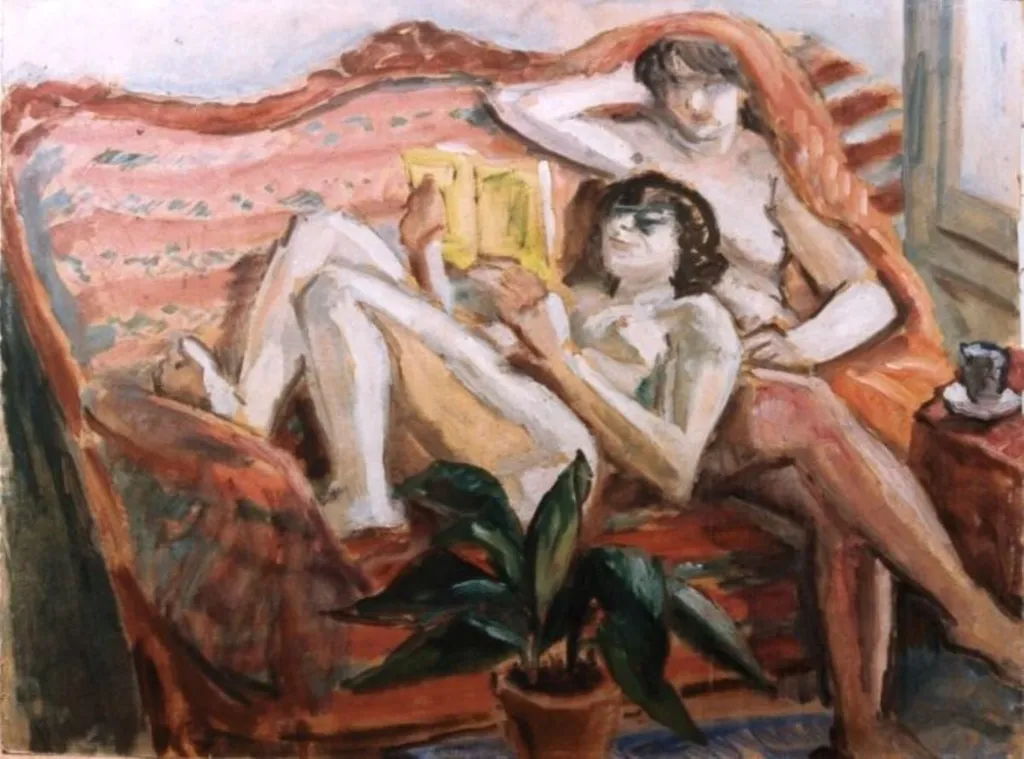
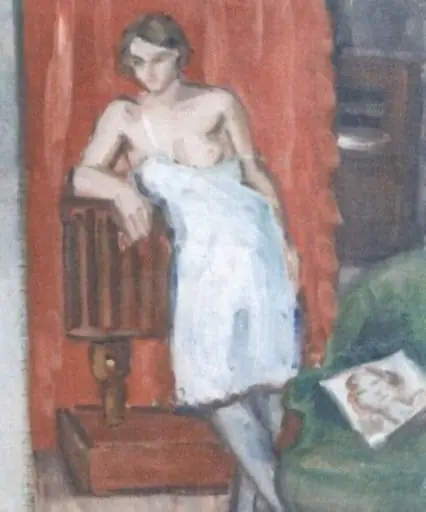
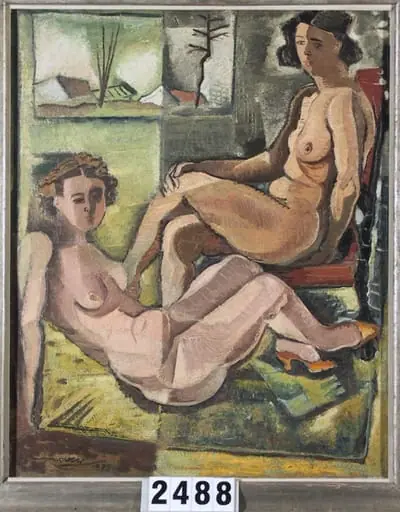
Nuduri de femei (Intimitate) is an unspecified painting by Theodor Pallady. It is held in the collection of the National Museum of Art of Romania. This work depicts two women seated in close proximity within a softly lit interior.
About this work
Overview
This work depicts two women seated in close proximity within a softly lit interior. Their faces are obscured, emphasizing posture and gesture over identity. The composition conveys quiet intimacy through subtle bodily alignment and muted tones, avoiding theatricality or idealization. The atmosphere is contemplative, inviting the viewer into a private, unguarded moment.
Subject & Meaning
The subject is not a narrative or symbolic scene, but an unspoken connection between two individuals. By omitting facial features, the artist shifts focus to physical closeness and shared stillness. The absence of expression suggests emotional resonance found in silence rather than dialogue, framing intimacy as a quiet, embodied experience.
Technique & Style
The painting employs a gentle blending of tones, akin to sfumato, where edges dissolve into shadow and light. Colors are restrained, with no sharp contrasts or bold outlines. Skin and fabric merge through layered washes, creating a hazy, atmospheric effect that enhances the sense of privacy and softness.
History & Provenance
The work is attributed to a Romanian artist active in the early 20th century, part of a broader regional interest in domestic realism. It was likely created in a private studio setting, not commissioned. Its early ownership remains undocumented, but it entered public collections in the mid-20th century as interest grew in understated, introspective imagery.
Context
Emerging amid early modernist shifts, the piece resists grand themes of nationalism or industrial change. Instead, it aligns with quieter currents in Eastern European art that valued personal, everyday moments. Its focus on female companionship reflects a growing attention to interior life, distinct from public or historical subjects dominant in academic circles.
Legacy
The work contributes to a lesser-known tradition of intimate portraiture in Romanian modernism. While not widely reproduced, it has influenced later artists seeking to depict emotional presence without overt expression. Its quiet approach continues to be referenced in discussions of non-narrative, sensory painting in 20th-century Eastern Europe.
Artist & collection
Artist
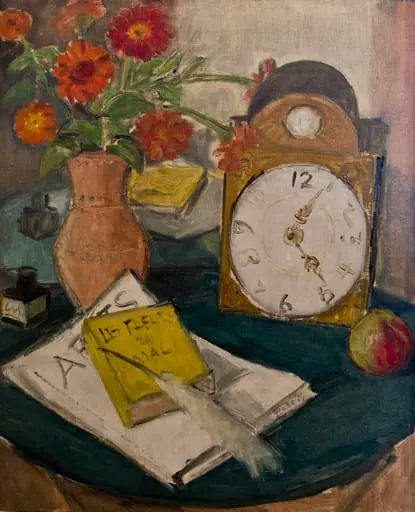
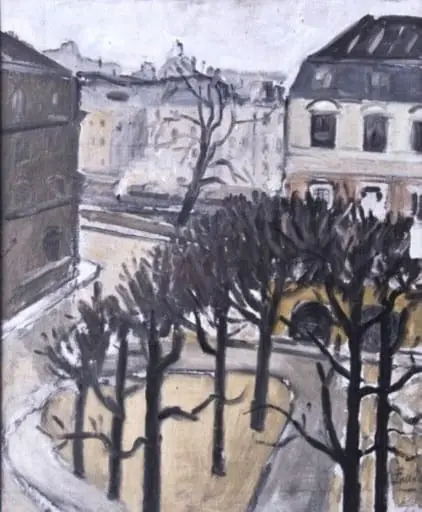
Theodor Pallady made still lifes and interiors in early 20th-century Bucharest. His Place Dauphine shows a quiet Parisian square, while Natură moartă (Ulcică cu flori și chibrituri) piles everyday objects on a table.…