Artwork
Nud de femeie
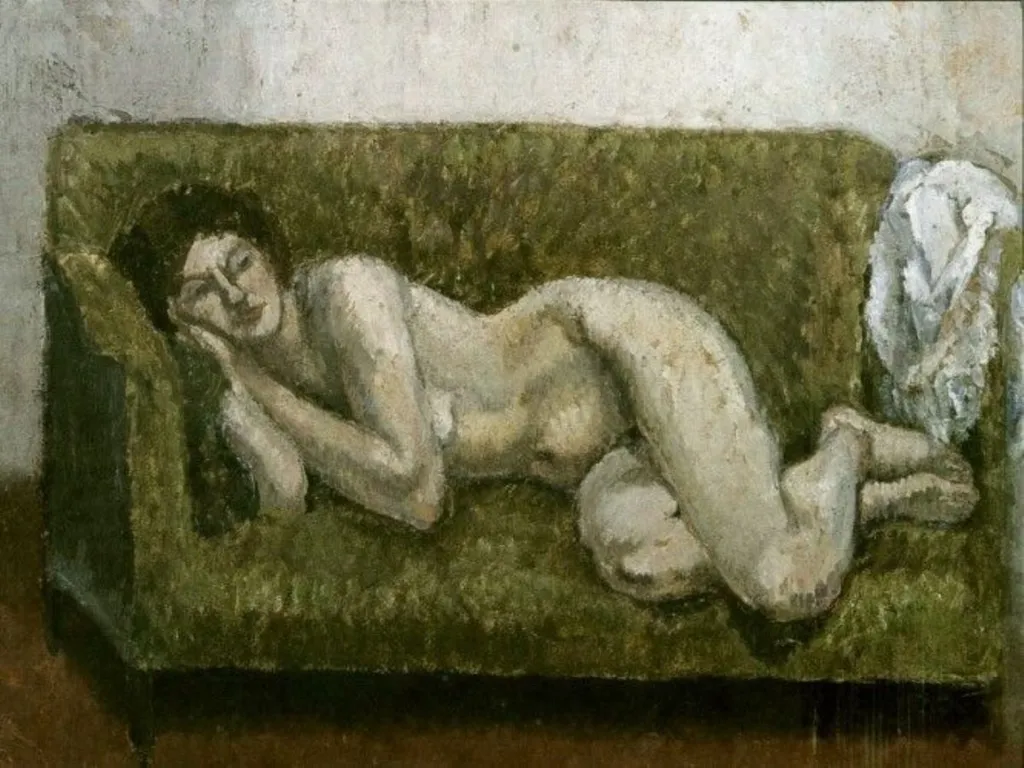
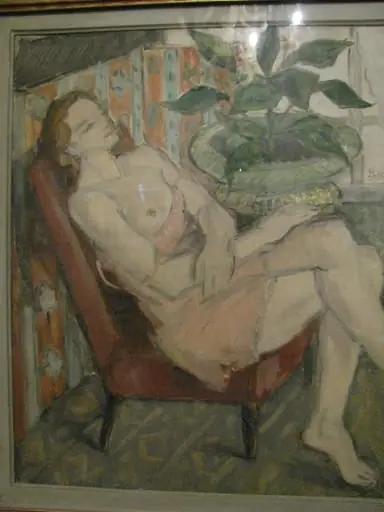
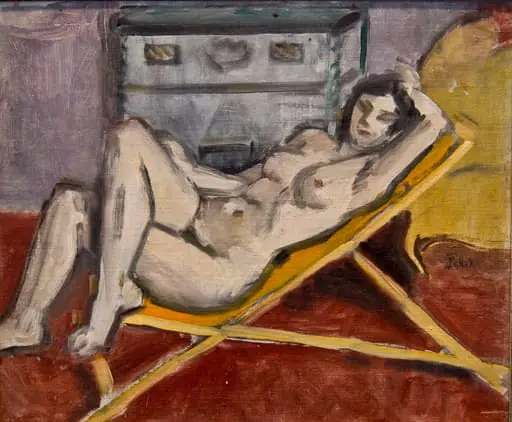
Nud de femeie is an unspecified painting by Theodor Pallady. It dates from 1914 and is held in the collection of the National Museum of Art of Romania.
About this work
Overview
No elaborate setting or narrative context is provided, allowing the figure’s stillness to dominate the visual experience.
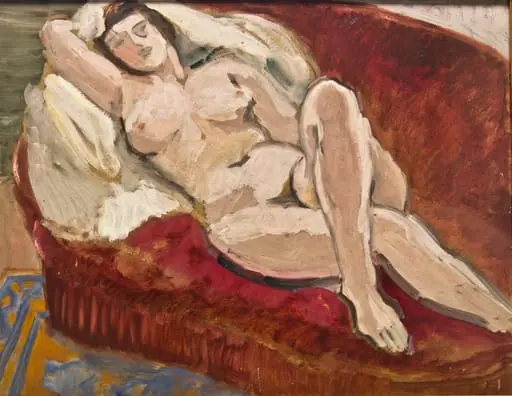
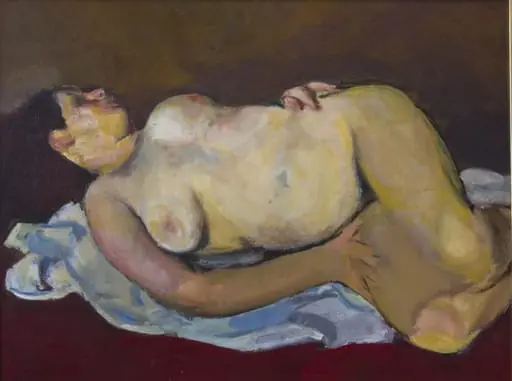
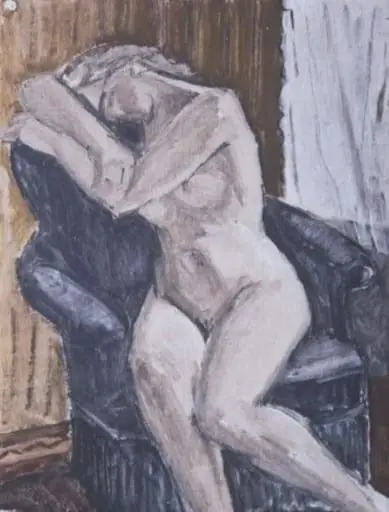
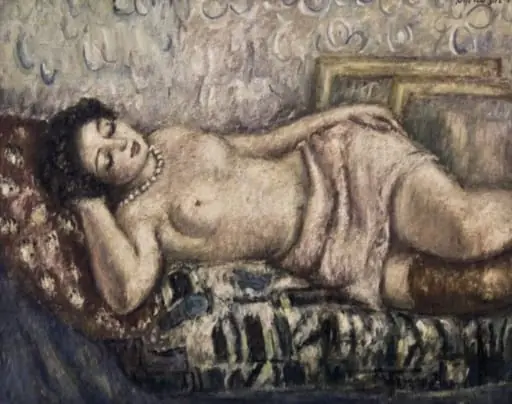
Nud de femeie, painted in 1914 by Theodor Pallady, is a figurative work depicting a reclining female form. Executed with a direct, tactile approach, the painting emphasizes physical presence over idealization. The composition is sparse, focusing on the body’s posture and the texture of applied pigment. No elaborate setting or narrative context is provided, allowing the figure’s stillness to dominate the visual experience.
Subject & Meaning
The subject is a solitary woman in a relaxed, private pose—lying on her side with one arm beneath her head and the other extended. Her form is rendered without eroticism or dramatic tension, suggesting an intimate, unguarded moment. The absence of facial detail and contextual clues invites contemplation of the body as a quiet, autonomous presence rather than a symbol or ideal.
Technique & Style
Pallady employed thick, uneven brushstrokes to build the figure’s surface, creating a tactile, almost sculptural quality. The paint is applied with visible urgency, producing a rough texture that contrasts with the smoothness of the skin depicted. Colors are restrained—pale flesh tones against muted greens—limiting visual distraction and reinforcing the work’s raw, unadorned character.
History & Provenance
Created during Pallady’s mature period, Nud de femeie reflects his engagement with post-impressionist and modernist tendencies in early 20th-century European art. Though its early ownership is undocumented, the painting is held in Romanian public collections, where it is recognized as part of the artist’s exploration of the human form beyond academic conventions.
Context
Painted in 1914, the work emerged amid broader shifts in European art toward expressive, non-idealized representations of the body. While contemporaries like Matisse and Modigliani pursued similar themes, Pallady’s approach was more restrained, avoiding stylization in favor of direct, physical engagement with paint and form. The painting aligns with a quiet modernism focused on presence rather than spectacle.
Legacy
Nud de femeie remains a significant example of Pallady’s personal interpretation of modern figuration. Its unembellished treatment of the nude influenced later Romanian artists seeking alternatives to academic tradition. The work’s emphasis on materiality and emotional restraint continues to resonate in discussions of early modernist portraiture in Eastern Europe.
Artist & collection