Artwork
Tréboul
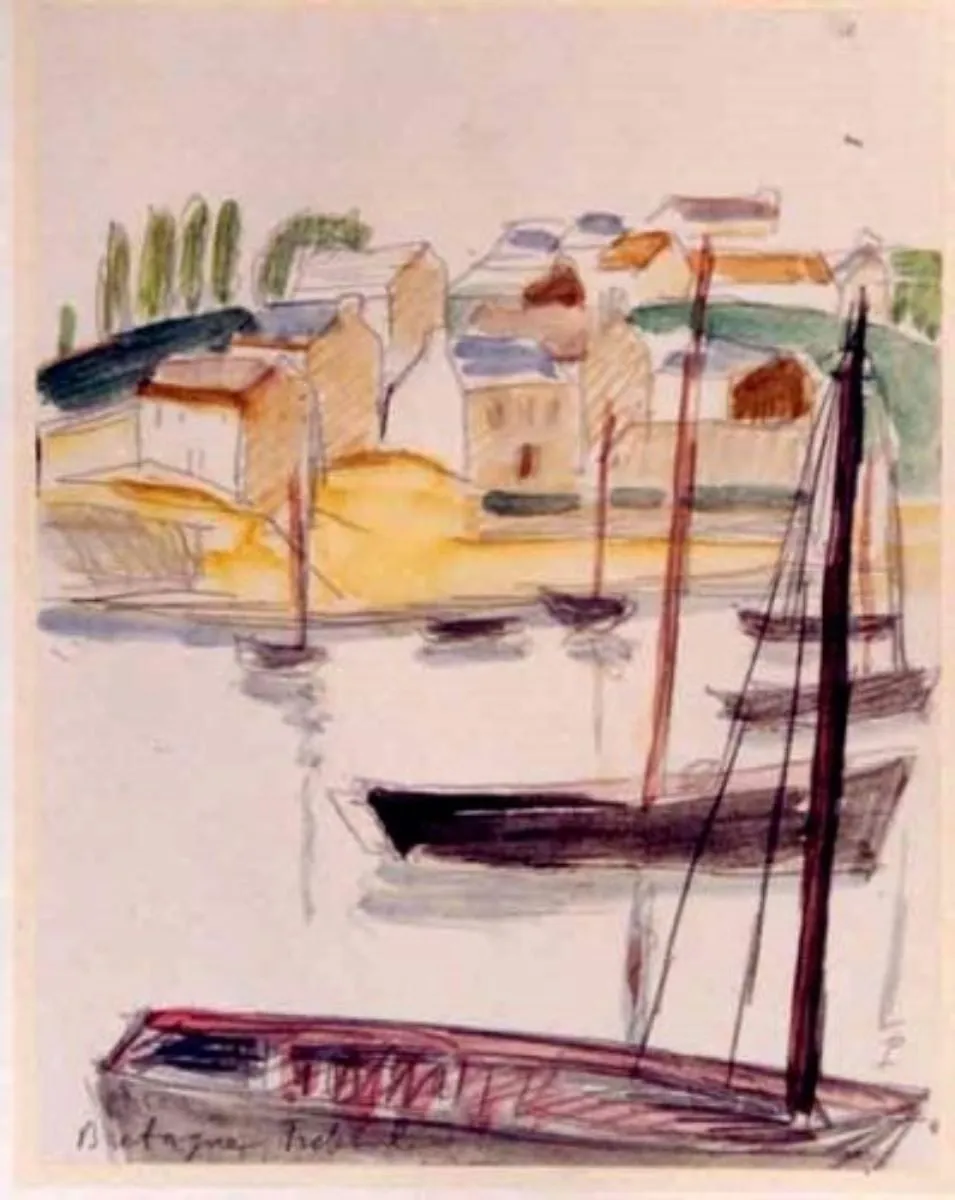
Tréboul is an unspecified painting by Theodor Pallady. It dates from 1928 and is held in the collection of the National Museum of Art of Romania.
About this work
Overview
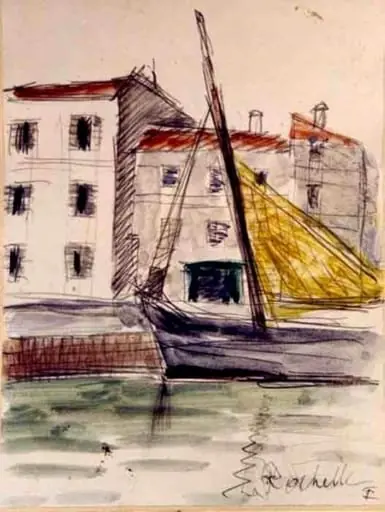
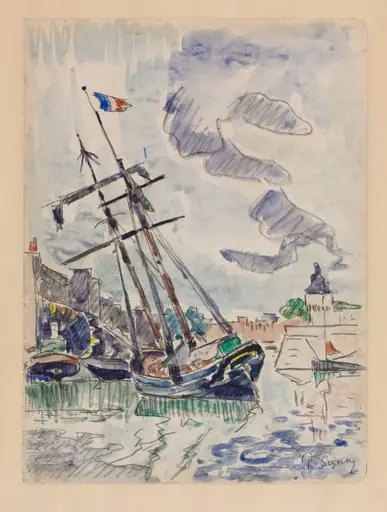
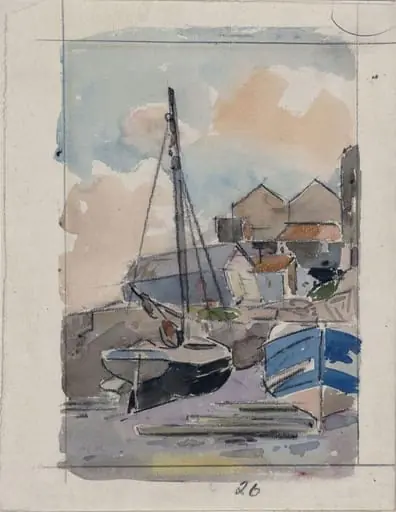
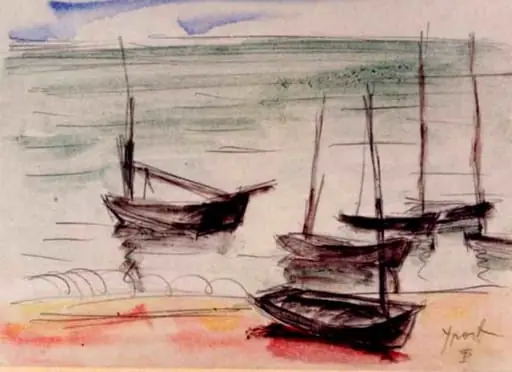
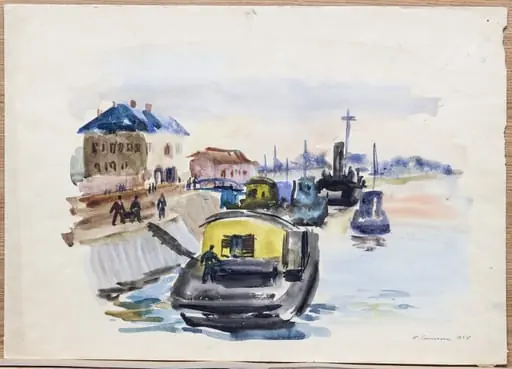
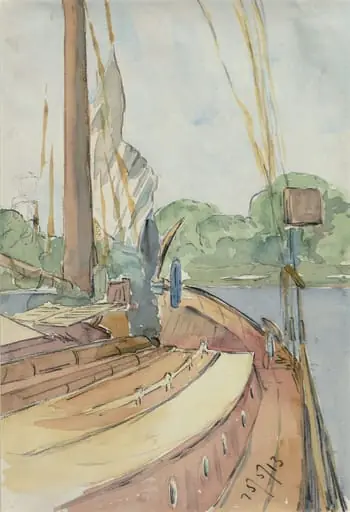
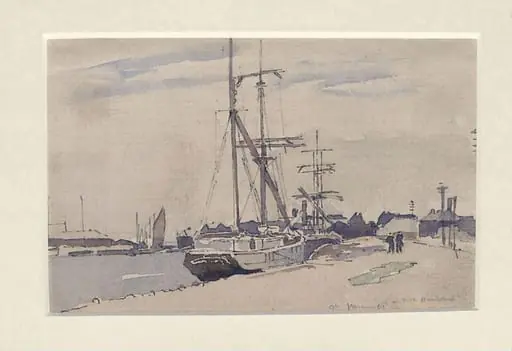
Tréboul, created circa 1928 by Theodor Pallady, is a painting depicting a serene small harbor scene.
Subject & Meaning
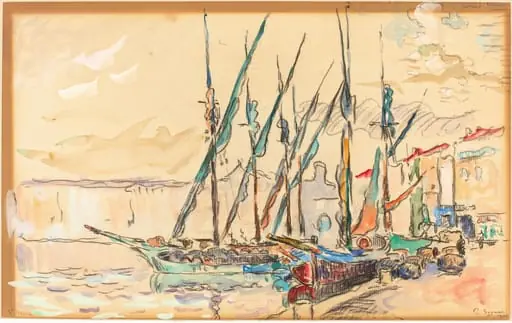
The artwork features two moored boats with tall masts in a calm water setting, backed by simple, flat-roofed buildings. The tranquil atmosphere and everyday subject matter suggest an emphasis on capturing quiet, mundane beauty.
Technique & Style
Characterized by loose, quick brushstrokes reminiscent of a sketch, Tréboul employs bright, imprecise colors to create a warm, soft focus effect. Notably, the painting utilizes impasto, where thick layers of paint add tactile texture to the work.
History & Provenance
Created in the late 1920s, specific details regarding the painting's history and ownership prior to its current status are not provided.
Context
Tréboul reflects early 20th-century artistic trends favoring expressive, spontaneous techniques over precise realism, potentially aligning with Pallady's broader oeuvre exploring light and everyday life.
Legacy
The painting's impact and reception over time are not detailed, though its style and technique place it within the broader context of European modernist painting practices of its era.
Artist & collection
Artist
Theodor Pallady made still lifes and interiors in early 20th-century Bucharest. His Place Dauphine shows a quiet Parisian square, while Natură moartă (Ulcică cu flori și chibrituri) piles everyday objects on a table.…