Artwork
Vas cu flori
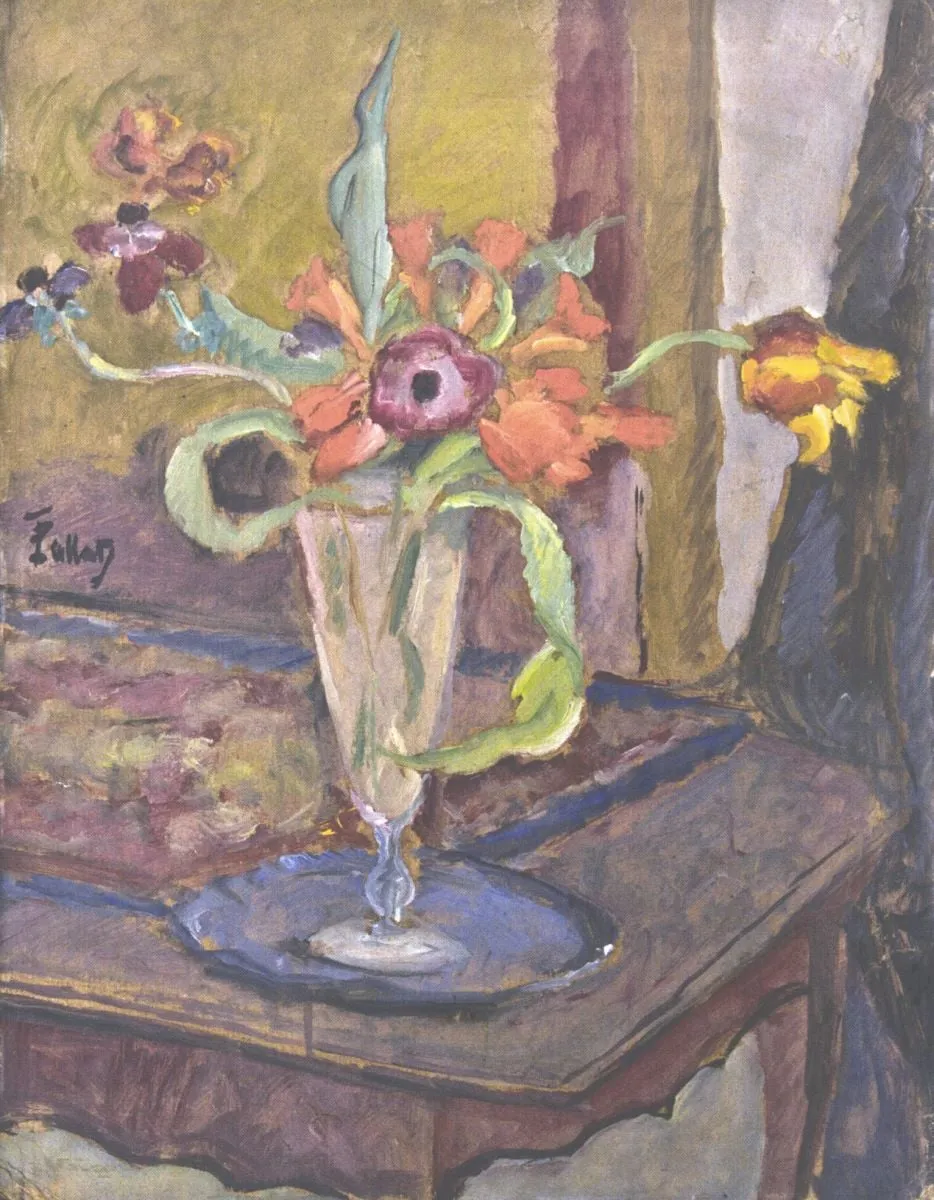
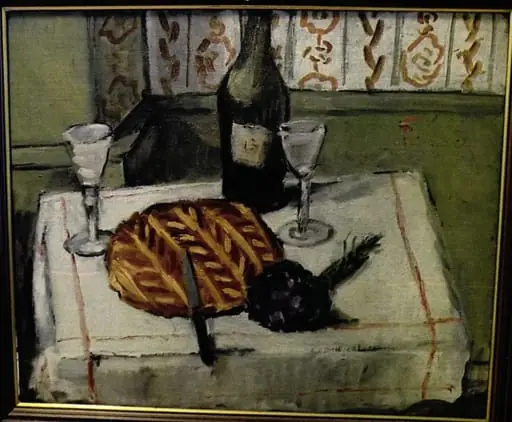
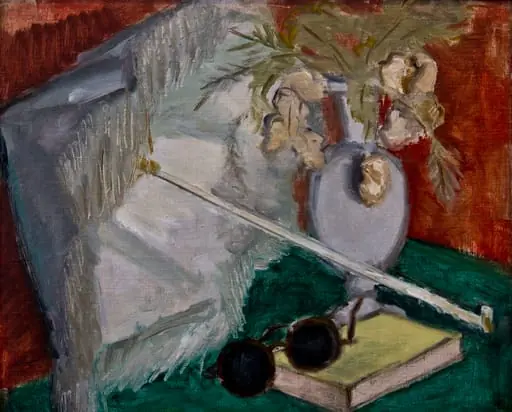
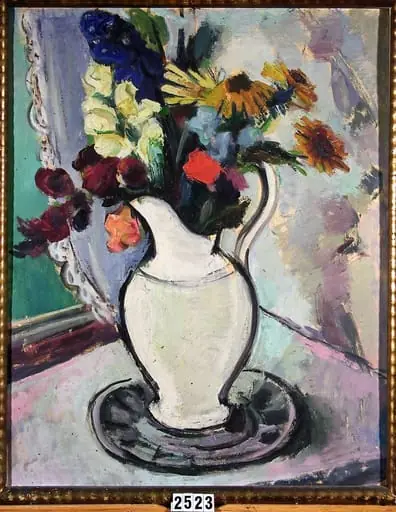
Vas cu flori is an unspecified painting by Theodor Pallady. It dates from 1927 and is held in the collection of the National Museum of Art of Romania.
About this work
Overview
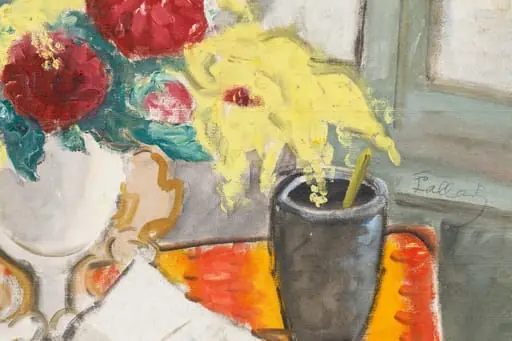
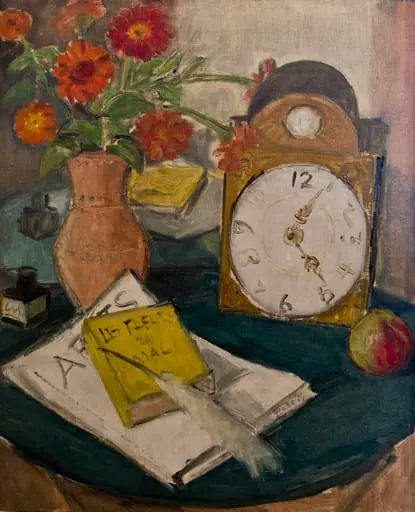
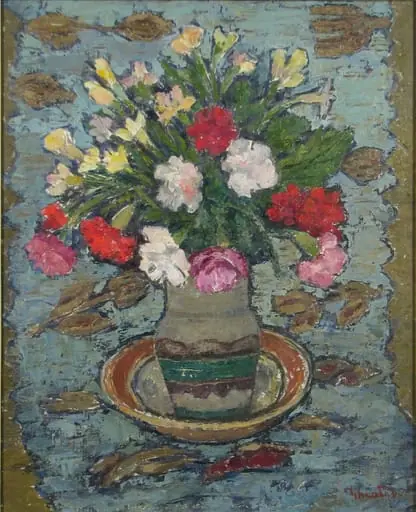
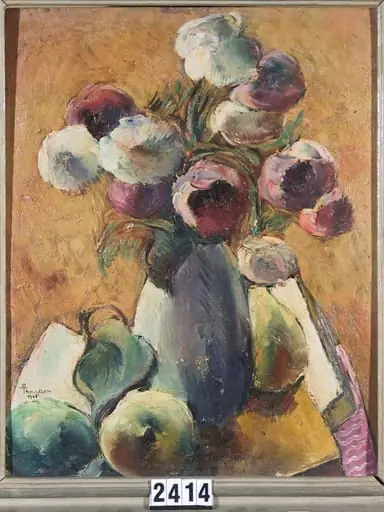
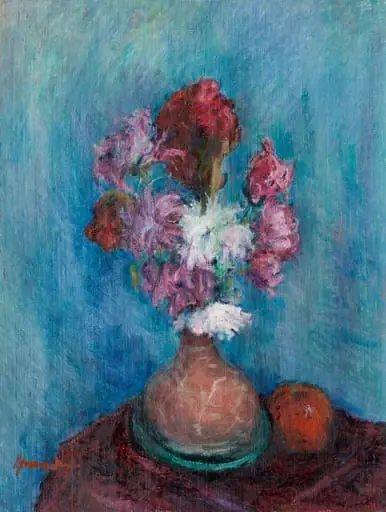
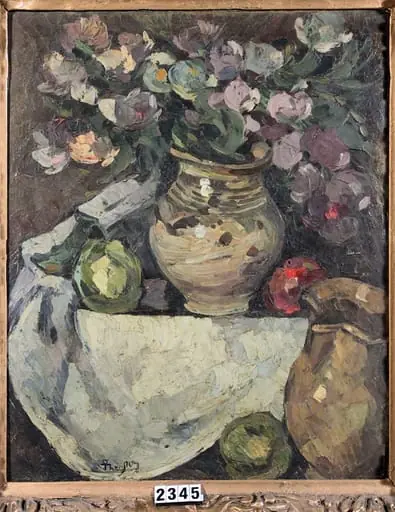
Painted around 1927, Vas cu flori is a still life by Romanian artist Theodor Pallady. It depicts a transparent vase filled with vibrant blossoms resting on a dark surface, set against a softly lit wall with a window suggesting natural illumination. The composition is intimate and uncluttered, focusing attention on the interplay of light, color, and form without narrative distraction.
Subject & Meaning
The arrangement of red, orange, and yellow flowers against a muted background emphasizes seasonal vitality and quiet domesticity. The choice of transparent glass and loose brushwork invites contemplation of transience — the fleeting beauty of blooming plants. There is no overt symbolism; the work’s resonance lies in its restrained celebration of ordinary, ephemeral moments.
Technique & Style
Pallady employed loose, expressive brushstrokes and areas of impasto to capture the texture and movement of petals and leaves. The thick application of paint in the flowers contrasts with the smooth, thin washes of the background, enhancing the sense of depth and luminosity. The visible brushwork conveys immediacy, as if the scene was observed and rendered in a single sitting.
History & Provenance
Created during Pallady’s mature period in Romania, the painting reflects his synthesis of French modernism and Romanian sensibility. While specific ownership records are not widely documented, the work is recognized as part of his significant body of still lifes from the 1920s, often held in private collections or national institutions in Romania.
Context
In the 1920s, Pallady was part of a generation of Romanian artists engaging with post-Impressionist and Fauvist approaches after years in Paris. Vas cu flori aligns with broader European trends favoring personal expression over academic realism, yet retains a quiet, introspective tone distinct from the more radical avant-garde movements of the time.
Legacy
The painting exemplifies Pallady’s enduring contribution to Romanian modernism through his sensitive handling of light and color. Though not widely exhibited internationally, it remains a touchstone in discussions of early 20th-century Romanian painting, admired for its lyrical restraint and technical subtlety.
Artist & collection
Artist
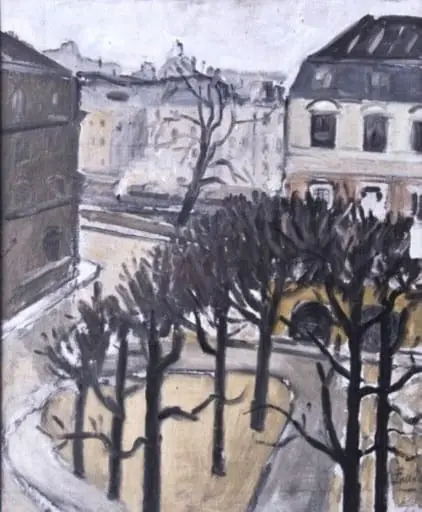
Theodor Pallady made still lifes and interiors in early 20th-century Bucharest. His Place Dauphine shows a quiet Parisian square, while Natură moartă (Ulcică cu flori și chibrituri) piles everyday objects on a table.…