Artwork
Peisaj
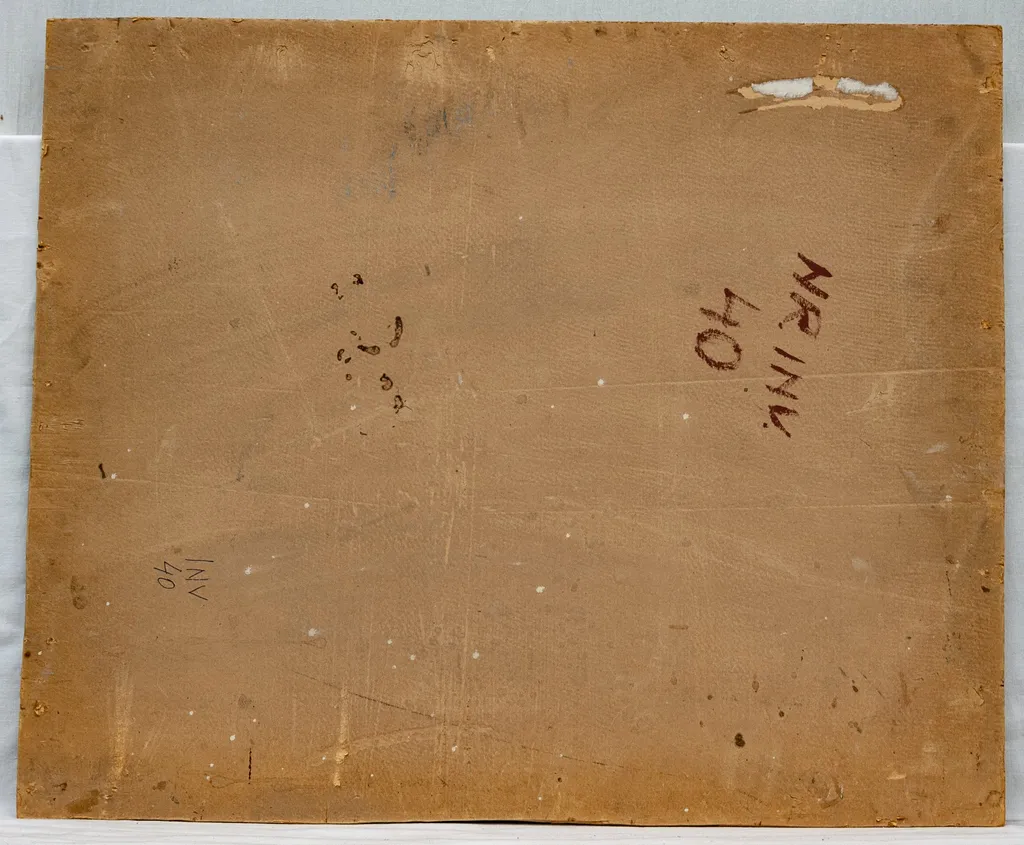
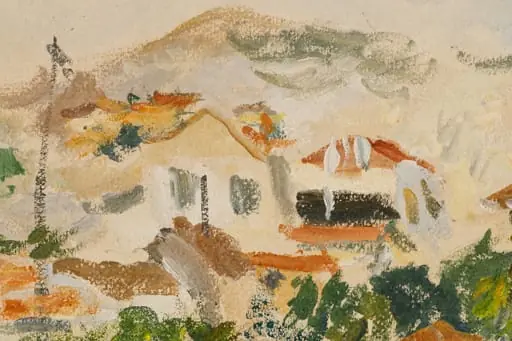
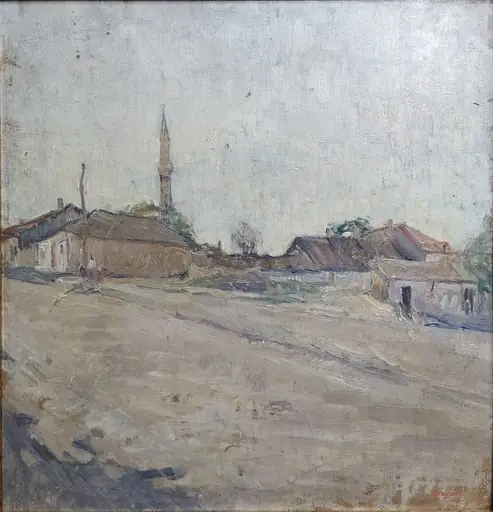
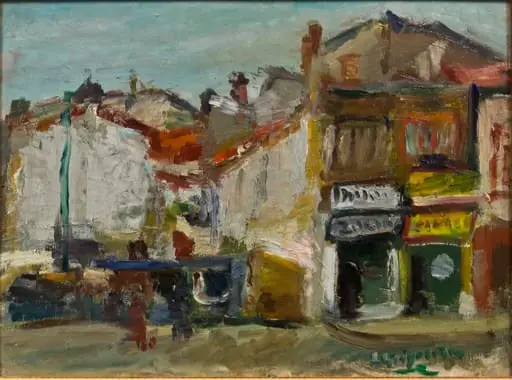
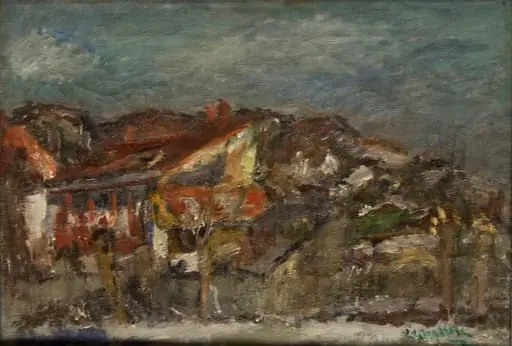
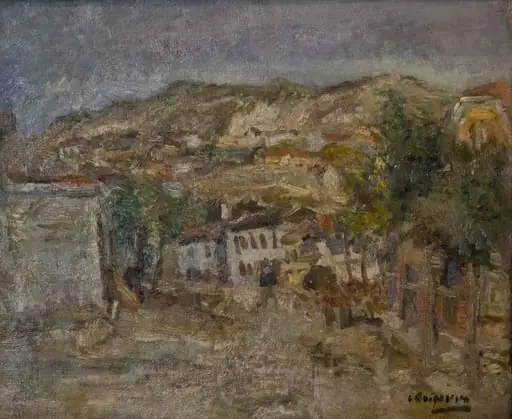
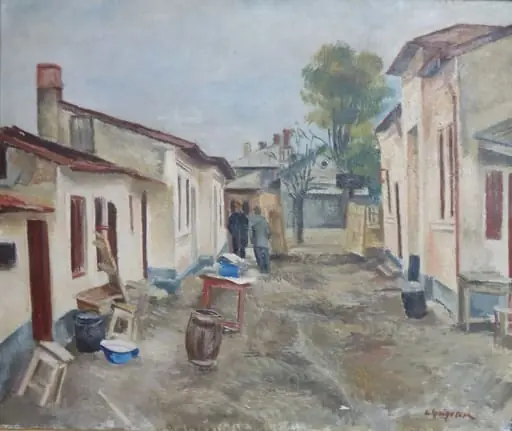
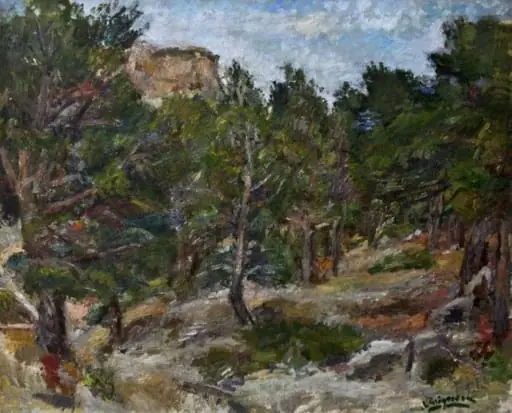
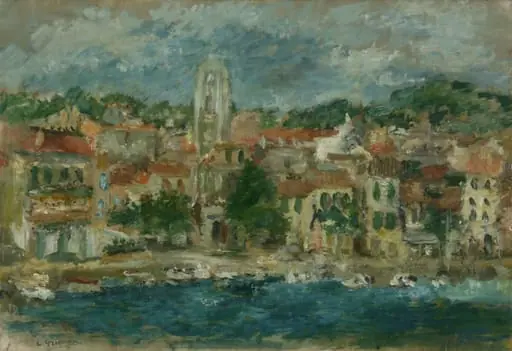
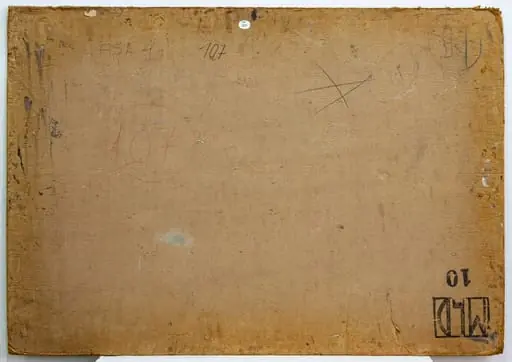
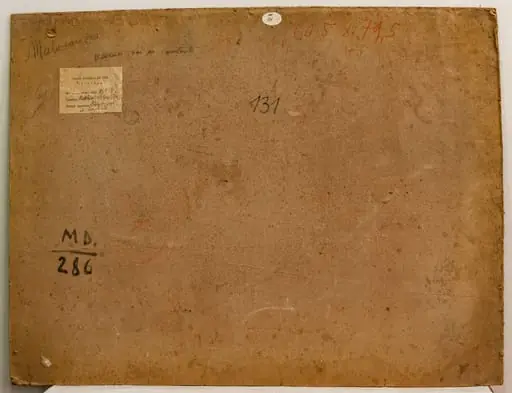
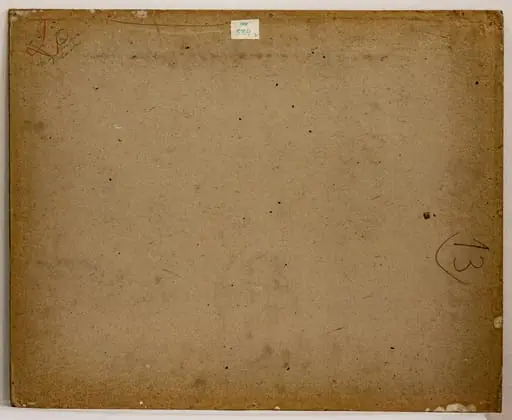
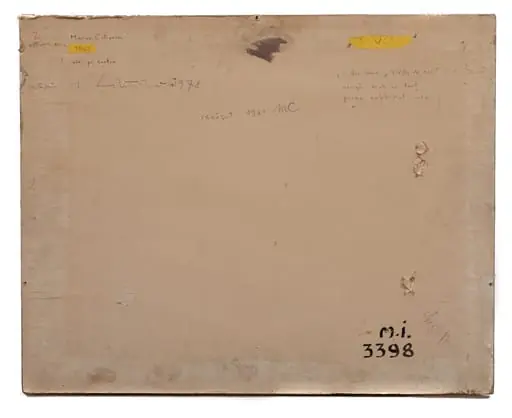
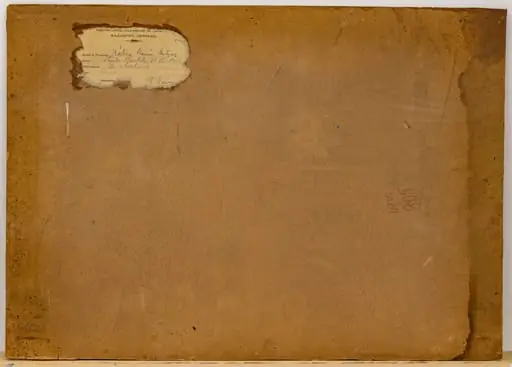
Peisaj is an unspecified painting by Lucian Grigorescu. It is held in the collection of the Gavrila Simion Eco-Museum Research Institute Tulcea. This work presents only an unadorned canvas, its surface worn and marked by time.
About this work
Overview
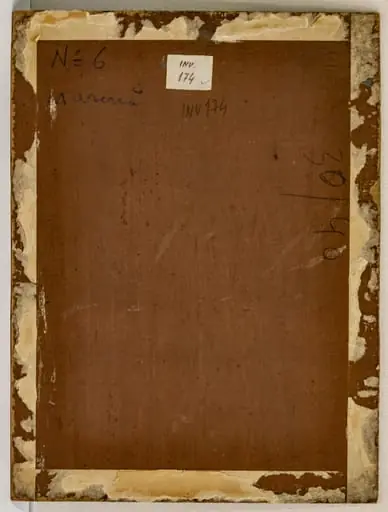
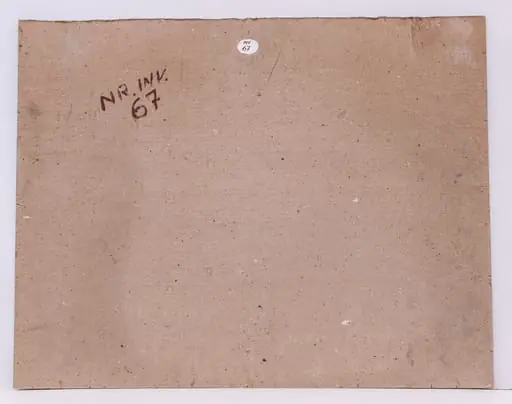
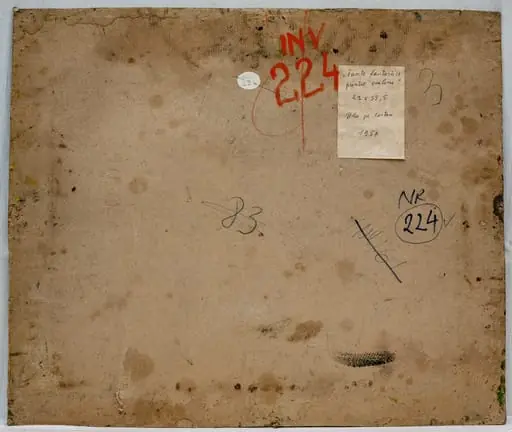
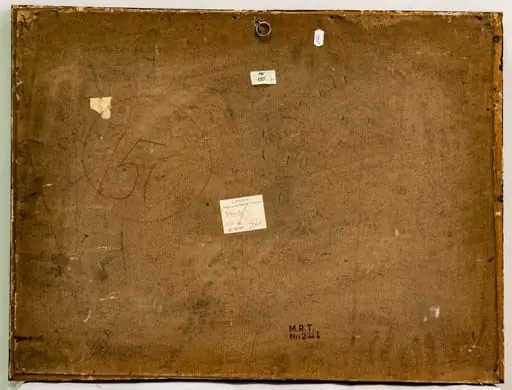
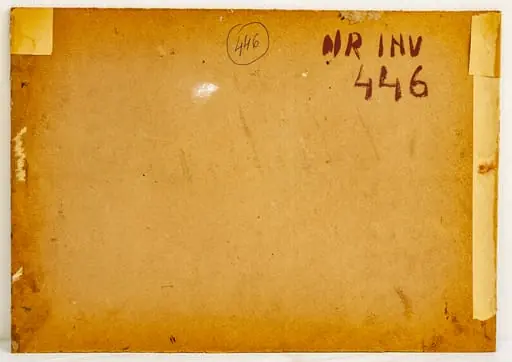
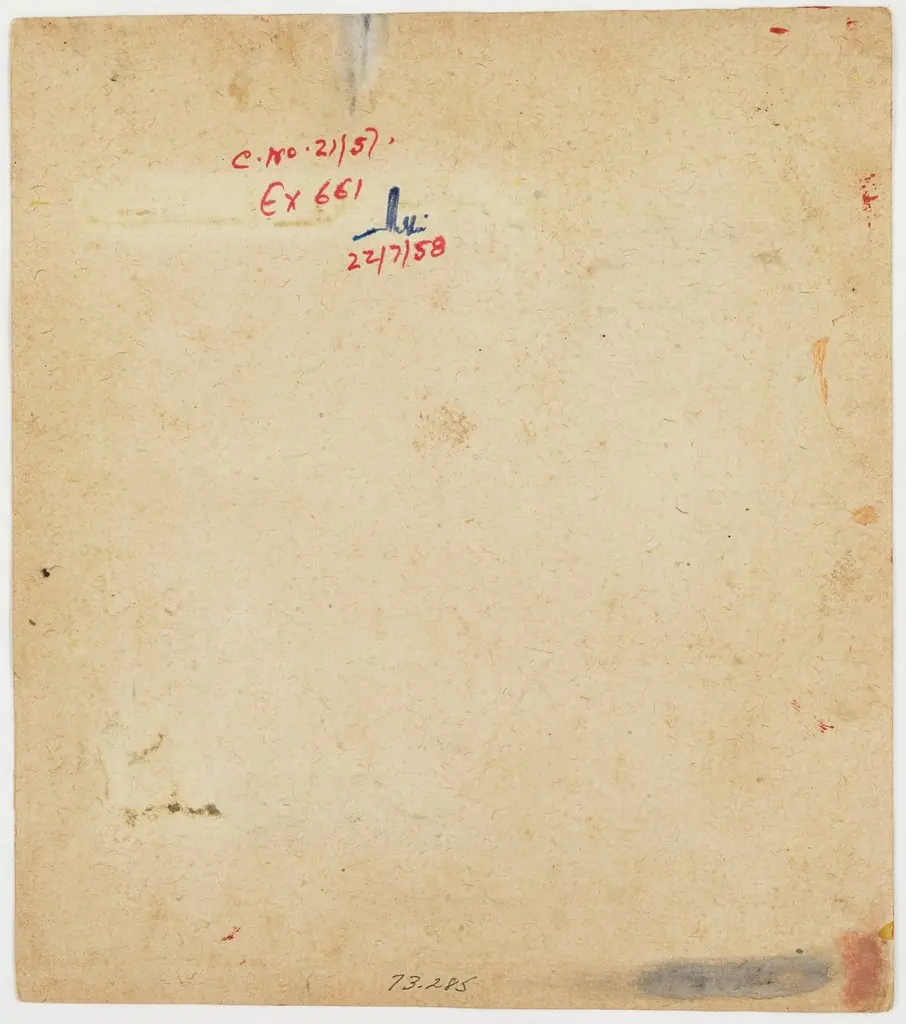
This work presents only an unadorned canvas, its surface worn and marked by time. No painted imagery exists—only the raw material of the support remains. Faint traces of a red stamp and a handwritten numeral suggest administrative handling, yet no artist’s signature or compositional intent is visible. The absence of form turns the canvas itself into the subject of observation.
Subject & Meaning
The work offers no representational subject. Its meaning arises from its incompleteness: a void where a landscape or scene might have been. This silence invites reflection on artistic process, abandonment, or the limits of expression. It resists narrative, instead foregrounding the physicality of the support as a relic of unfulfilled intention.
Technique & Style
No brushwork, pigment, or compositional structure is present. The canvas bears only signs of age—minor tears, discoloration, and surface soiling. The lack of technique is itself the technique. The work operates outside conventional stylistic categories, existing as a material artifact rather than a visual composition.
History & Provenance
The faded red stamp and handwritten number imply institutional or storage documentation, possibly from a collection or studio archive. No record of exhibition, ownership, or creation is provided. The work’s origin remains undocumented, leaving its status as unfinished, lost, or deliberately erased uncertain.
Context
This piece aligns with early 20th-century Romanian artistic practices that sometimes explored the boundaries of representation. Artists like Lucian Grigorescu engaged with ambiguity and material presence, challenging expectations of what a painting should contain. This canvas may reflect similar inquiries into absence as a formal device.
Legacy
The work endures not as a completed image but as a trace of artistic possibility. It contributes to discussions on unfinished art, the role of the support, and the value of absence in modernist practice. Its significance lies in its silence—inviting contemplation rather than interpretation.
Artist & collection
Artist
Lucian Grigorescu painted quiet scenes of cities and coasts, mostly in oil on canvas.
Museum
Gavrila Simion Eco-Museum Research Institute Tulcea
Continue through works from the same source collection.