Artwork
Peisaj
Peisaj is a print by Aurel Băeșu. It dates from 1922 and is held in the collection of the Gavrila Simion Eco-Museum Research Institute Tulcea.
About this work
Overview
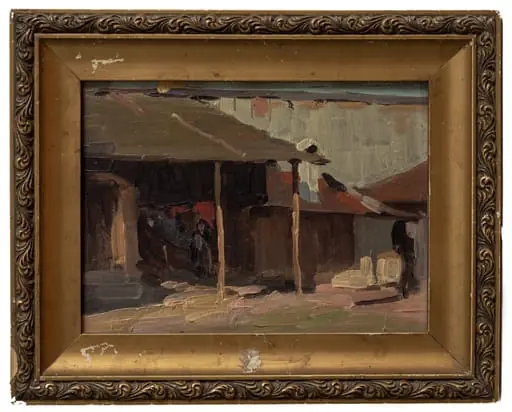
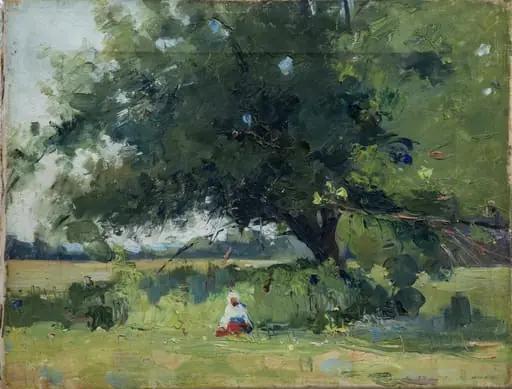
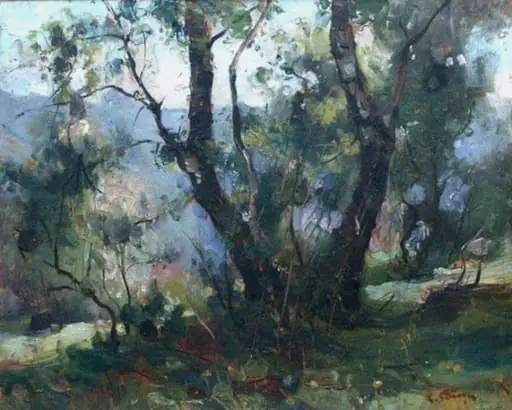
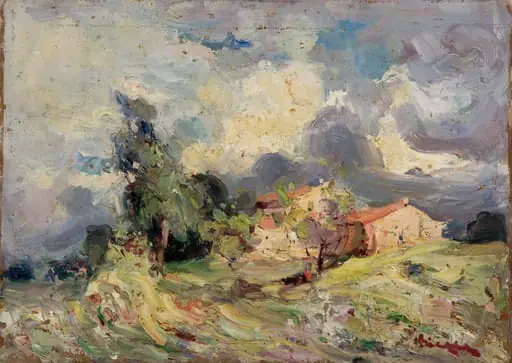
Peisaj is a landscape painting created by Romanian artist Aurel Băeșu around 1922, characterized by its Impressionist style, emphasizing light and natural scenery.
Subject & Meaning
The subject of Peisaj is a natural landscape, typical of Impressionist themes. While the front of the painting is not shown, the style suggests a depiction of outdoor life, capturing the fleeting effects of light.
Technique & Style
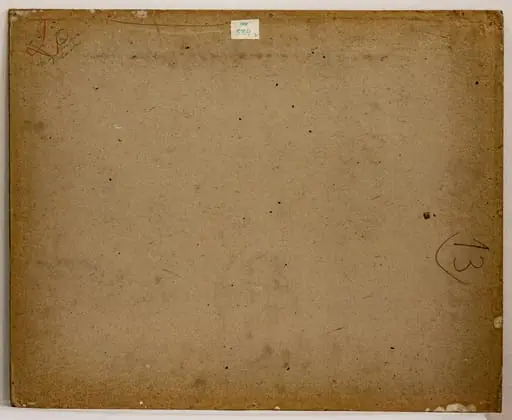
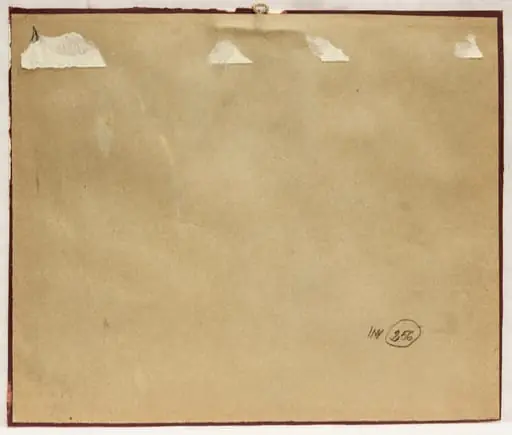
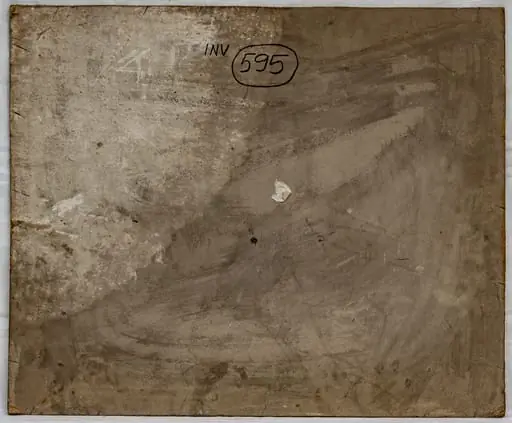
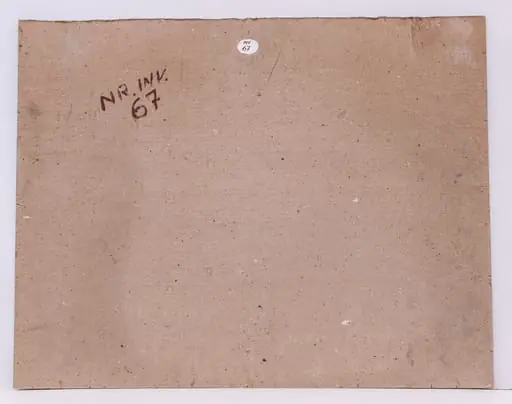
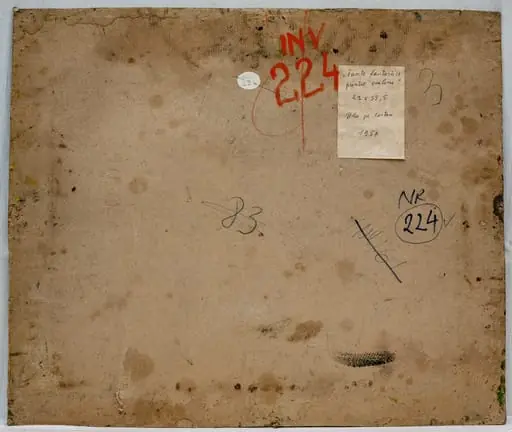
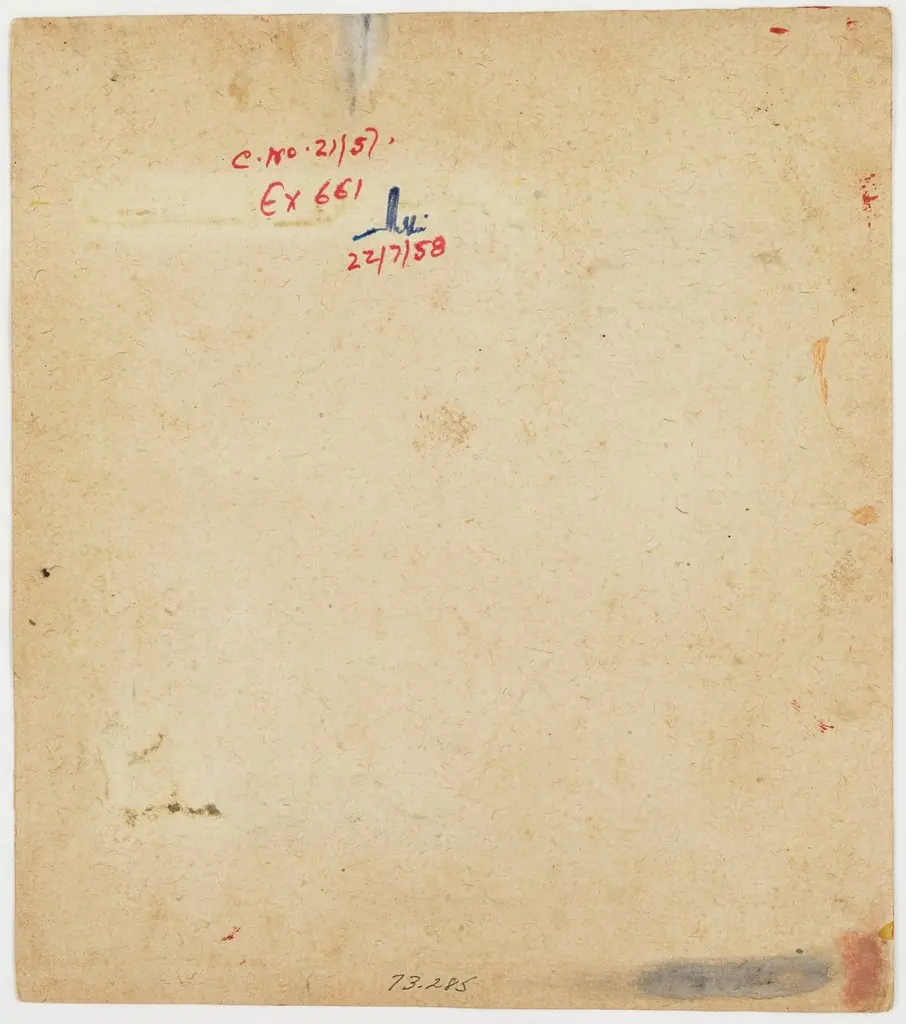
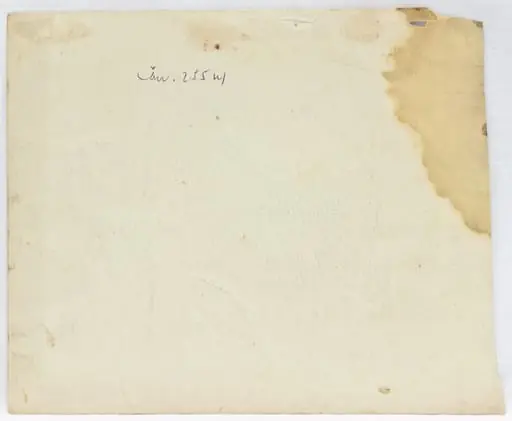
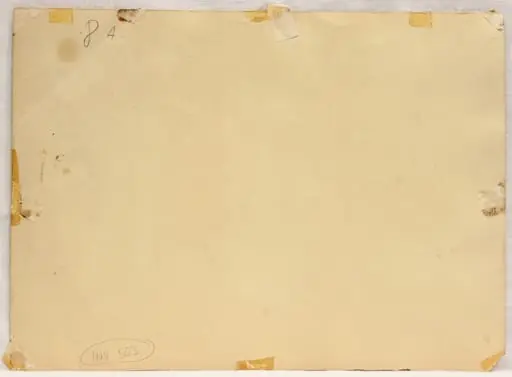
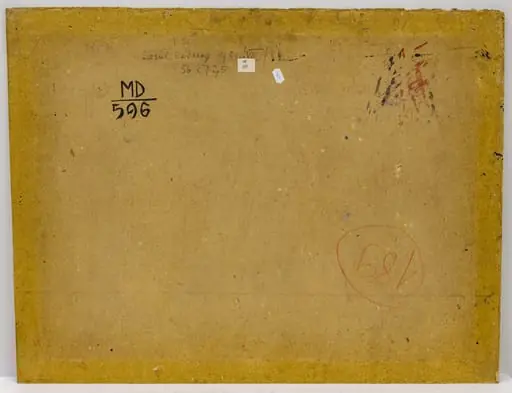
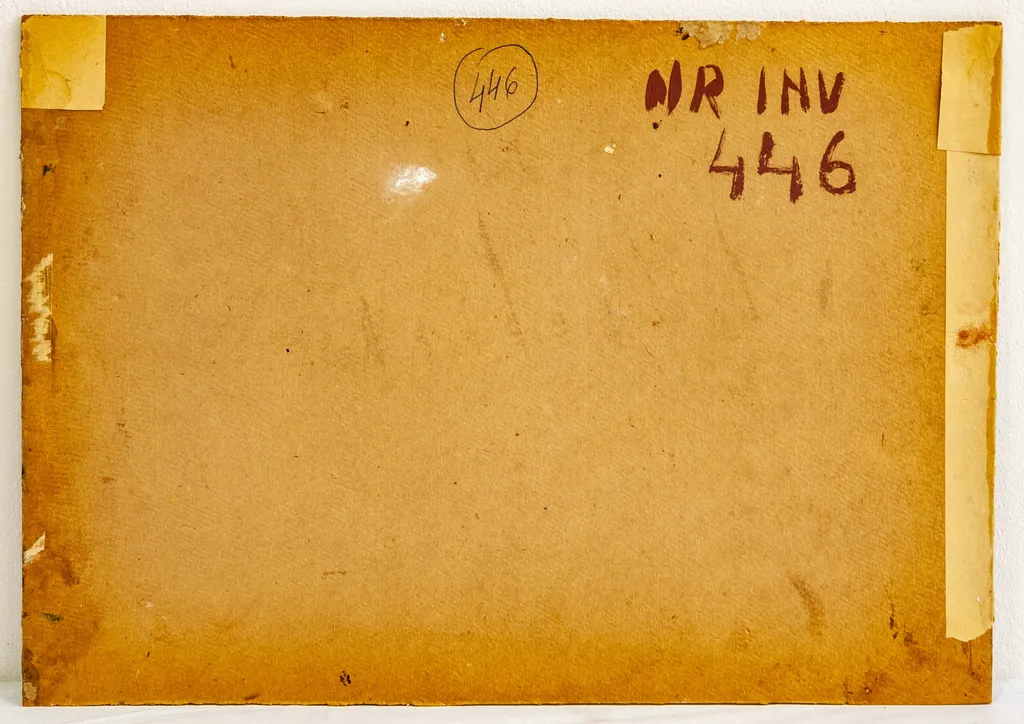
Influenced by Nicolae Grigorescu, Peisaj reflects Romanian Impressionism, with an emphasis on light’s role in shaping the natural scene. However, the provided image shows the back of the painting, revealing a worn, brown paper-like surface with handwritten notes and archival markings.
History & Provenance
Created circa 1922 by Aurel Băeșu, Peisaj is currently part of the Museum of Ethnography’s collection. The back of the painting features archival identifiers, including '446' and 'MR INV 446', indicating its documented history within the museum.
Context
The image of Peisaj’s back provides contextual clues about its age, archival process, and institutional care. The tears, tape, and handwritten notes suggest a piece with a tangible history of handling and preservation.
Artist & collection
Artist
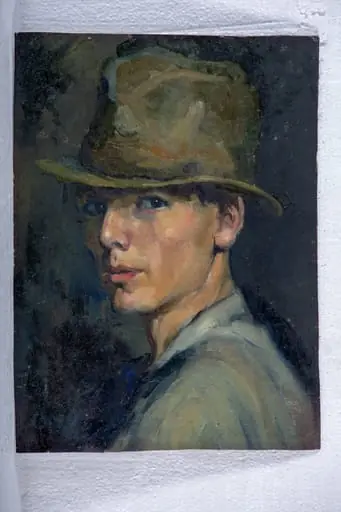
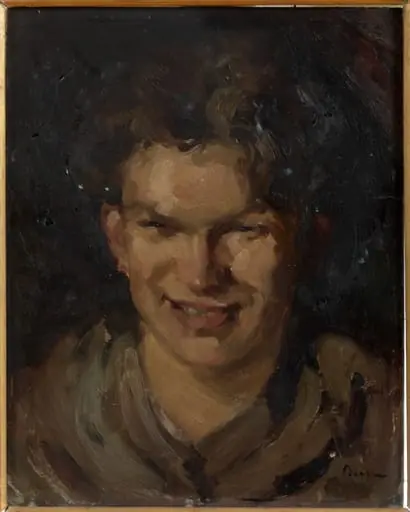
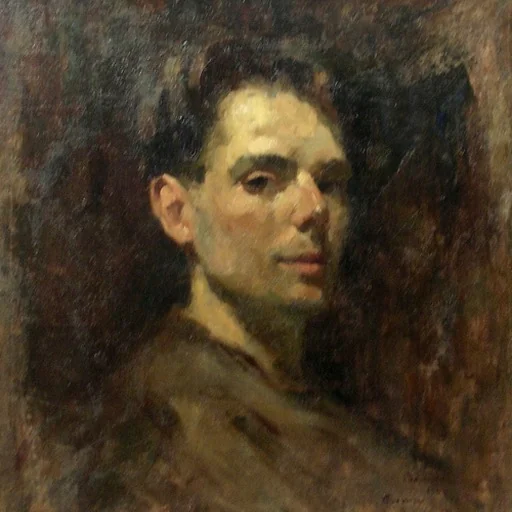
Aurel Băeșu (26 May 1896 – 24 August 1928) was a Romanian Impressionist landscape and portrait painter. Many of his works show the influence of Nicolae Grigorescu; an influence that was common among painters of his generation.
Museum
Gavrila Simion Eco-Museum Research Institute Tulcea
Continue through works from the same source collection.