Artwork
Peisaj din Constanța
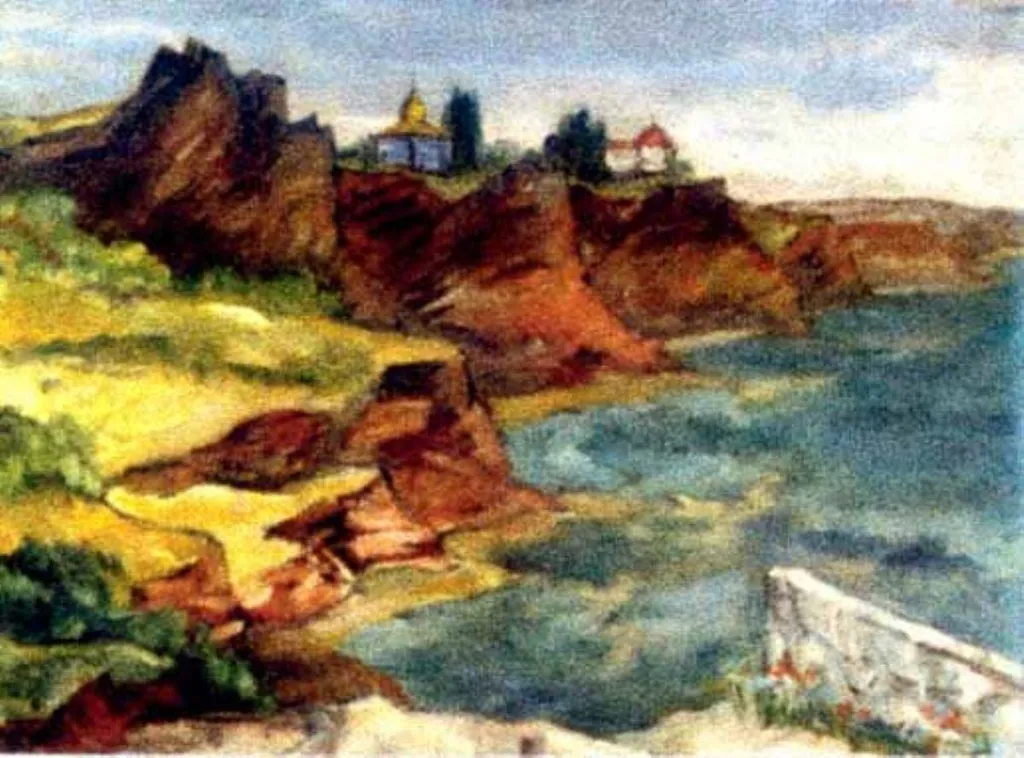
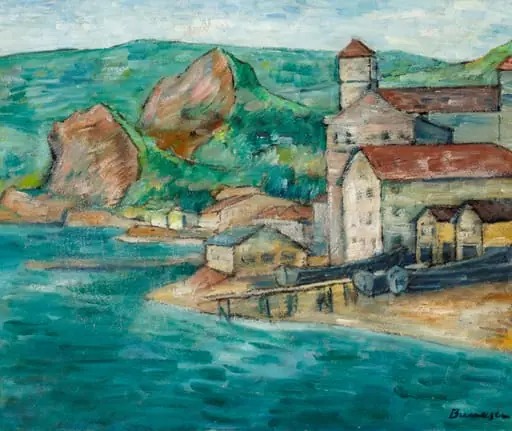
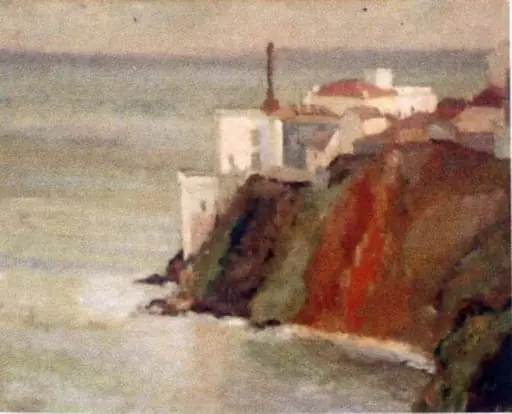
Peisaj din Constanța is an unspecified painting by Marius Bunescu. It dates from 1932 and is held in the collection of the Art Museum of Constanta.
About this work
Overview
The work is part of the collection at the Museum of Ethnography, where it is preserved as an example of early 20th-century Romanian regional painting.
Painted in 1932 by Marius Bunescu, Peisaj din Constanța is a landscape depicting the coastal terrain near the Romanian port city. The work is part of the collection at the Museum of Ethnography, where it is preserved as an example of early 20th-century Romanian regional painting. Its physical surface is marked by deliberate textural variation, suggesting a tactile engagement with the natural environment.
Subject & Meaning
The scene portrays a rugged shoreline with steep cliffs, sparse vegetation, and distant architecture featuring golden domes. The composition suggests a quiet, unidealized view of Constanța’s periphery, avoiding human activity in favor of geological and architectural elements. The placement of buildings on the horizon implies a subtle relationship between nature and settled life, without overt symbolism or narrative.
Technique & Style
Bunescu employed thick, layered brushwork to render the cliffs and rocks, creating a pronounced impasto effect that emphasizes their physicality. The palette combines muted earth tones with cool blues for the sea, while the sky remains pale and unobtrusive. The texture invites a sense of touch, transforming the canvas into a surface that mirrors the unevenness of the landscape itself.
History & Provenance
The painting was completed in 1932 and entered the Museum of Ethnography’s holdings shortly thereafter. Its acquisition reflects institutional interest in documenting regional Romanian landscapes during the interwar period. There is no documented public exhibition history prior to its inclusion in the museum’s permanent collection, suggesting it was acquired directly from the artist or a private collector.
Context
Created during a period when Romanian artists increasingly turned to local scenery as a subject, the work aligns with broader efforts to define a national visual identity. Unlike urban or historical themes, Bunescu focused on the unadorned coast, capturing a place often overlooked in favor of more celebrated landmarks. This choice reflects a shift toward intimate, topographical observation in interwar Romanian art.
Legacy
Peisaj din Constanța remains a representative example of Bunescu’s mature style and his commitment to capturing the material presence of the Romanian landscape. While not widely reproduced, it contributes to scholarly understanding of how regional geography was visually interpreted during the interwar years. Its preservation in an ethnographic museum underscores its role as cultural documentation rather than purely aesthetic expression.
Artist & collection
Artist
A Romanian painter who captured the city’s quiet corners, Marius Bunescu’s brush brought old streets and half-collapsed theaters to life.

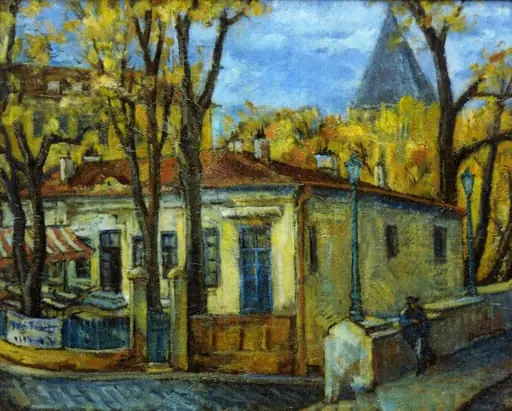
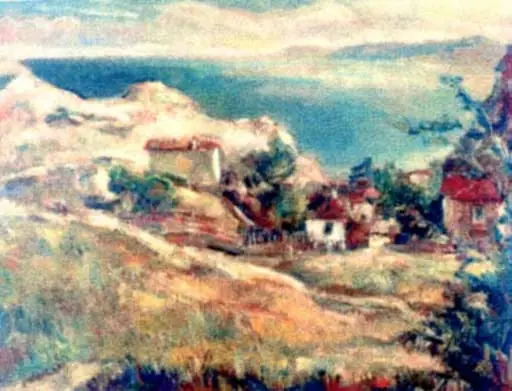 Râpă la Balcic (O râpă)
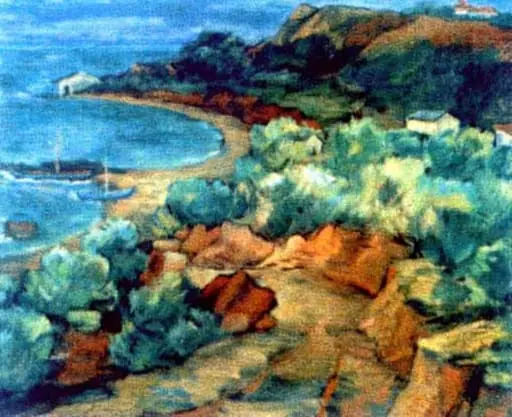 Înainte de furtună (La Carmen Sylva)
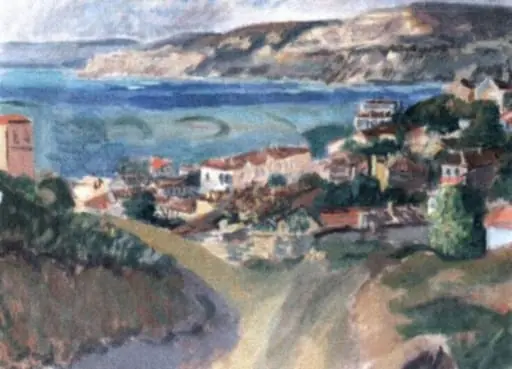 Peisaj la malul mării/ Peisaj de coastă cu dealuri
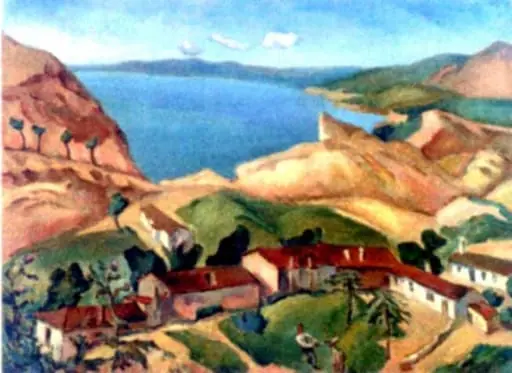 Peisaj în galben și albastru
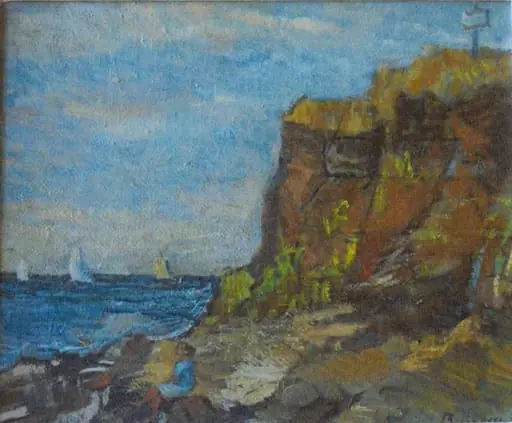 Faleză la Constanța
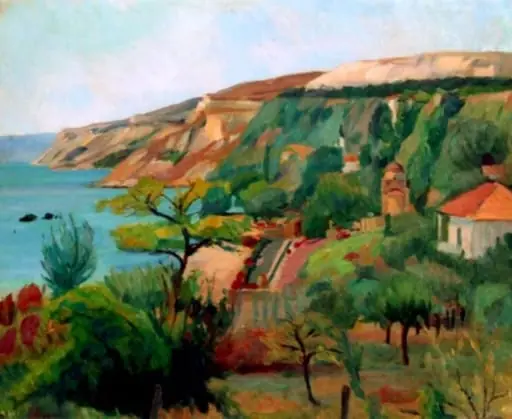 Grădini la marginea mării
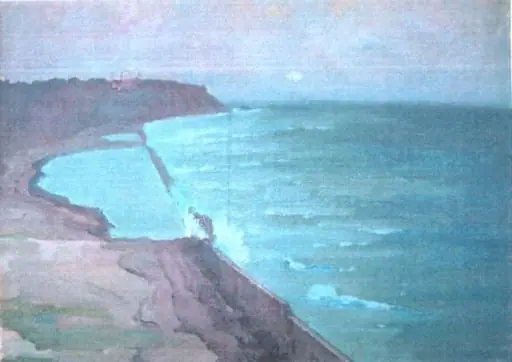 Diguri la Marea Neagră
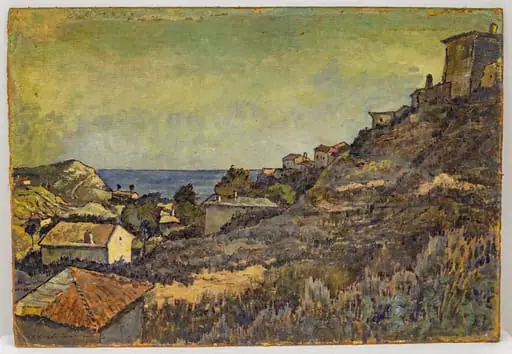 Peisaj din Balcic
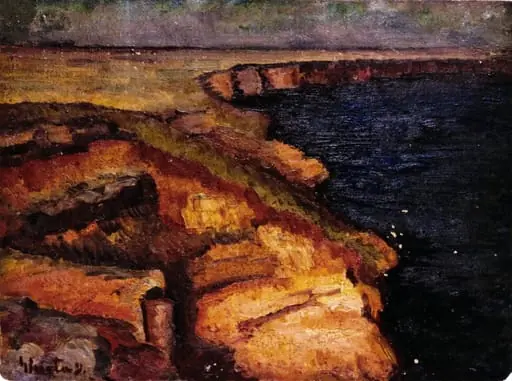 Peisaj marin - Caliacra
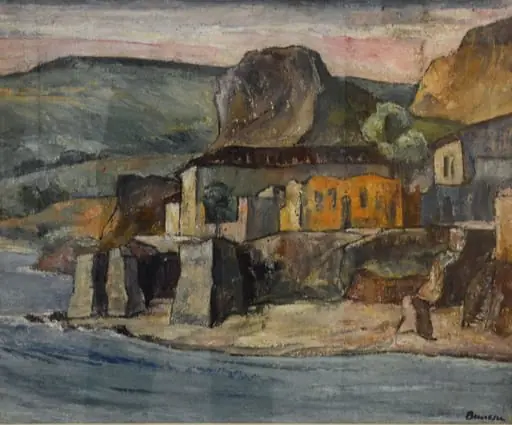 Peisaj (Digul rupt)
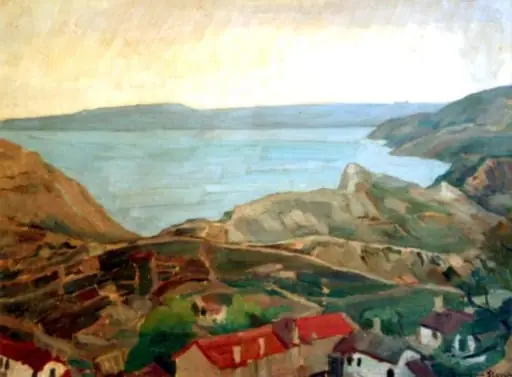 Singurătăți poetice
 Peisaj din Constanța