Artwork
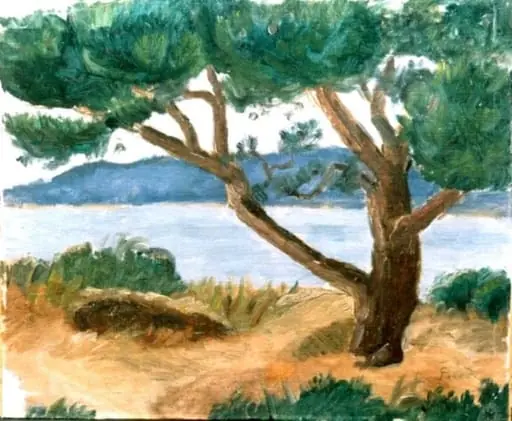
Peisaj din Constanța
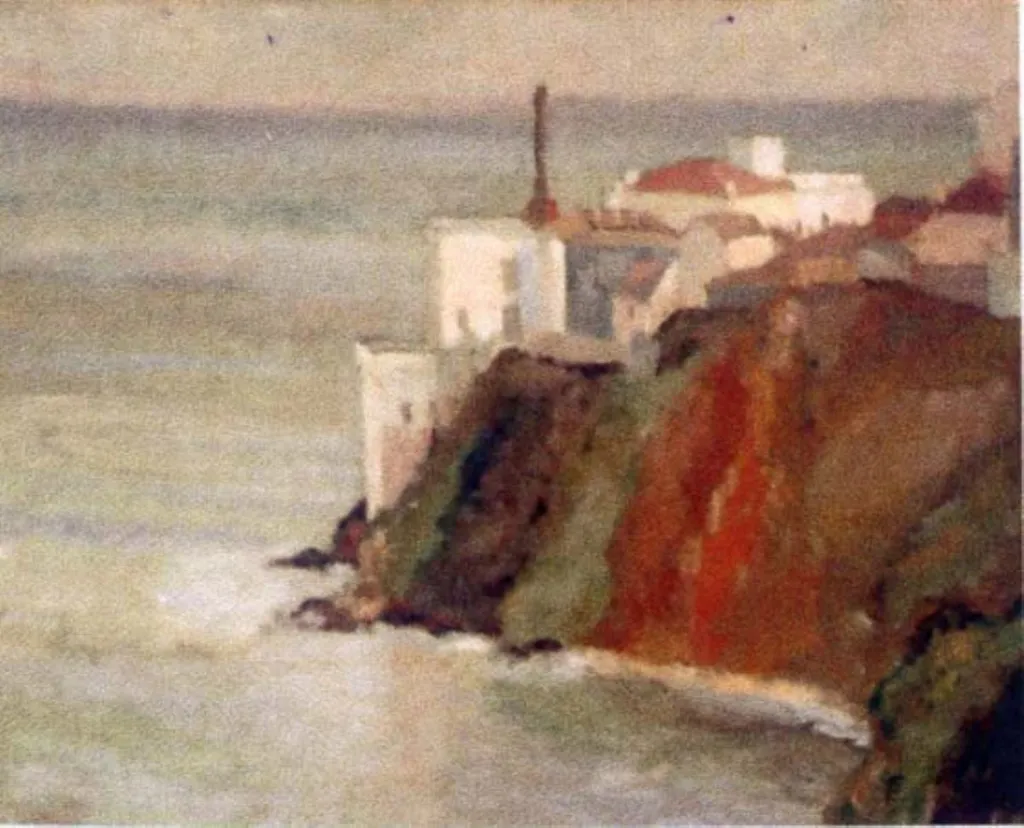
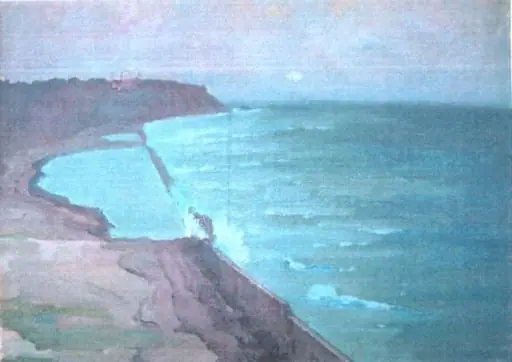
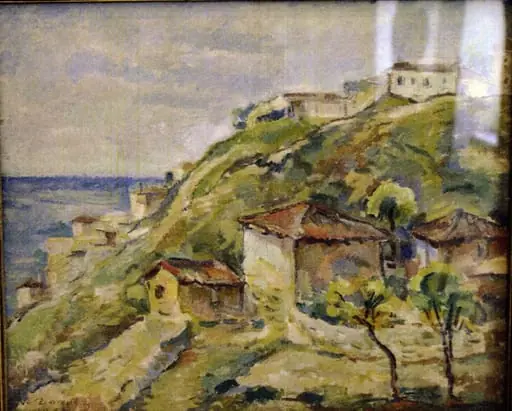
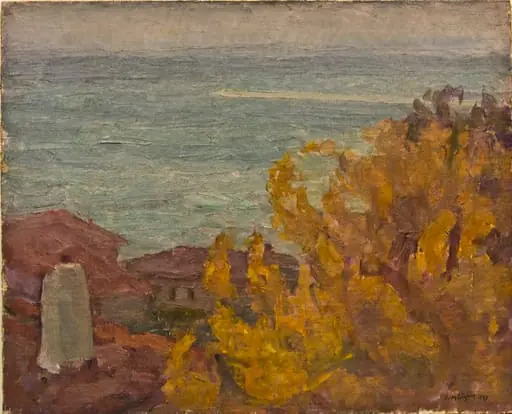
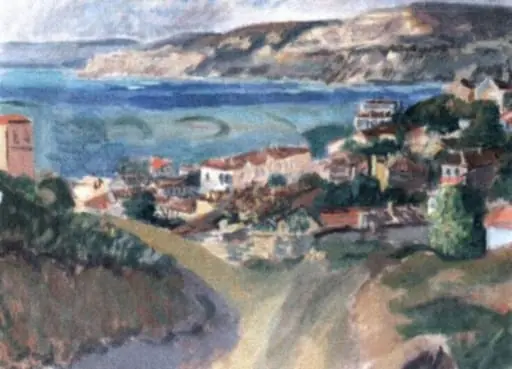
Peisaj din Constanța is an unspecified painting by Theodor Pallady. It dates from 1921 and is held in the collection of the Art Museum of Constanta.
About this work
Overview
The work titled *Peisaj din Constanța* dates from around 1921 and is attributed to Romanian painter Theodor Pallady. Executed in oil on canvas, the piece is part of the collection of the Museum of Ethnography, where it is displayed among other early‑twentieth‑century works.
Subject & Meaning
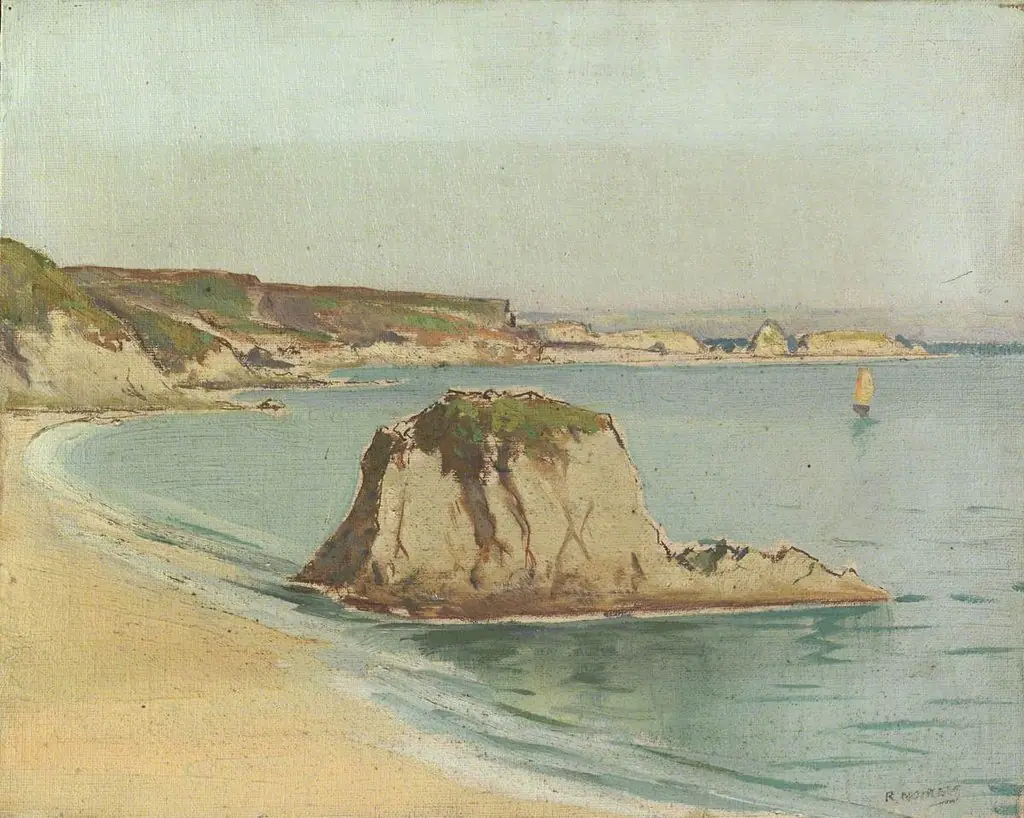
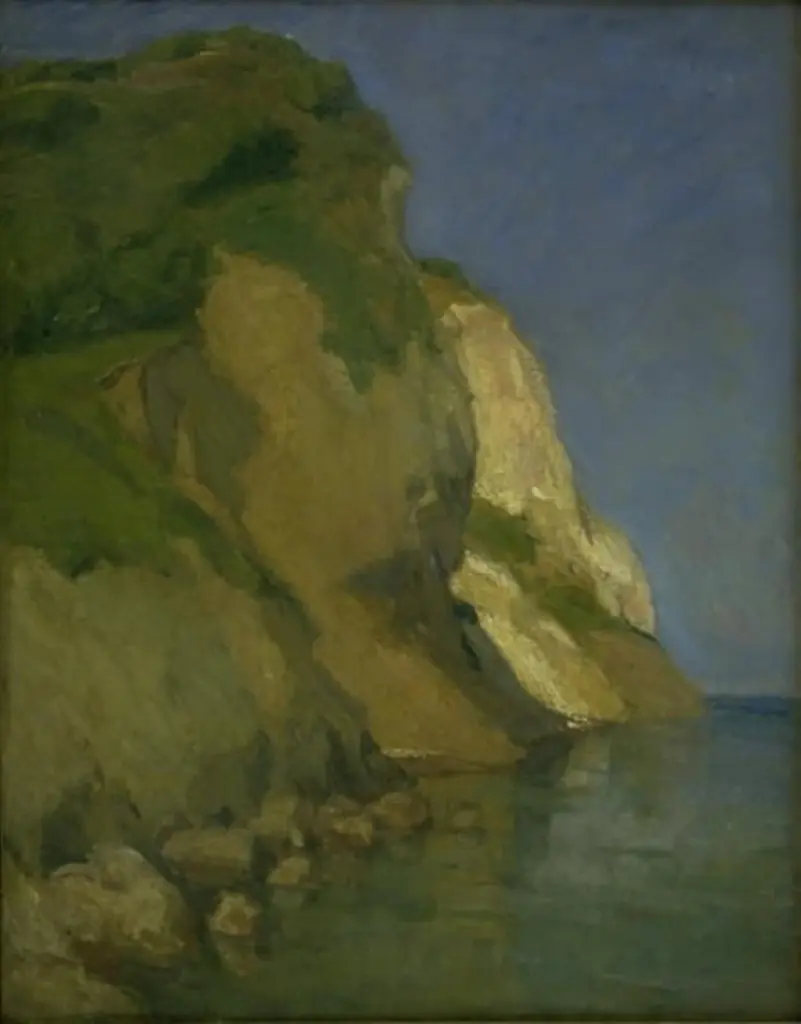
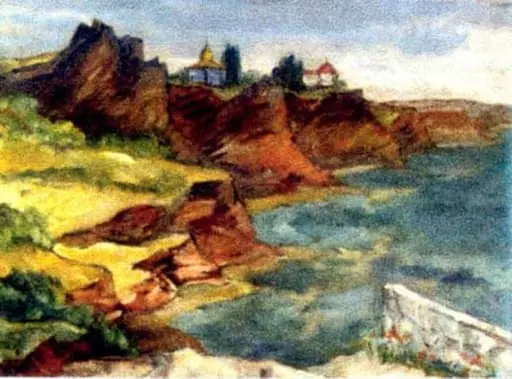
The composition depicts a tranquil stretch of coastline near the Black Sea port of Constanța. A rugged limestone outcrop projects into the water, while a modest white structure crowns a nearby hill, accompanied by a slender pole that may have once supported a flag or a sail. The muted palette and sparse details convey a sense of calm and isolation.
Technique & Style
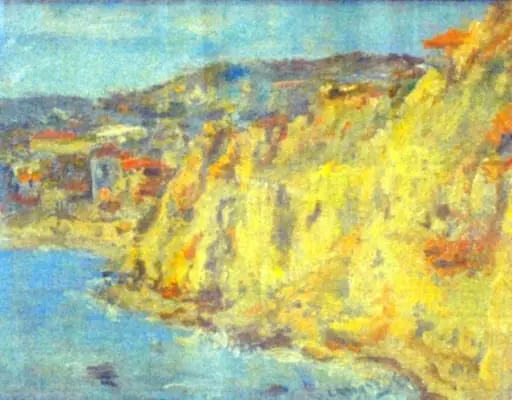
Pallady employs a loosely applied brushwork that borders on the sketchy, allowing the paint’s texture to remain evident across the canvas. The surface shows visible strokes, especially on the cliff and water, creating an impasto effect that emphasizes the materiality of the medium. This approach lends the scene an unfinished, immediate quality.
History & Provenance
Created in the early 1920s, the painting entered the Museum of Ethnography’s holdings sometime after its completion, though precise acquisition details remain undocumented. Its presence in the museum aligns with the institution’s broader effort to preserve works that reflect Romanian cultural and geographic identity.
Context
The early 1920s marked a period of transition for Pallady, who was moving away from the academic realism of his earlier career toward a more expressive handling of form and color. *Peisaj din Constanța* reflects this shift, integrating a modest, observational approach to landscape with a modernist sensitivity to surface and texture.
Artist & collection