Artwork
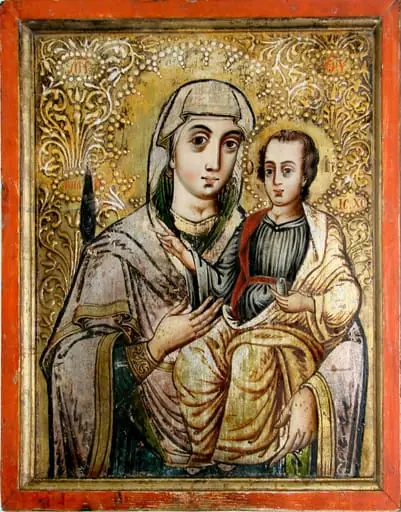
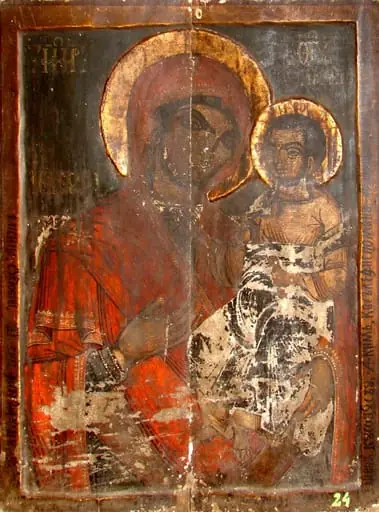
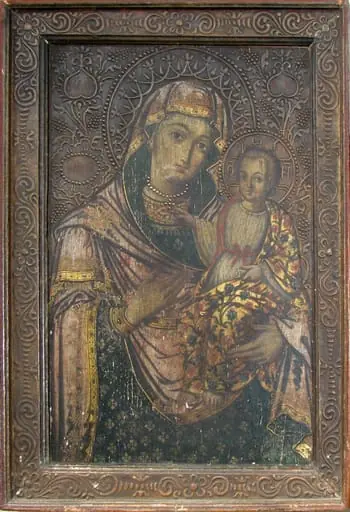
Maica Domnului cu Pruncul
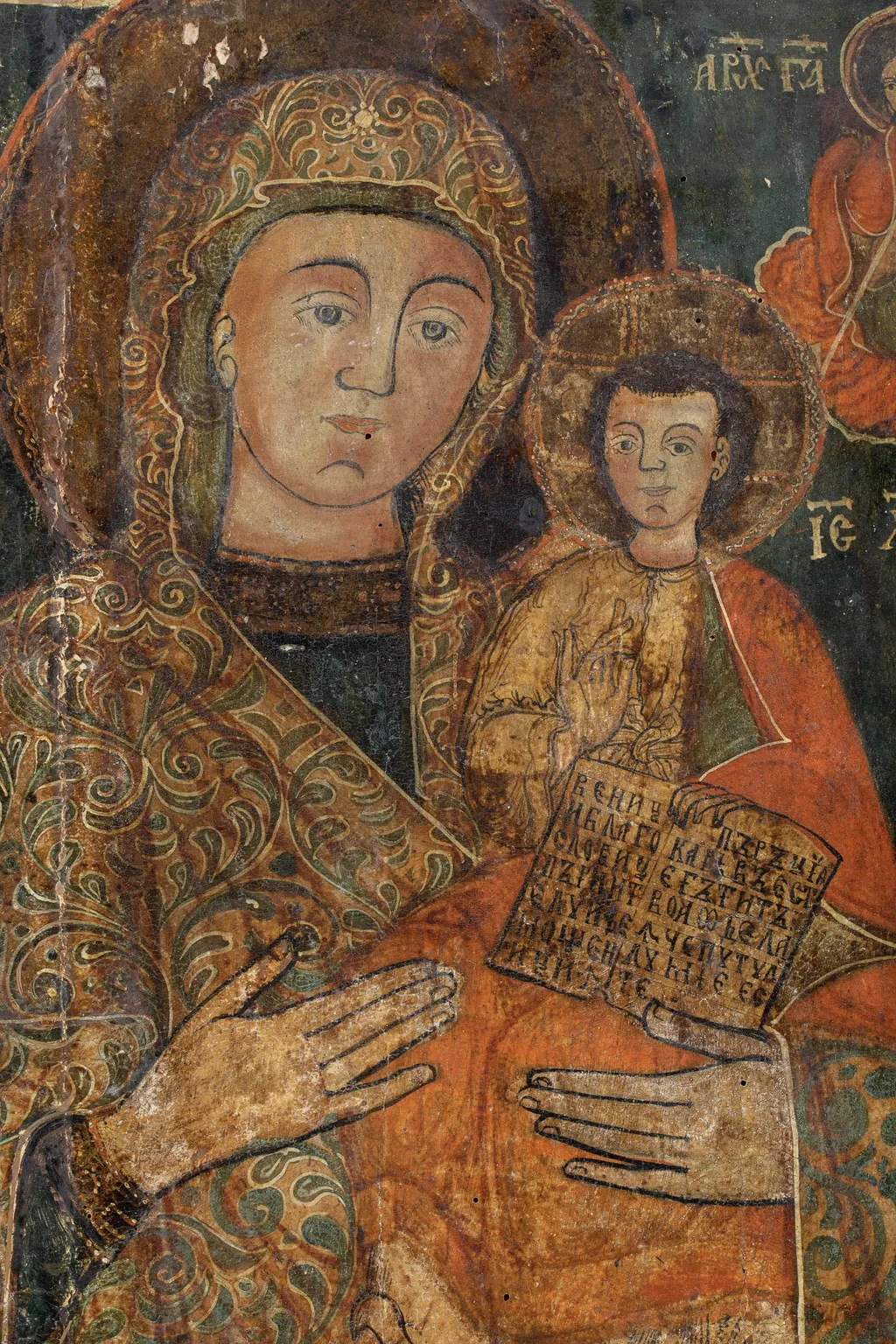
Maica Domnului cu Pruncul is an unspecified painting by the Byzantine icon painting artist Hugo Kołłątaj. It is held in the collection of the Moldova National Museum Complex.
About this work
Overview
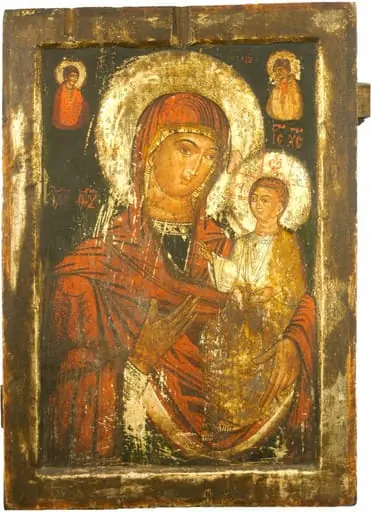
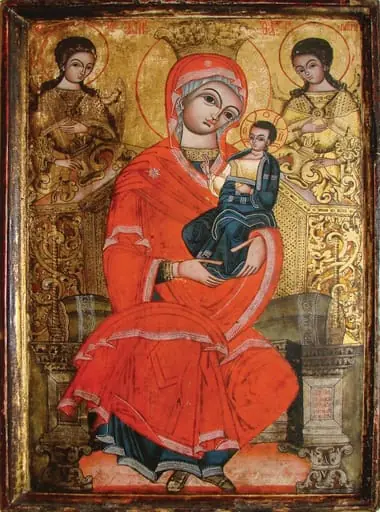
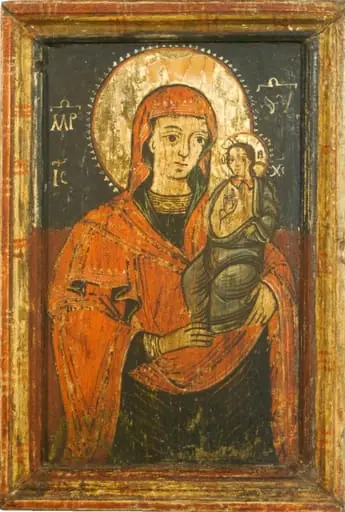
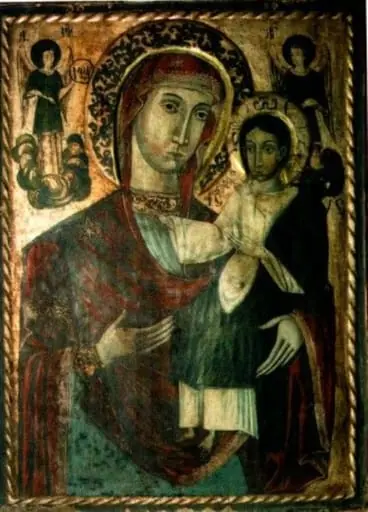
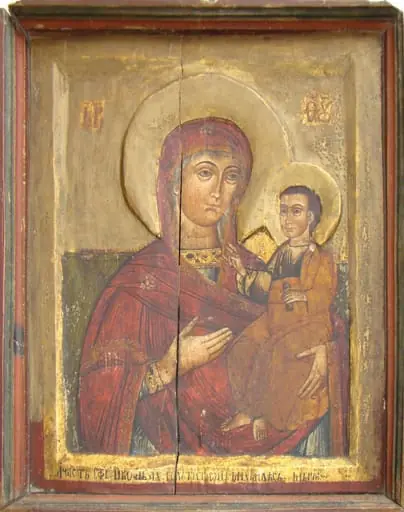
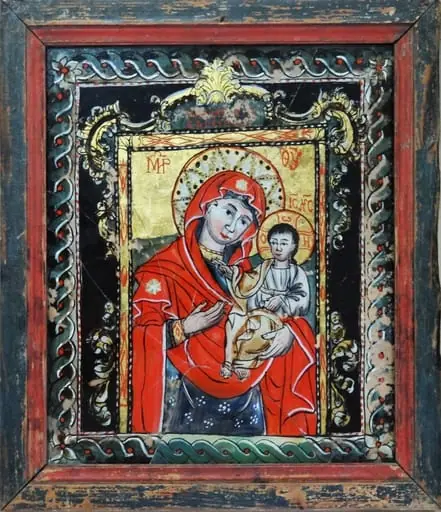
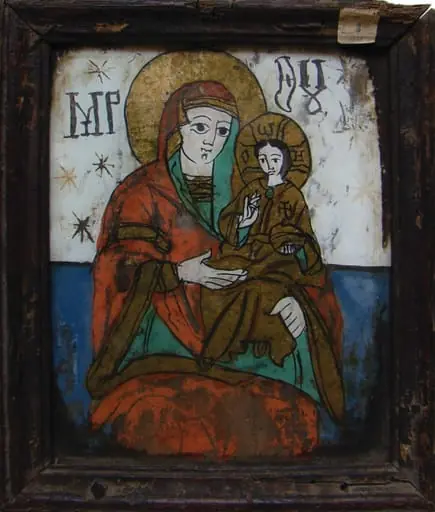
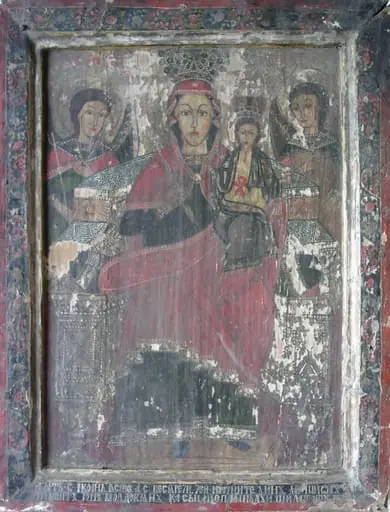
The work titled *Maica Domnului cu Pruncul* presents a pair of seated figures rendered in a muted palette.
The work titled *Maica Domnului cu Pruncul* presents a pair of seated figures rendered in a muted palette. The left-hand figure wears a dark robe adorned with intricate swirling motifs and a golden crown, while the right-hand figure appears smaller, clutching a scroll inscribed with unfamiliar characters and dressed in a modest red‑and‑gold garment. The background is dominated by deep tones, allowing the gold and red accents to stand out.
Subject & Meaning
The composition suggests a religious narrative, likely referencing the Virgin Mary and the infant Jesus, as implied by the title. However, the facial expressions are rendered with a naturalistic calm rather than overt sanctity, and the presence of a scroll introduces an element of textual significance, perhaps indicating a liturgical or instructional moment within the scene.
Technique & Style
The artist employs chiaroscuro, using strong contrasts between illuminated areas and deep shadows to model the figures and give them three‑dimensional presence. Gold leaf or pigment highlights the crown and decorative details, while the overall coloration appears faded, indicating age or a loss of original vibrancy. The swirling patterns on the robe demonstrate a decorative approach typical of late medieval or early Renaissance iconography.
History & Provenance
No specific information about the painting’s date, creator, or ownership is provided. The title, rendered in Romanian, suggests a possible origin in Eastern Europe, where Marian imagery was common in both Orthodox and Catholic contexts. The lack of documented provenance leaves the work’s historical trajectory uncertain.
Context
In Eastern European religious art, depictions of the Mother of God with the Child often combine hierarchical symbolism with intimate domesticity. The inclusion of a scroll is less typical, hinting at a localized devotional practice or a specific patron’s request. The muted color scheme and emphasis on gold align with liturgical aesthetics intended for church interiors.
Artist & collection
Artist
This Polish folk painter worked in the late eighteenth and early nineteenth centuries, creating religious scenes with bold colors and simple shapes.
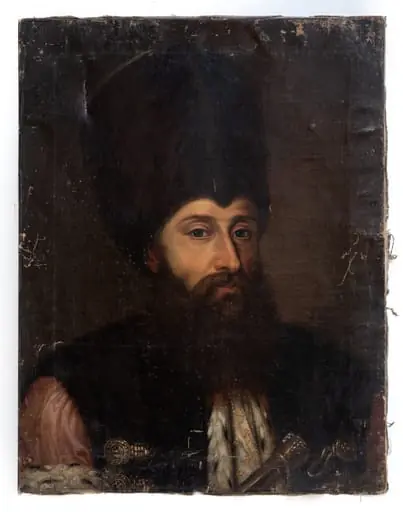 Alexandru Ipsilanti
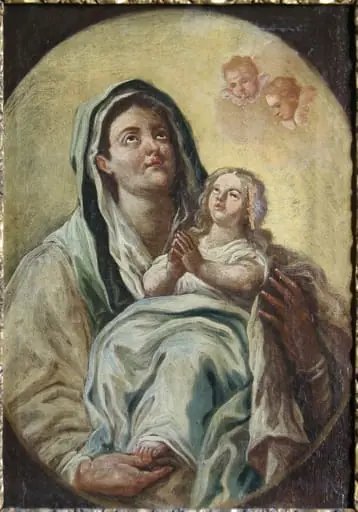 Fecioara Maria cu Pruncul Isus (în Reg. Inv.: Maria cu copilul Isus)
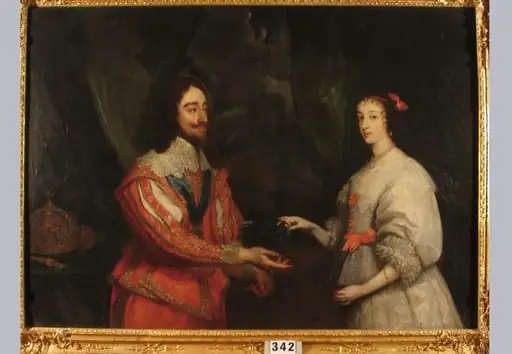 Regele Charles I Stuart al Angliei și soția sa Henrietta Maria de Franța (în Reg. Inv.: Carol I al Angliei și soția sa Henriette din Franța)
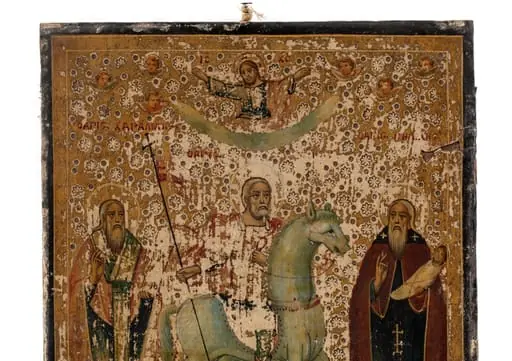 Sfântul Haralambie cu alți doi sfinți
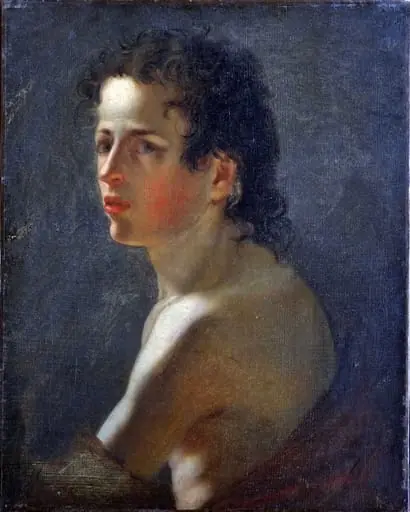 Portret de bărbat
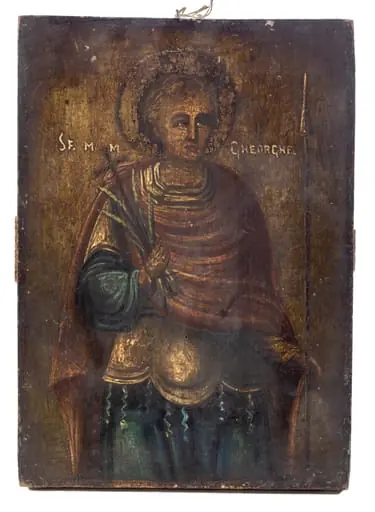 Sfântul Gheorghe
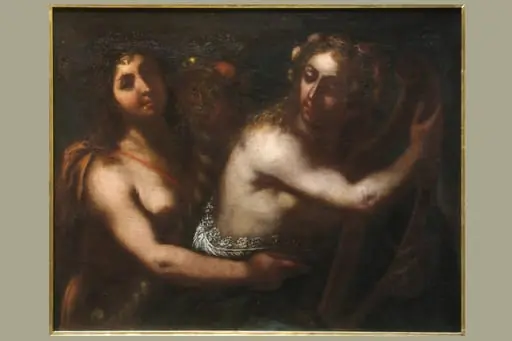 Vertumnus și Pomona (în Reg. Inv.: Vertumnus și Flora)
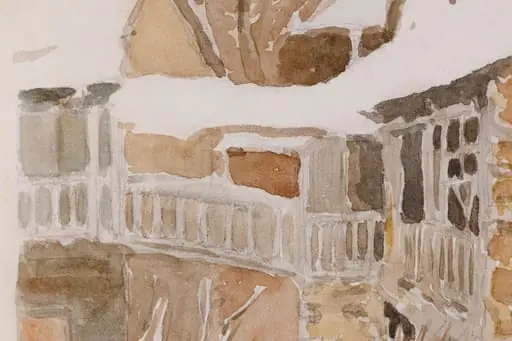 Iarnă
Iarnă