Artwork
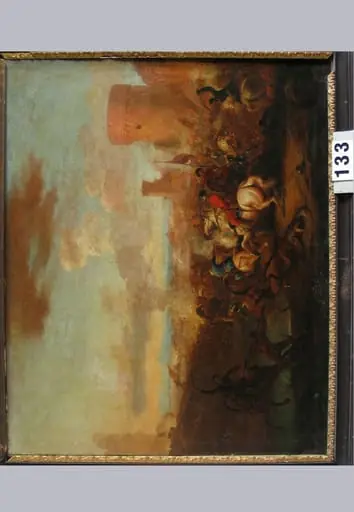
Urmărire după luptă
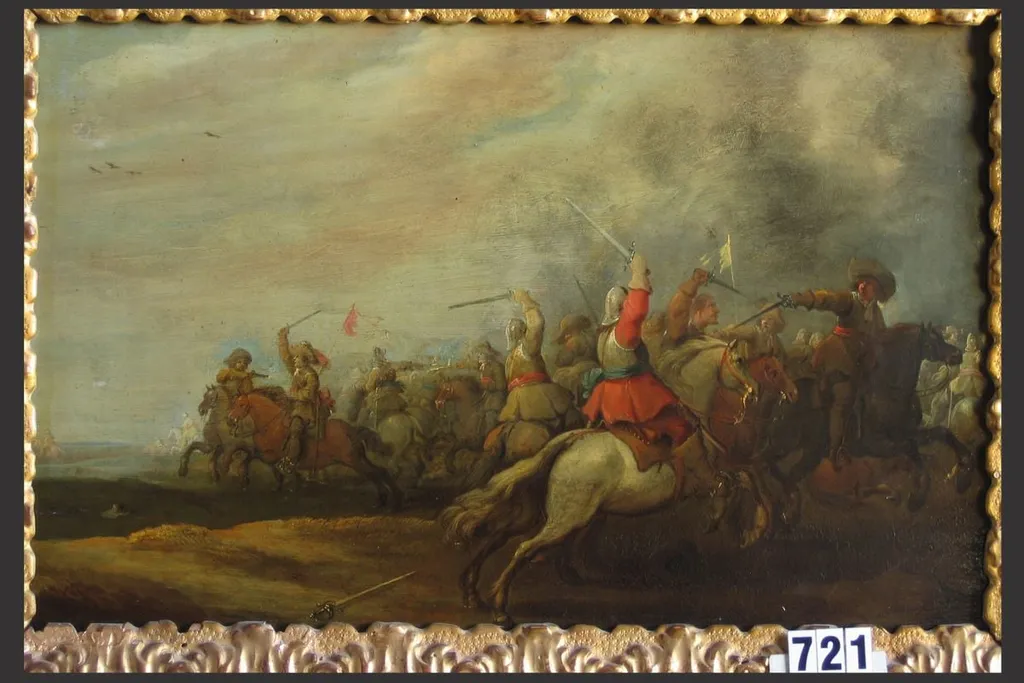
Urmărire după luptă is an unspecified painting by the Baroque artist Hugo Kołłątaj. It dates from 1650 and is held in the collection of the Brukenthal National Museum.
About this work
Overview
Created around 1650, Urmărire după luptă is a painted depiction of a cavalry engagement, attributed to Hugo Kołłątaj.
Created around 1650, Urmărire după luptă is a painted depiction of a cavalry engagement, attributed to Hugo Kołłątaj. The scene captures a moment of motion amid conflict, with mounted figures surging across an open landscape. The composition emphasizes movement and disorder, avoiding idealized heroism in favor of raw, unfiltered action. The work reflects a tradition of battlefield imagery common in Central European art of the period.
Subject & Meaning
The painting portrays a pursuit following combat, as suggested by its title. Soldiers in contrasting attire—some in vivid red, others in darker hues—charge through a dusty plain, weapons raised and banners snapping. The lack of clear narrative focus suggests a moment of transition rather than decisive victory. It conveys the chaos and urgency of warfare without glorifying it, possibly reflecting the turbulent military conditions of 17th-century Eastern Europe.
Technique & Style
The artist employs strong contrasts between light and dark to isolate figures against a muted, flat background. Red uniforms stand out sharply, drawing the eye amid the subdued tones of armor and earth. Horses are rendered with energetic brushwork, suggesting speed and instability. The pale, overcast sky adds to the sense of atmospheric tension. These choices align with early chiaroscuro techniques, used here to heighten drama rather than model form with precision.
History & Provenance
The painting’s early history is undocumented, and no definitive records trace its ownership prior to the 20th century. Attributed to Hugo Kołłątaj based on stylistic analysis and regional context, it likely originated in the Polish-Lithuanian Commonwealth. Its survival suggests it was held in private or ecclesiastical collections, though no archival evidence confirms its path from creation to present.
Context
Produced during a time of frequent border conflicts and internal strife in the Polish-Lithuanian Commonwealth, the painting reflects a cultural environment where military life was deeply embedded in daily reality. Unlike grand historical canvases of Western Europe, this work avoids monumentalism, focusing instead on the immediacy of combat. It aligns with regional traditions that valued direct representation over allegory.
Legacy
Urmărire după luptă remains a rare surviving example of 17th-century Polish battlefield painting. While not widely exhibited, it contributes to scholarly understanding of how local artists interpreted war without reliance on foreign models. Its unembellished style offers insight into the visual language of conflict in a region often overshadowed by more prominent artistic centers of the era.
Artist & collection
Artist
This Polish folk painter worked in the late eighteenth and early nineteenth centuries, creating religious scenes with bold colors and simple shapes.

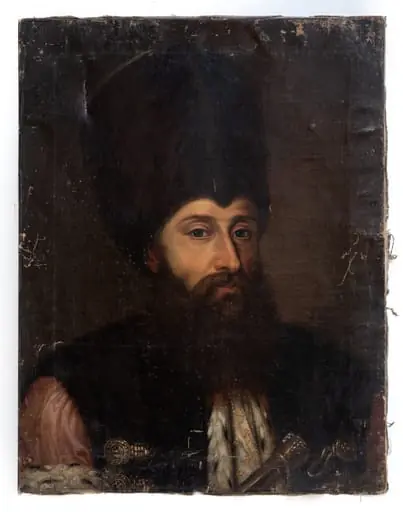 Alexandru Ipsilanti
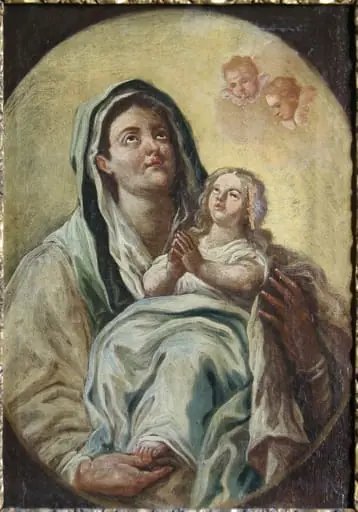 Fecioara Maria cu Pruncul Isus (în Reg. Inv.: Maria cu copilul Isus)
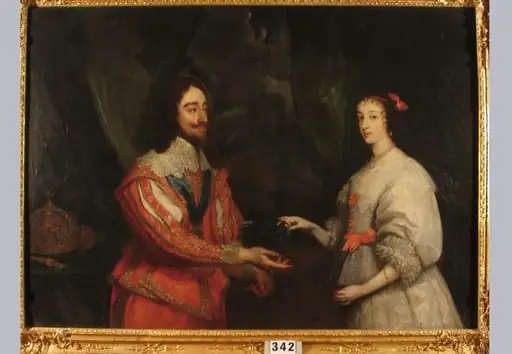 Regele Charles I Stuart al Angliei și soția sa Henrietta Maria de Franța (în Reg. Inv.: Carol I al Angliei și soția sa Henriette din Franța)
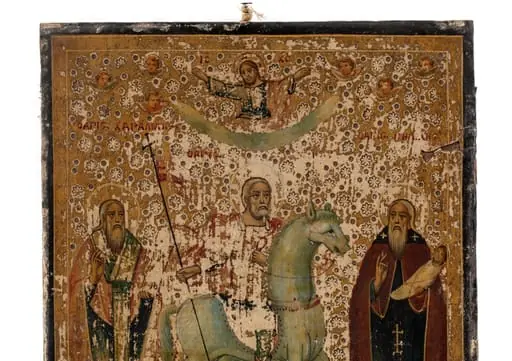 Sfântul Haralambie cu alți doi sfinți
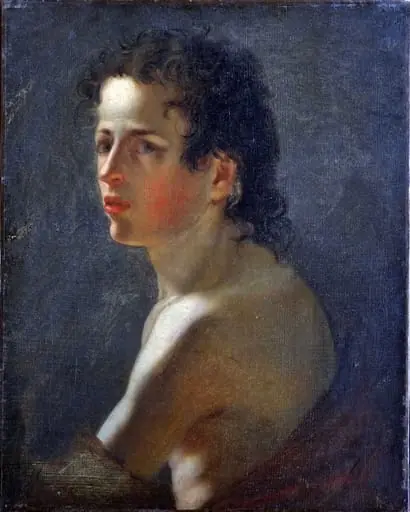 Portret de bărbat
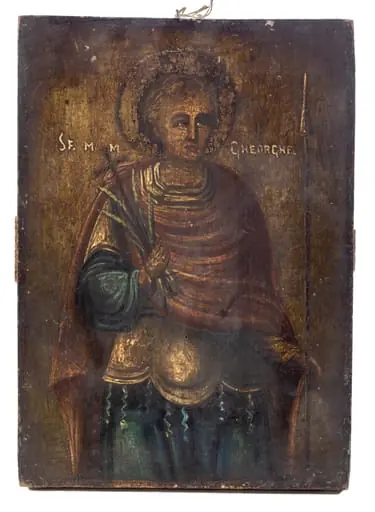 Sfântul Gheorghe
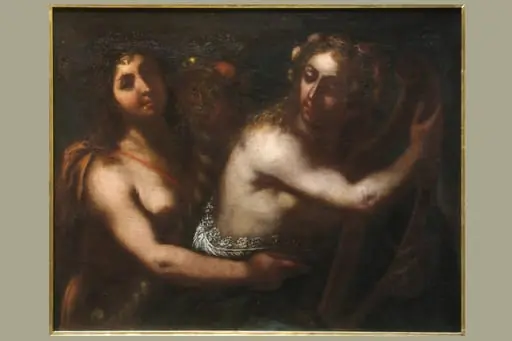 Vertumnus și Pomona (în Reg. Inv.: Vertumnus și Flora)
 Iarnă
Iarnă
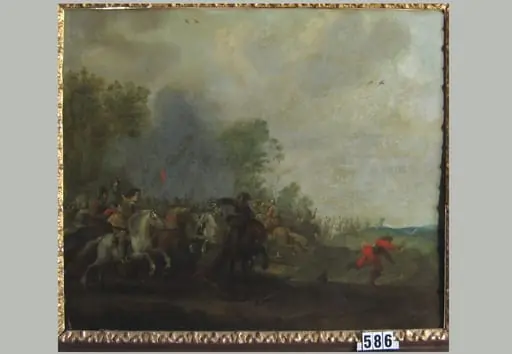 Luptă de cavalerie la marginea codrului
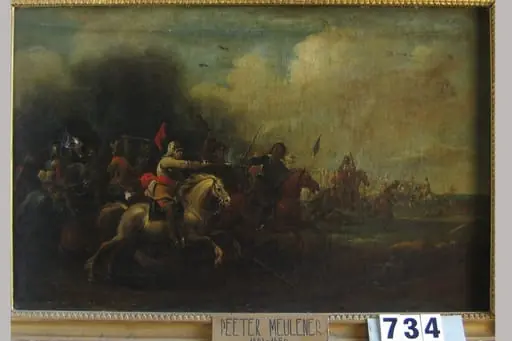 Luptă de cavalerie
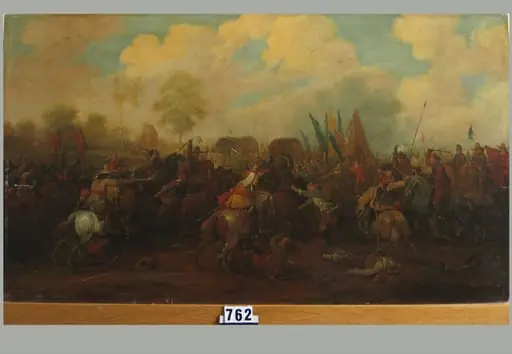 Luptă de cavalerie lângă o capelă. Pandant: Luptă de cavalerie lângă un oraș
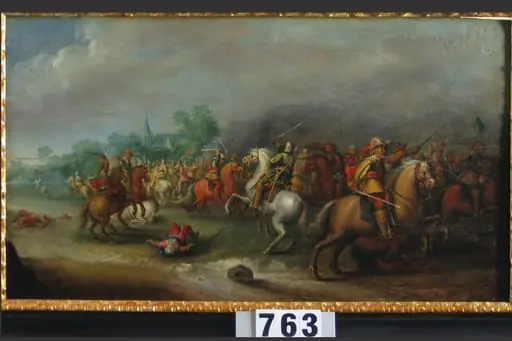 Luptă de cavalerie lângă un oraș. Pandant: Luptă de cavalerie lângă o capelă
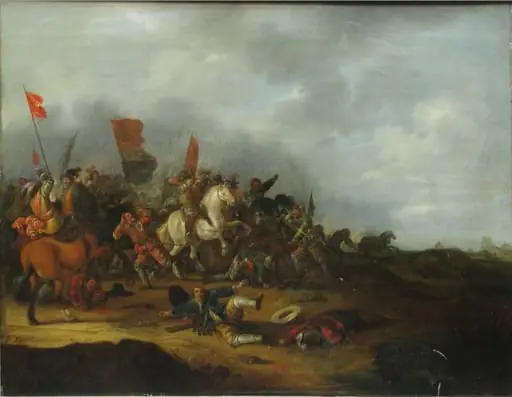 Luptă între cavalerie și pedestrime
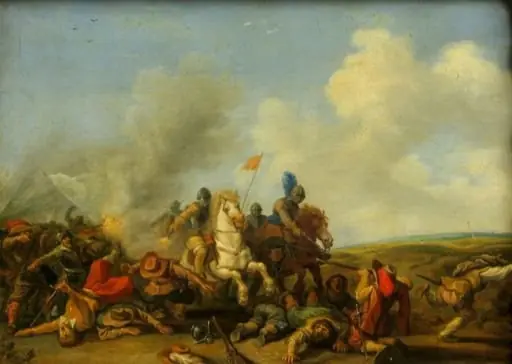 Luptă de cavalerie și infanterie
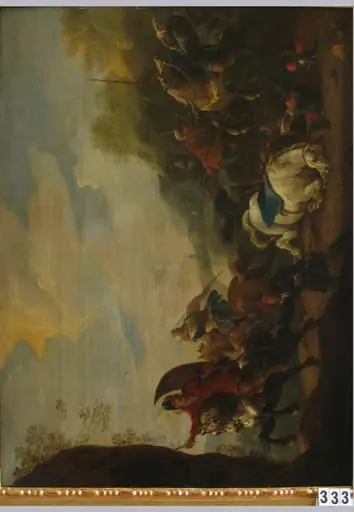 Luptă în defileu
 Turci luptând în fața fortificațiilor