Artwork
Peisaj
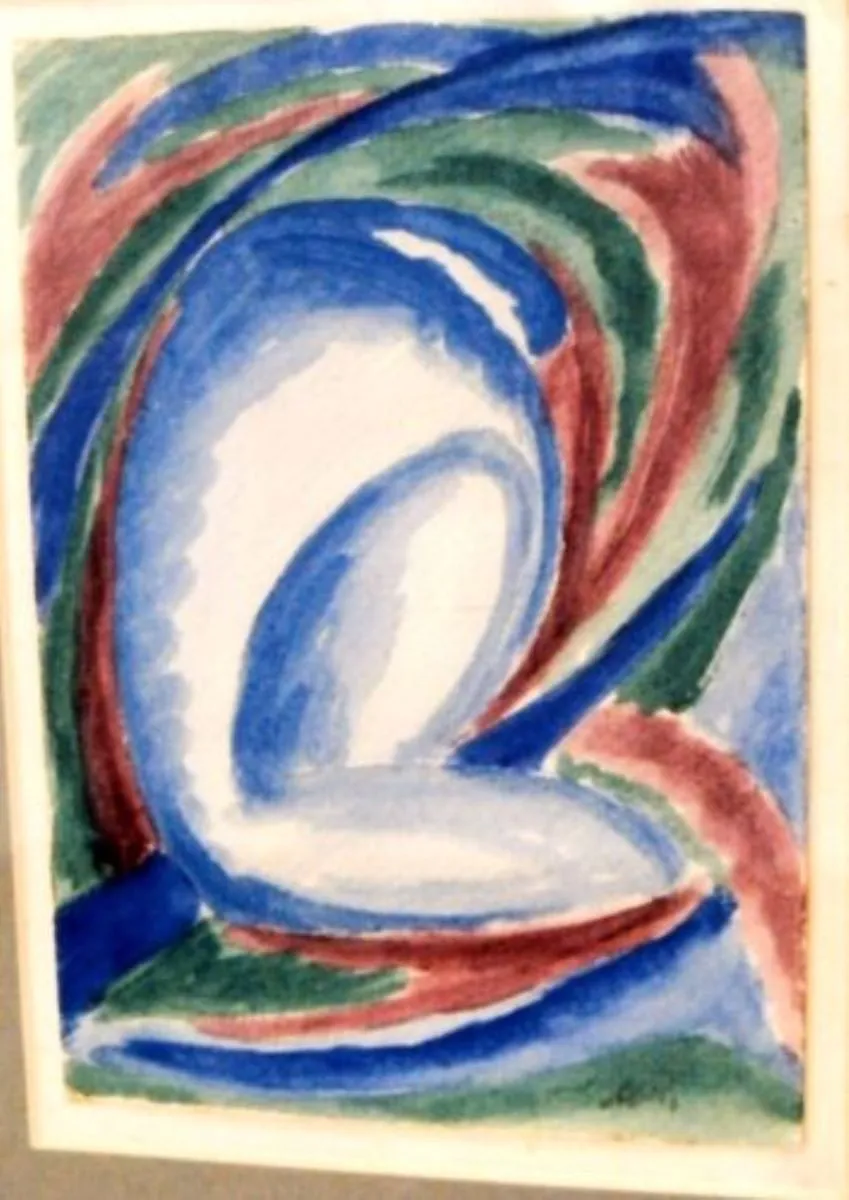
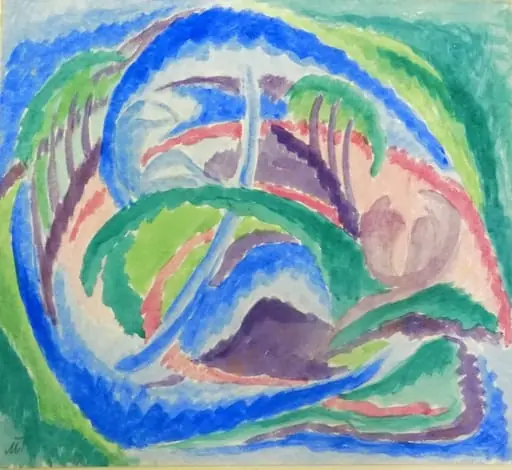
Peisaj is an unspecified painting by János Mattis-Teutsch. It dates from 1949 and is held in the collection of the Székely National Museum.
About this work
Overview
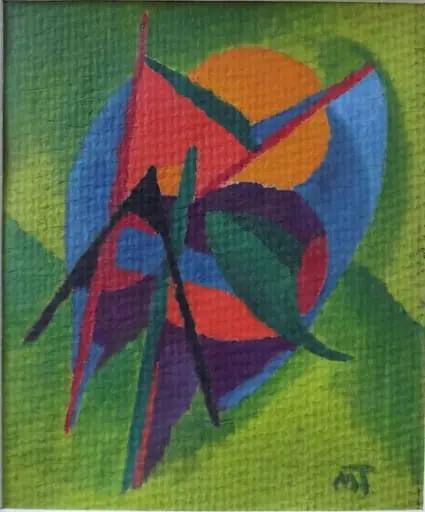
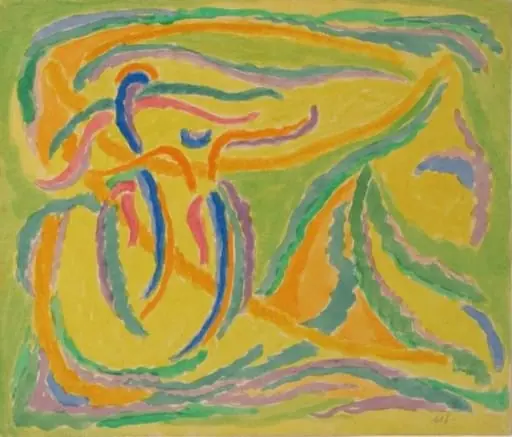
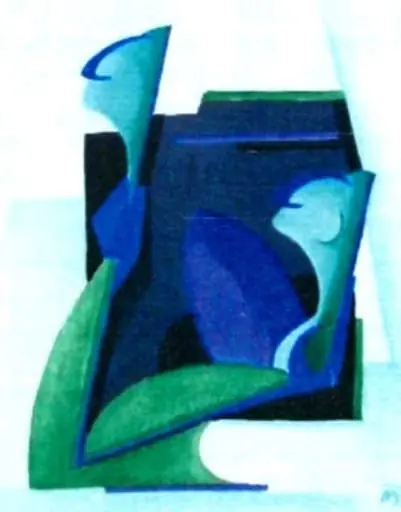
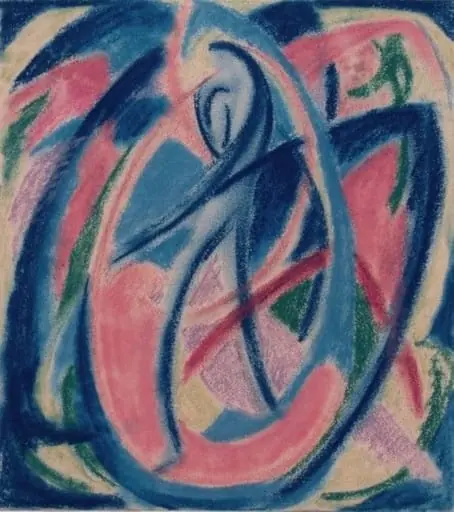
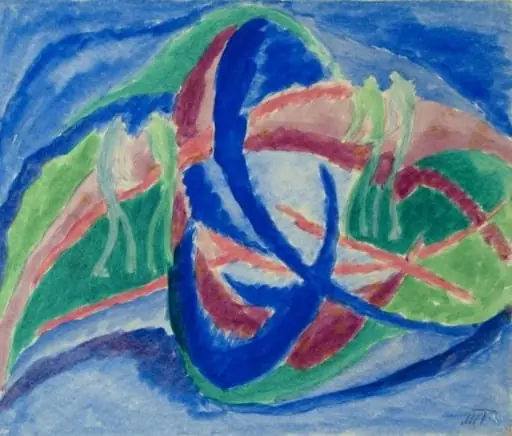
Peisaj, painted around 1949 by Hungarian‑Romanian artist János Mattis‑Teutsch, is part of the collection of the Museum of Ethnography. The work consists of an abstract landscape rendered in a fluid arrangement of blues and greens that intertwine across the canvas, producing a gentle sense of motion without depicting recognizable objects.
Technique & Style
The surface is built up with loose, expressive brushwork that allows the pigments to merge softly. Muted tones dominate, avoiding vivid contrasts; instead, the blues and greens blend into one another, creating a calm, atmospheric effect. The handling of paint reflects an interest in lyrical abstraction and a restrained color palette.
Subject & Meaning
Although the title suggests a landscape, the composition does not present a literal scene. The swirling forms and interlaced colors evoke the idea of a natural environment—perhaps water or foliage—interpreted through an emotional rather than descriptive lens, inviting viewers to sense rather than identify specific elements.
History & Provenance
Created in the post‑World War II period, Peisaj entered the Museum of Ethnography’s holdings at an unspecified date, where it remains on display. Its acquisition reflects the museum’s broader interest in works that explore cultural and visual expression beyond ethnographic documentation, highlighting Mattis‑Teutsch’s contribution to mid‑century Hungarian‑Romanian art.
Artist & collection
Artist
Hungarian painter János Mattis-Teutsch made abstract compositions that play with bold shapes and soft colors.