Artwork
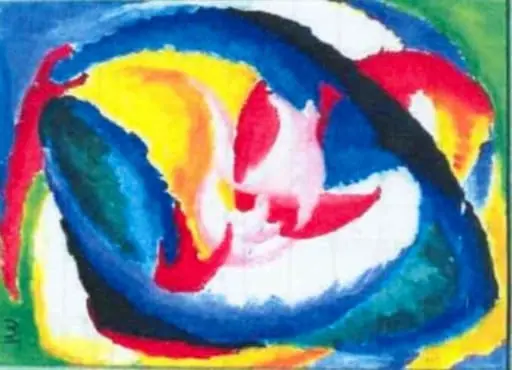
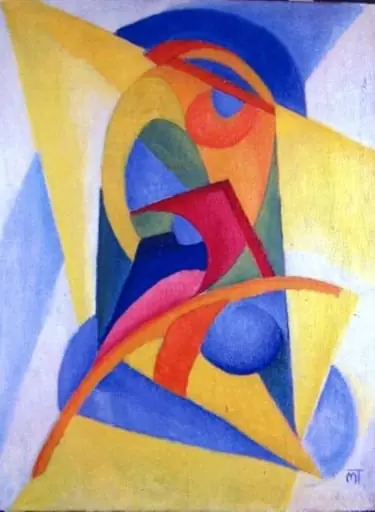
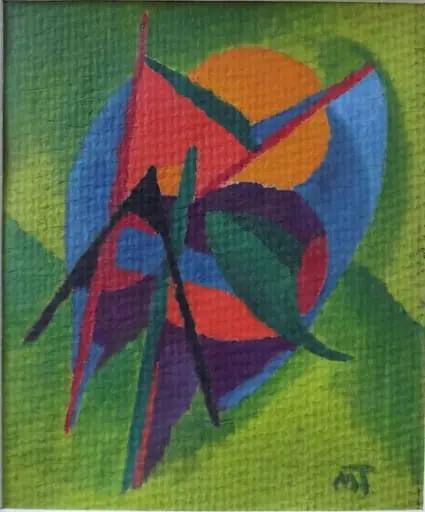
Compoziție (1916-1920), I
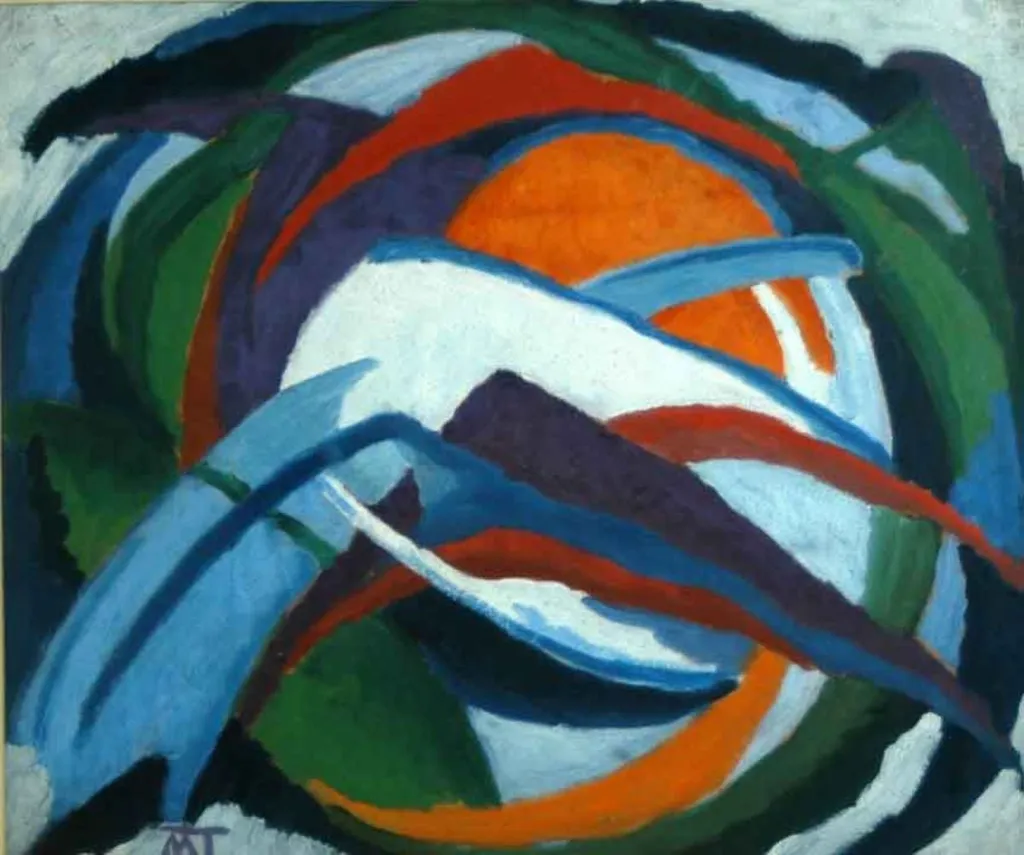
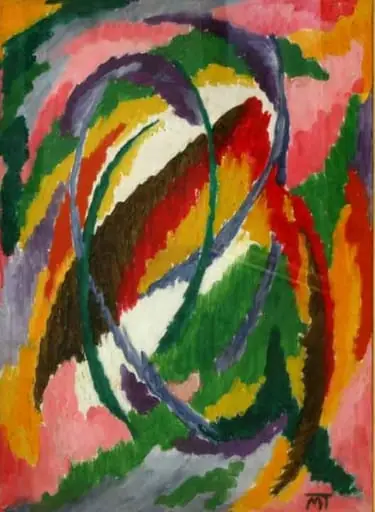
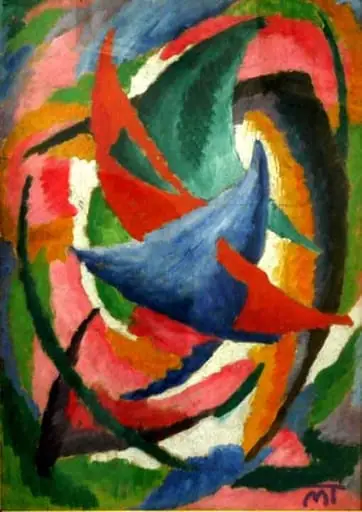
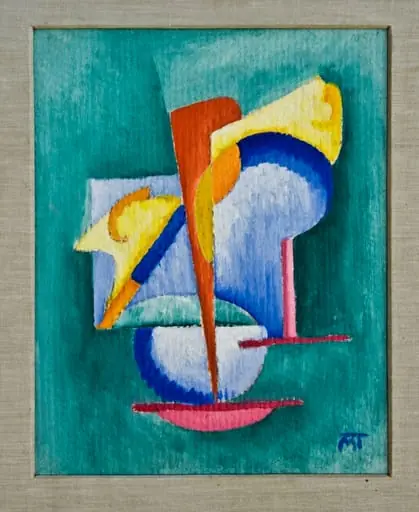
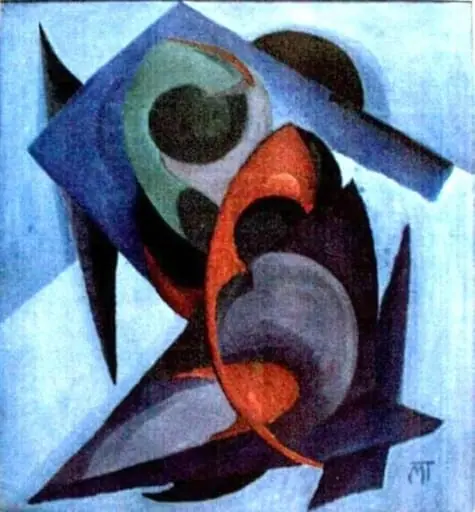
Compoziție (1916-1920), I is an unspecified painting by Hans Mattis-Teutsch. It dates from 1918 and is held in the collection of the Țării Crișurilor Museum.
About this work
Overview
Compoziție (1916-1920), I is an oil painting executed around 1918 by the Romanian avant‑garde artist Hans Mattis‑Teutsch. The work belongs to the Museum of Ethnography’s collection, where it is displayed as an example of early twentieth‑century abstraction.
Subject & Meaning
The canvas presents an energetic arrangement of intersecting bands and circular motifs rendered in vivid blues, reds and oranges. Without representing recognizable objects, the composition suggests motion and dynamism, inviting viewers to experience color and form as autonomous visual forces.
Technique & Style
Mattis‑Teutsch applied the paint thickly, creating a pronounced impasto surface that catches light and emphasizes the contrast between luminous and shadowed areas. The bold, gestural brushwork and the interplay of sharp lines with swirling shapes align the piece with the constructivist and expressionist tendencies of the period.
History & Provenance
Created during the years 1916‑1920, the painting reflects the artist’s engagement with the modernist currents emerging in Central Europe after World War I. It entered the Museum of Ethnography’s holdings in the mid‑twentieth century, where it has remained in the permanent collection.
Context
Mattis‑Teutsch was part of a network of artists exploring abstraction and the relationship between visual language and cultural identity. This work exemplifies his experimentation with color theory and spatial organization, paralleling contemporary developments in Bauhaus and Russian constructivism.
Artist & collection
Artist
Hans Mattis-Teutsch made bold, rhythmic paintings and prints that feel like music turned into shapes.