Artwork
Bătrân croitor
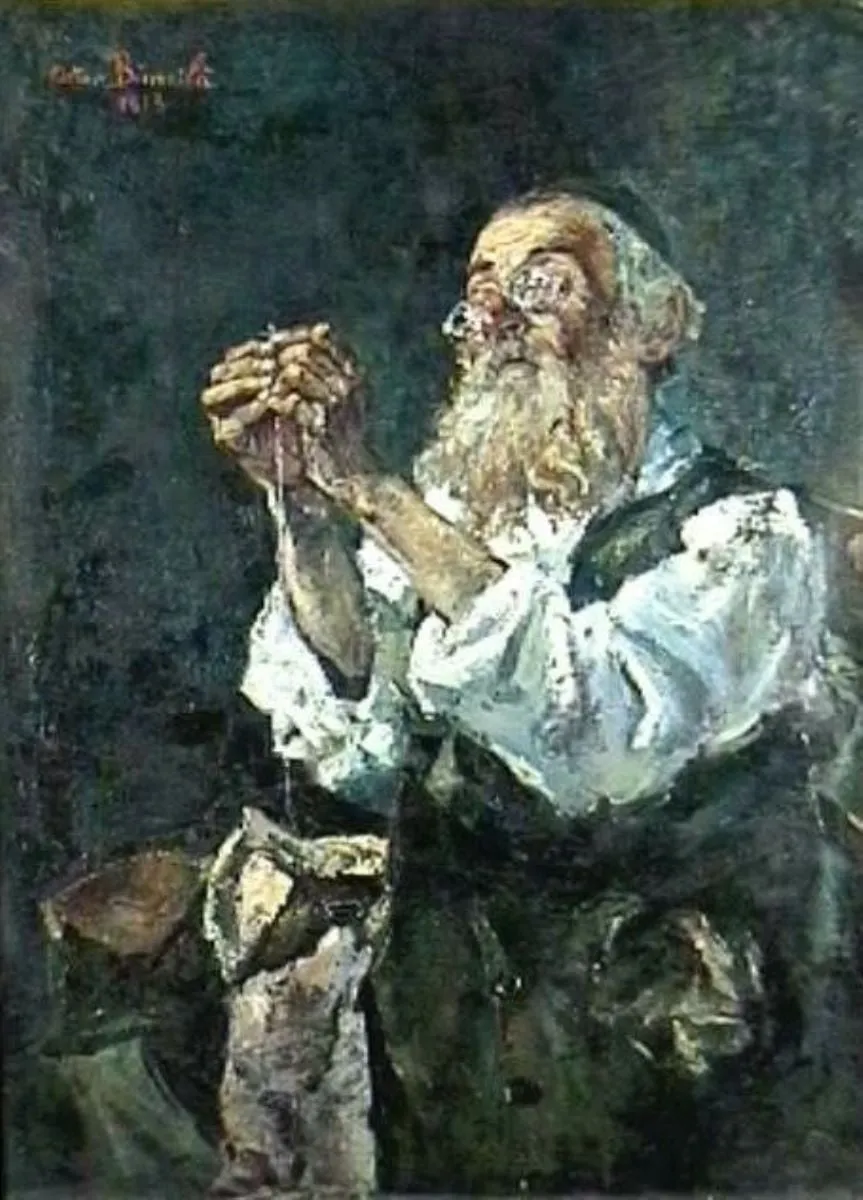
Bătrân croitor is an unspecified painting by Octav Băncilă. It dates from 1913 and is held in the collection of the Moldova National Museum Complex.
About this work
Overview
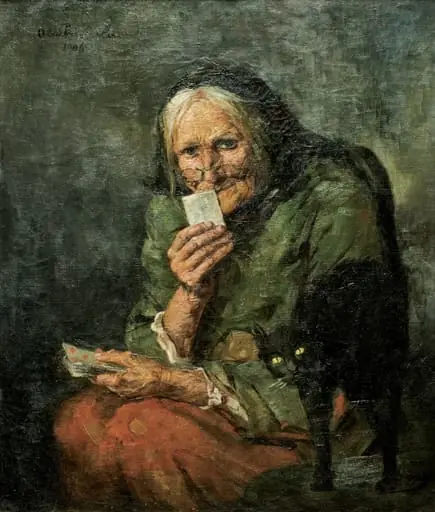
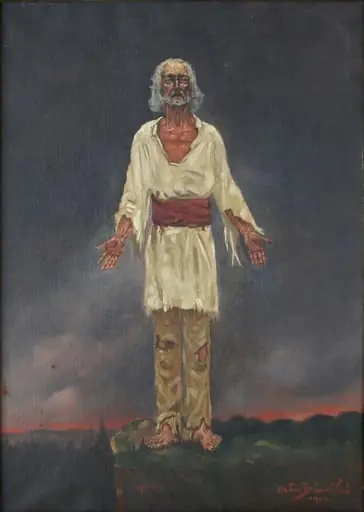
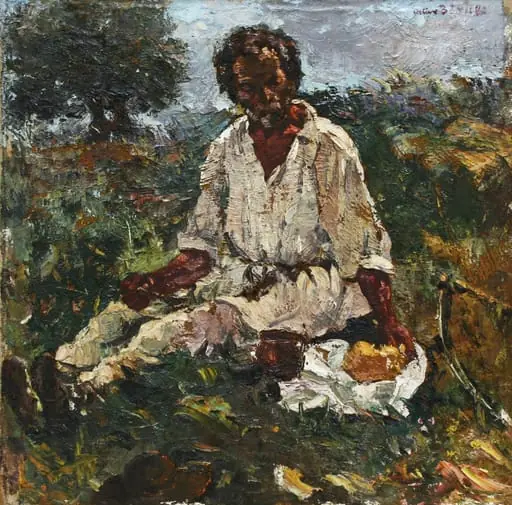
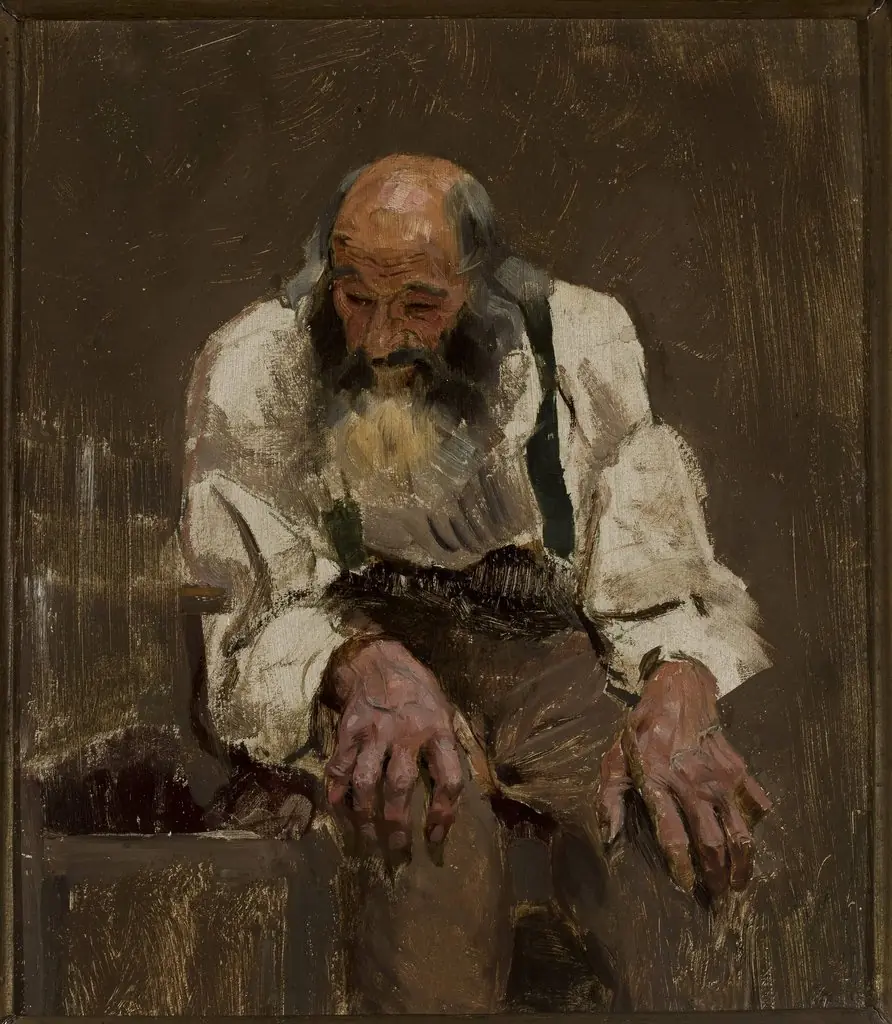
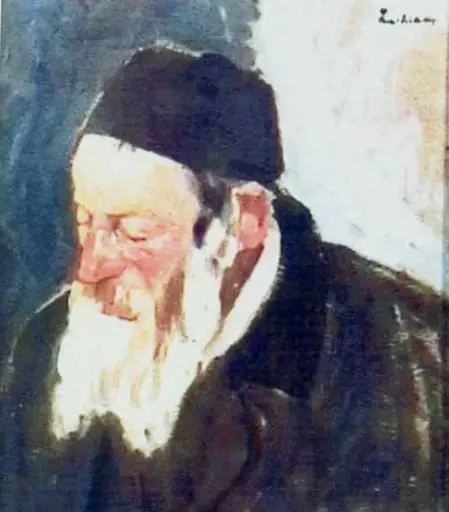
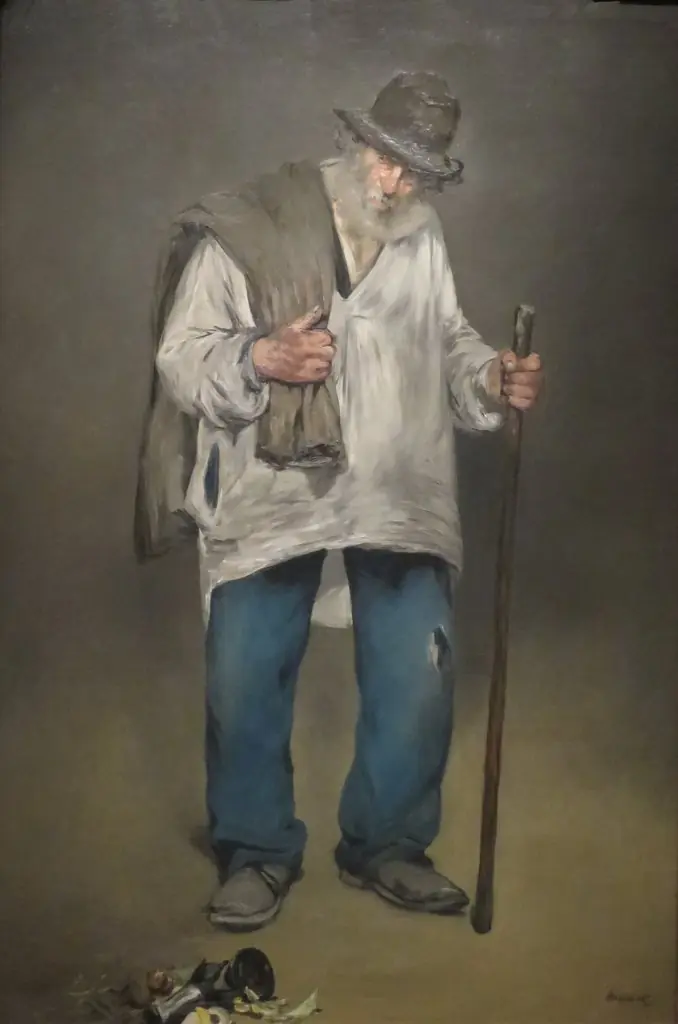
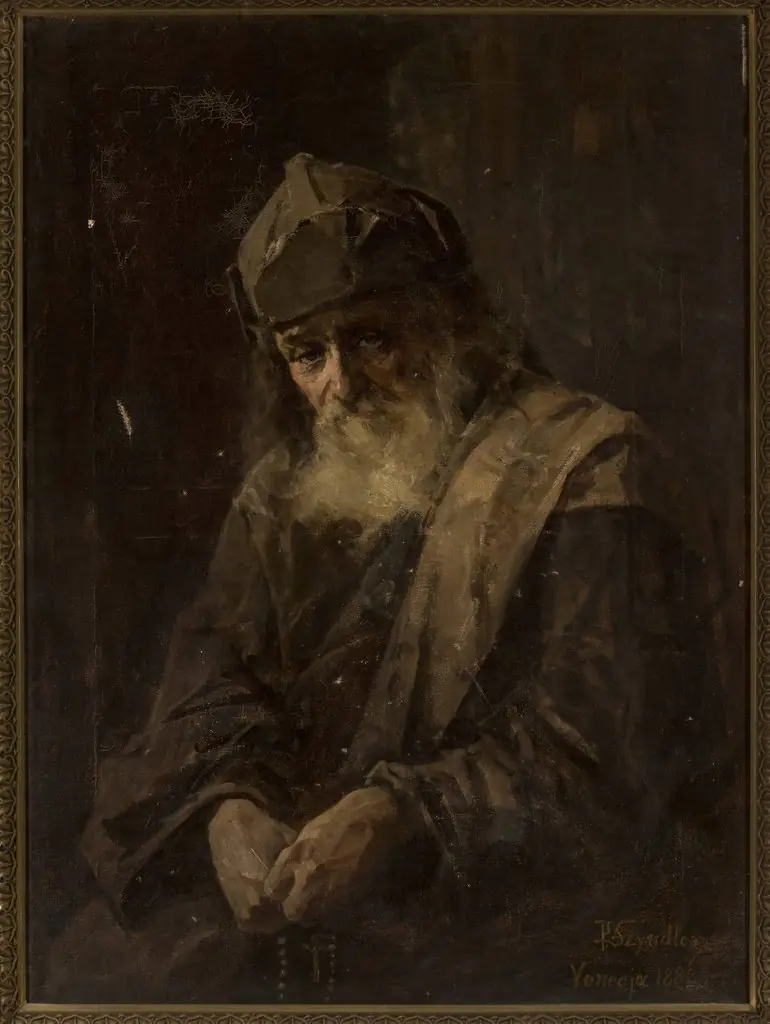
Painted in 1913 by Romanian artist Octav Băncilă, Bătrân croitor depicts an elderly tailor in a moment of quiet contemplation. The figure dominates the composition, rendered with heavy, tactile brushwork against a shadowed, indistinct background. The work emphasizes physical labor and introspection, avoiding idealization in favor of raw, unadorned presence.
Subject & Meaning
The subject is an aging craftsman, his weathered hands gripping a needle and thread, gaze lifted as if in prayer or silent reflection. His worn garments and stooped posture suggest a life of manual toil. The upward look may imply spiritual endurance or resignation, framing labor as both burden and dignity, without overt religious symbolism.
Technique & Style
Băncilă applied paint thickly and unevenly, using impasto to emphasize texture in the man’s beard, hands, and fabric. The brushwork is deliberate yet unrefined, enhancing the sense of age and wear. Stark contrasts between light and shadow carve the figure from darkness, heightening emotional gravity while rejecting academic polish.
History & Provenance
Created during a period of social realism in Romanian art, the painting emerged from Băncilă’s engagement with rural and working-class life. It was likely exhibited in early 20th-century Romanian salons, though its early ownership records are sparse. The work remains in public collections, preserved as a key example of interwar Romanian figurative painting.
Context
In early 1900s Romania, artists increasingly turned to the lives of peasants and laborers as subjects worthy of serious depiction. Băncilă’s work aligned with this shift, rejecting romanticized folklore in favor of unvarnished realism. The painting reflects broader European trends toward empathetic portrayals of the marginalized, influenced by French and Russian precedents.
Legacy
Bătrân croitor endures as a quiet testament to the dignity of manual labor in Romanian visual culture. It influenced later generations of artists who sought to portray everyday life without sentimentality. Though not widely known outside Romania, it remains a touchstone in national art history for its emotional restraint and material honesty.
Artist & collection
Artist
A painter rooted in rural life, Octav Băncilă’s canvases bring the Romanian countryside to life.