Artwork
Compoziție cu doi soldați iarna (Dezertorul)
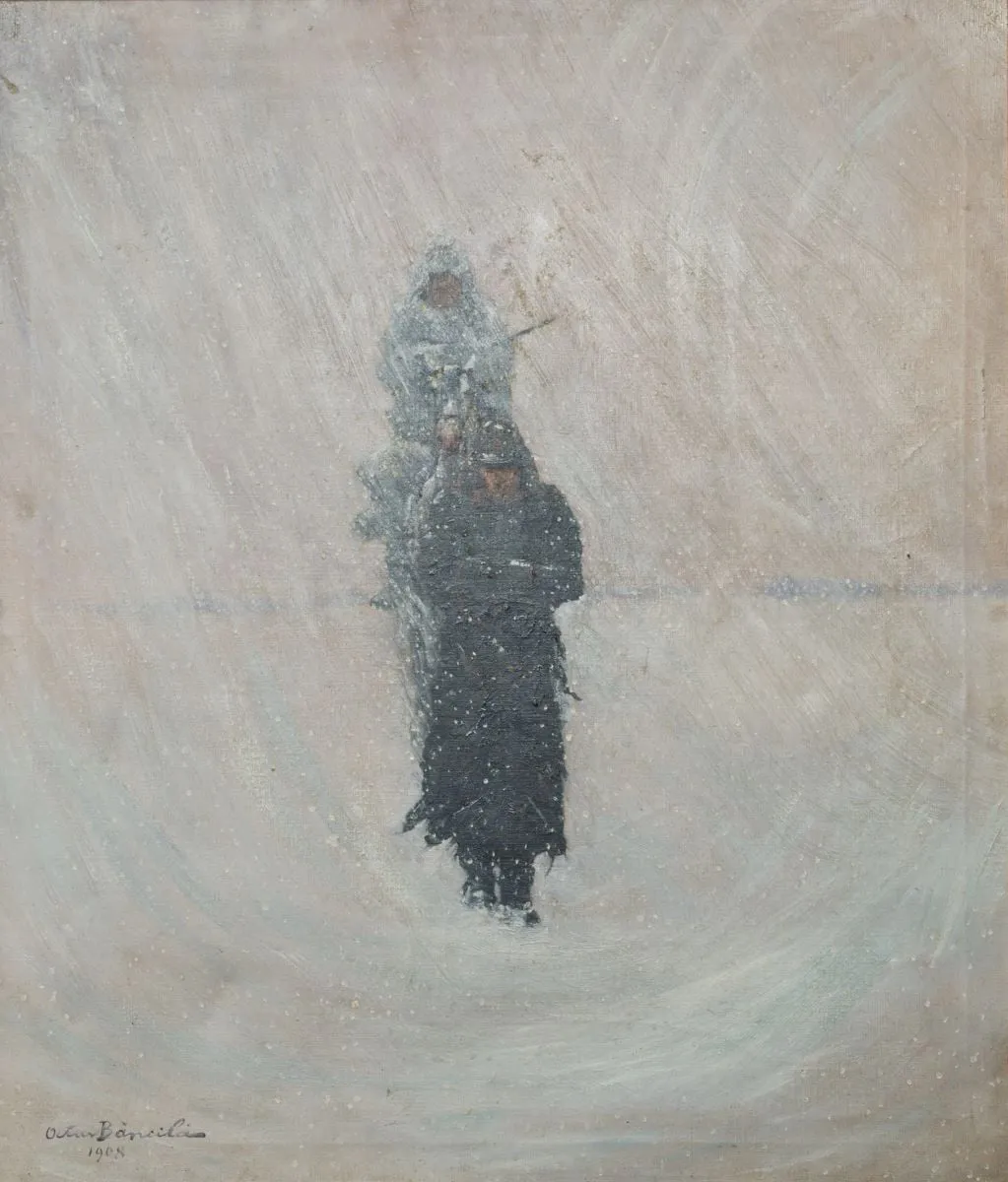
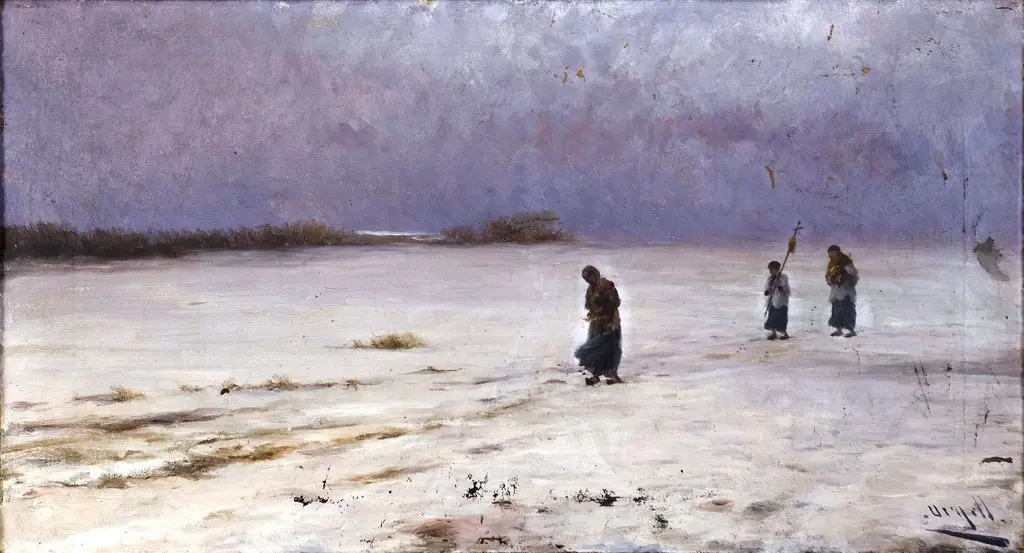
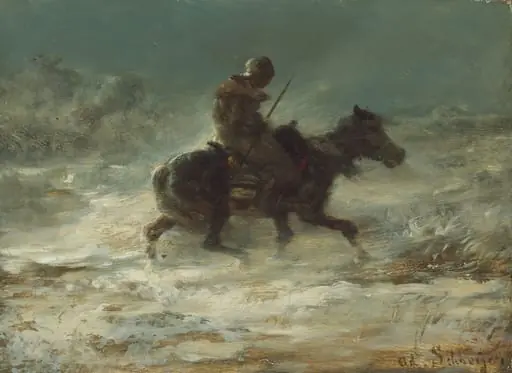
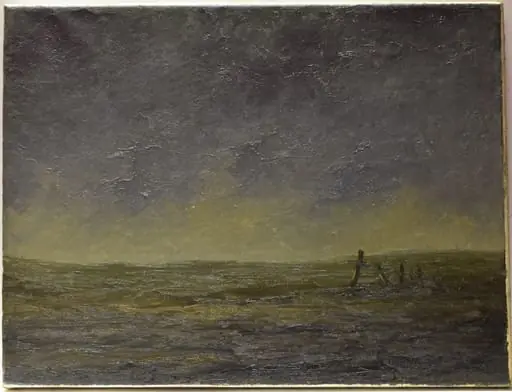
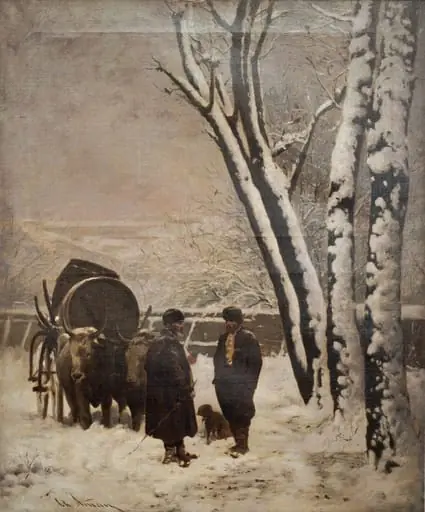
Compoziție cu doi soldați iarna (Dezertorul) is an unspecified painting by Octav Băncilă. It dates from 1908 and is held in the collection of the Bucharest Municipality Museum.
About this work
Overview
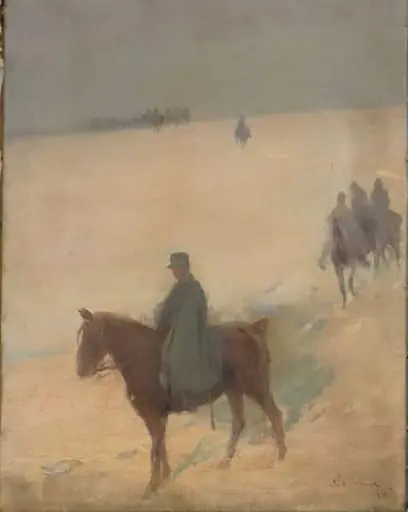
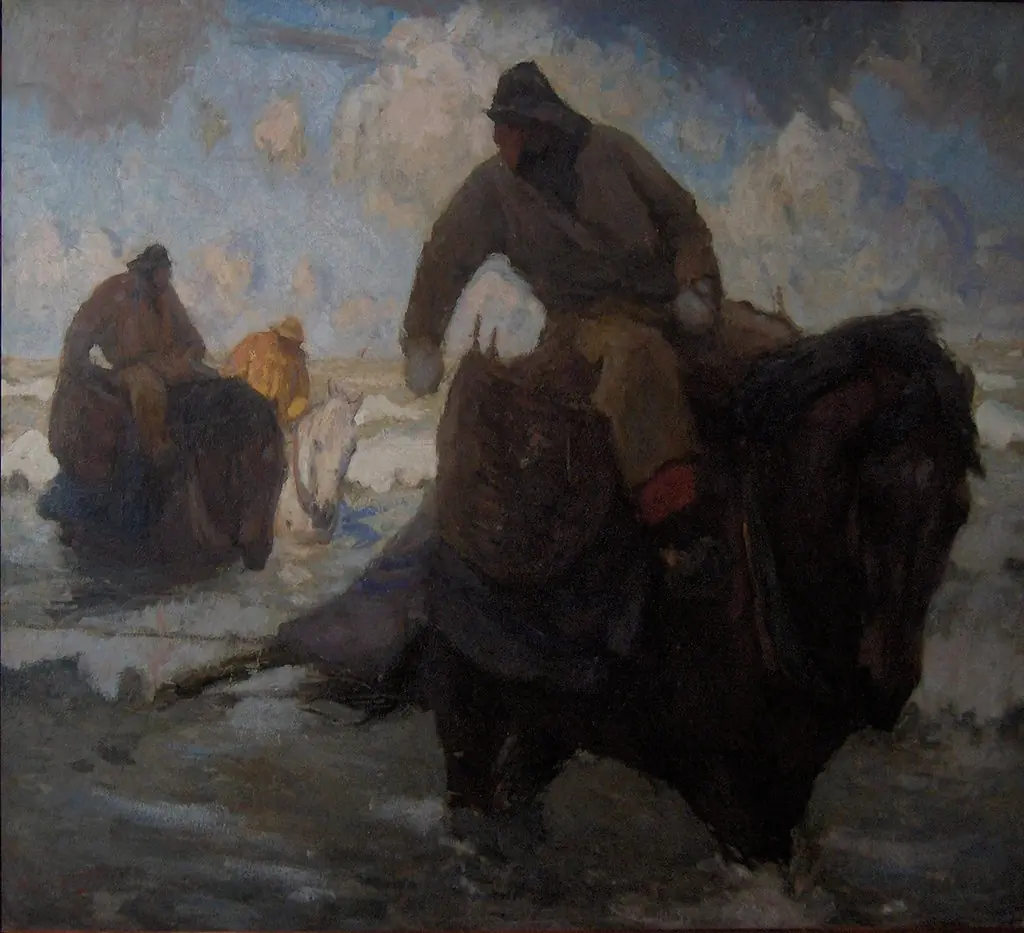
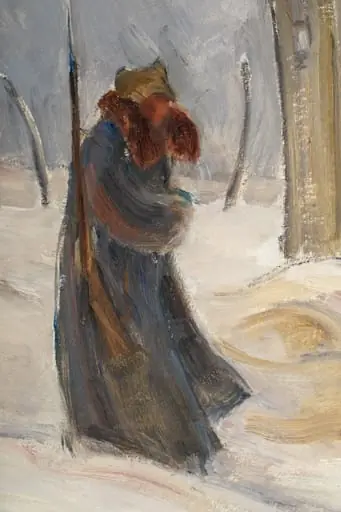
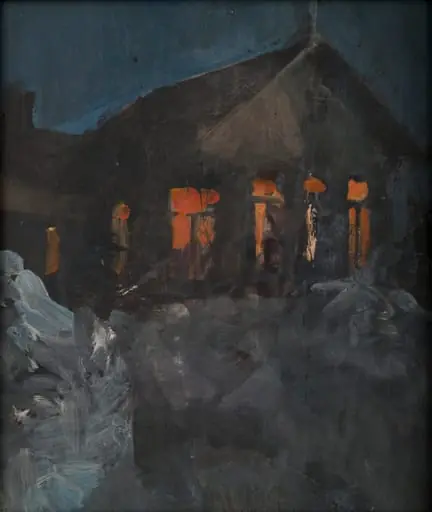
Painted in 1908 by Romanian artist Octav Băncilă, this work depicts two soldiers in a wintry landscape. The scene conveys stillness and isolation amid harsh conditions. The painting is part of the collection at the Museum of Ethnography, where it is recognized for its emotional gravity and attention to the material realities of military life in early 20th-century Romania.
Subject & Meaning
The ambiguity of their interaction invites reflection on the human cost of conflict, without overt narrative resolution.
The two figures—one upright, the other fallen—suggest a moment of rupture, possibly desertion or death. Their dark, heavy garments contrast with the pale, textured snow, emphasizing vulnerability. The title, 'The Deserter,' implies moral or physical collapse under the weight of duty. The ambiguity of their interaction invites reflection on the human cost of conflict, without overt narrative resolution.
Technique & Style
Băncilă employs thick, expressive brushwork to render the soldiers' clothing and the snow’s uneven surface. A muted palette of grays, browns, and deep blacks establishes a somber tone, while subtle variations in hue suggest shifting light and depth. The background’s indistinct forms—possibly trees or distant structures—enhance the sense of desolation, grounding the figures in an unforgiving environment.
History & Provenance
Created in 1908, the painting entered the Museum of Ethnography’s collection shortly after its completion. It remained relatively obscure until mid-20th-century reassessments of Romanian realist painting brought renewed attention to Băncilă’s socially conscious works. Its preservation in a museum focused on cultural life underscores its role as a document of everyday hardship rather than military heroism.
Context
Painted during a period of social unrest and military reform in Romania, the work reflects broader anxieties about conscription and soldier welfare. Băncilă, known for his empathy toward marginalized groups, avoided glorification in favor of quiet observation. This piece aligns with European realist traditions that prioritized human dignity over spectacle, particularly in depictions of the working and enlisted classes.
Legacy
Though not widely exhibited outside Romania, the painting is cited in scholarly studies of early modern Romanian art for its unflinching portrayal of soldierly suffering. It contributes to a visual record of rural and military life that diverges from official narratives. Its enduring presence in the Museum of Ethnography affirms its value as a cultural artifact of quiet resistance and human resilience.
Artist & collection
Artist
A painter rooted in rural life, Octav Băncilă’s canvases bring the Romanian countryside to life.