Artwork
Ghicitoare
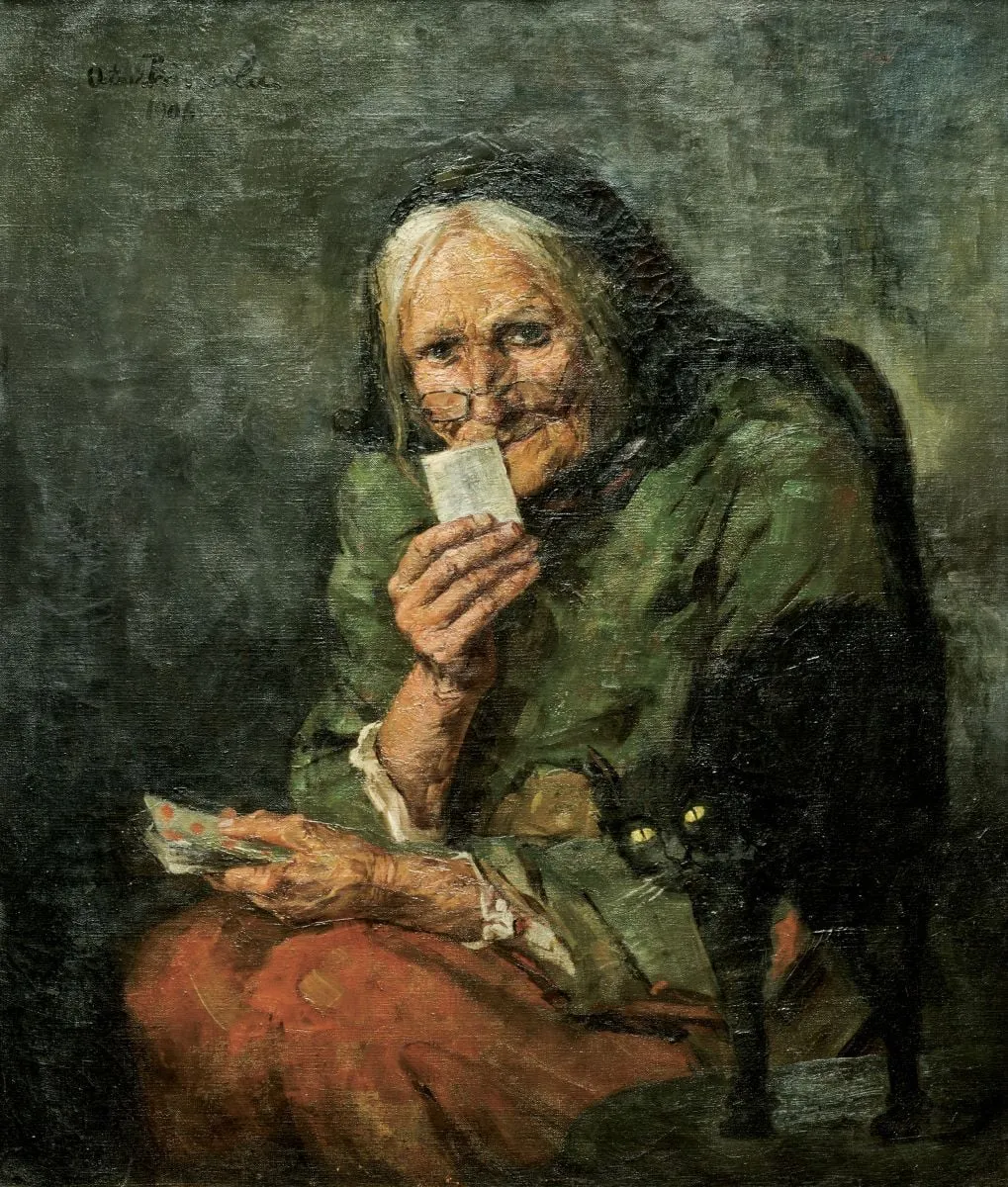
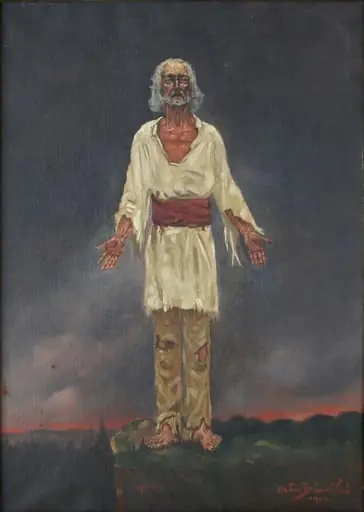
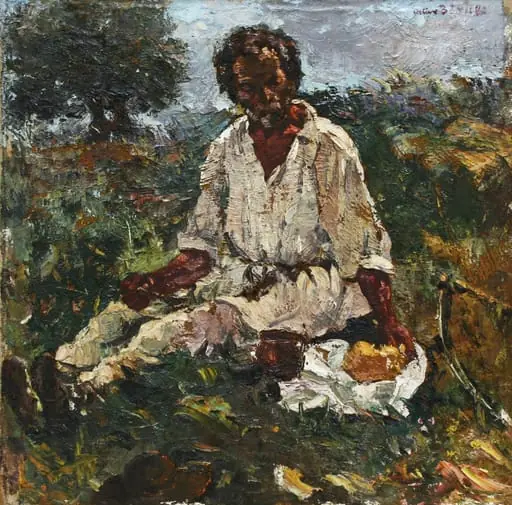
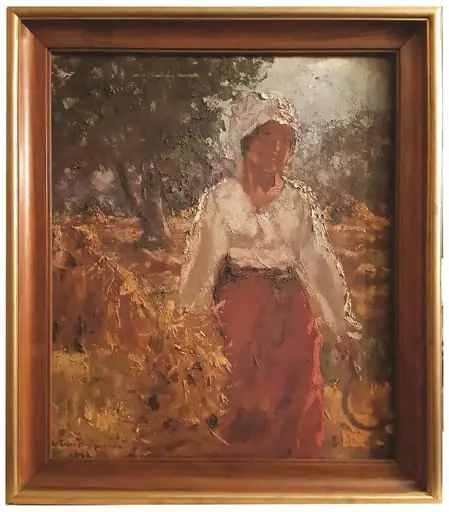
Ghicitoare is an unspecified painting by Octav Băncilă. It dates from 1906 and is held in the collection of the Bucharest Municipality Museum.
About this work
Overview
Rendered in oil, it captures a moment of stillness, emphasizing the subject’s physical presence through careful attention to texture and posture.
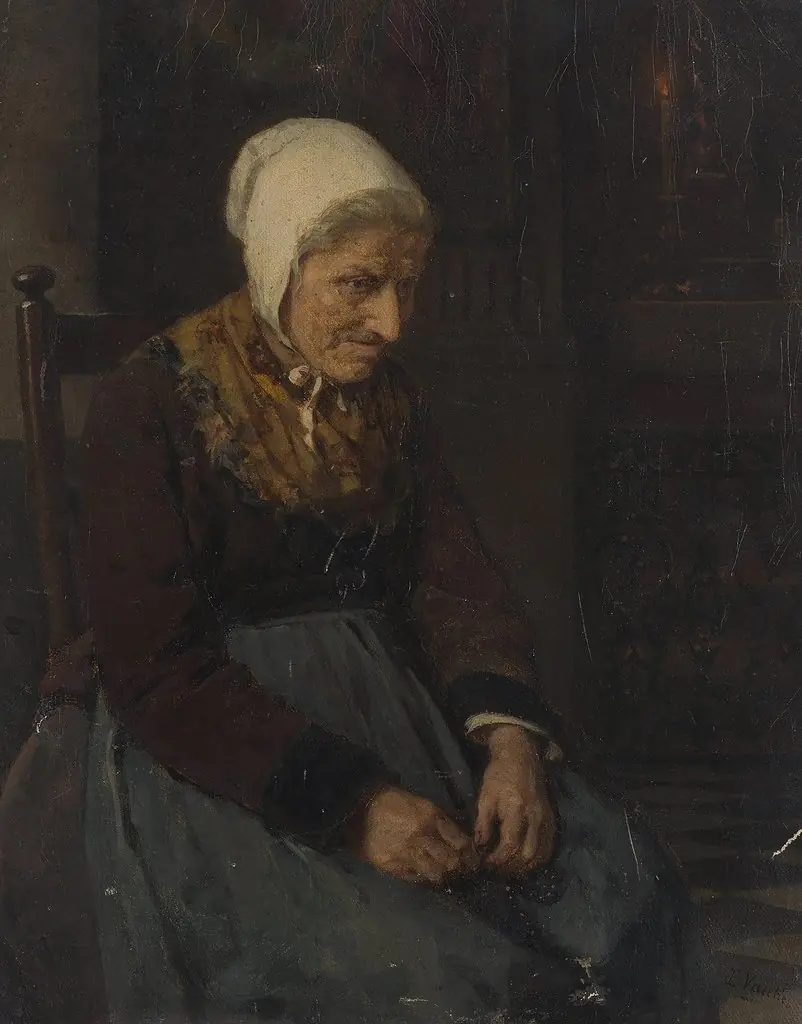
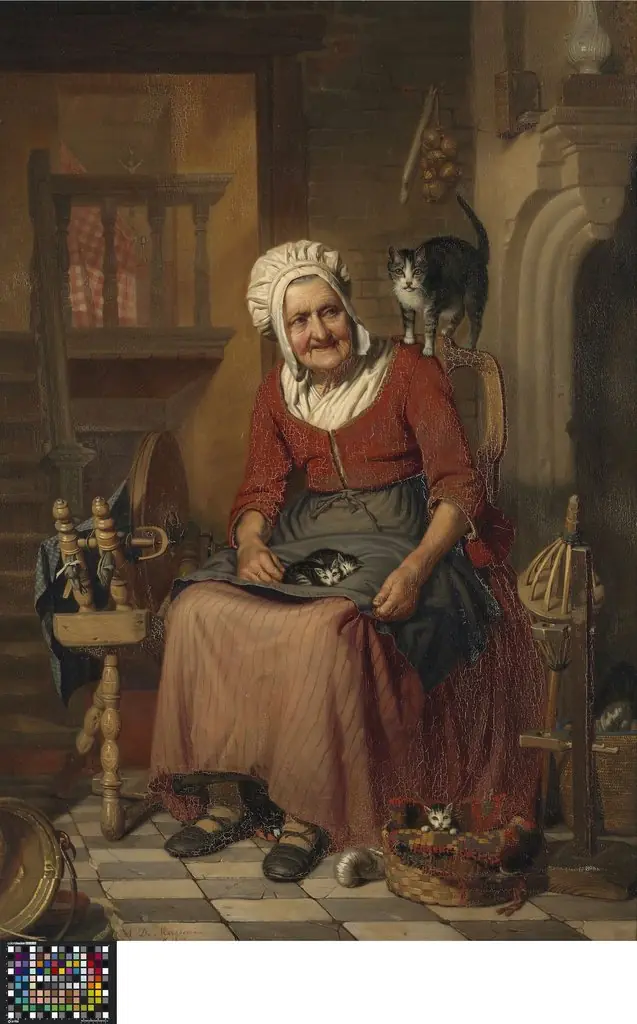
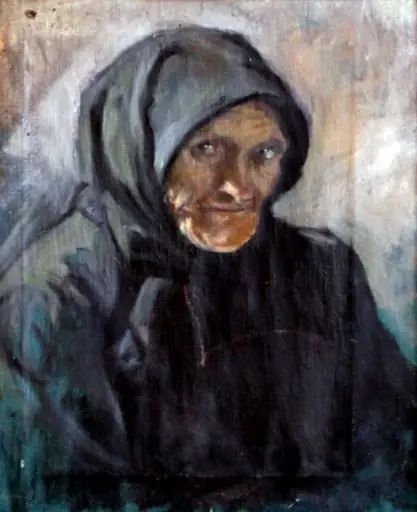
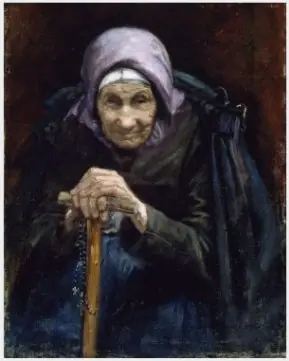
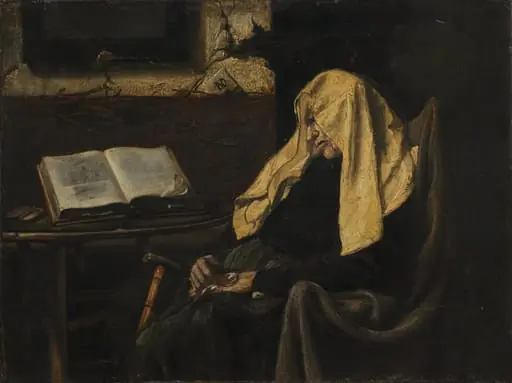
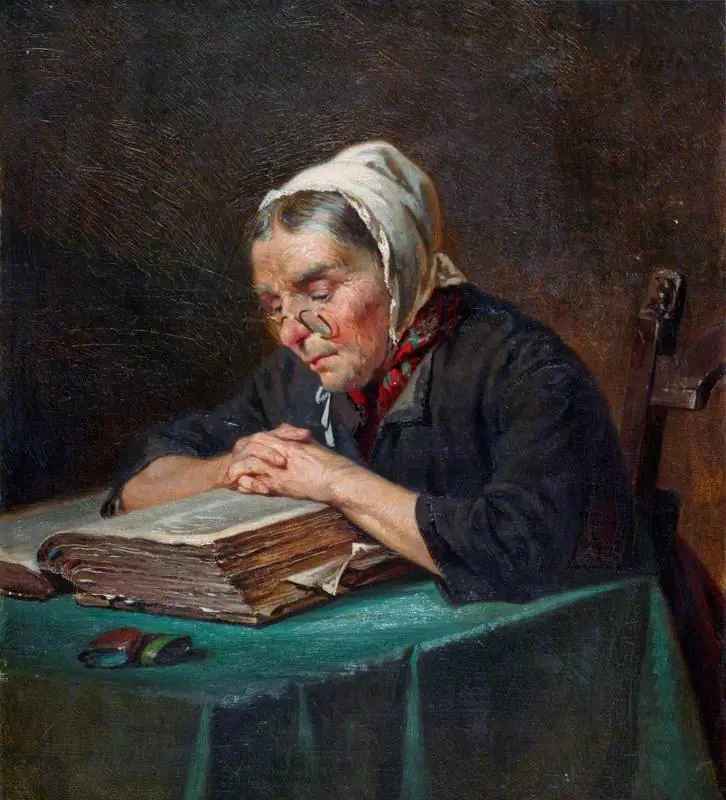
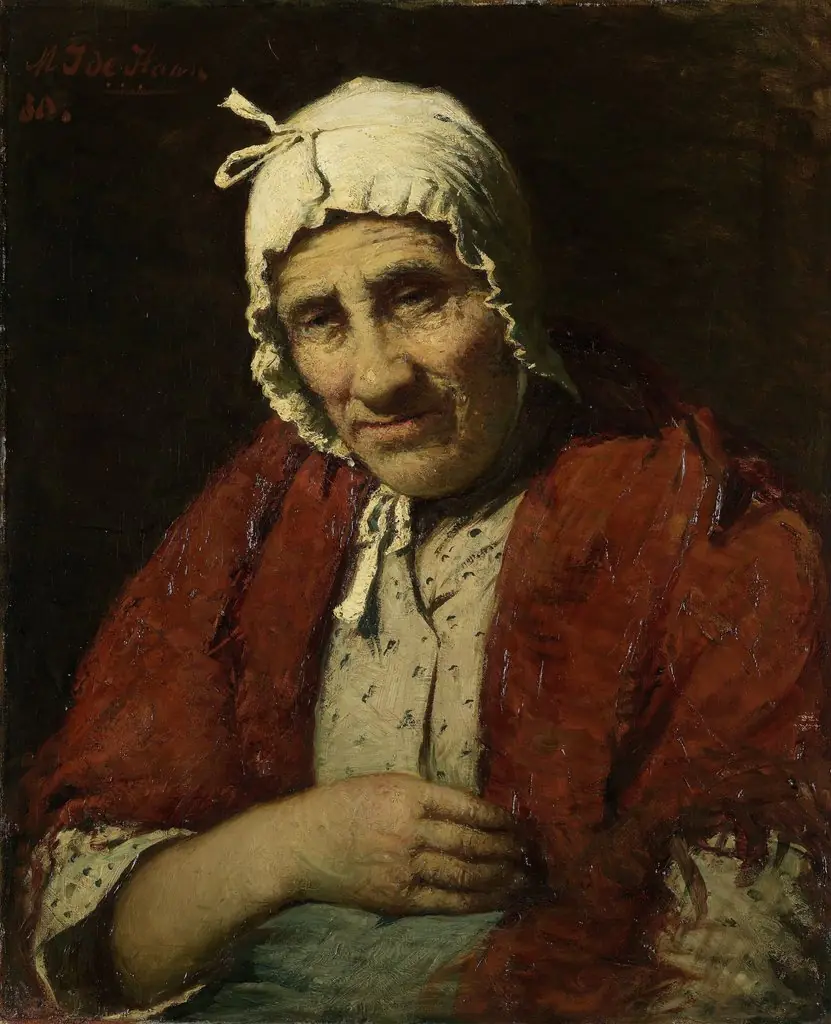
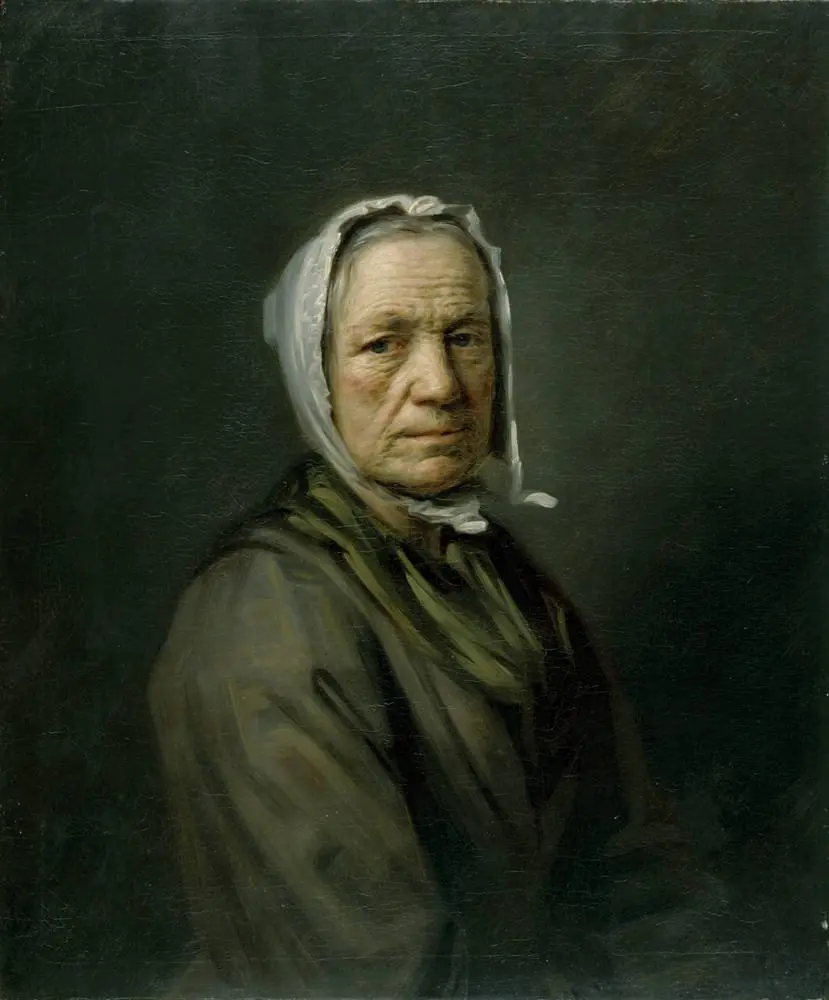
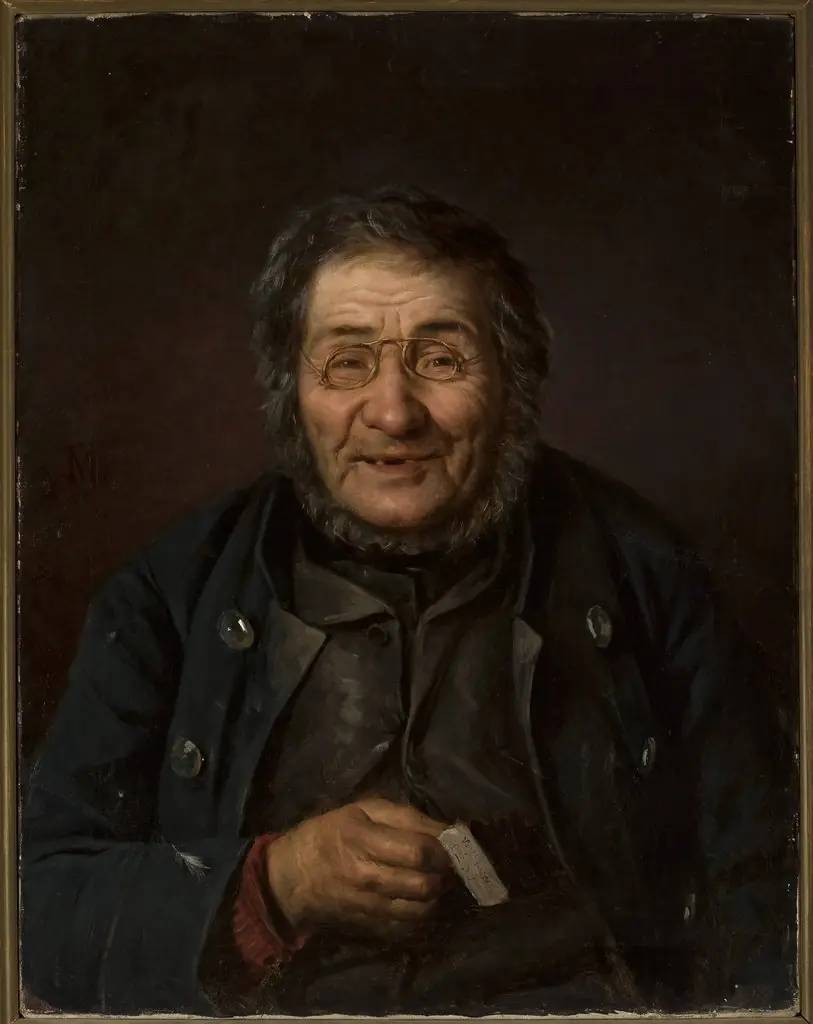
Ghicitoare, painted by Octav Băncilă in 1906, is a portrait of an elderly individual seated in quiet contemplation. The work is part of the collection at the Museum of Ethnography. Rendered in oil, it captures a moment of stillness, emphasizing the subject’s physical presence through careful attention to texture and posture. The composition isolates the figure against a shadowed backdrop, drawing focus to their aged features and gestures.
Subject & Meaning
The figure, likely a rural elder, holds a piece of paper—perhaps a note, a charm, or a written riddle—suggesting a role tied to oral tradition or folk wisdom. Their ambiguous expression, neither overtly joyful nor sorrowful, invites interpretation: is this a moment of reflection, fatigue, or quiet authority? The worn clothing and weathered hands imply a life of labor, grounding the image in the dignity of everyday endurance.
Technique & Style
Băncilă employs chiaroscuro to model the figure with strong contrasts between light and shadow, enhancing the three-dimensionality of the face and hands. The brushwork is precise in rendering skin texture and fabric folds, while the background dissolves into soft, indistinct tones. This selective focus directs attention to the subject’s hands—rough, detailed, and expressive—as if their physicality carries the weight of their story.
History & Provenance
Created in 1906, Ghicitoare entered the collection of the Museum of Ethnography shortly after its completion. The painting reflects the artist’s engagement with Romanian rural life during a period of national cultural reassessment. Its preservation in an ethnographic context suggests its value as a document of social and visual anthropology, not merely as a portrait.
Context
In early 20th-century Romania, artists like Băncilă turned to peasant subjects as symbols of authentic national identity. Ghicitoare aligns with this movement, portraying an individual not as an idealized type but as a specific person marked by time and labor. The work emerges alongside broader efforts to record and preserve folk customs amid rapid modernization.
Legacy
Ghicitoare remains a quiet but significant example of Romanian realist painting, valued for its empathetic portrayal of aging and rural life. It has influenced later generations of artists interested in the psychological depth of ordinary people. Its placement in an ethnographic museum underscores its dual role—as both art and cultural record.
Artist & collection
Artist
A painter rooted in rural life, Octav Băncilă’s canvases bring the Romanian countryside to life.