Artwork
N. Luchian
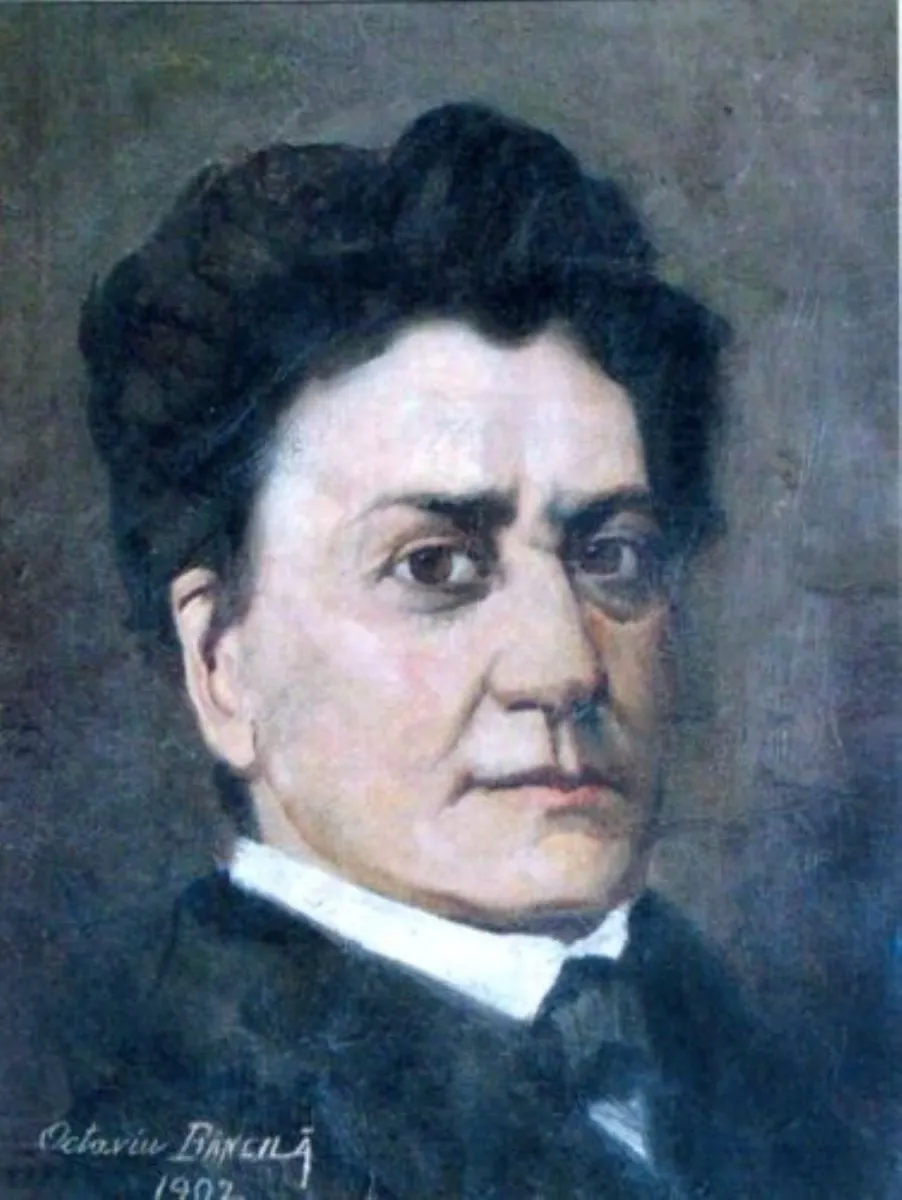
N. Luchian is an unspecified painting by Octav Băncilă. It dates from 1902 and is held in the collection of the Iași National Museum of Romanian Literature.
About this work
The signature in the corner says "Octav Băncilă 1902," marking it as a portrait from that year.
This is a close-up portrait of a man with a serious expression. His dark hair is slicked back, and he wears a white collar under a dark jacket. The brushstrokes are thick, especially on his face, giving it a textured look. The background is plain and dark, so the focus stays on him.
The signature in the corner says "Octav Băncilă 1902," marking it as a portrait from that year. The way light and shadow play on his face makes it stand out.
If you like this style, look up chiaroscuro next—it’s the technique used here.
Overview
Painted in 1902 by Octav Băncilă, this portrait depicts the Romanian artist N. Luchian in close-up. Executed in oil, the work is part of the Museum of Ethnography’s collection. The composition isolates the subject against a dark, unadorned background, emphasizing his presence through concentrated lighting and tactile brushwork. Băncilă’s signature and date are visible in the lower corner, confirming the work’s origin and year.
Subject & Meaning
The subject, N. Luchian, was a fellow Romanian painter known for his modernist landscapes. Băncilă’s portrayal captures him with a solemn, introspective gaze, suggesting a quiet intensity rather than mere likeness. The absence of contextual elements directs attention to the sitter’s inner demeanor, possibly reflecting mutual respect between the two artists or a moment of personal reflection during a transitional period in Romanian art.
Technique & Style
Băncilă employs thick, deliberate brushstrokes, particularly on the face and collar, creating a sculptural texture that catches light unevenly. The contrast between the illuminated skin and the deep shadows around the eyes and jawline follows chiaroscuro principles. The dark, flat background enhances the three-dimensionality of the figure, while the white collar acts as a subtle anchor, drawing the eye to the face without distraction.
History & Provenance
The painting was completed in 1902 and entered the Museum of Ethnography’s holdings at an early date, likely through donation or institutional acquisition. Its preservation suggests it was valued within Romanian artistic circles soon after creation. No records indicate public exhibition prior to its inclusion in the museum’s permanent collection, though its intimate scale implies it was intended for private or peer viewing.
Context
In early 20th-century Romania, artists like Băncilă and Luchian were redefining national identity through portraiture and landscape, moving away from academic conventions. This portrait reflects a broader trend of artists portraying peers with psychological depth rather than idealized form. The use of expressive brushwork aligns with emerging modernist tendencies in Eastern Europe, even as traditional techniques like chiaroscuro remained influential.
Legacy
Though not widely reproduced, the portrait remains a significant example of Romanian artist-to-artist representation from the period. It offers insight into the personal networks and visual language of a generation seeking artistic autonomy. Its preservation in an ethnographic museum underscores its cultural value beyond aesthetics, as a document of intellectual and creative exchange among Romanian modernists.
Artist & collection
Artist
A painter rooted in rural life, Octav Băncilă’s canvases bring the Romanian countryside to life.
Museum
Iași National Museum of Romanian Literature
Continue through works from the same source collection.
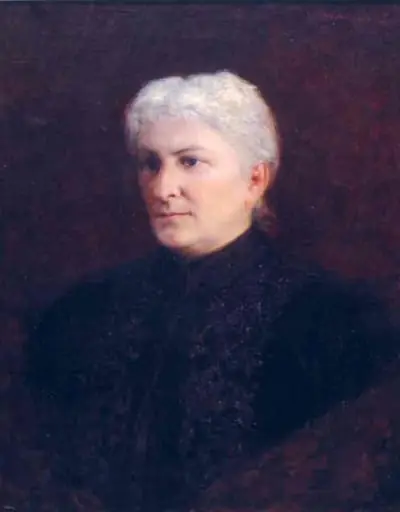 Iulia Hasdeu, soția
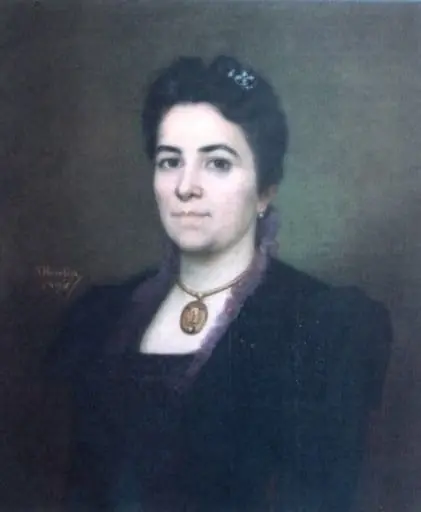 Irina Tranko
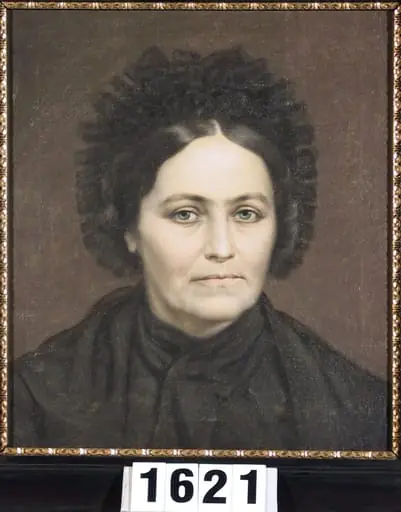 Elena Ioan Popp Moldovan, mama pictorului Mișu Popp
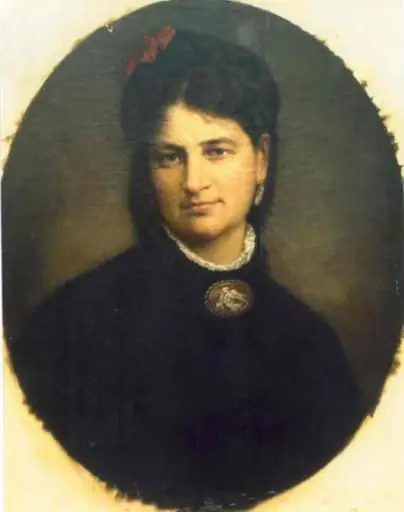 Soția pictorului, Maria Tăttărescu
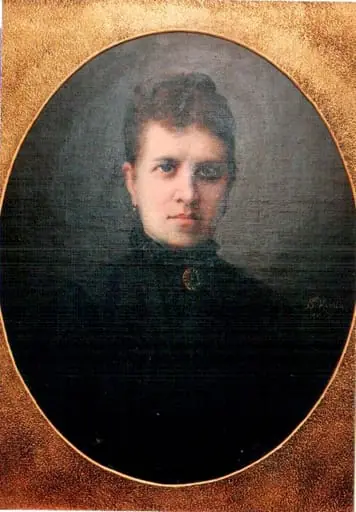 Portret de femeie
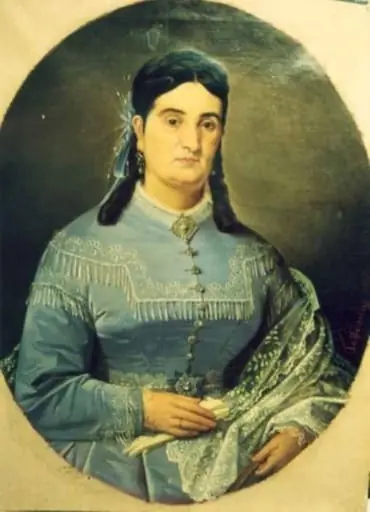 Soția lui Lazăr Kalinderu
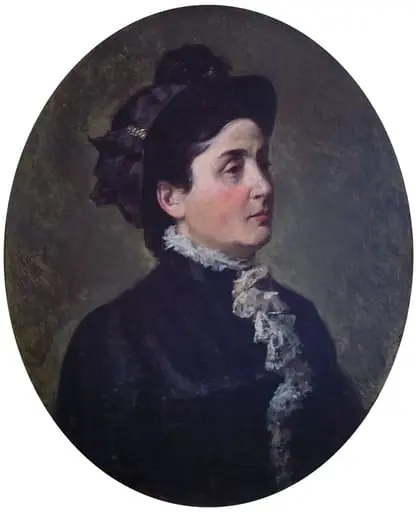 Portretul doamnei Fălcoianu
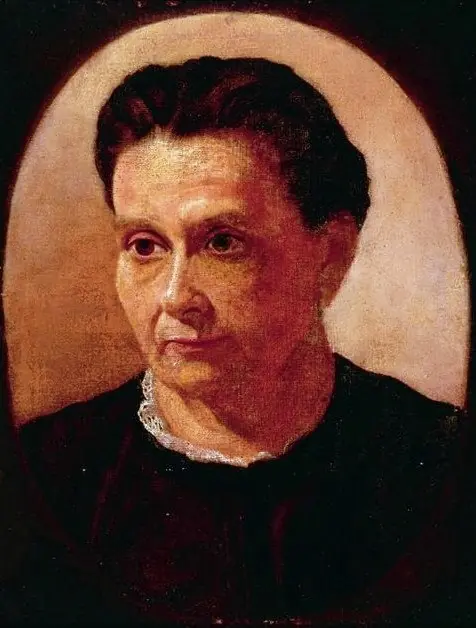 Ana Cândida do Amaral Souza (The Artist's Mother)
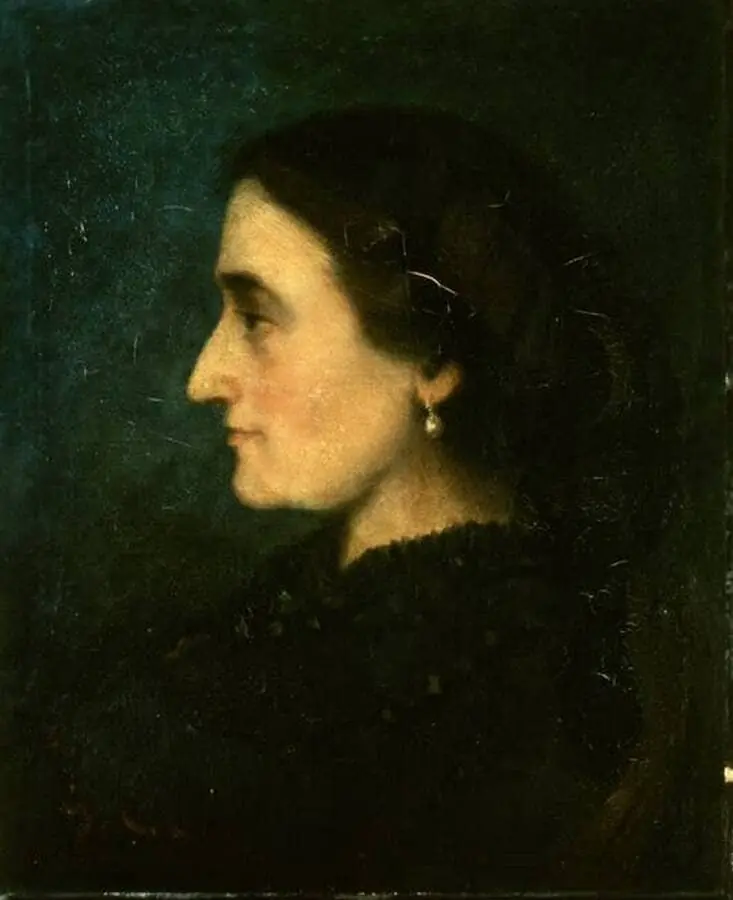 Portrait of madame Jolicler, née Lydie Chenoz
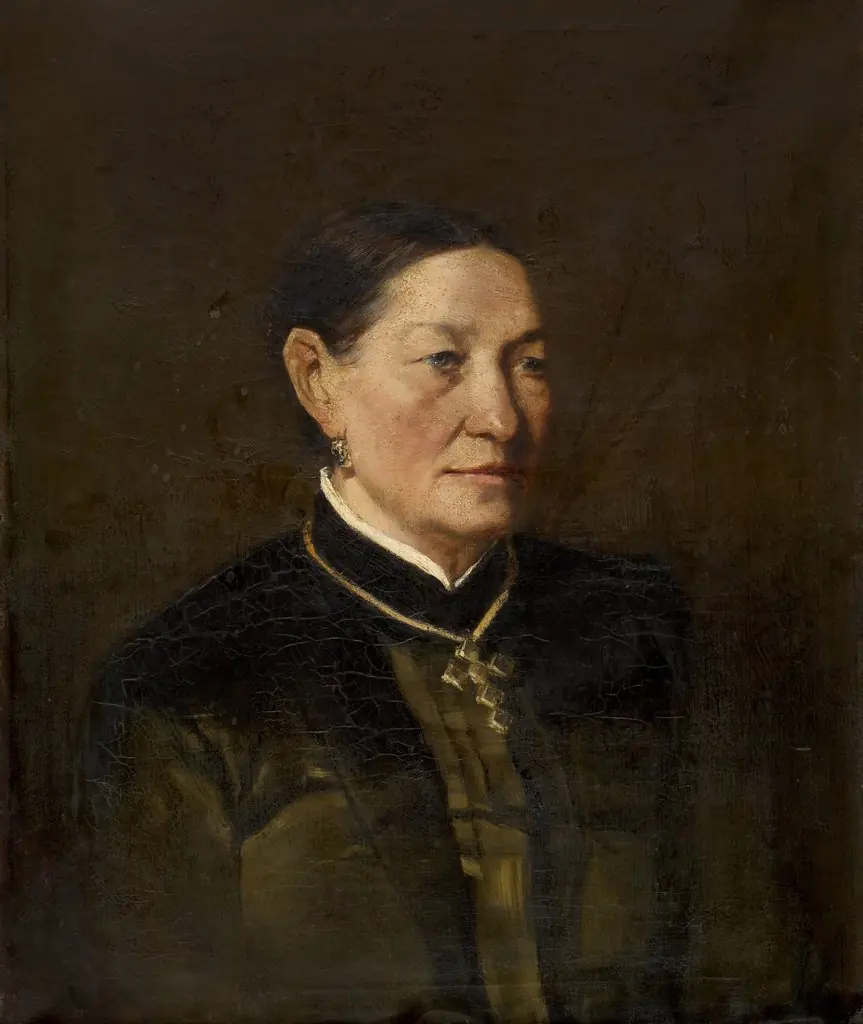 Portrait of a Woman
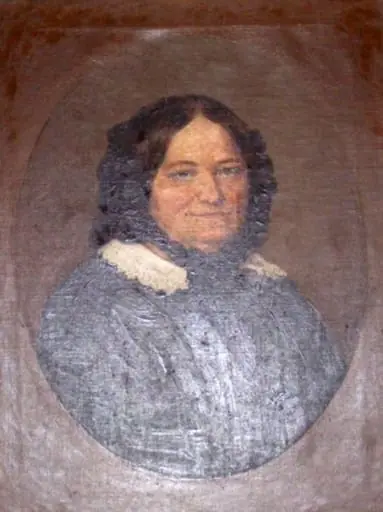 Portret de femeie
 Portrait of an Unidentified Woman