Artwork
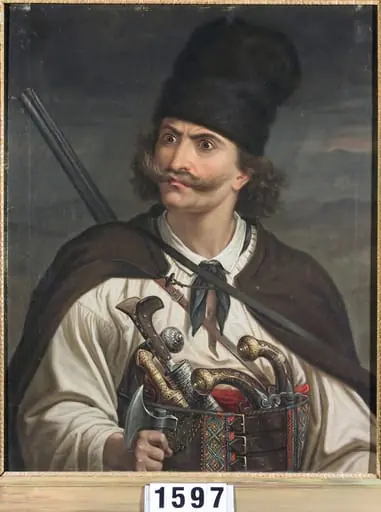
Haiducul Radu Anghel
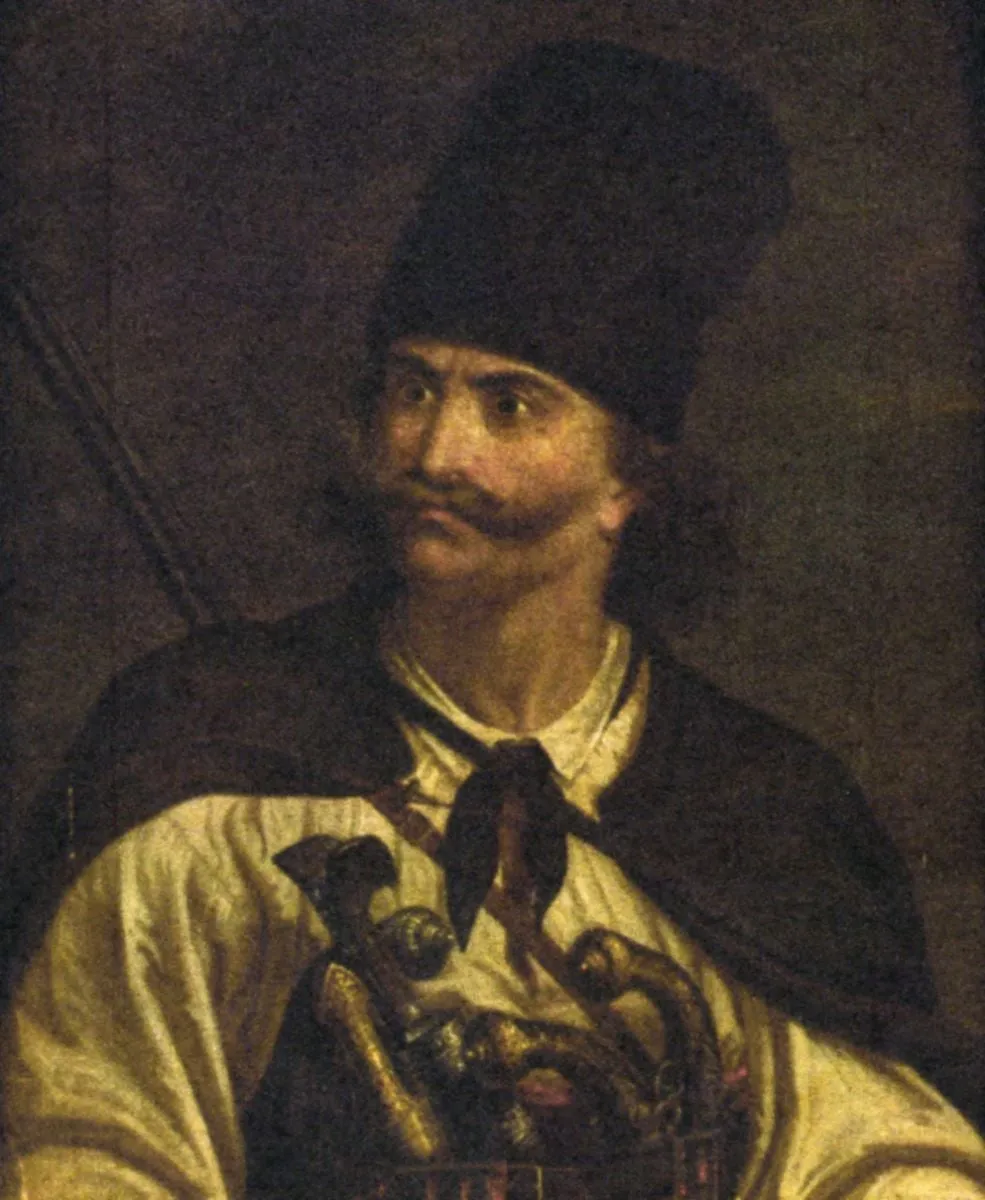
Haiducul Radu Anghel is an unspecified painting by Mișu Popp. It is held in the collection of the National Museum of Romanian History. The portrait depicts a solitary male figure against a deep, unmodulated background.
About this work
Overview
His attire suggests a regional or historical identity, with a dark hat, light shirt, and black cravat.
The portrait depicts a solitary male figure against a deep, unmodulated background. His attire suggests a regional or historical identity, with a dark hat, light shirt, and black cravat. A gold chain, bearing a small pendant, draws attention to his chest. The lighting isolates his face and upper body, emphasizing expression over environment. The composition is restrained, focusing attention entirely on the subject’s demeanor.
Subject & Meaning
The figure is identified as Radu Anghel, a haiduc—a type of Romanian outlaw or freedom fighter often romanticized in folklore. His serious expression and the pendant on his chain may signify authority, membership in a group, or a personal emblem of resistance. The absence of context invites interpretation of his role: a rebel, a leader, or a man marked by duty. The portrait conveys quiet resolve rather than action.
Technique & Style
The artist employs chiaroscuro to model the face and upper torso, using strong contrasts between light and shadow to create volume. The dark background absorbs detail, heightening the figure’s presence. Brushwork is controlled, with soft transitions in skin tones and crisp edges on fabric folds. The gold chain is rendered with subtle highlights, suggesting material value without overt embellishment.
History & Provenance
The painting is attributed to a 19th-century Romanian artist, likely created during a period of national awakening when figures like Radu Anghel were celebrated in visual culture. It may have been commissioned or produced for private collection, reflecting local interest in heroic archetypes. Its survival suggests it was preserved as a cultural artifact rather than a public monument.
Context
In early 19th-century Romania, haiduci were both feared and admired, embodying resistance to foreign rule and social injustice. Portraits of such figures served to anchor collective memory, blending historical reality with myth. This image aligns with a broader trend in Eastern European art that elevated folk heroes through intimate, psychologically grounded depictions rather than grand historical scenes.
Legacy
The portrait contributes to a visual tradition that humanized national legends, moving away from idealized heroism toward individualized expression. It remains a reference point in Romanian art history for its restrained emotional tone and technical clarity. Though not widely reproduced, it continues to inform contemporary understandings of identity and resistance in regional portraiture.
Artist & collection
Artist

 Portretul lui Avram Iancu
 Autoportret
 Portrait of Maksymilian Wierusz-Kowalski (1744–1794), Pantler of Livonia
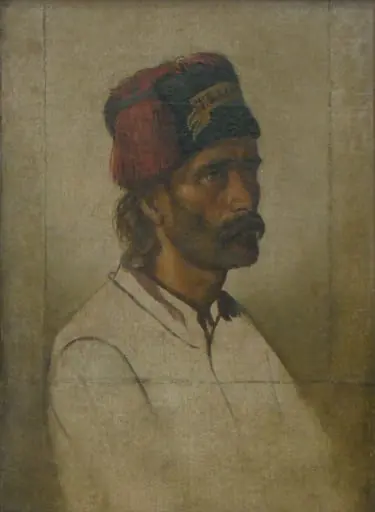 Dorobanț din Vlașca
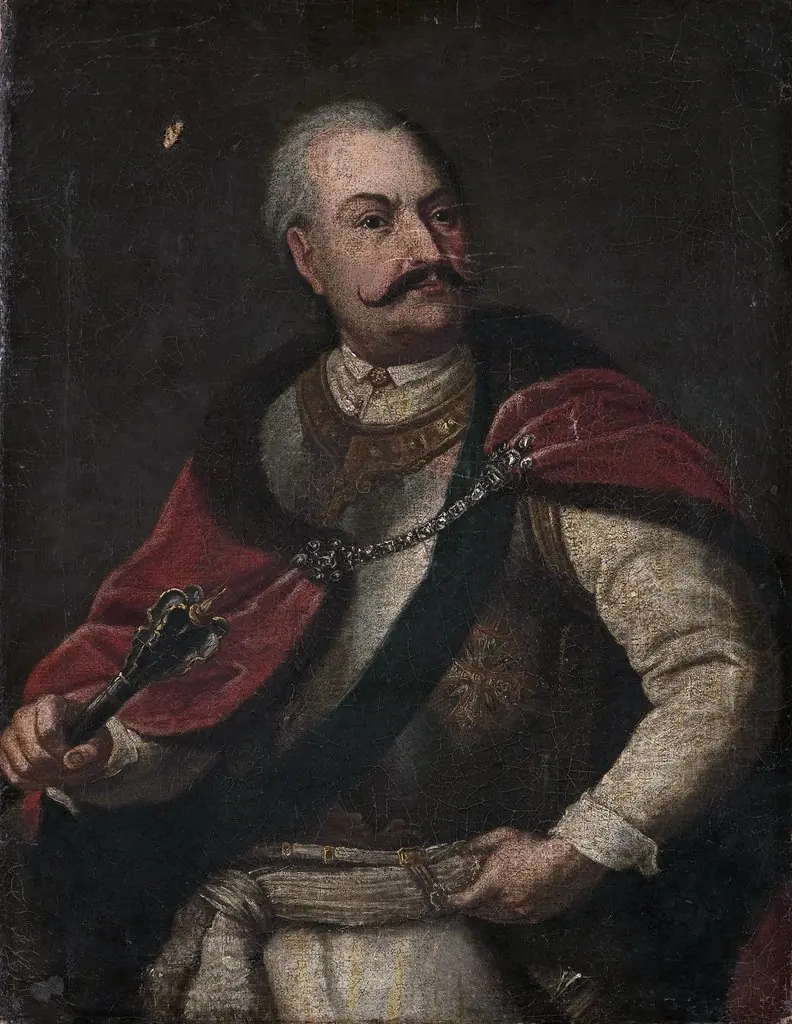 Portrait of prince Samuel Korecki /?/ Pogonia coat of arms (1621–1651), starosta of Ropczyce
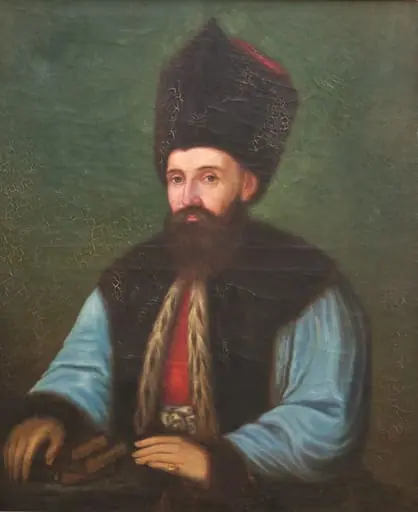 Portretul lui Grigore Brâncoveanu
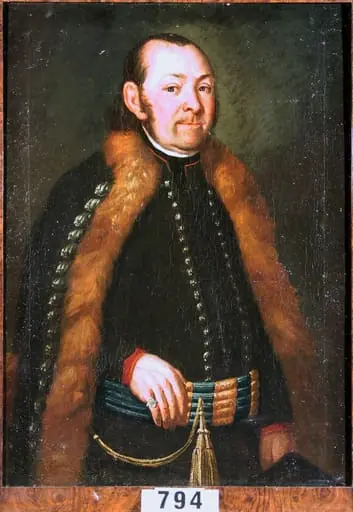 Măcelarul sibian Georg Hinzmann
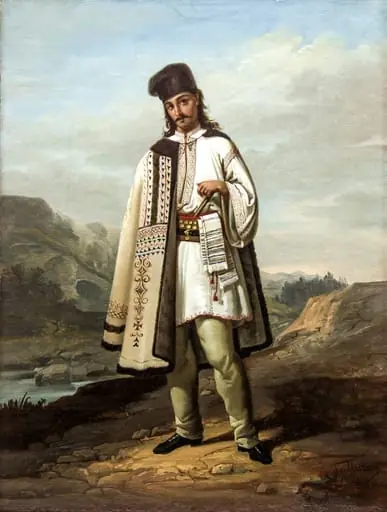 Țăran din Câmpulung-Muscel
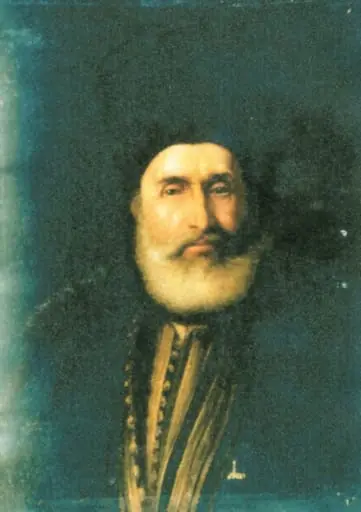 Marele Ban Năsturel Herescu
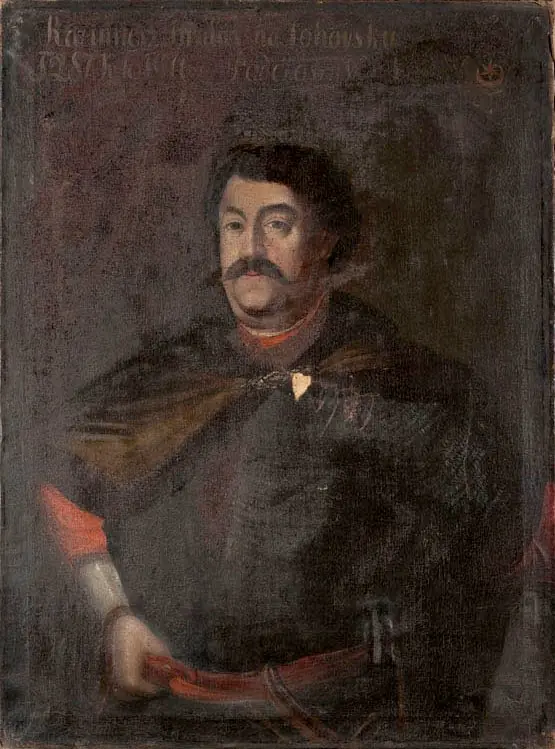 Portrait of Kazimierz Tyszkiewicz, Leliwa coat of arms (?–1652), cup-bearer of the Grand Duchy of Lithuania
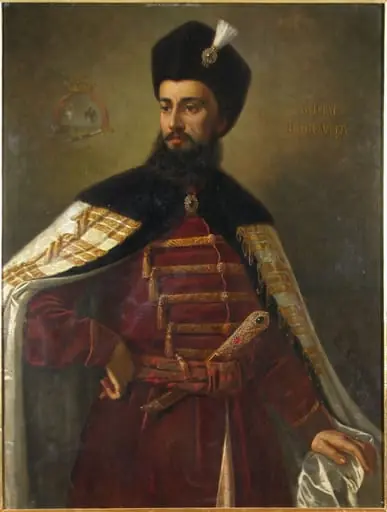 Mihai Racoviță
 Haiducul Radu Anghel