Artwork
Haiducul Radu Anghel
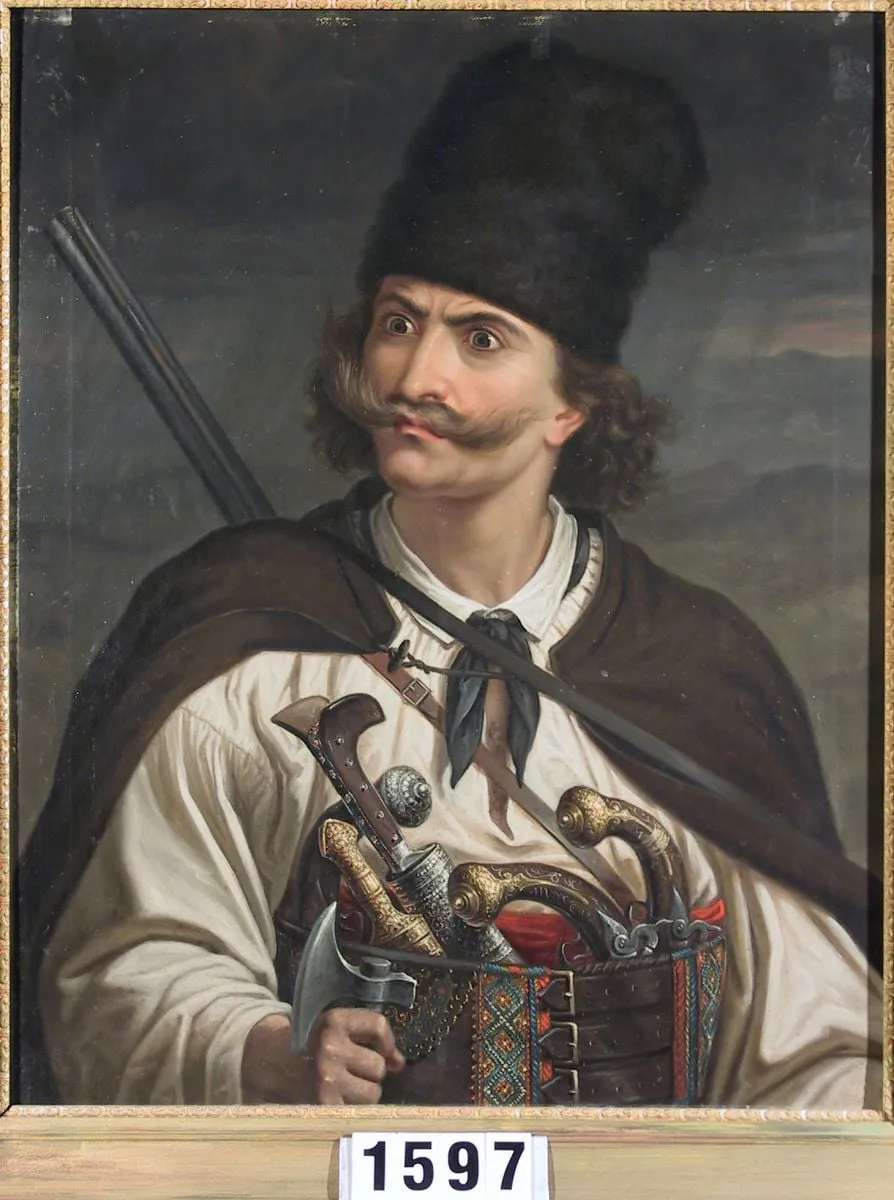
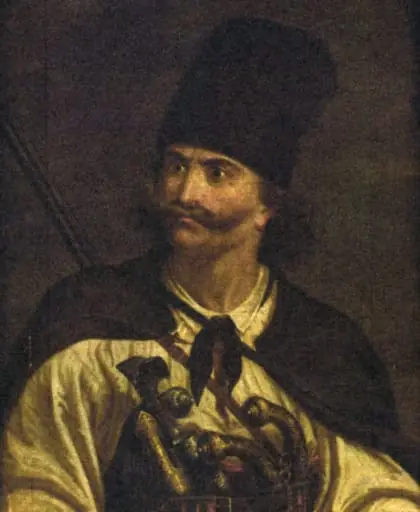
Haiducul Radu Anghel is a print by the Academic Art artist Mișu Popp. It dates from 1869 and is held in the collection of the Brukenthal National Museum.
About this work
Overview
Painted around 1869 by Mișu Popp, Haiducul Radu Anghel is a portrait of a Romanian outlaw figure, rendered in oil on canvas. The composition centers on a solitary male figure, illuminated against a deep, shadowed background. The subject’s intense gaze and elaborate attire suggest a blend of rugged individualism and cultural symbolism, characteristic of 19th-century Romanian romantic nationalism.
Subject & Meaning
The figure represents Radu Anghel, a legendary haiduc—a type of folk hero and rebel in Romanian tradition. His stern expression and poised weaponry convey vigilance and resolve, reflecting ideals of resistance and personal honor. The portrayal does not glorify violence but evokes the moral ambiguity and social tension surrounding such figures in rural communities under foreign rule.
Technique & Style
Popp employs chiaroscuro to heighten the figure’s presence, using stark contrasts between light and shadow to model the face and clothing.
Popp employs chiaroscuro to heighten the figure’s presence, using stark contrasts between light and shadow to model the face and clothing. The richly detailed belt, with its metallic accents and vivid hues, draws the eye against the muted tones of the shirt and cloak. Brushwork is precise in the facial features and accessories, while the background remains softly blurred, focusing attention on the subject’s psychological intensity.
History & Provenance
Created during a period of national awakening in Romania, the painting emerged from Popp’s engagement with historical and folk themes. It was likely commissioned or acquired by cultural patrons interested in promoting a distinct national identity. The work remained within Romanian collections, eventually entering the holdings of the National Museum of Art of Romania, where it continues to be studied as a key example of 19th-century Romanian portraiture.
Context
In the decades following the 1848 revolutions, Romanian artists turned to historical and folk subjects to forge a collective identity. Haiducs, often seen as defenders of the oppressed, became potent symbols in visual culture. Popp’s depiction aligns with this movement, drawing from oral traditions and contemporary political sentiment to elevate a marginal figure into a national archetype.
Legacy
The painting contributed to the visual lexicon of Romanian nationalism, influencing later depictions of haiducs in literature and theater. While not widely reproduced, it remains a touchstone in academic discussions of 19th-century Romanian art. Its restrained realism and psychological depth distinguish it from more theatrical interpretations, offering a nuanced portrait of resistance rooted in cultural memory.
Artist & collection

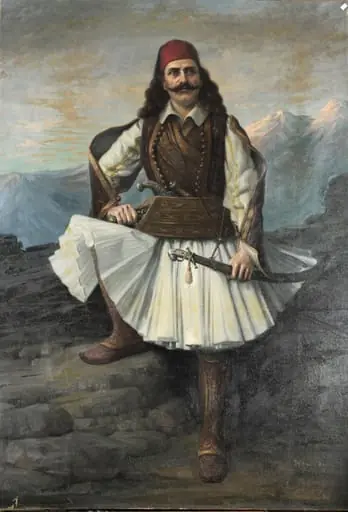 Προσωπογραφία του Γιάννη Μπουκουβάλα
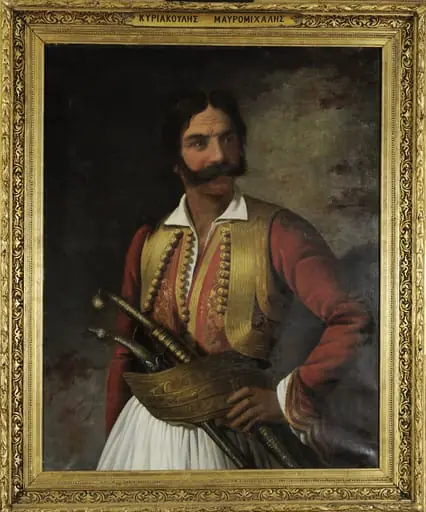 Προσωπογραφία του Κυριακούλη Μαυρομιχάλη
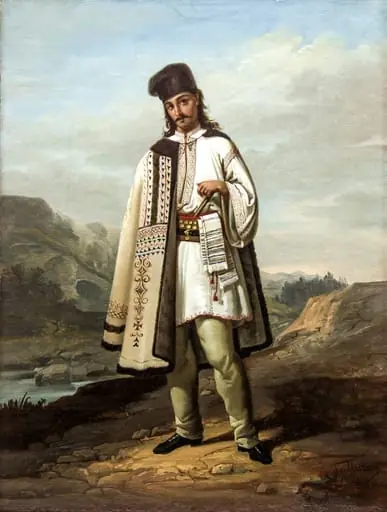 Țăran din Câmpulung-Muscel
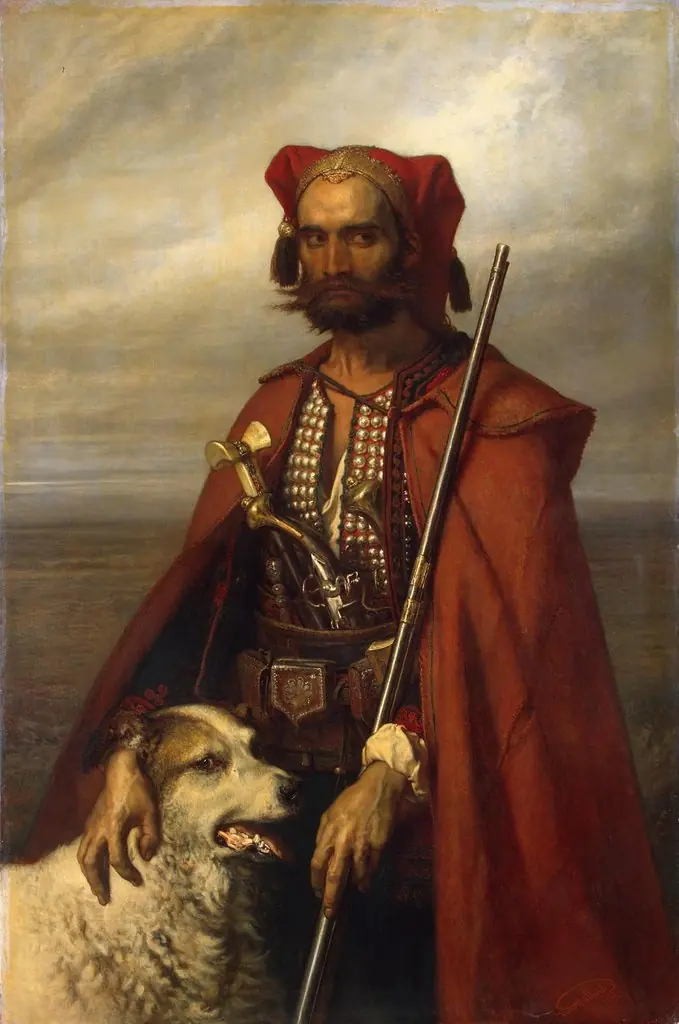 Sentinel the Croat
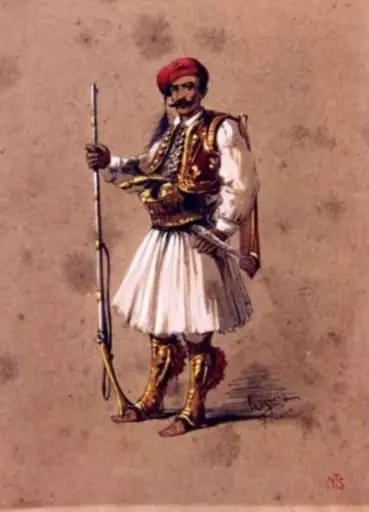 Albanez
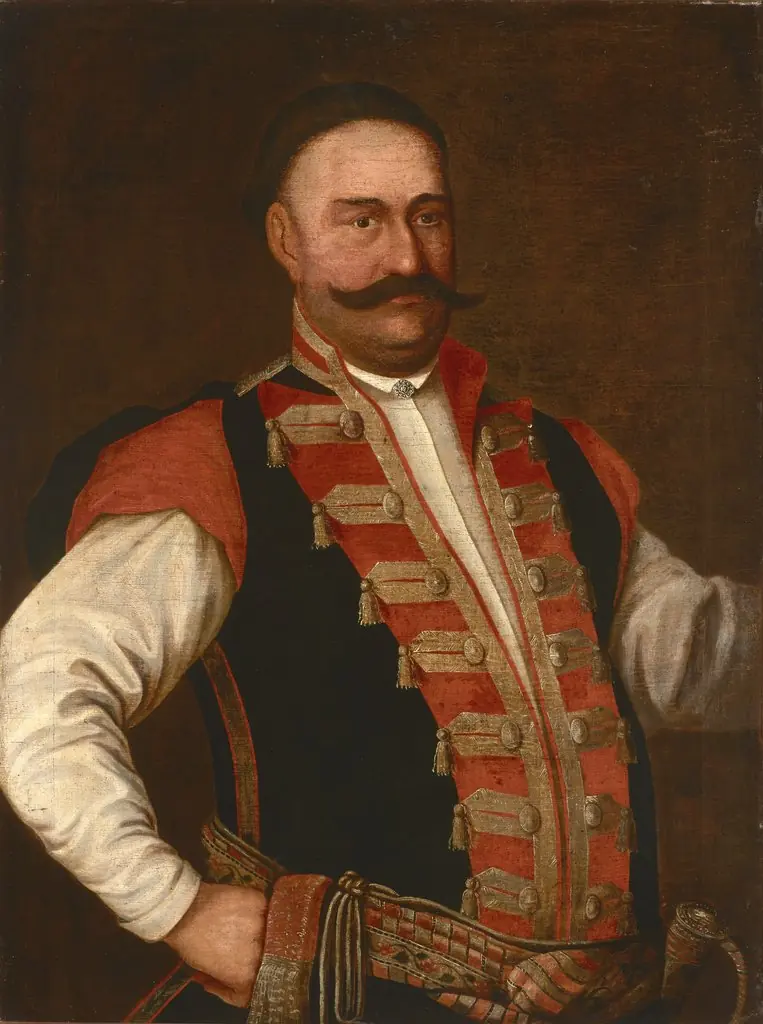 Portrait of Maksymilian Wierusz-Kowalski (1744–1794), Pantler of Livonia
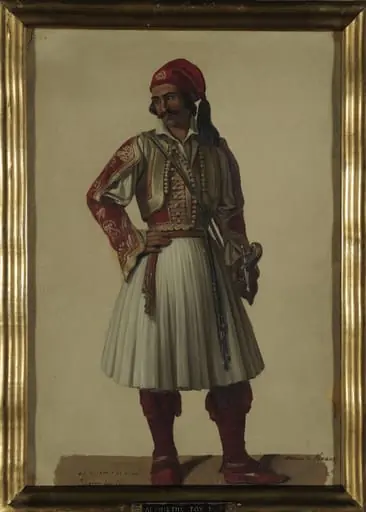 Υδατογραφία αγωνιστή του 1821
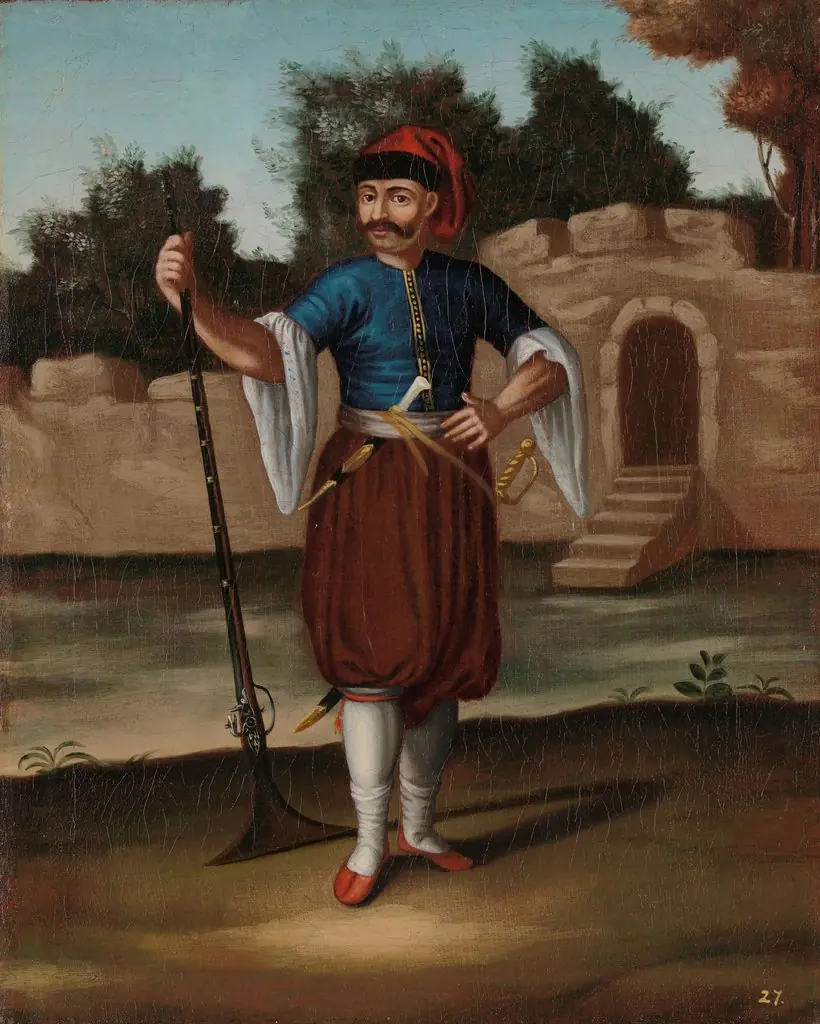 Albanian Soldier
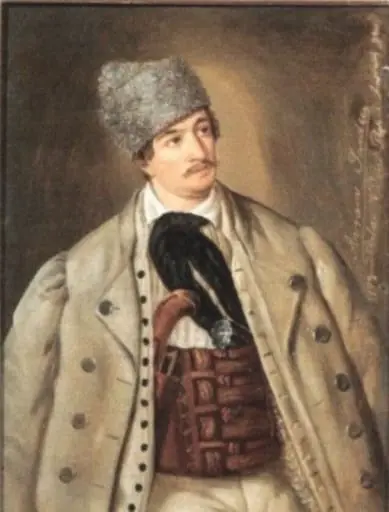 Portretul lui Avram Iancu
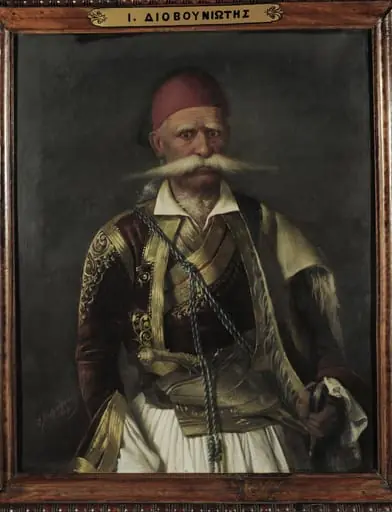 Προσωπογραφία του Ιωάννη Διοβουνιώτη
 Mihai Racoviță
 Haiducul Radu Anghel