Artwork
Baia turcească
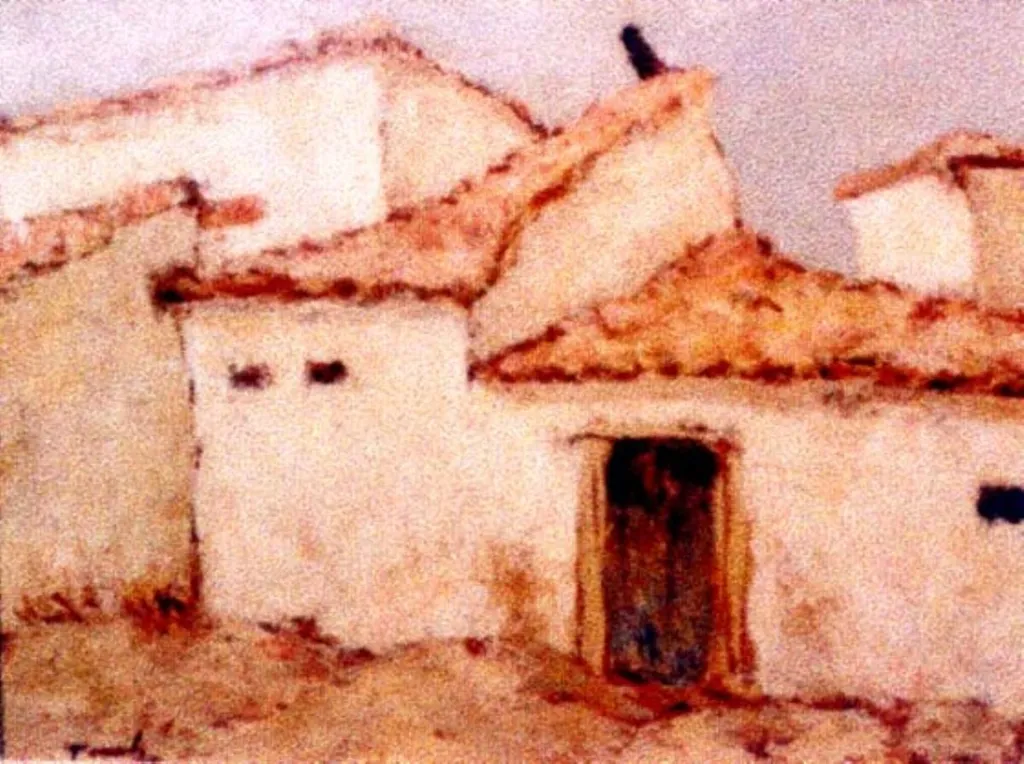
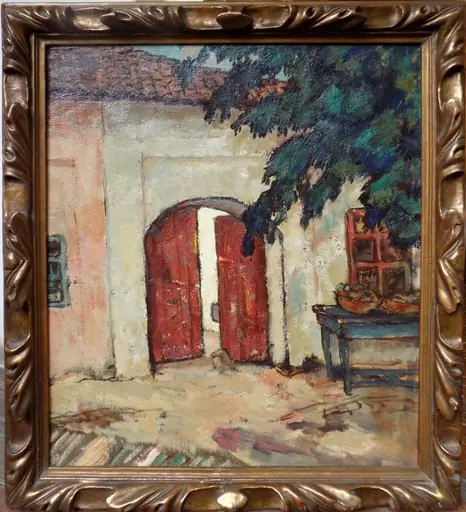
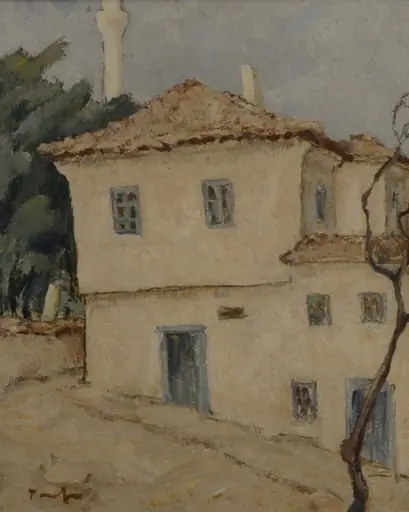
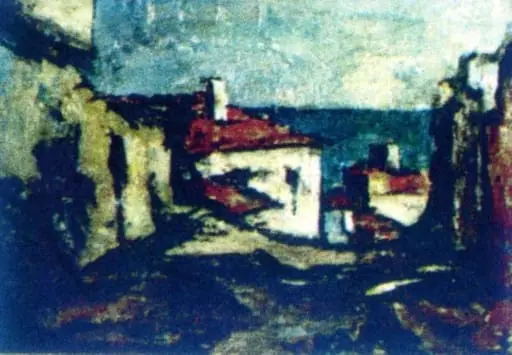
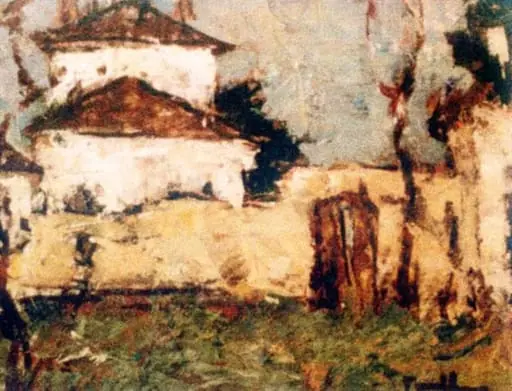
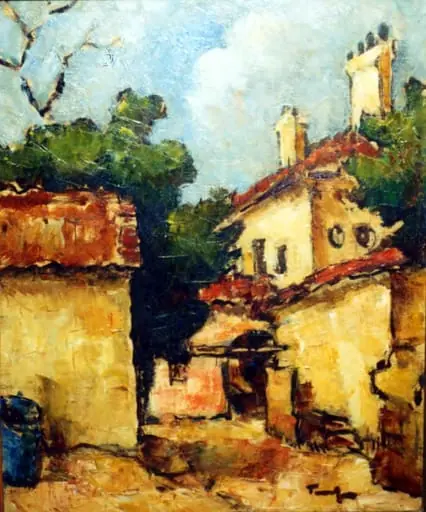
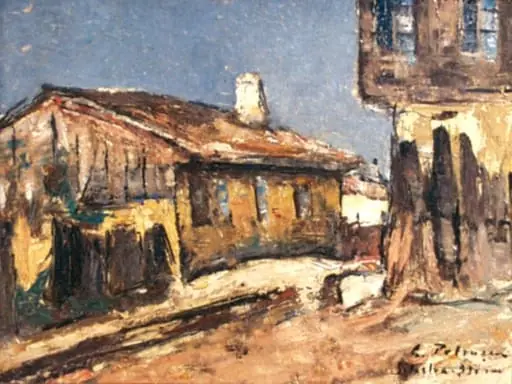
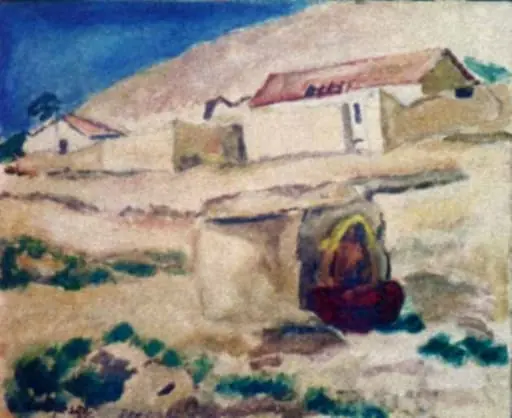
Baia turcească is an unspecified painting by Nicolae Tonitza. It is held in the collection of the Art Museum of Constanta. The painting portrays a modest rural structure, likely a dwelling in a Balkan or Anatolian village.
About this work
Overview
Its simple form—stone or clay walls, a sloped roof, and a single central door—suggests functional architecture adapted to local conditions.
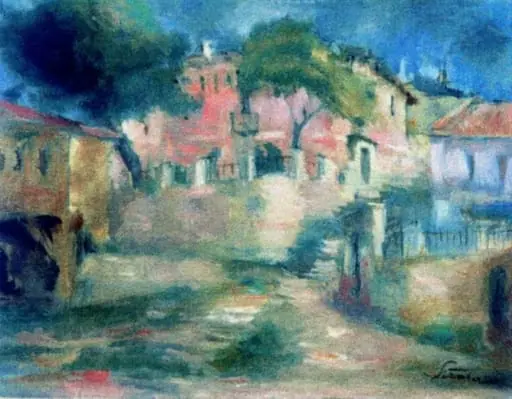
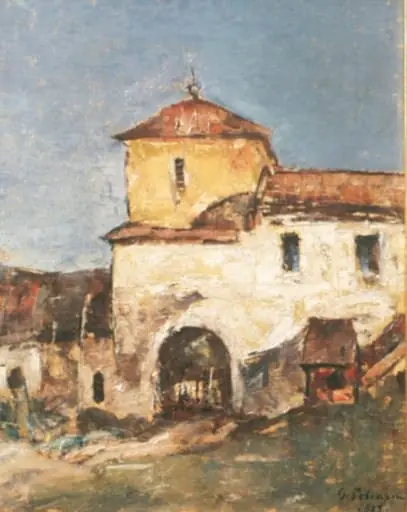
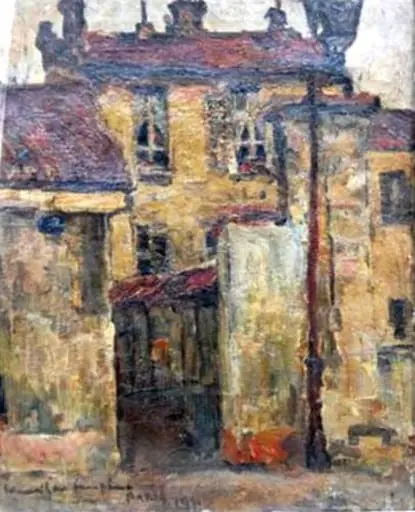
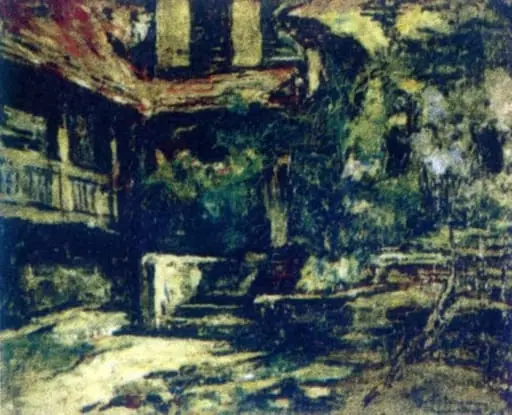
The painting portrays a modest rural structure, likely a dwelling in a Balkan or Anatolian village. Its simple form—stone or clay walls, a sloped roof, and a single central door—suggests functional architecture adapted to local conditions. The muted tones of beige, brown, and gray reinforce a quiet, unadorned atmosphere, emphasizing the building’s integration with its natural surroundings rather than any decorative intent.
Subject & Meaning
The subject is a vernacular building, stripped of ornamentation and human presence. Its isolation and plainness invite contemplation of everyday life in a rural setting. The absence of figures or activity shifts focus to the structure itself, suggesting themes of endurance, solitude, or the quiet dignity of ordinary architecture in a pre-industrial context.
Technique & Style
The artist employs a restrained palette and soft tonal transitions to model the building’s surfaces. Light and shadow are handled subtly, creating volume without dramatic contrast. The brushwork is deliberate but unobtrusive, favoring texture over detail—windows and roof tiles are suggested rather than precisely rendered, enhancing the sense of humble realism.
History & Provenance
The painting’s origin and early ownership are undocumented in available records. It is cataloged as an image without a known artist or date, suggesting it may have been produced as a study, travel sketch, or regional work outside the mainstream art market. Its preservation indicates recognition of its documentary or aesthetic value, though its provenance remains obscure.
Context
This work aligns with 19th-century European interest in ethnographic and rural subjects, particularly in regions under Ottoman influence. Similar depictions of vernacular architecture appeared in travel sketches and academic studies, often serving as records of cultural difference or regional identity during a period of political and social transformation.
Legacy
Though not widely exhibited or reproduced, the painting contributes to a broader visual archive of rural life in southeastern Europe. Its quiet realism offers a counterpoint to idealized or romanticized portrayals of the countryside, preserving an unembellished record of architectural forms that have since changed or disappeared.
Artist & collection
Artist
Nicolae Tonitza painted quiet still lifes and village scenes, often showing colorful vegetables on a table or blooming flowers in simple pots.