Artwork
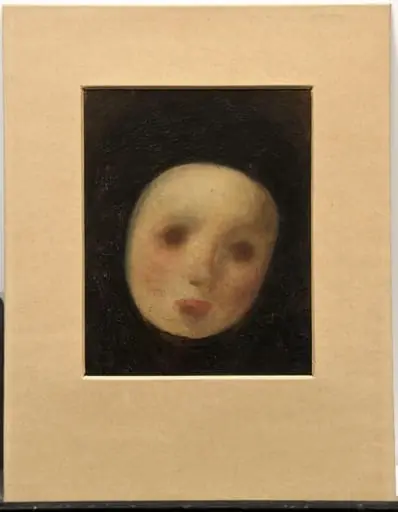
Cap de expresie (Cap de copil)
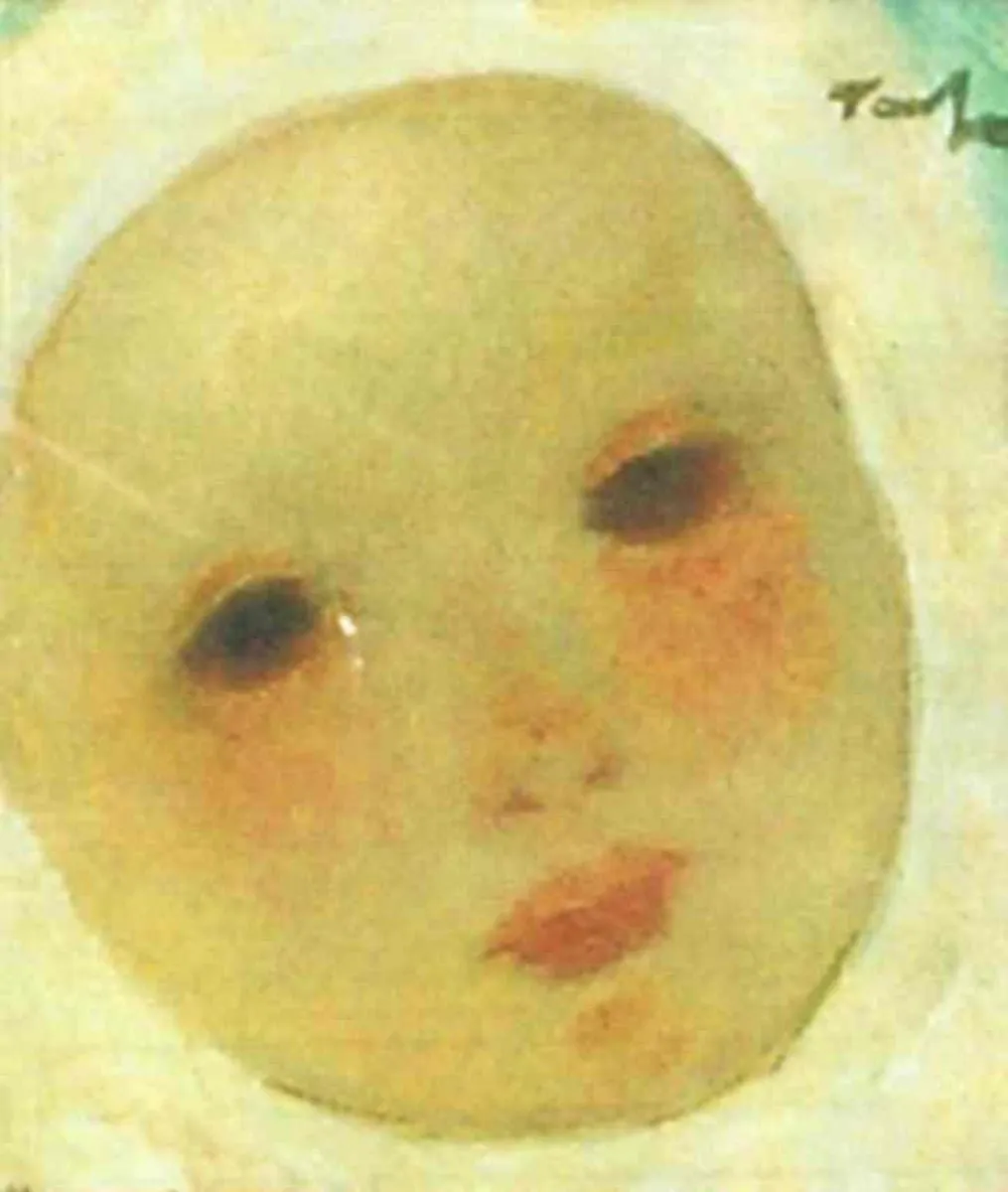
Cap de expresie (Cap de copil) is an unspecified painting by Nicolae Tonitza. It dates from 1926 and is held in the collection of the Vasile Pârvan Bârlad Museum.
About this work
Overview
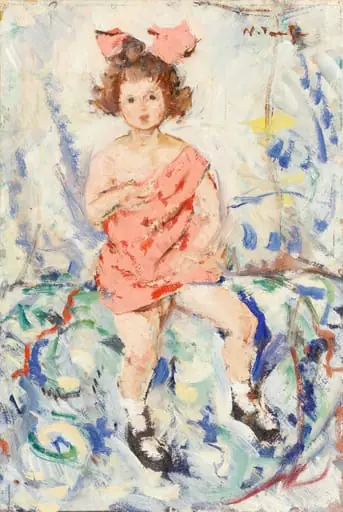
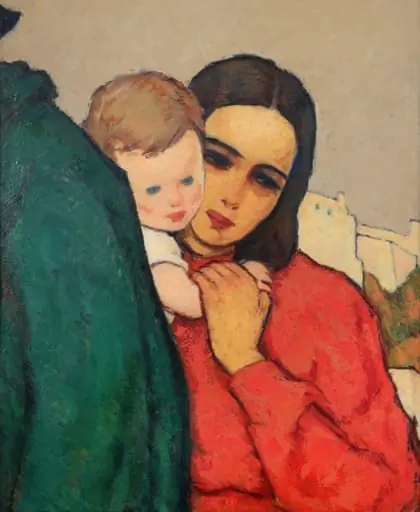
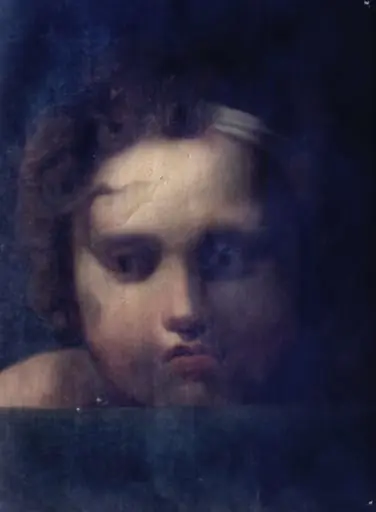
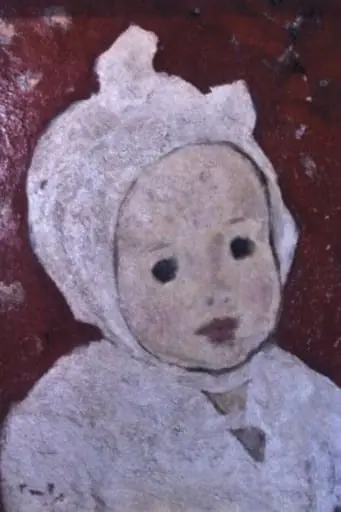
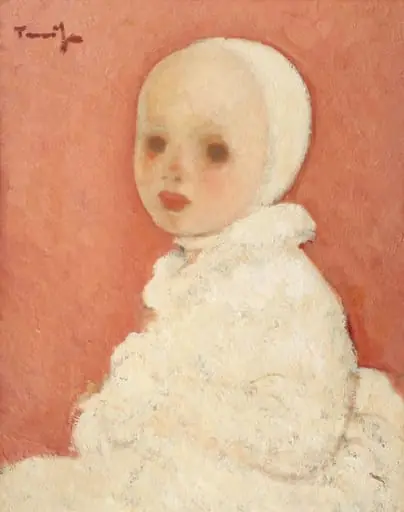
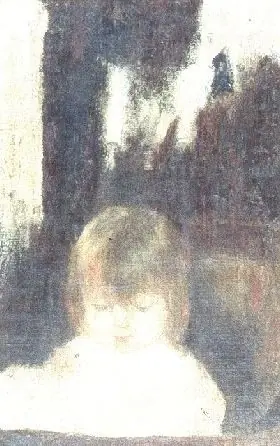
Created around 1926 by Romanian painter Nicolae Tonitza, this small-scale image titled Cap de expresie (Cap de copil) is part of the collection of the Museum of Ethnography. The work presents an intimate portrait of a young child’s face, rendered in a compact, almost circular composition.
Subject & Meaning
The focal point is a tender, round infant visage with smooth, pale skin, faint pink cheeks and a subtly open mouth. The child’s dark eyes are rendered with minimal detail, conveying a quiet, contemplative presence that invites reflection on innocence and fleeting childhood moments.
Technique & Style
Tonitza employs a restrained palette of light tones, allowing the delicate flesh tones to dominate. Brushwork is loose and slightly blurred, suggesting a swift execution that emphasizes overall form over precise detailing. The minimal lines for hair and the simplified facial features highlight the artist’s interest in capturing the essence of the subject.
History & Provenance
The painting entered the Museum of Ethnography’s holdings after its creation in the mid‑1920s, though specific acquisition details remain limited. Its presence in an ethnographic institution underscores the work’s relevance to cultural representations of childhood within Romanian visual heritage.
Context
During the 1920s Tonitza explored themes of everyday life and intimate portraiture, often focusing on children and ordinary people. Cap de expresie aligns with this period of his oeuvre, reflecting broader interwar artistic currents in Romania that favored simplicity, emotional directness, and a modest, observational approach.
Artist & collection
Artist
Nicolae Tonitza painted quiet still lifes and village scenes, often showing colorful vegetables on a table or blooming flowers in simple pots.