Artwork
Portret de copil
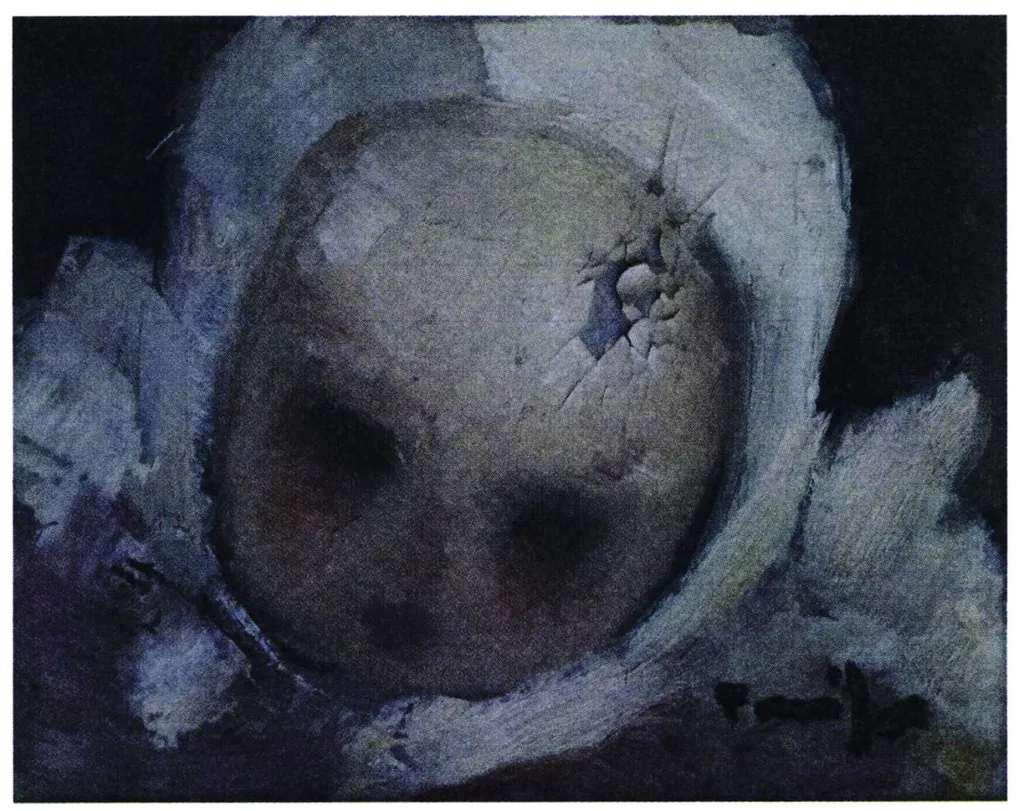
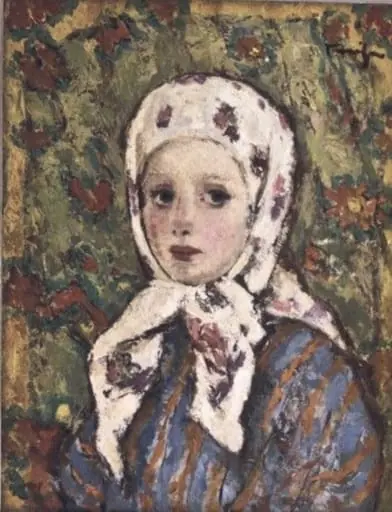
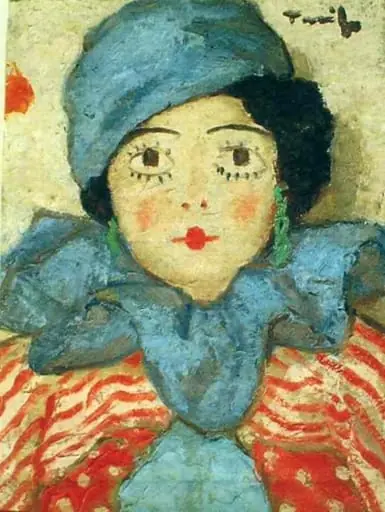
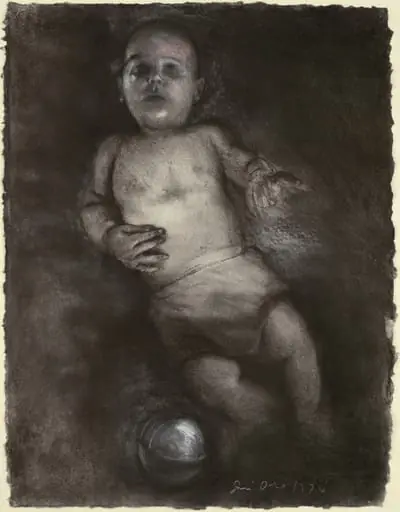
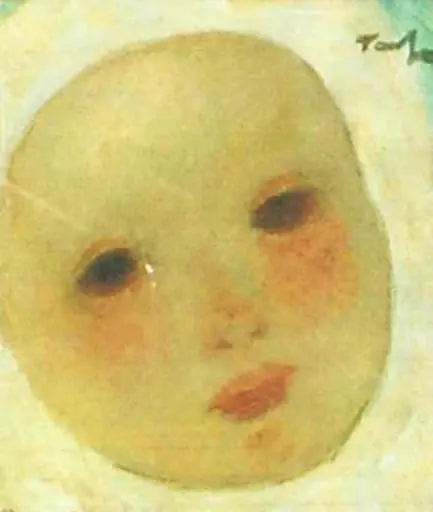
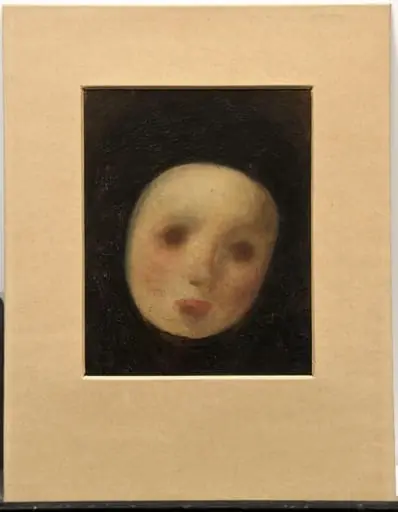
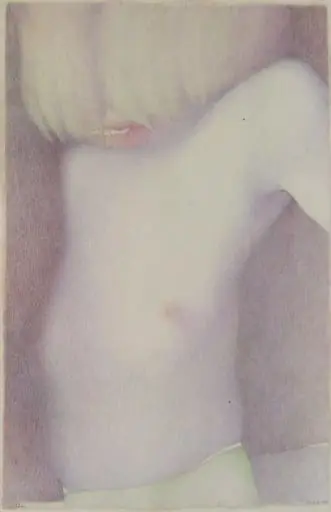
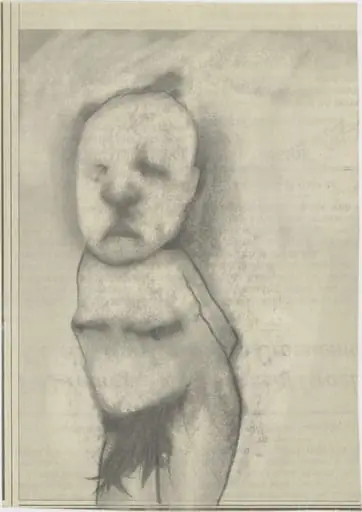
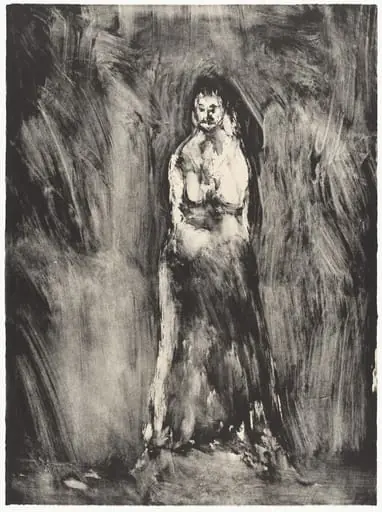
Portret de copil is a print by Nicolae Tonitza. It dates from 1923 and is held in the collection of the Ion Ionescu-Quintus Prahova County Art Museum.
About this work
Overview
The work is part of the collection of the Museum of Ethnography, where it is displayed among other early‑twentieth‑century Romanian pieces.
Nicolae Tonitza’s Portret de copil, executed around 1923, is a modestly sized image that presents a young child’s head and shoulders. The composition isolates the figure against a nearly black backdrop, allowing the softly illuminated face to dominate the visual field. The work is part of the collection of the Museum of Ethnography, where it is displayed among other early‑twentieth‑century Romanian pieces.
Subject & Meaning
The portrait captures a child in a moment of quiet contemplation, the gaze directed slightly away, suggesting a blend of innocence and introspection. The subdued expression and gentle modeling convey a tender, almost nostalgic view of childhood, typical of Tonitza’s interest in everyday human sentiment.
Technique & Style
Tonitza employs a stark chiaroscuro, contrasting the deep, almost velvety darkness behind the figure with a delicate, diffused light that sculpts the child’s pale skin. Loose, gestural strokes define the hair, while subtle gradations of tone give the face a three‑dimensional presence, reflecting the artist’s command of light to suggest form.
History & Provenance
Created in the early 1920s, the image entered the Museum of Ethnography’s holdings through a donation acquired in the mid‑20th century. Its presence in the museum underscores Tonitza’s role in Romanian visual culture and provides a reference point for the period’s portraiture practices.
Artist & collection

Artist
Nicolae Tonitza was a Romanian painter, engraver, lithographer, journalist and art critic. Drawing inspiration from Post-Impressionism and Expressionism, he had a major role in introducing modernist guidelines to local art.
Museum
Ion Ionescu-Quintus Prahova County Art Museum
Continue through works from the same source collection.