Artwork
Natură statică cu legume
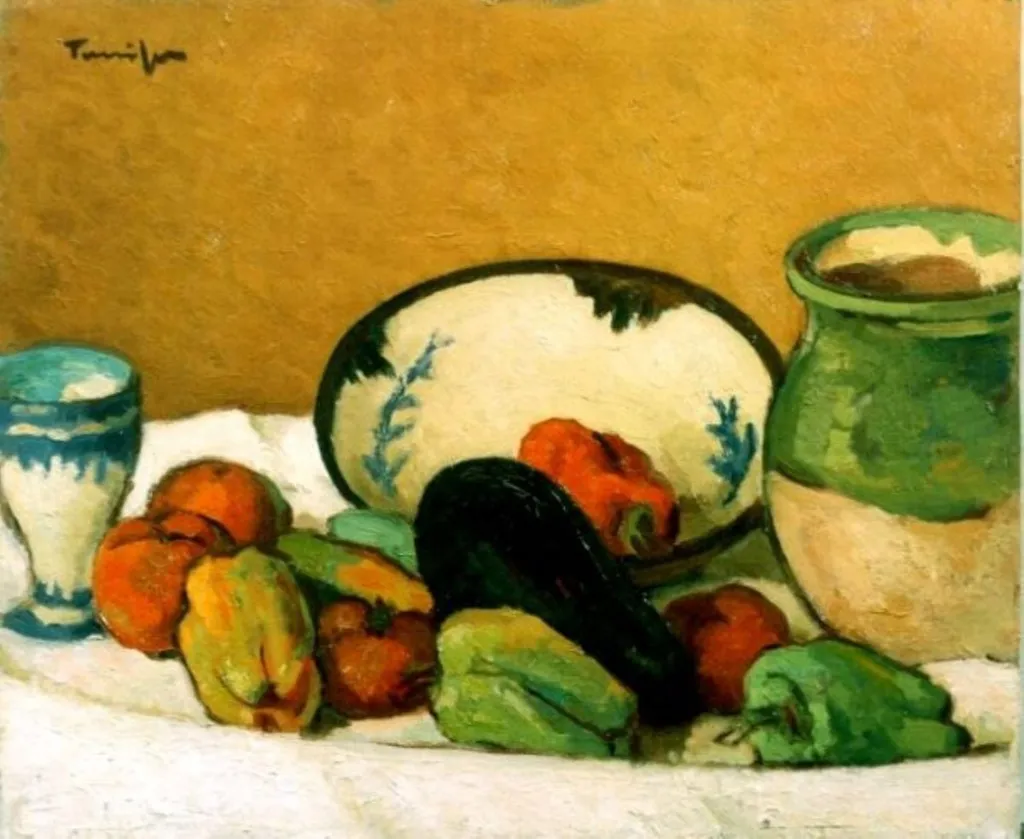
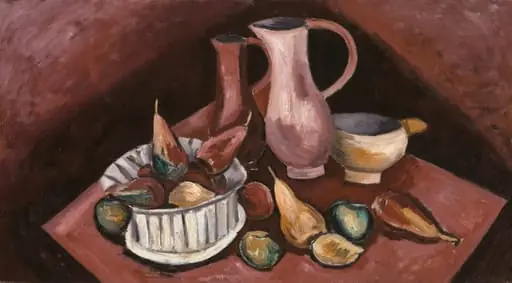
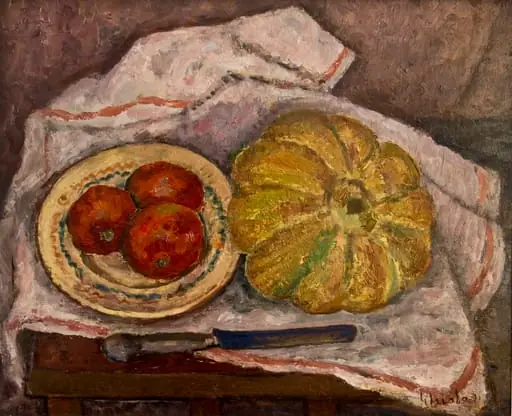
Natură statică cu legume is an unspecified painting by Nicolae Tonitza. It is held in the collection of the National Museum of Art of Romania. This still life depicts an arrangement of vegetables and household objects on a white tablecloth.
About this work
Overview
The brushwork is direct and expressive, avoiding fine detail in favor of energetic, visible strokes that suggest form through color and gesture.
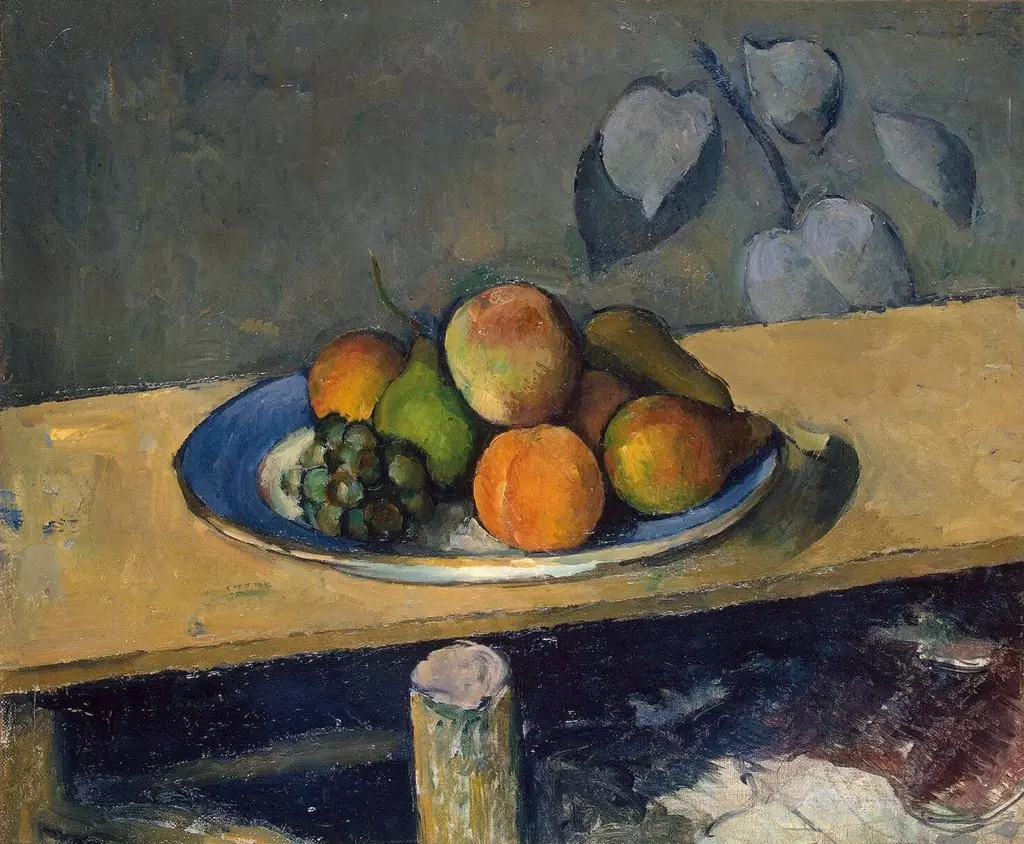
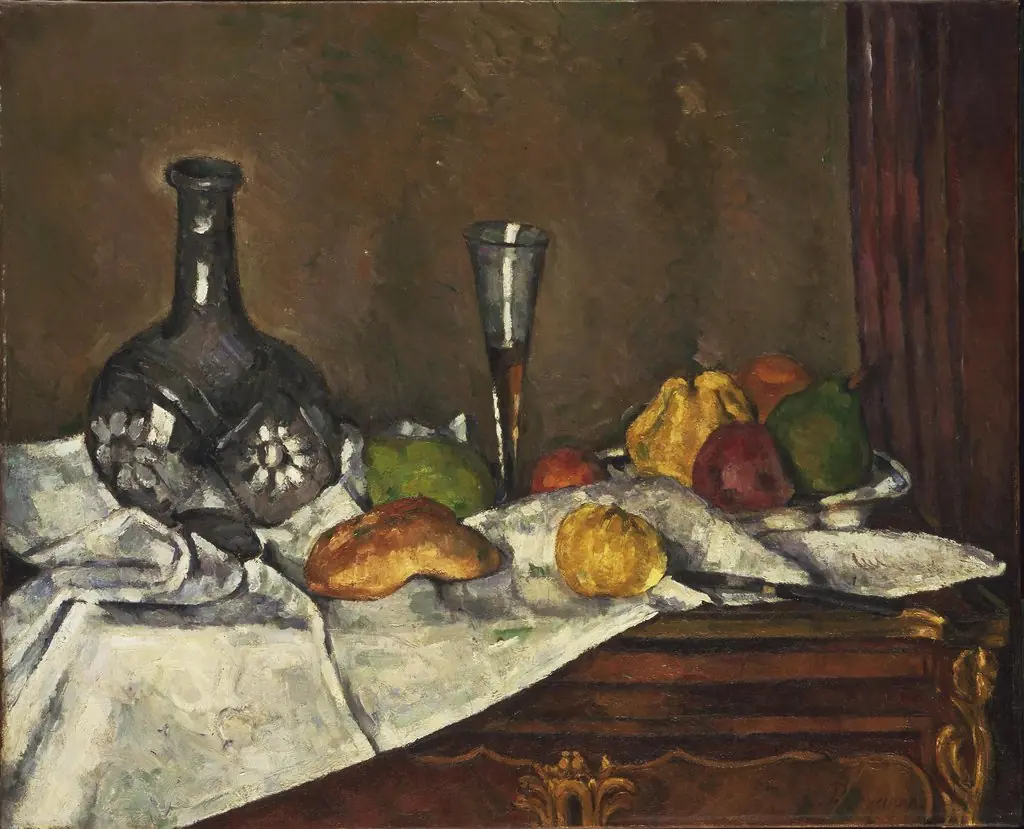
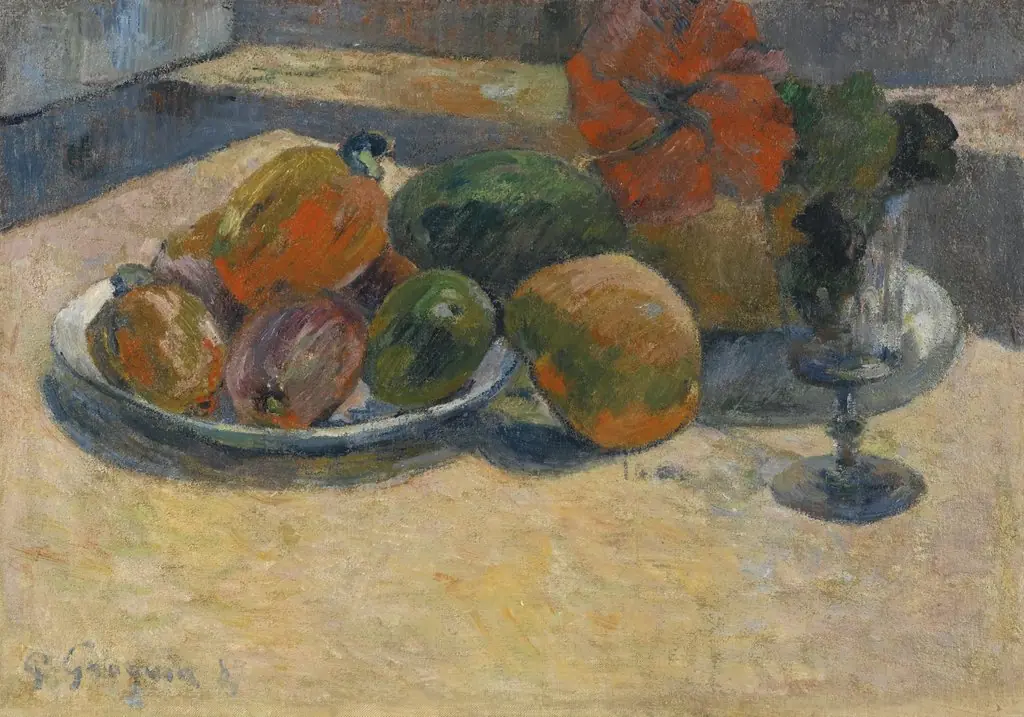
This still life depicts an arrangement of vegetables and household objects on a white tablecloth. The composition is deliberately simple, with items placed in quiet equilibrium. Warm tones of yellow, orange, and green dominate the palette, lending the scene a subdued sense of domestic calm. The brushwork is direct and expressive, avoiding fine detail in favor of energetic, visible strokes that suggest form through color and gesture.
Subject & Meaning
The painting presents ordinary kitchen items—vegetables, a ceramic bowl, a vase—elevated through careful arrangement. There is no narrative or symbolic intent; the focus lies in the quiet dignity of everyday objects. The selection of seasonal produce and utilitarian vessels reflects an appreciation for the humble rhythms of domestic life, rendered without ornament or pretense.
Technique & Style
The artist employs bold, confident brushstrokes to define form and texture, favoring immediacy over refinement. Colors are applied with intensity, creating a luminous effect despite the limited palette. The white tablecloth acts as a neutral ground, allowing the vivid greens, yellows, and blues to resonate. The style balances realism with expressive abstraction, emphasizing emotional tone over precise representation.
History & Provenance
The work is attributed to Nicolae Tonitza, a Romanian painter active in the early 20th century. It belongs to a series of still lifes he produced during a period when he turned toward intimate, domestic subjects after earlier engagement with social themes. The painting’s origins are tied to his personal studio practice, likely created in Bucharest during the 1920s or 1930s.
Context
Tonitza’s still lifes emerged amid broader Romanian artistic movements that sought to define a national visual language through everyday life. While European modernism influenced his technique, his subject matter remained rooted in local experience. These works contrasted with the grand historical or political themes common in public art of the time, offering instead a quiet, personal observation of home.
Legacy
Tonitza’s still lifes are recognized for their emotional resonance and formal clarity within Romanian modernism. They helped shift focus from monumental themes to the poetic potential of ordinary objects. Though not widely exhibited internationally, they remain influential in Romanian art education and are frequently referenced for their synthesis of simplicity and expressive color.
Artist & collection
Artist
Nicolae Tonitza painted quiet still lifes and village scenes, often showing colorful vegetables on a table or blooming flowers in simple pots.