Artwork
Pelerin
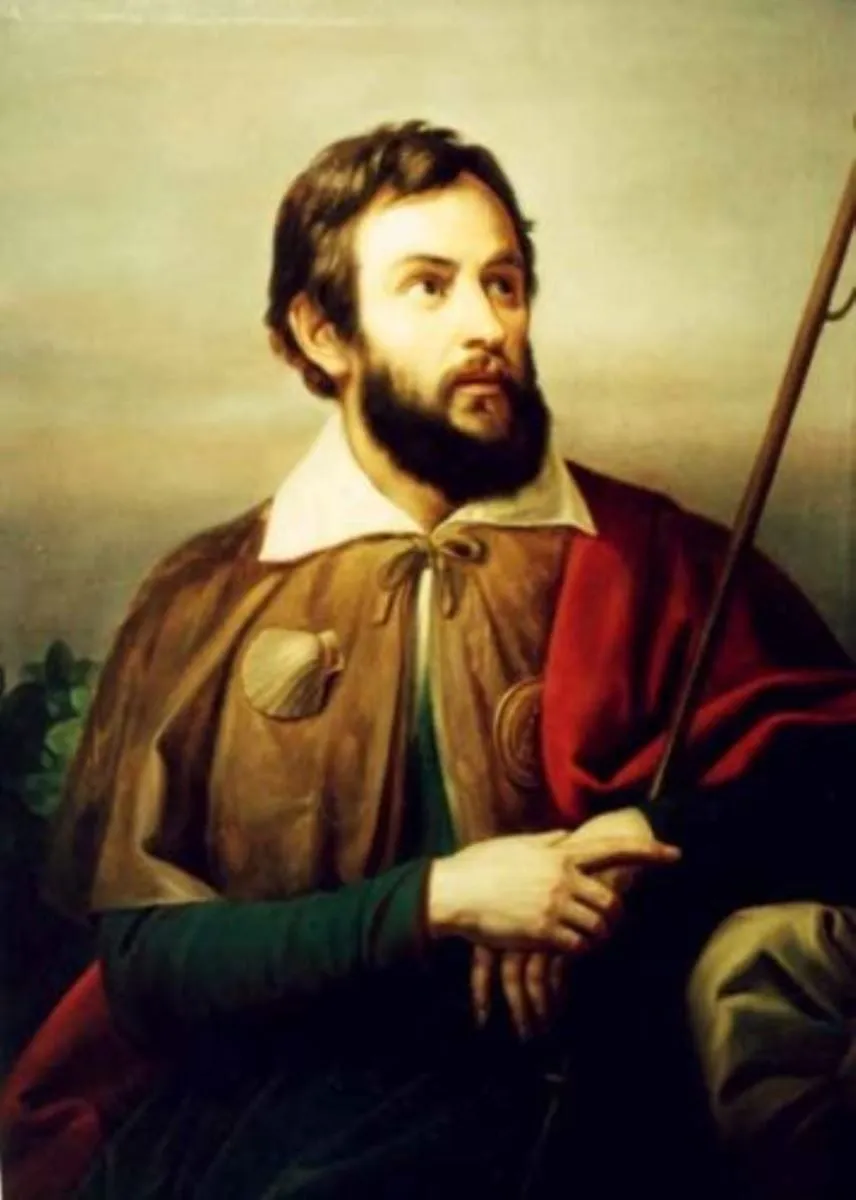
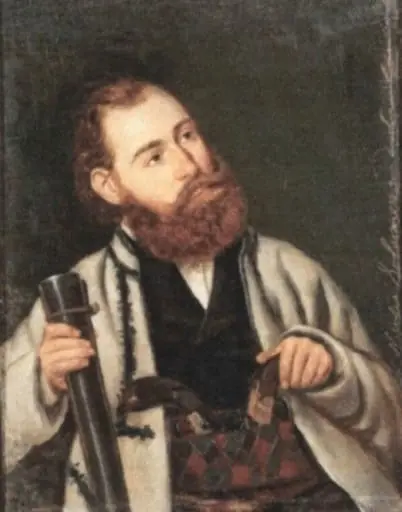
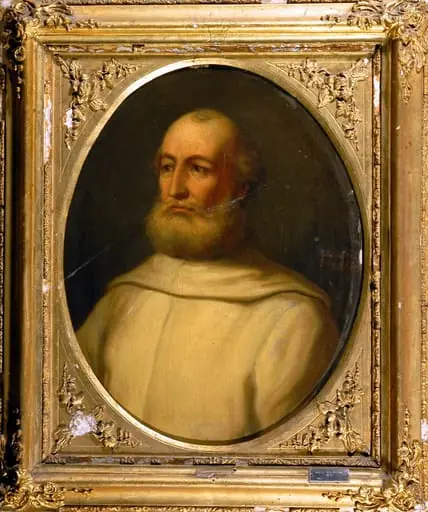
Pelerin is an unspecified painting by Gheorghe Tattarescu. It dates from 1850 and is held in the collection of the Bucharest Municipality Museum.
About this work
Overview
Tattarescu captures a solitary figure in a moment of stillness, emphasizing personal devotion over narrative action.
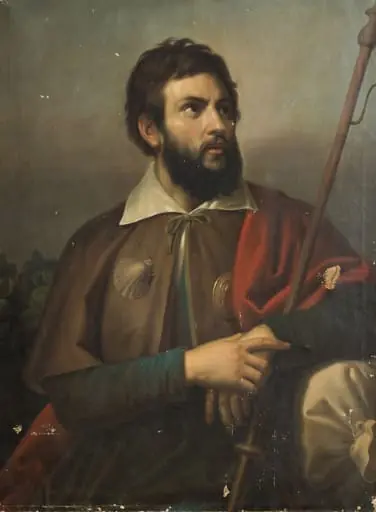
Pelerin, painted around 1850 by Gheorghe Tattarescu, is a portrait of a pilgrim rendered in oil on canvas. The work resides in the Museum of Ethnography, where it is valued for its quiet dignity and ethnographic detail. Tattarescu captures a solitary figure in a moment of stillness, emphasizing personal devotion over narrative action. The composition avoids dramatic elements, focusing instead on the subtleties of costume and expression.
Subject & Meaning
The figure is a pilgrim, identifiable by his cloak, staff, and chest ornament shaped like a shell—a traditional symbol of pilgrimage, particularly associated with the Camino de Santiago. His upward gaze suggests inner reflection or prayer, aligning the image with spiritual seeking rather than physical travel. The absence of landscape or context isolates the figure, reinforcing themes of solitude and personal faith.
Technique & Style
Tattarescu employs a restrained palette dominated by earth tones, with the red lining of the cloak and green shirt providing subtle contrast. The brushwork is precise but not overly detailed, favoring clarity over ornamentation. The muted beige background functions as a neutral field, drawing attention to the figure’s form and texture. Lighting is even and diffuse, enhancing the contemplative mood without creating strong shadows.
History & Provenance
Created in the mid-19th century, Pelerin was likely painted during Tattarescu’s period of engagement with Romanian national identity and folk traditions. It entered the collection of the Museum of Ethnography early in its history, possibly as part of a broader effort to document regional customs. Its preservation reflects institutional interest in representing everyday spiritual practices of the time.
Context
In the 1850s, Romanian artists increasingly turned to local subjects as part of a cultural awakening. Tattarescu, trained in Europe, blended academic techniques with indigenous themes. Pelerin reflects this synthesis: its formal structure owes something to European portraiture, while its subject matter grounds it in Romanian rural piety and the enduring tradition of pilgrimage across the Balkans.
Legacy
Pelerin remains a quiet reference point in Romanian art for its understated portrayal of spiritual life. It influenced later generations interested in ethnographic realism, though it never achieved widespread fame. Its enduring presence in the Museum of Ethnography underscores its role as a document of cultural habit rather than artistic spectacle.
Artist & collection
Artist
 Portretul lui Nicolae Solomon
 Portrait of Sigismund II Augustus (1520–1572), King of Poland
 Saint Ignace de Loyola (1491-1556), fondateur de l'ordre des Jésuites
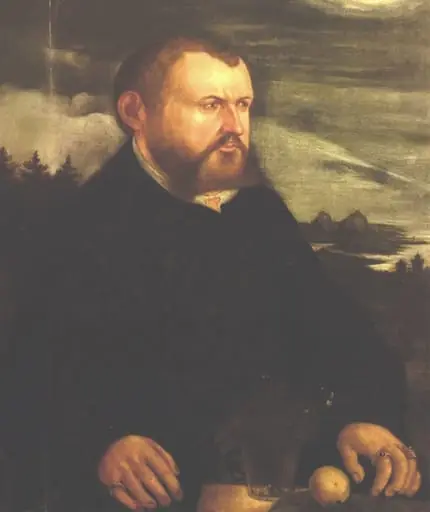 Portret de bărbat
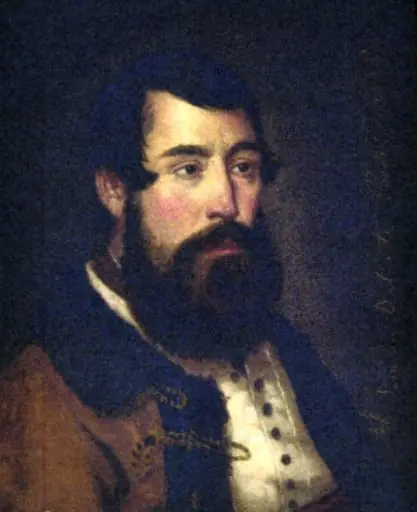 Simion Balint
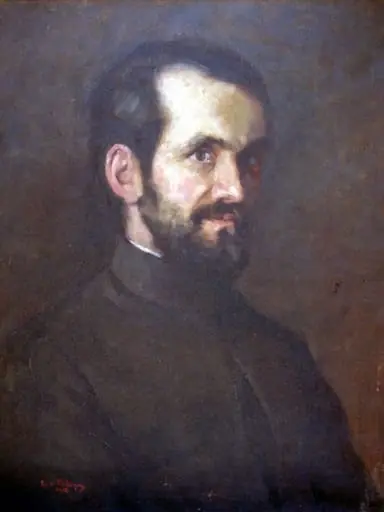 Portret de bărbat
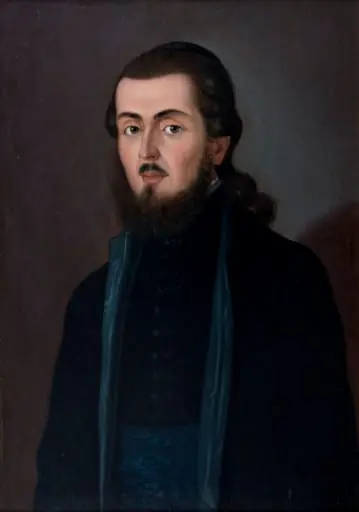 Portret de preot
 Portrait of Jan Karol Chodkiewicz – Study
 Portret de bărbat
 Portrait of a Man
 Păstor (Pelerin)
 Portretul lui Bathory Laszlo