Artwork
Doamna spaniolă
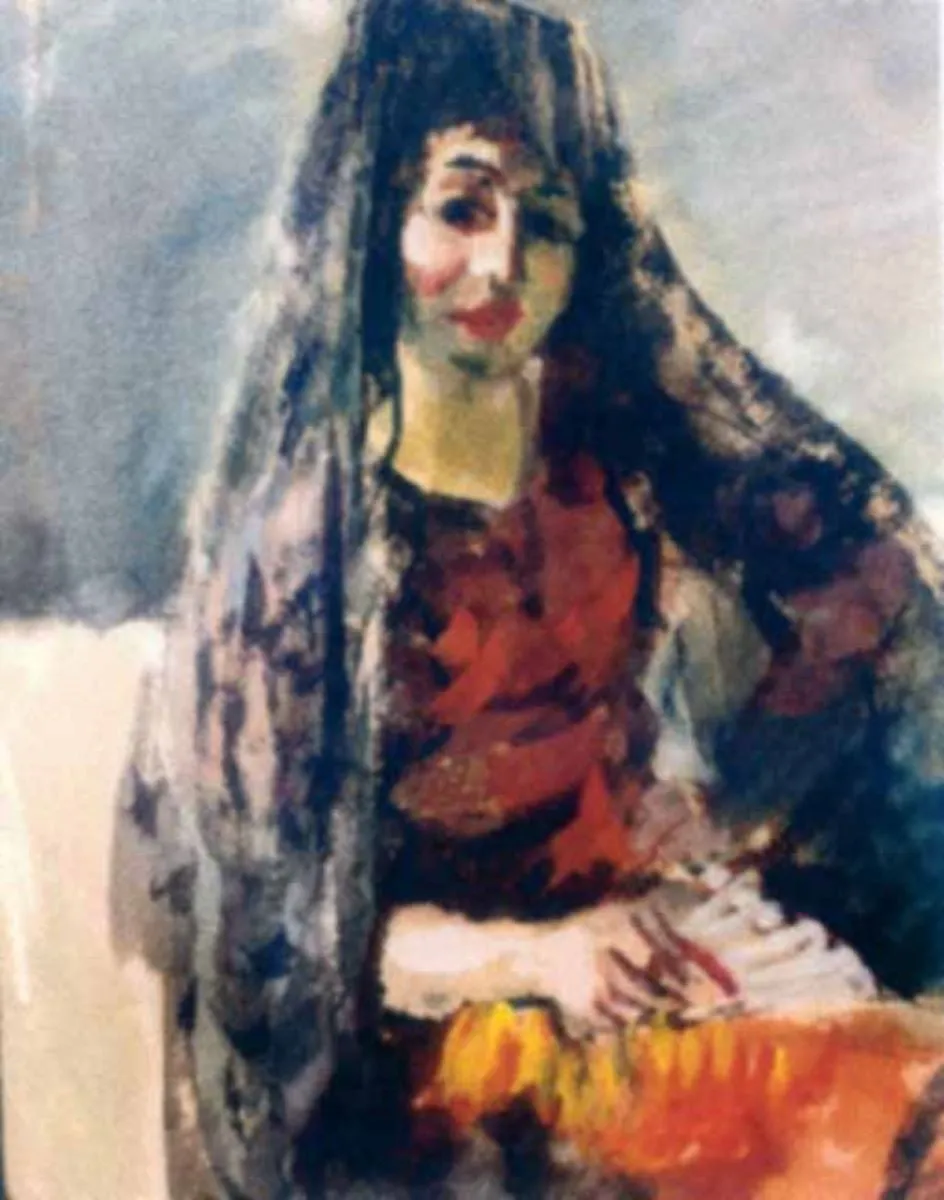
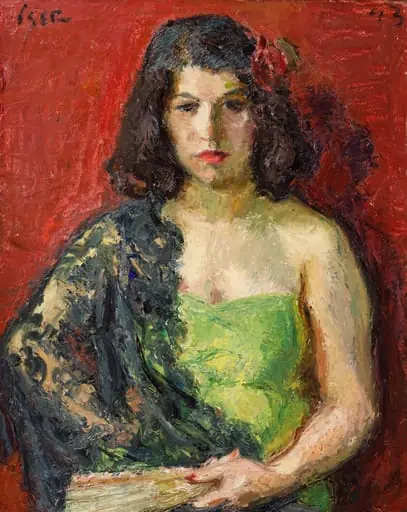
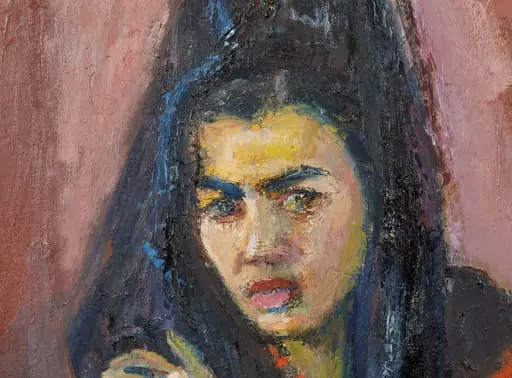
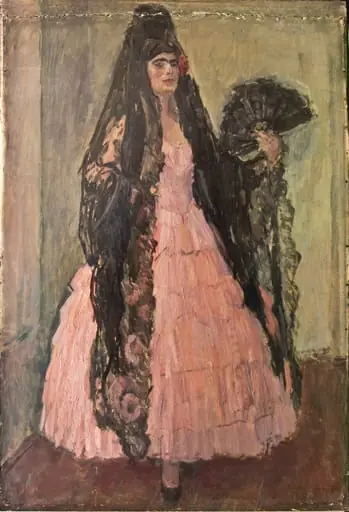
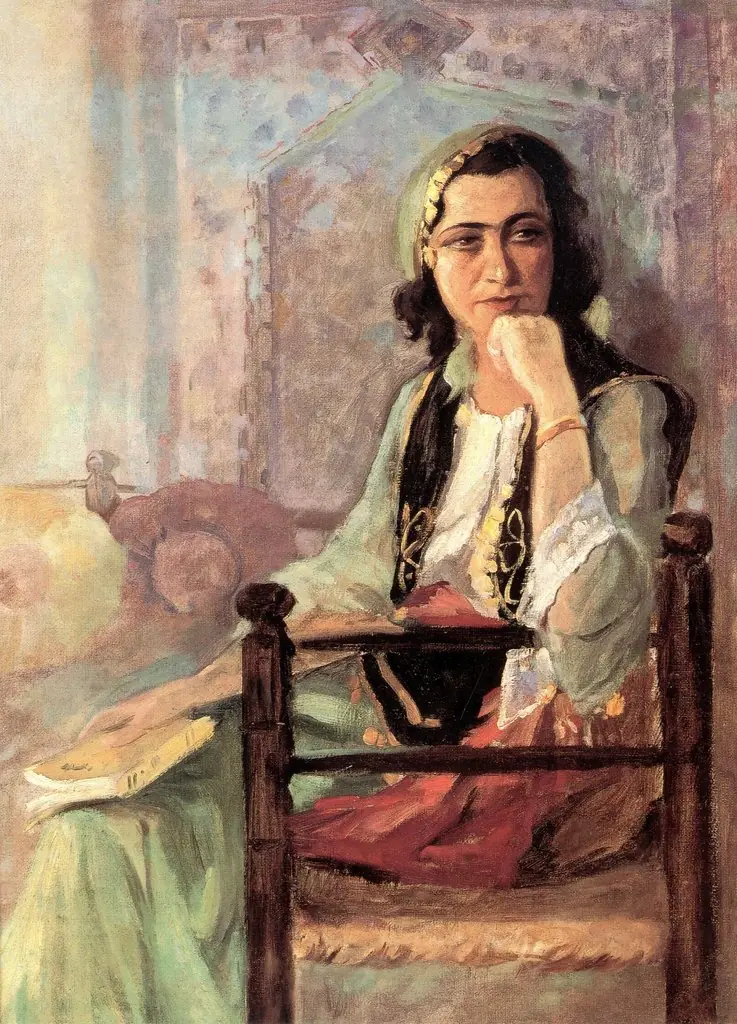
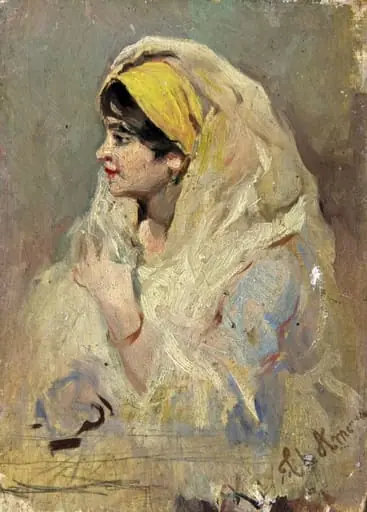
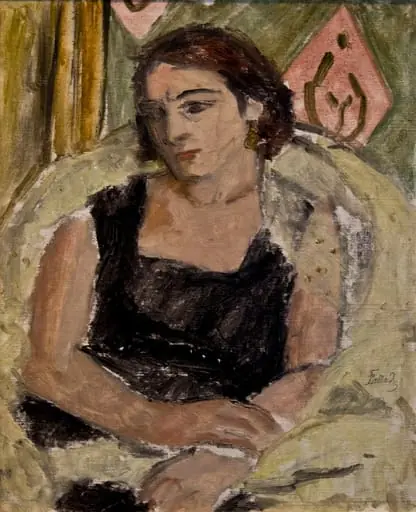
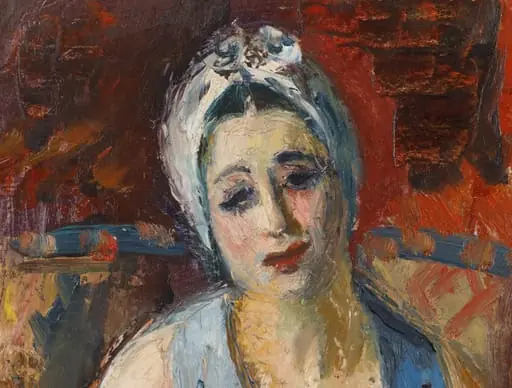
Doamna spaniolă is an unspecified painting by Iosif Iser. It is held in the collection of the Art Museum of Constanta. This portrait depicts a Spanish woman seated with composed stillness, her hands folded in her lap.
About this work
Overview
This portrait depicts a Spanish woman seated with composed stillness, her hands folded in her lap. She is dressed in a richly textured dark cloak over a vivid red undergarment, with a basket of fruit resting between them. The painting’s surface is built with thick, visible brushstrokes that lend a tactile, almost three-dimensional quality to her clothing and the surrounding space.
Subject & Meaning
The woman’s dignified posture and the presence of fruit suggest themes of domesticity, abundance, or perhaps religious symbolism tied to fertility or offering. Her expression is reserved, avoiding direct engagement with the viewer, reinforcing a sense of quiet introspection. The fruit, likely citrus, may reference regional produce or carry cultural connotations of purity and vitality.
Technique & Style
The artist employs impasto to build form through layered pigment, creating a sculptural texture in the fabric and background. Colors are deliberately contrasted—the red dress and dark cloak stand out against a softly blurred, neutral setting. This emphasis on materiality over detail prioritizes emotional presence over precise realism, aligning with expressive brushwork traditions.
History & Provenance
The painting’s origins are undocumented in public records, and no known artist or date is firmly attached. It is cataloged as an anonymous work, likely from the late 19th or early 20th century, possibly influenced by Spanish or Iberian portraiture. Its current location and ownership history remain unverified in scholarly sources.
Context
The style reflects broader trends in European painting where artists moved away from academic precision toward more tactile, emotive surfaces. Similar approaches appear in the works of Spanish painters responding to Romanticism and early modernism, where texture and color conveyed inner life rather than external detail.
Legacy
Though not widely exhibited or studied, the painting exemplifies how informal, expressive techniques could convey dignity and presence without idealization. Its emphasis on material texture and color contrast influenced later regional artists exploring emotional depth through physical paint application.
Artist & collection
Artist
Iosif Iser painted everyday life with a focus on people and places. His 1933 work *Paris. Strada Mouffetard* shows a lively street scene in Paris, while *Nud pe fotoliu* depicts a seated nude figure. His brushwork…