Artwork
Marghioala Boldescu
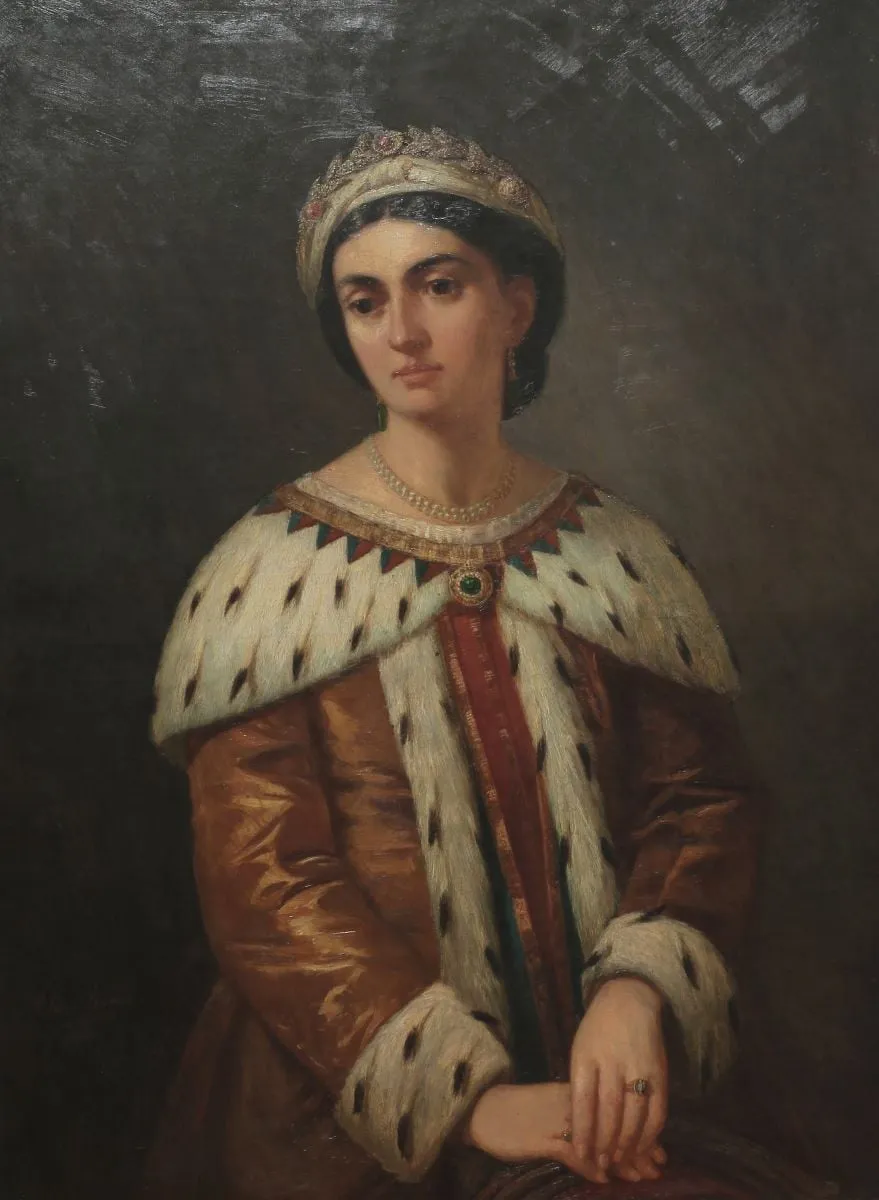
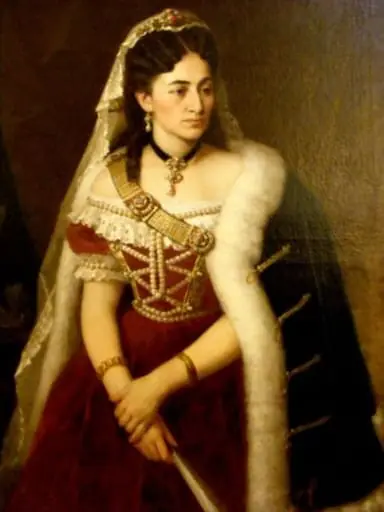
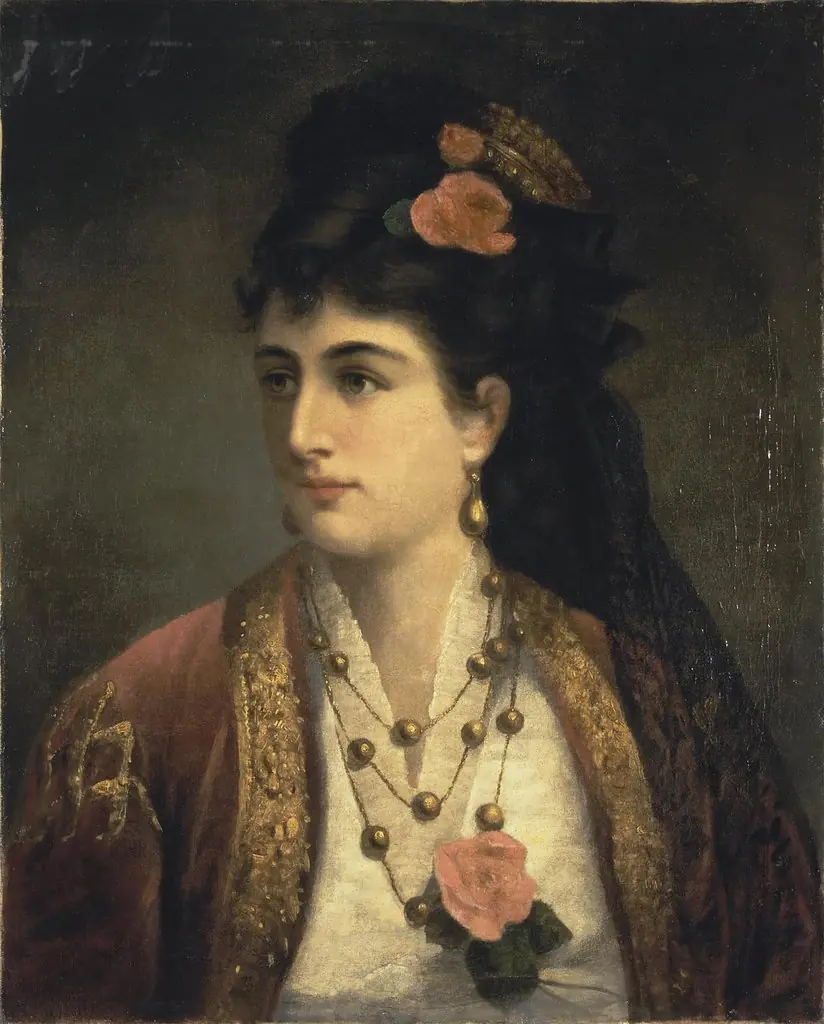
Marghioala Boldescu is an unspecified painting by Theodor Aman. It is held in the collection of the Museum of Art Cluj-Napoca. The portrait depicts a woman dressed in elaborate aristocratic attire, rendered with formal precision.
About this work
Overview
The portrait depicts a woman dressed in elaborate aristocratic attire, rendered with formal precision. She is shown full-length, facing the viewer with a composed demeanor. The dark background isolates her figure, emphasizing the richness of her clothing and accessories. The work is attributed to Theodor Aman, a 19th-century Romanian painter known for historical and portrait subjects.
Subject & Meaning
Her crown, pearl necklace, and fur-trimmed robe suggest high status, while her folded hands and direct gaze convey dignity and restraint.
The figure is presented as a figure of authority, likely intended to represent nobility or royalty. Her crown, pearl necklace, and fur-trimmed robe suggest high status, while her folded hands and direct gaze convey dignity and restraint. The absence of contextual elements focuses attention on her presence, reinforcing an idealized image of noble composure rather than a specific historical identity.
Technique & Style
Aman employs a restrained palette dominated by deep browns, whites, and red accents to highlight texture and form. The fur trim is rendered with subtle tonal variations to suggest volume, while the jewels on the crown are indicated with small highlights. Brushwork is controlled and smooth, favoring clarity over expressive gesture, consistent with academic portraiture of the period.
History & Provenance
The painting is one of several portraits by Theodor Aman depicting figures of Romanian aristocracy during the mid-1800s. Its exact commission and early ownership are not widely documented, but it aligns with Aman’s broader practice of portraying cultural elites as part of Romania’s emerging national identity in the post-Ottoman era.
Context
Created during a period of cultural consolidation in Romania, the portrait reflects efforts to visually assert noble lineage and European sophistication. Aman, trained in Europe, blended Western academic traditions with local subject matter. This work contributes to a visual language that linked Romanian elites to broader European aristocratic norms.
Legacy
The portrait remains a representative example of 19th-century Romanian academic portraiture. While not widely exhibited internationally, it is referenced in studies of national artistic development. Its restrained elegance and attention to symbolic detail continue to inform interpretations of how Romanian identity was visually constructed during state formation.
Artist & collection
Artist
 Nemes Jánosné
 Портрет М.А. Венециановой в русском наряде
 Sancha
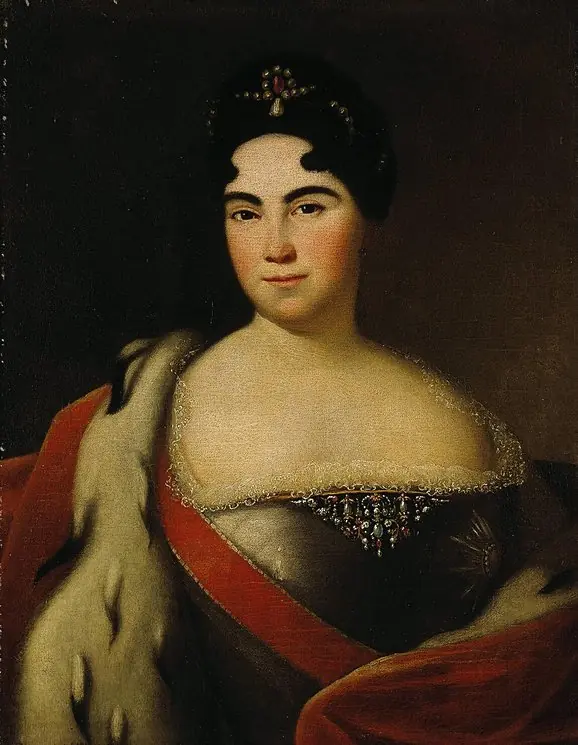 Portrait of Catherine I
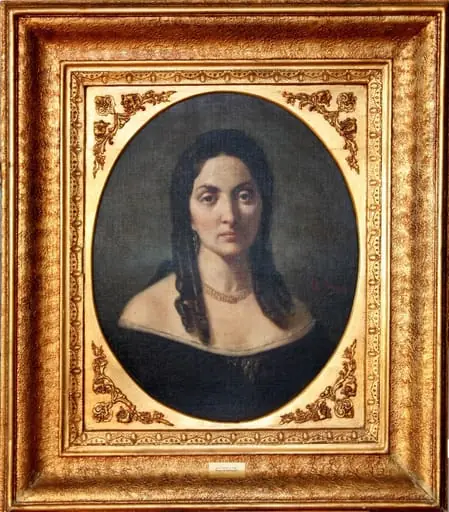 Portret Ana Davila
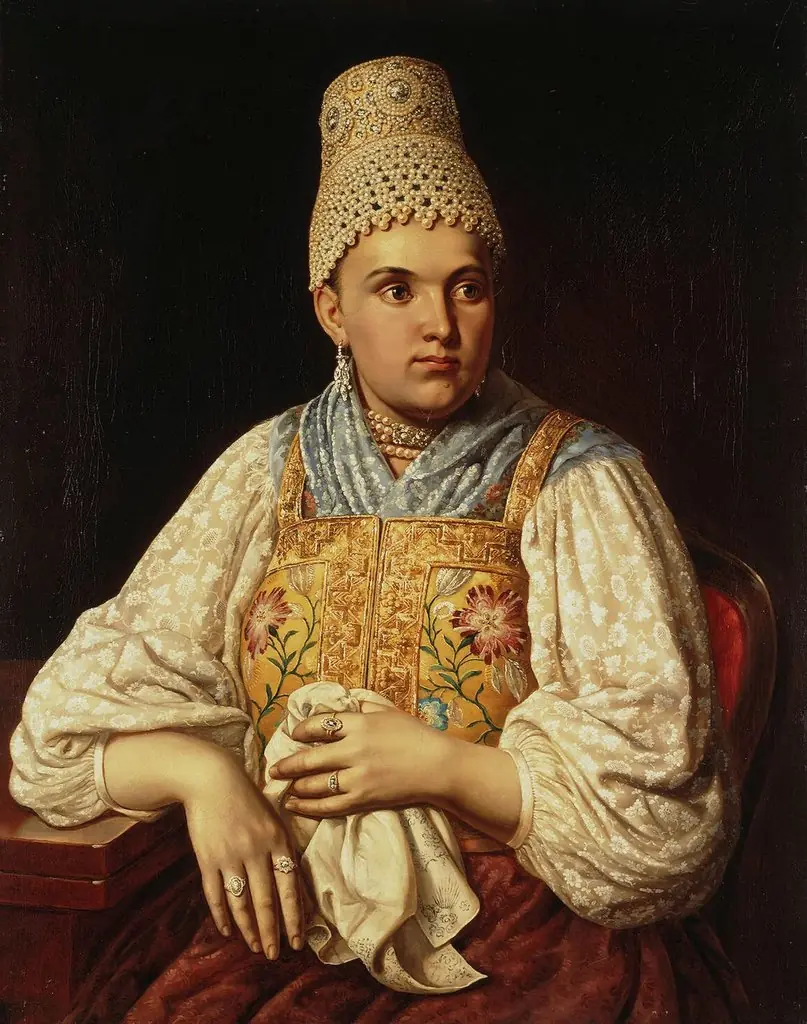 Portrait of Anna Filatova, a Merchant's Wife
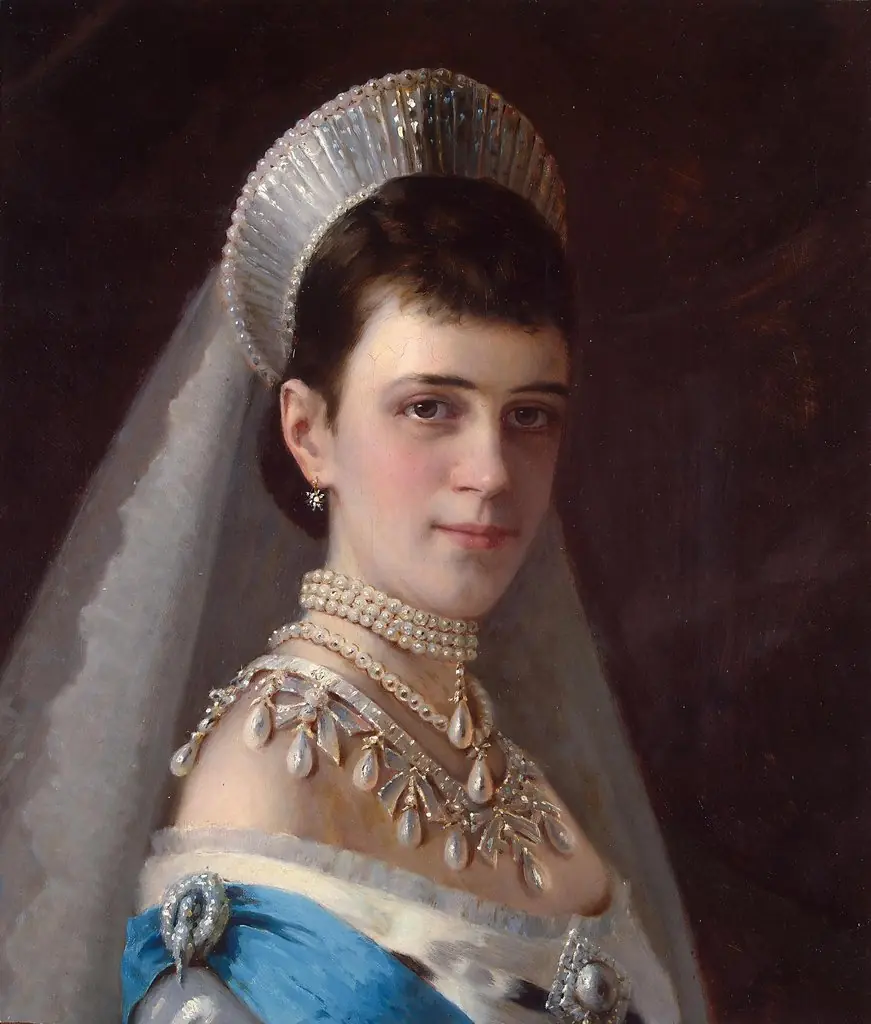 Portrait of Empress Maria Feodorovna
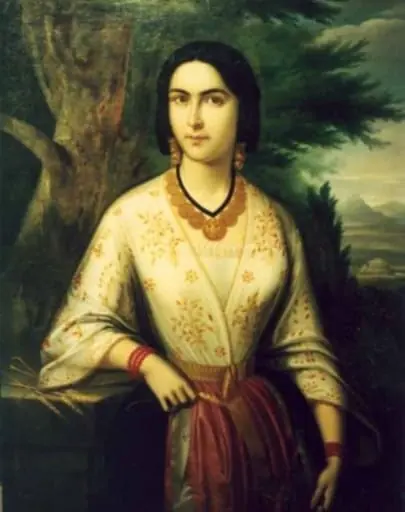 Femeie tânără cu salbă
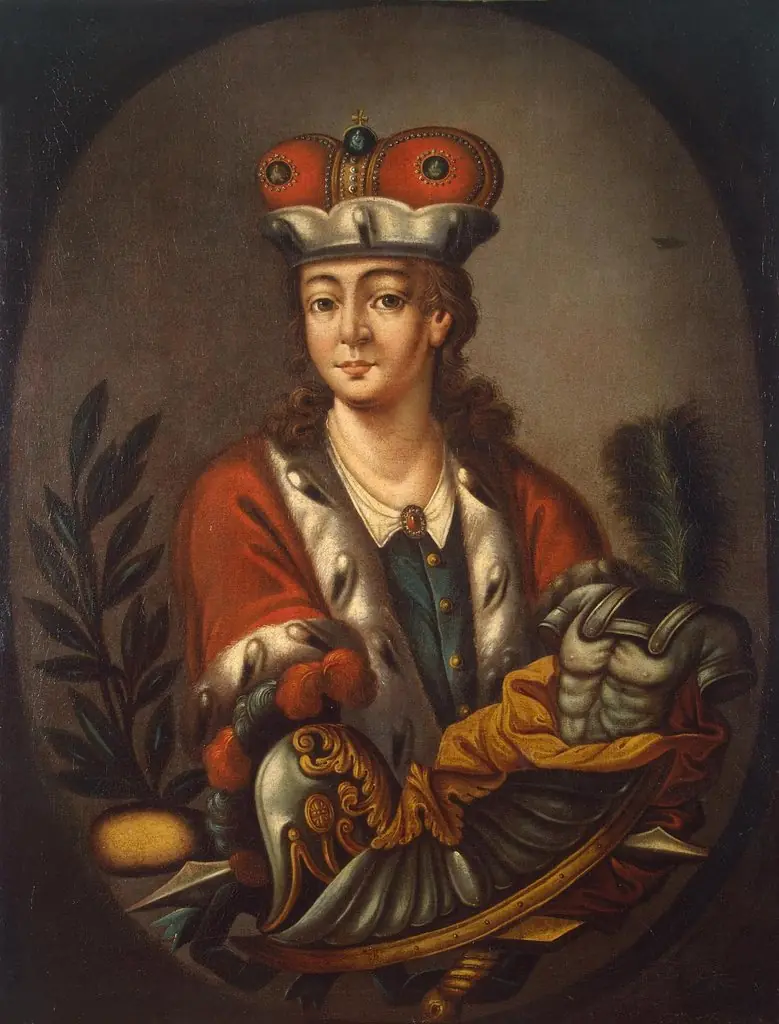 Portrait of the Actor Fyodor Volkov (?)
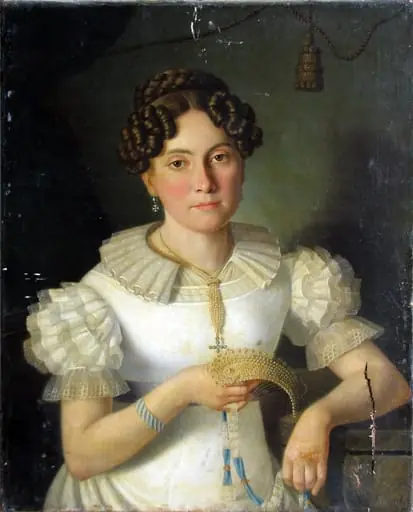 Prințesa Maria Ludovika Wilhelmine von Bayern (în registrul inventar: Portret de femeie)
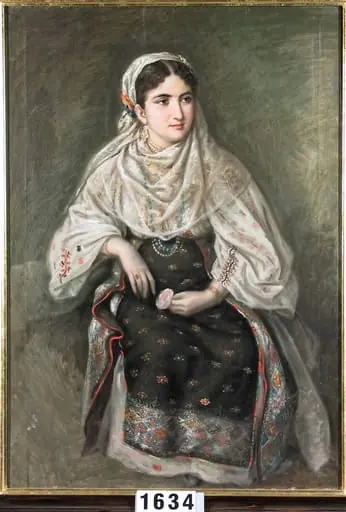 Portret de femeie din Câmpulung (Doamna Georgescu)
 Portrait of Natalia Obrenovich, Queen of Serbia