Artwork
Proclamarea Unirii Principatelor (24 Ianuarie 1859)
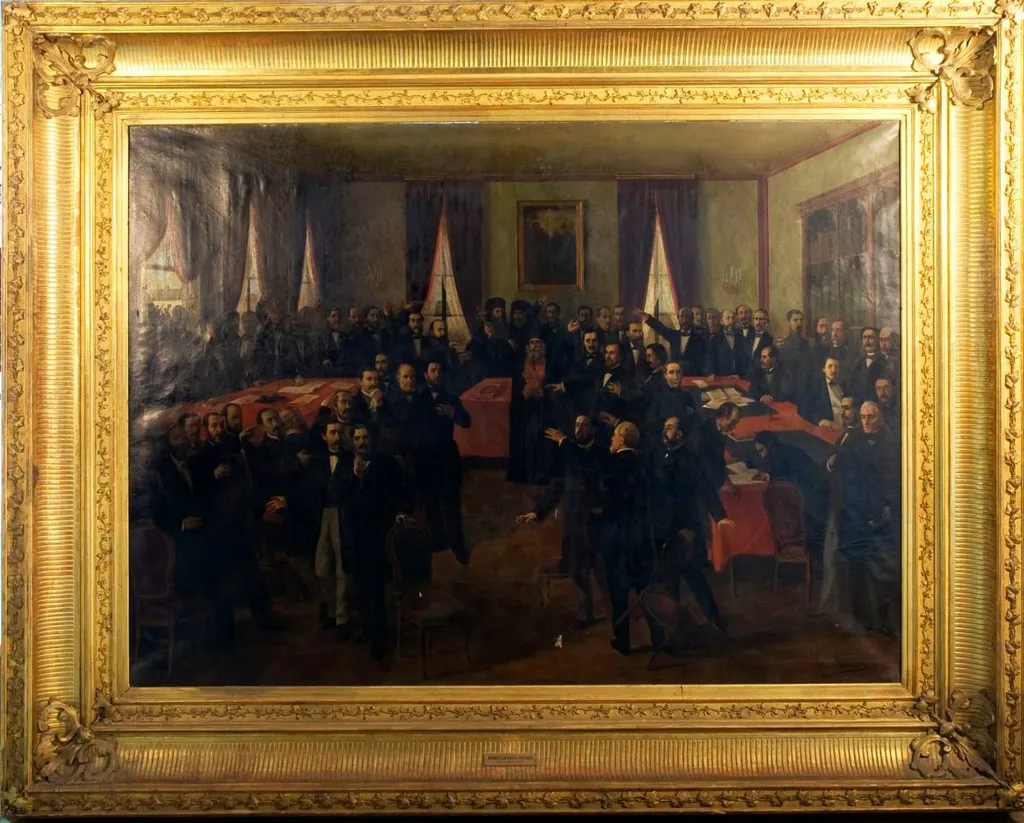
Proclamarea Unirii Principatelor (24 Ianuarie 1859) is an unspecified painting by the Impressionist artist Theodor Aman. It dates from 1861 and is held in the collection of the National Museum of Romanian History.
About this work
Overview
Proclamarea Unirii Principatelor (24 Ianuarie 1859) is a historical painting by Theodor Aman, executed in 1861, depicting a pivotal moment in the unification of Romanian principalities.
Subject & Meaning
The painting captures the proclamation of the union of Moldavia and Wallachia on January 24, 1859. The scene conveys the intensity of the moment through the depiction of a crowded room filled with formally attired men, with key figures drawing attention through gesture and symbolism, such as the flagbearer and the orator on the table.
Technique & Style
Aman employed thick, expressive brushstrokes, characteristic of impasto, to convey the dynamic energy of the event. The contrasting lighting scheme, with bright and dark areas, adds to the sense of liveliness and emphasizes the emotional depth of the scene, focusing viewer attention on the faces and gestures of the participants.
History & Provenance
Created two years after the event it portrays, the painting reflects Aman's engagement with national historical themes. While specific provenance details are not provided, the work is likely held in a Romanian cultural or national institution given its subject matter.
Context
The painting was produced during a period of burgeoning nationalism in the region. It reflects the artistic and political climate of the time, with Aman using his work to commemorate and celebrate the unification, a key step towards the formation of modern Romania.
Legacy
As a depiction of a foundational moment in Romanian history, the painting holds significant cultural and historical value. It remains a notable work in Theodor Aman's oeuvre, illustrating his contribution to capturing the spirit of national unity and political change through art.
Artist & collection
Artist

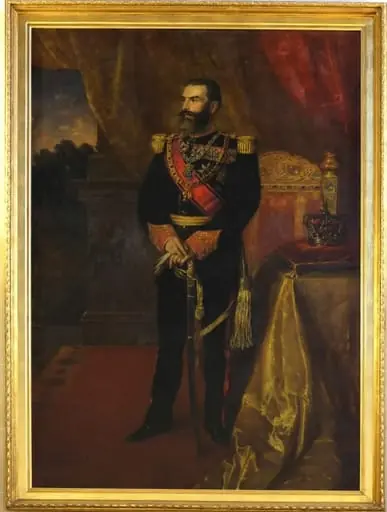 Portretul regelui Carol I
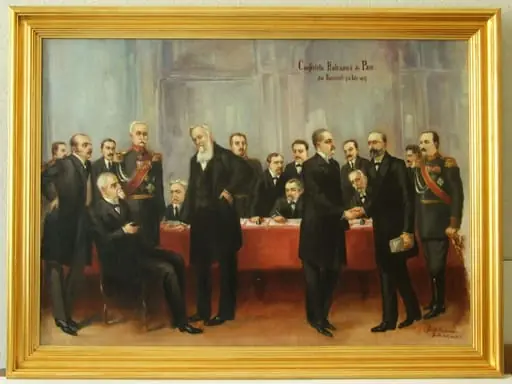 Conferința balcanică de pace de la București, 1913
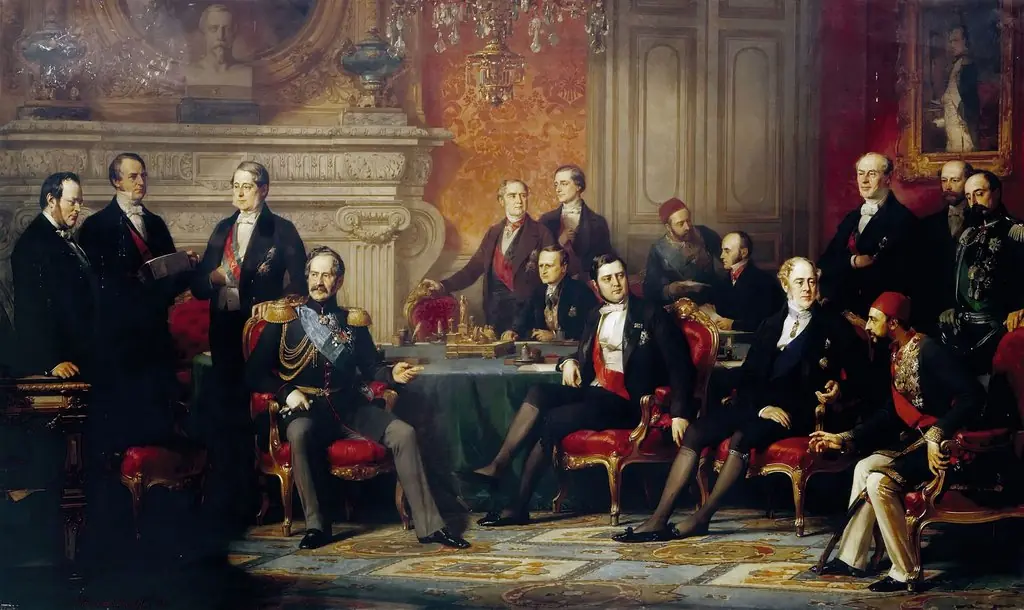 The Congress of Paris
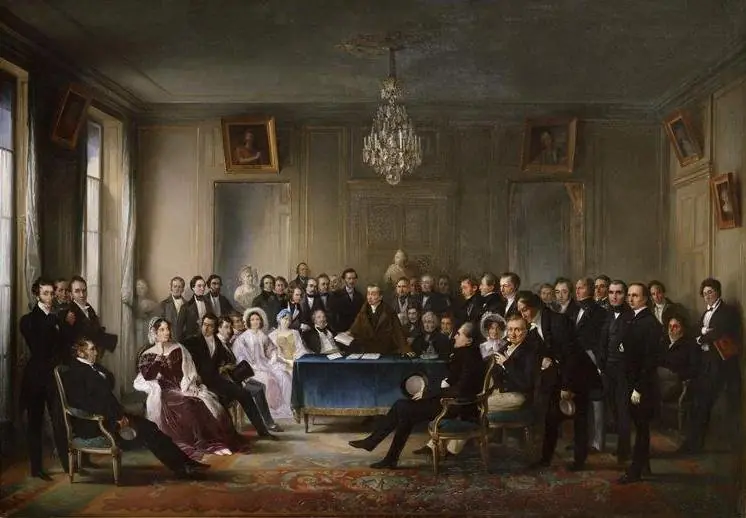 Andrieux faisant une lecture dans le foyer de la Comédie Française
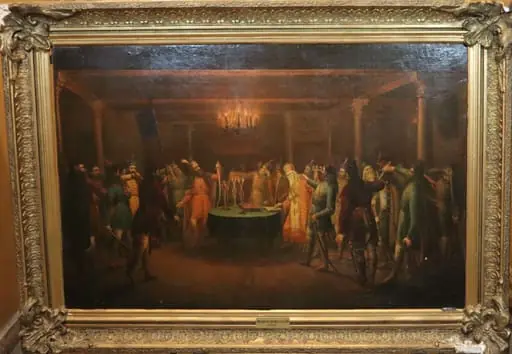 Jurământul lui Mihai Viteazul
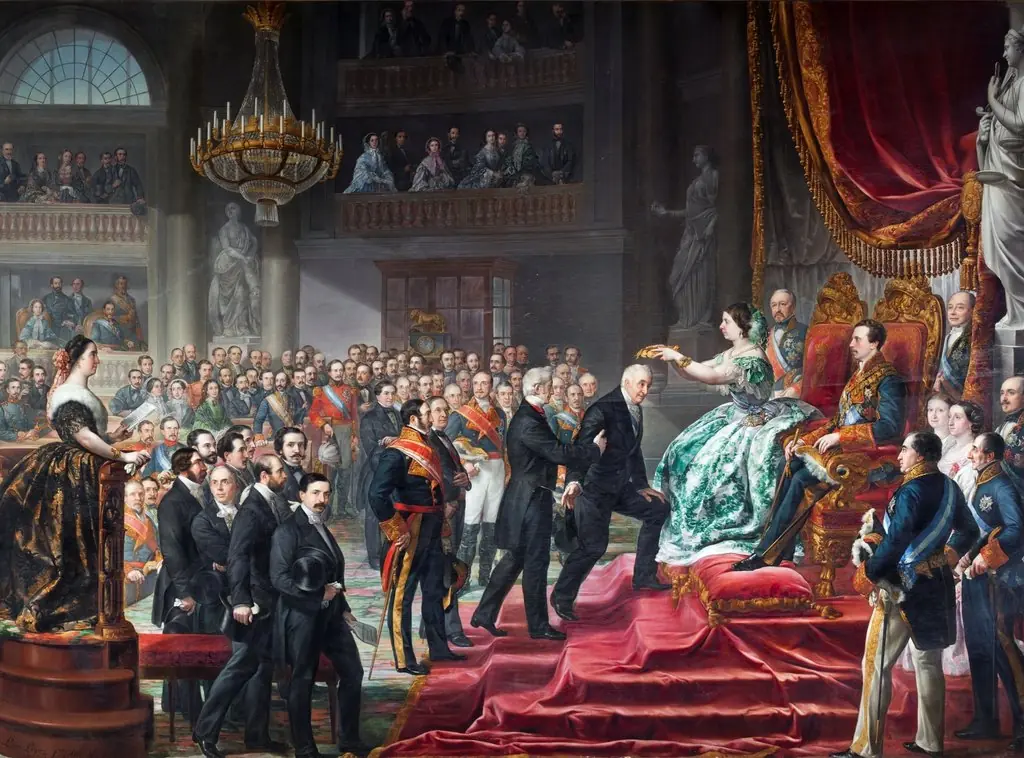 The Coronation of the Quintana
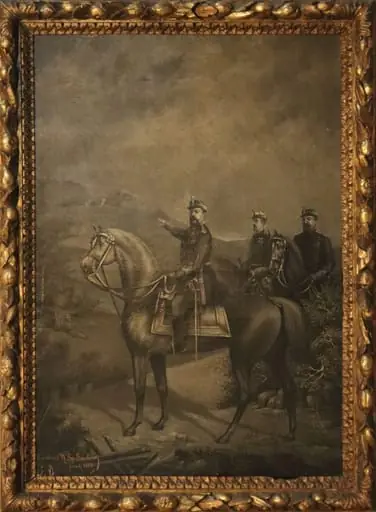 Generalul Cernat împreună cu Cerchez și Fălcoianu
 Scenă de interior
 The House of Representatives
 Triumvirate Assuming Power in the Name of the Prince of Orange, 21 November 1813