Artwork
Pansele
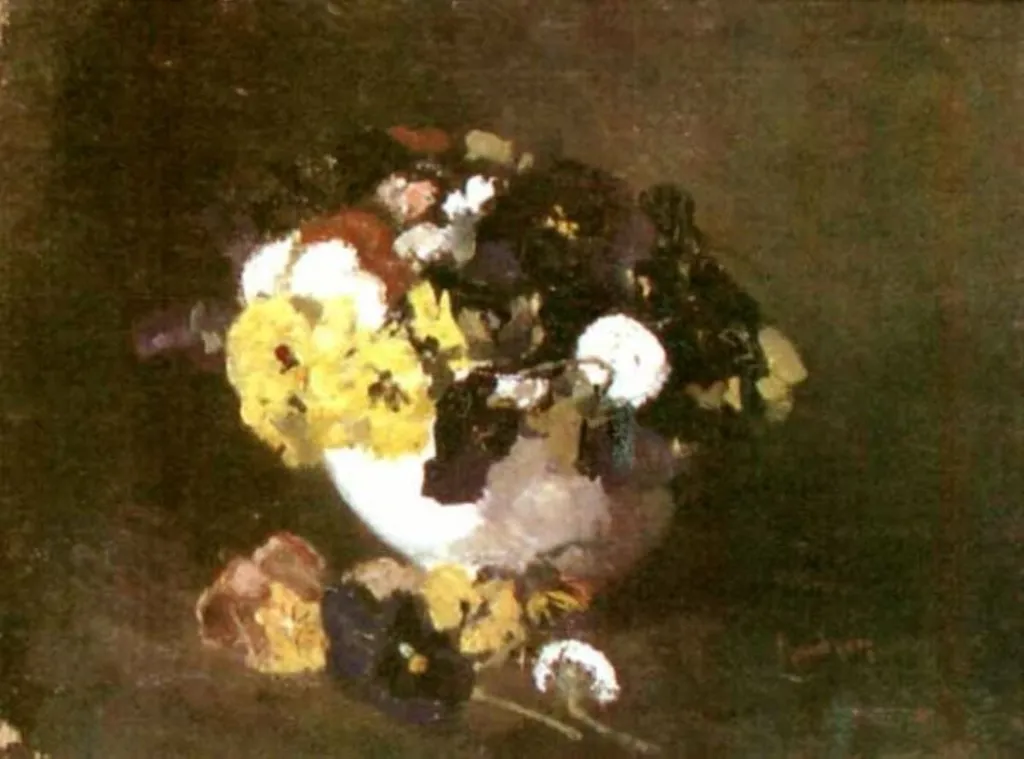
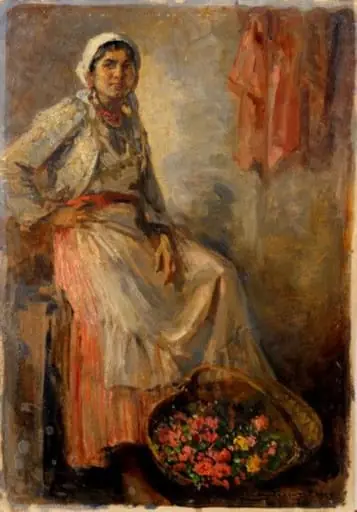
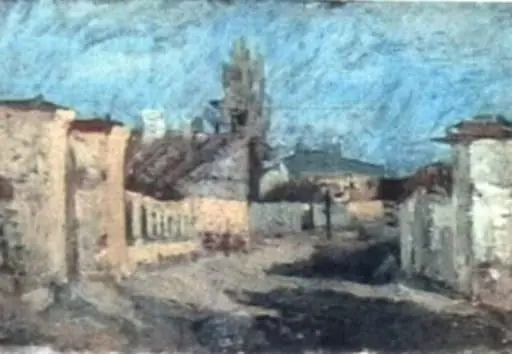
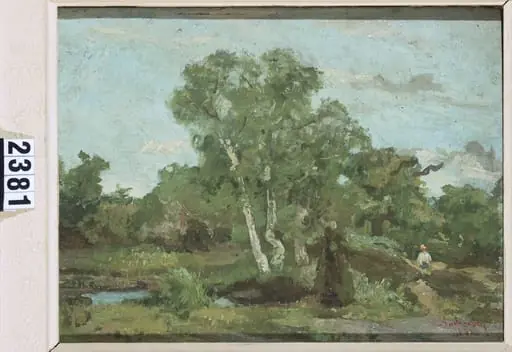
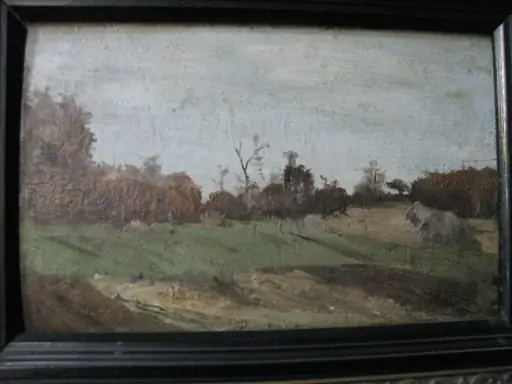
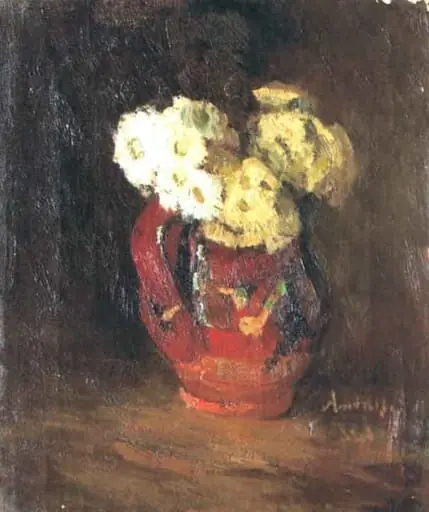
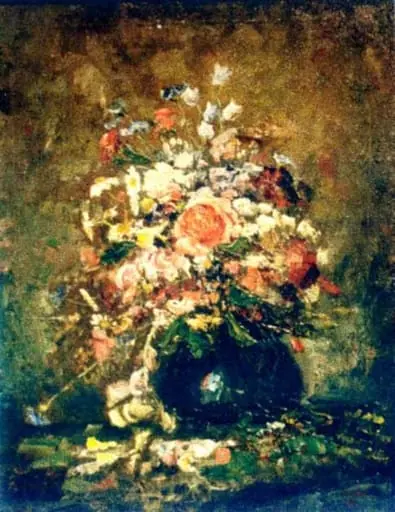
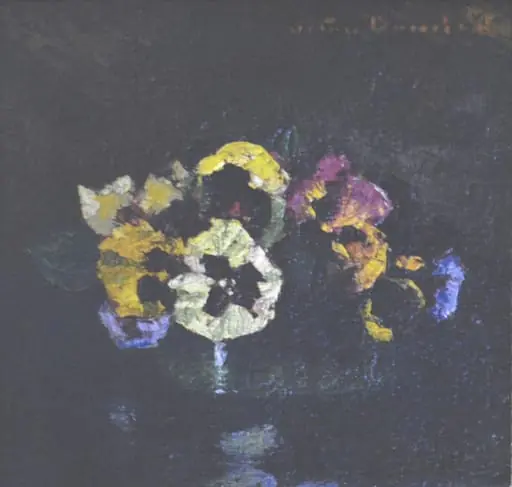
Pansele is an unspecified painting by the Impressionist artist Ion Andreescu. It dates from 1881 and is held in the collection of the National Museum of Art of Romania.
About this work
Overview
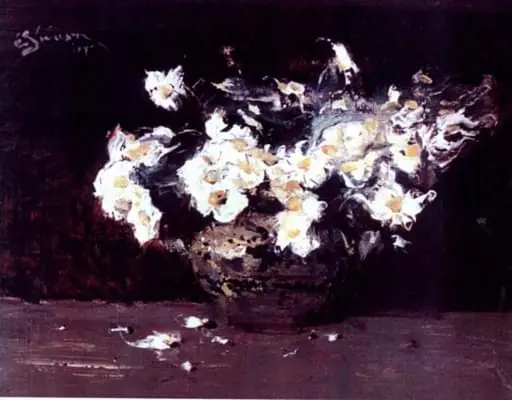
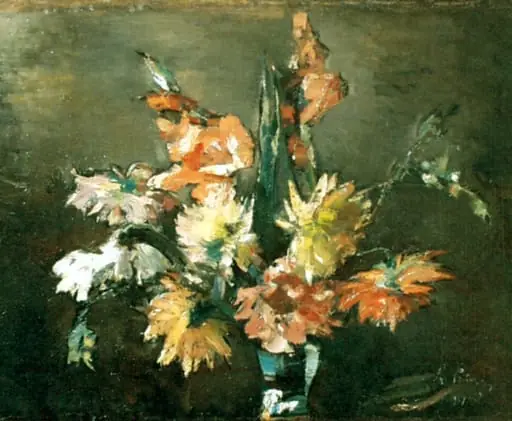
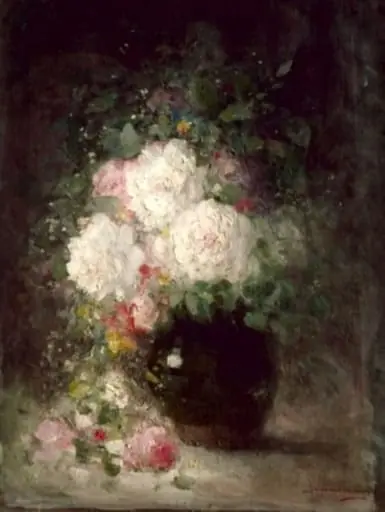
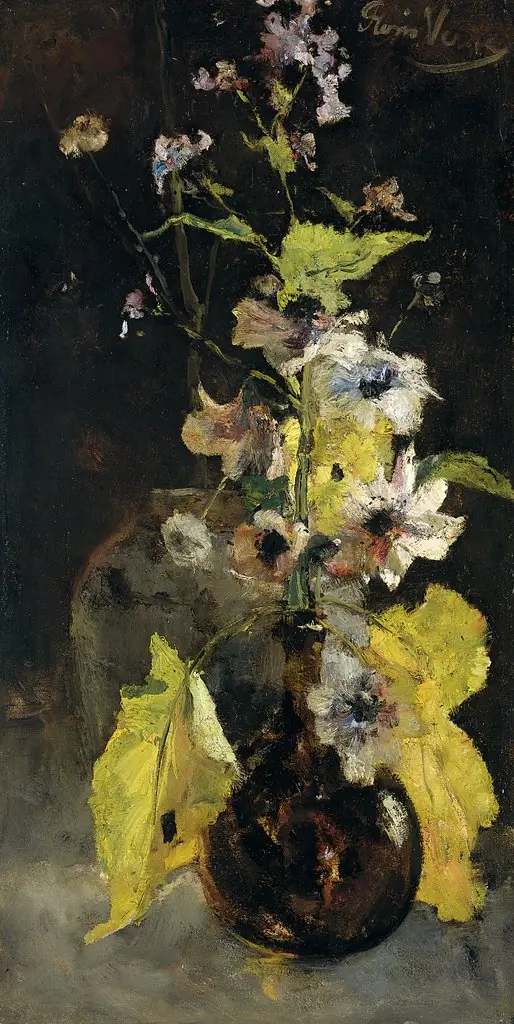
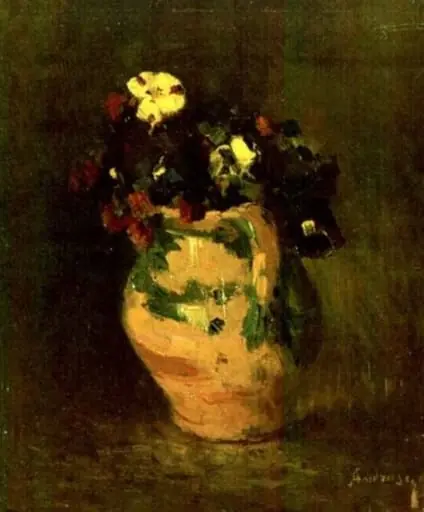
Painted in 1881 by Romanian artist Ion Andreescu, Pansele is a still life depicting a loosely arranged cluster of flowers. The composition avoids formal symmetry, instead presenting blooms in a state of natural decay. Set against a muted, earth-toned background, the work captures transient organic forms with an unrefined energy that resists idealization.
Subject & Meaning
The subject is a pile of cut flowers, some still vibrant, others limp or crushed. Rather than symbolizing beauty or permanence, the arrangement suggests impermanence and quiet neglect. The juxtaposition of fresh petals with withered ones evokes the passage of time, grounding the image in the physical reality of decay rather than romanticized floral tradition.
Technique & Style
Andreescu employed thick, textured brushwork to build the forms, using impasto to convey the physicality of petals and stems. Colors are subdued—earthy browns and greens—with occasional bursts of yellow and white. The paint is applied unevenly, creating a sense of spontaneity. The surface feels tactile, as if the flowers were recently gathered and hastily placed.
History & Provenance
Created during Andreescu’s mature period, Pansele emerged from his engagement with naturalistic themes and plein air practices. It was likely painted in the Romanian countryside, reflecting his interest in rural life and unadorned nature. The work remained in private collections in Romania before entering public institutional holdings in the 20th century.
Context
In late 19th-century Romania, academic painting favored polished, idealized subjects. Andreescu’s focus on humble, uncomposed natural forms aligned with emerging realist and impressionist currents in Europe. Pansele’s raw aesthetic positioned him apart from contemporaries, anticipating a more personal, observational approach to still life.
Legacy
Pansele contributed to the redefinition of still life in Romanian art, shifting focus from ornamentation to emotional resonance in decay. Its unpolished technique influenced later generations who valued authenticity over convention. Though not widely exhibited internationally, it remains a touchstone in discussions of Romanian modernism’s early roots.
Artist & collection
Artist
Ion Andreescu painted quiet scenes of everyday life and landscapes in the late 1800s.