Artwork
Barcelone
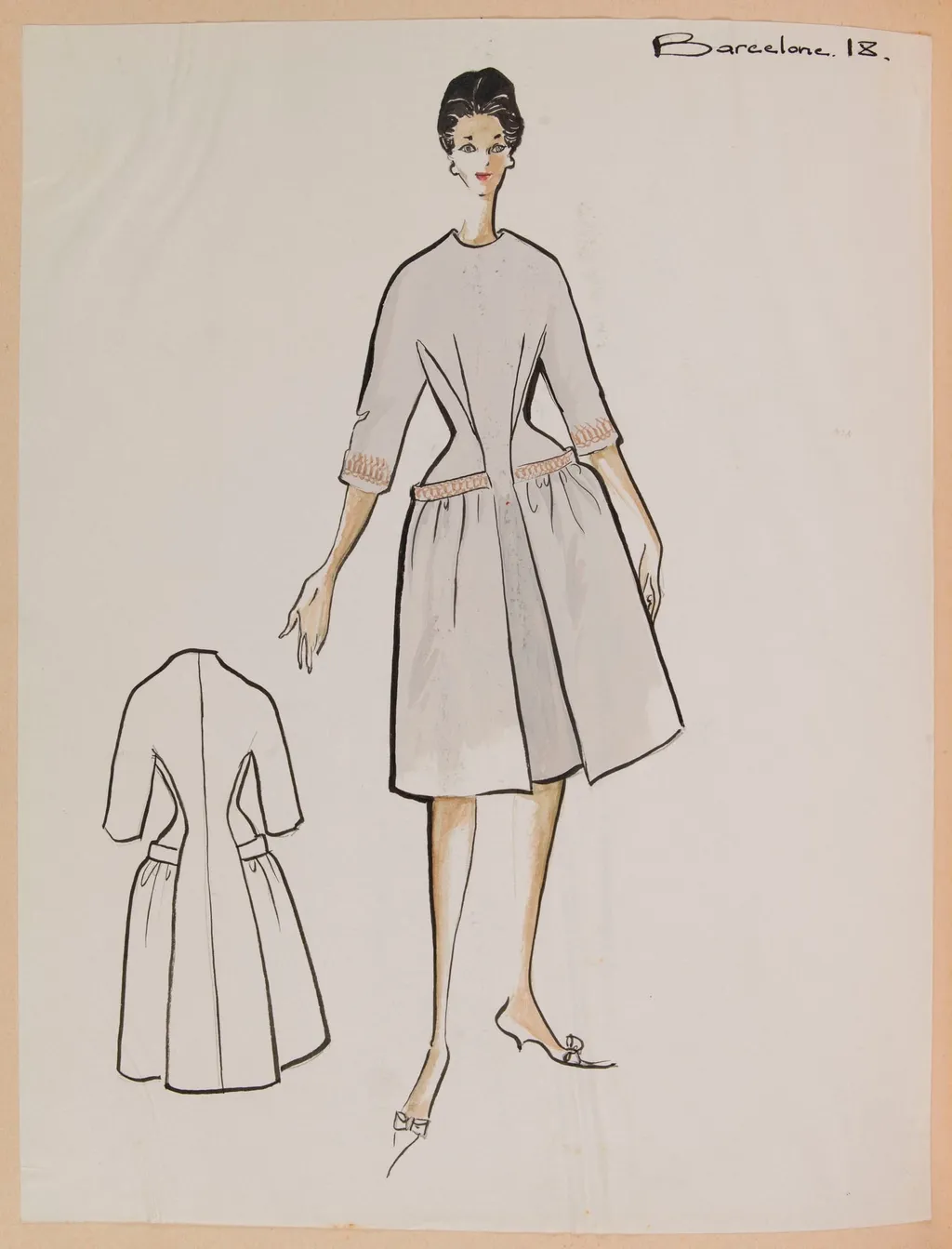
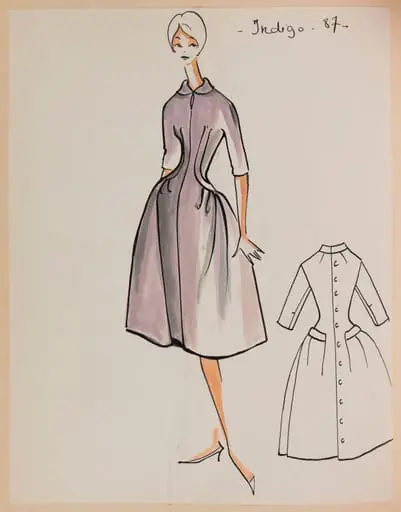
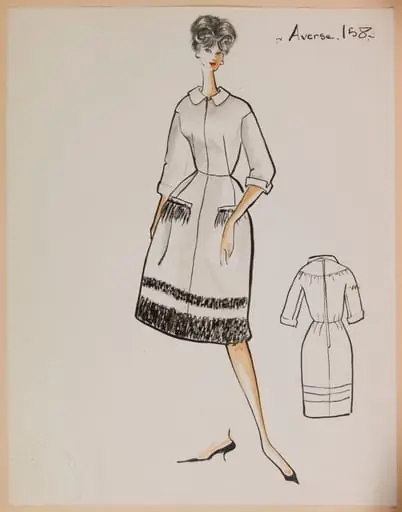
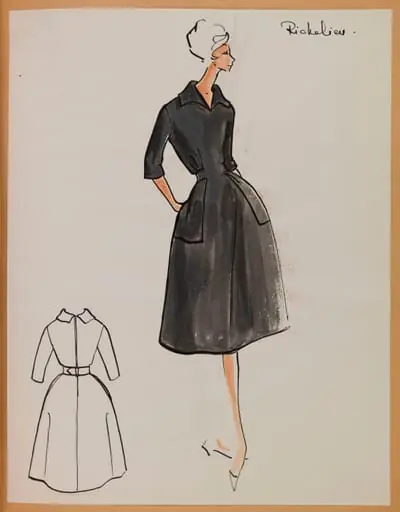
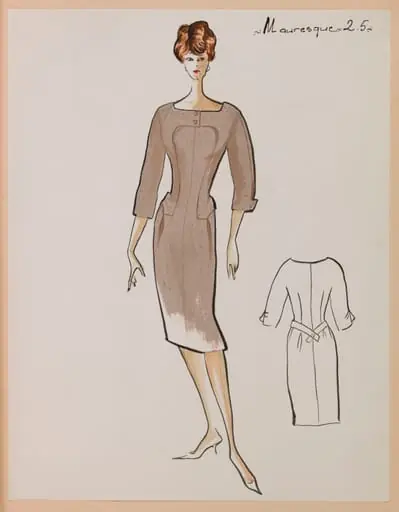
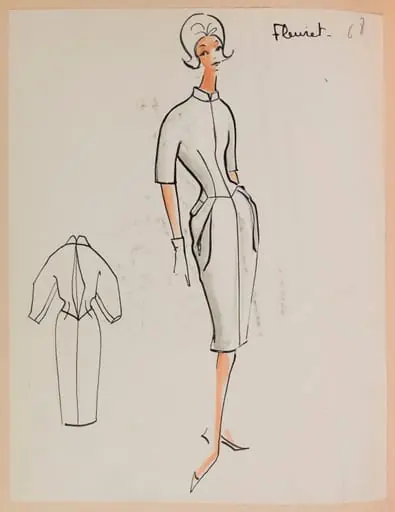
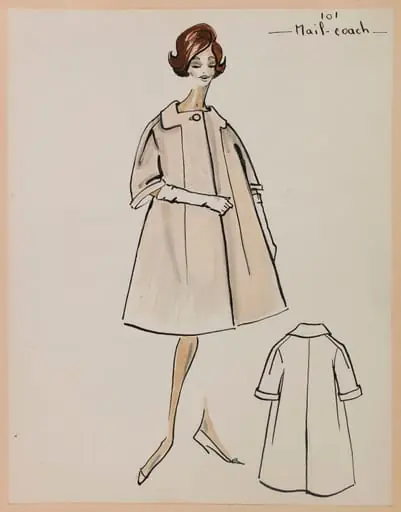
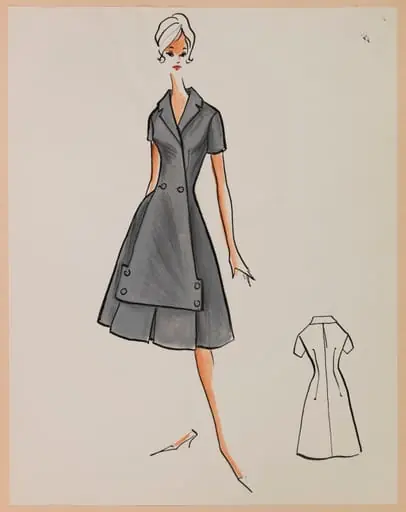
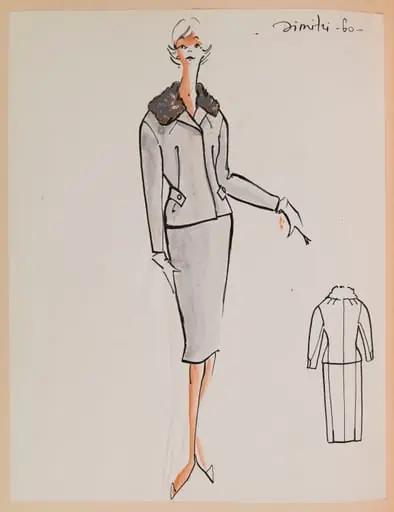
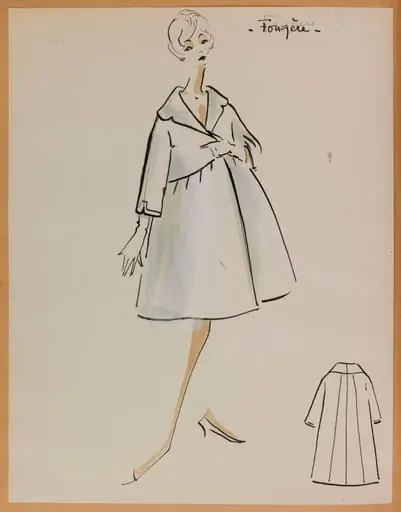
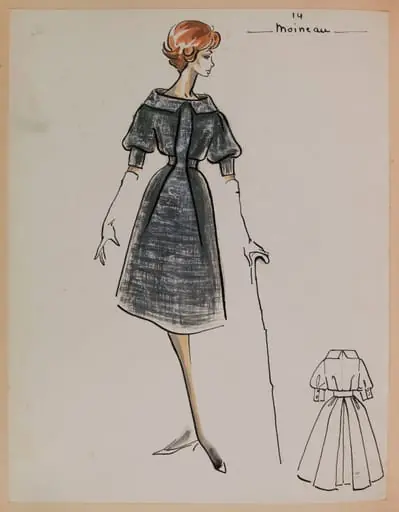
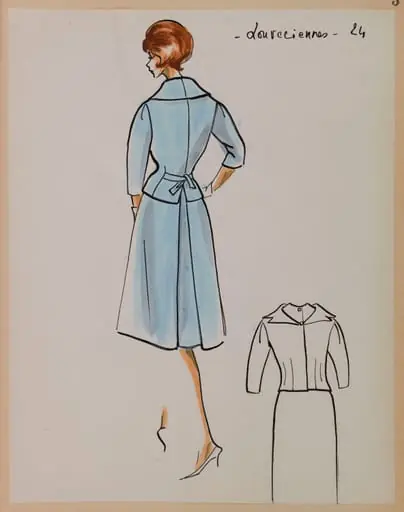
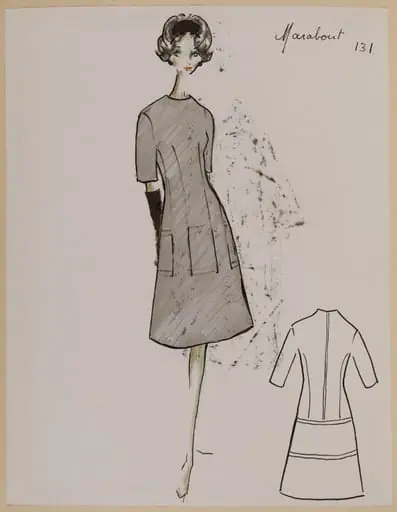
Barcelone is a drawing by Marie-Louise Carven. It dates from 1958 and is held in the collection of the Palais Galliera - Musée de la Mode de la Ville de Paris.
About this work
Overview
The piece resides in the Museum of Ethnography’s collection, underscoring its significance as a cultural artifact of postwar dressmaking.
Created around 1958, *Barcelone* is a fashion sketch by Marie-Louise Carven, founder of the Parisian house Carven established in 1945. The work reflects her focus on wearable, understated designs tailored for smaller frames. Executed in ink and watercolor, it functions as a design study rather than a promotional illustration, capturing the garment’s structure and movement with restrained precision. The piece resides in the Museum of Ethnography’s collection, underscoring its significance as a cultural artifact of postwar dressmaking.
Subject & Meaning
The sketch depicts a woman in a modest, A-line dress with short sleeves and a defined waist belt, suggesting ease of motion and practical elegance. The neat hair and low-heeled shoes imply an everyday context, aligning with Carven’s philosophy of dressing active, modern women. The inclusion of a flat pattern view on the left reveals the garment’s construction, emphasizing functionality over ornament. This duality—between lived experience and technical planning—positions the dress as a tool for daily life, not spectacle.
Technique & Style
Carven rendered the dress with fluid ink lines and soft washes, conveying the lightness of the fabric without excessive detail. The minimal shading and clean contours prioritize clarity over theatricality. The flat pattern beside the figure demonstrates her methodical approach to design, blending artistic expression with tailoring logic. This restrained aesthetic reflects the broader shift in late 1950s fashion toward simplicity and utility, rejecting the excesses of earlier haute couture.
History & Provenance
Marie-Louise Carven launched her label in 1945 and pioneered ready-to-wear collections for women, challenging the dominance of custom-made couture. *Barcelone* emerged during this period of innovation, when her designs gained recognition for their accessibility and refined proportions. The sketch entered the Museum of Ethnography’s holdings as part of a broader effort to document everyday fashion as cultural expression, distinguishing it from elite fashion archives.
Context
In postwar Europe, fashion was redefining itself around affordability and mobility. Carven’s work responded to women’s changing roles, offering garments that accommodated active lifestyles without sacrificing polish. *Barcelone* aligns with contemporaneous trends in Scandinavian and French design that valued minimalism and practicality. Its preservation in an ethnographic museum signals a growing recognition of mass-produced clothing as worthy of historical study.
Legacy
Carven’s emphasis on wearable design influenced later generations of designers who prioritized comfort and proportion over ornament. *Barcelone* stands as a quiet testament to her role in democratizing fashion, bridging couture craftsmanship with ready-to-wear accessibility. The sketch’s inclusion in a museum of ethnography affirms its value not as a celebrity garment, but as a representative object of everyday modernity in mid-century Europe.
Artist & collection
Artist
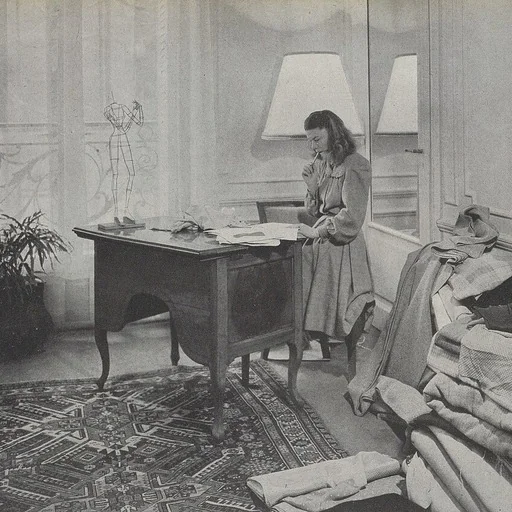
Marie-Louise Carven (31 August 1909 – 8 June 2015), born Carmen de Tommaso, was a French fashion designer who founded the house of Carven in 1945.
Museum
Palais Galliera - Musée de la Mode de la Ville de Paris
Continue through works from the same source collection.
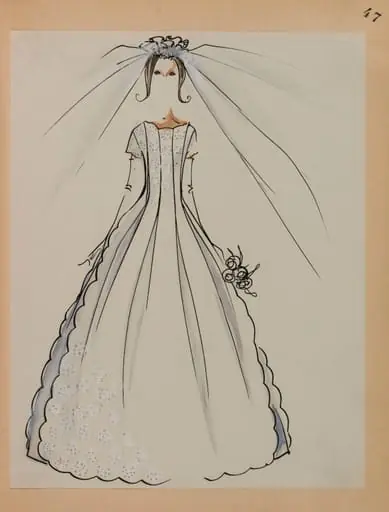 Robe de mariée festonnée et son voile
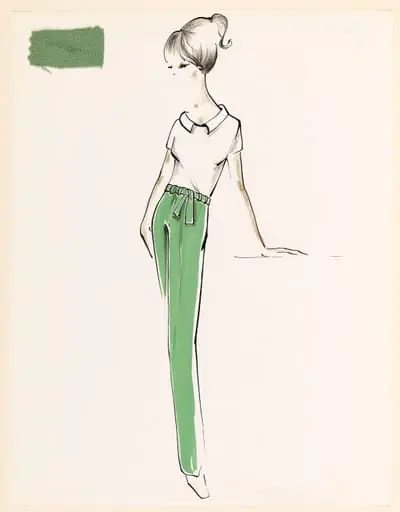 Haut blanc à manches courtes et pantalon vert à ceinture nouée
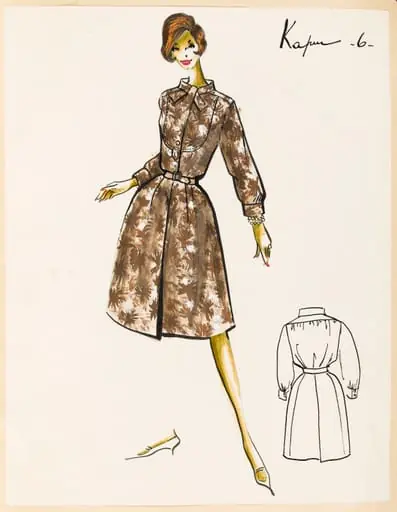 Kapur
Kapur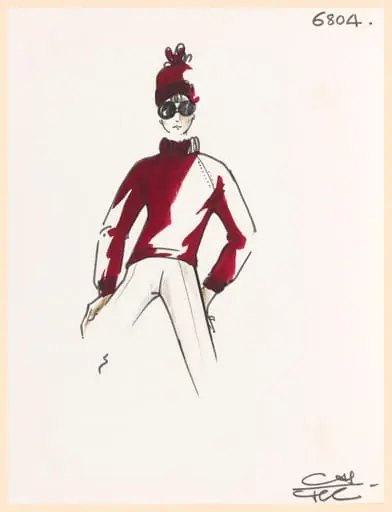 Pull-over à manches longues pourpre, bonnet assorti, pantalon et lunettes de soleil
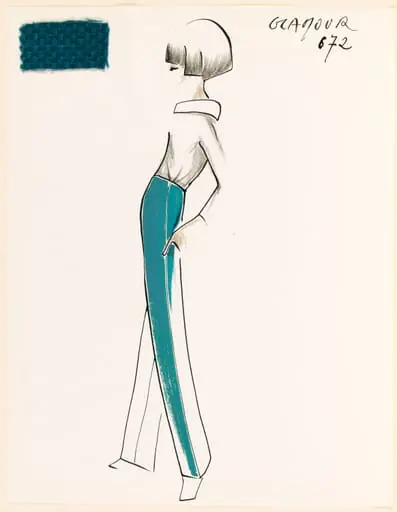 GLAMOUR
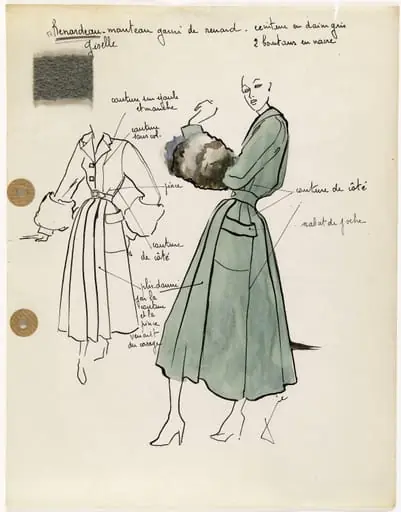 'Renardeau'
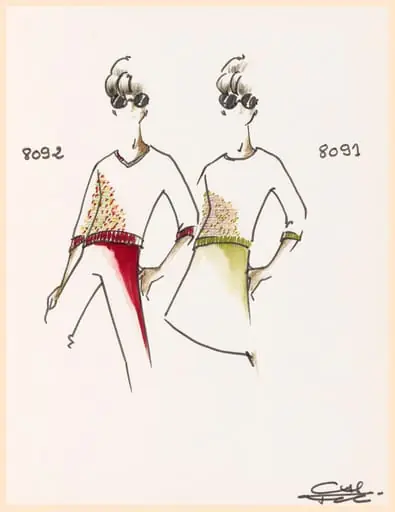 Pull-over à manches trois quarts et à encolure V à motifs multicolores, pantalon cerise et lunettes de soleil
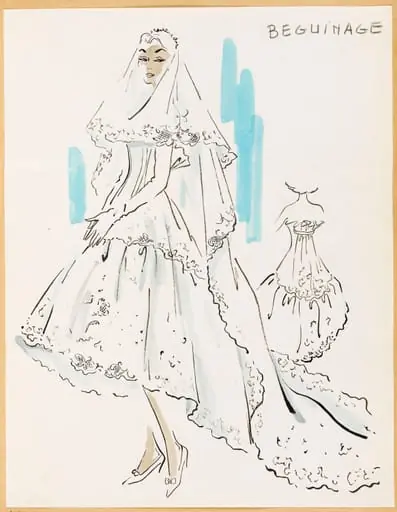 Béguinage