Artwork
Champollion
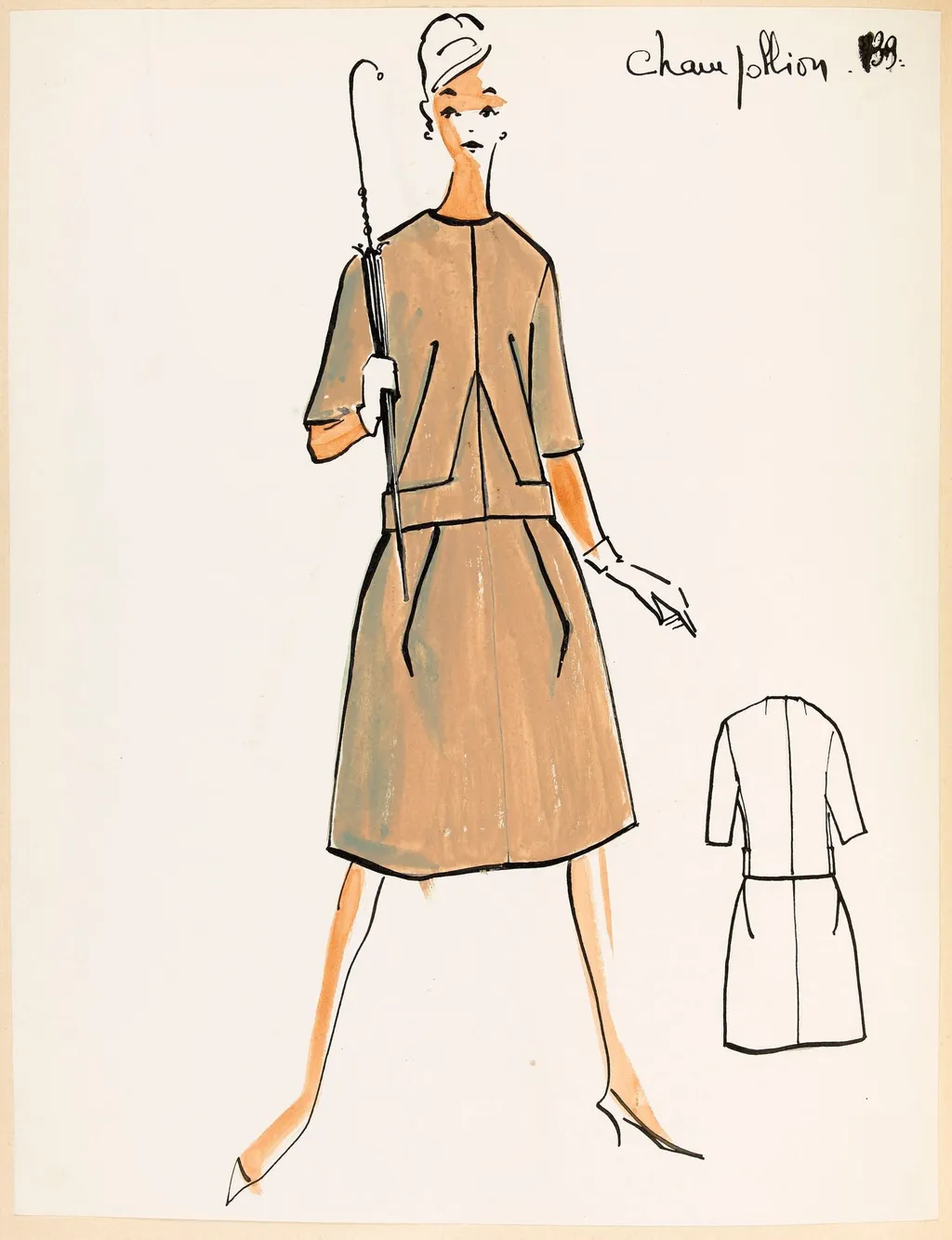
Champollion is a drawing by Marie-Louise Carven. It dates from 1959 and is held in the collection of the Palais Galliera - Musée de la Mode de la Ville de Paris.
About this work
Overview
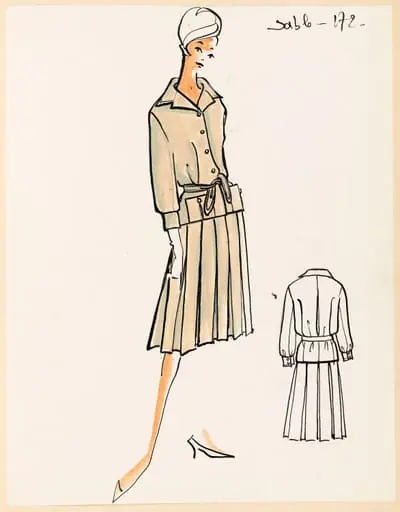
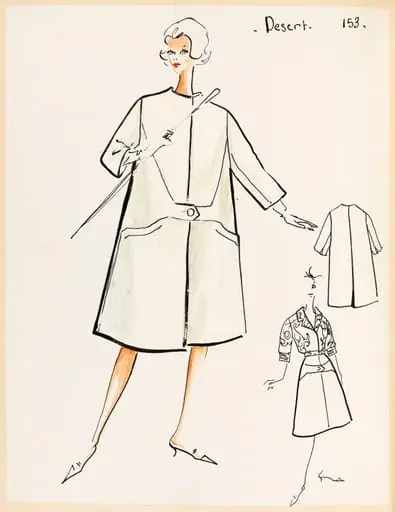
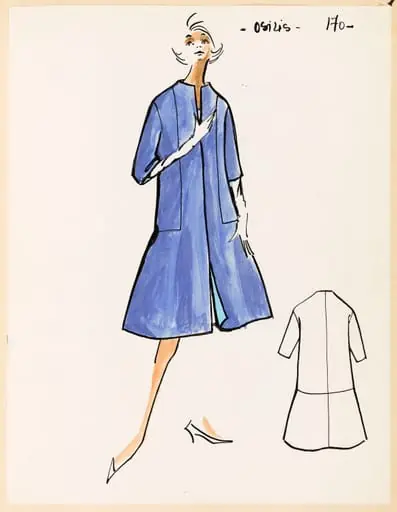
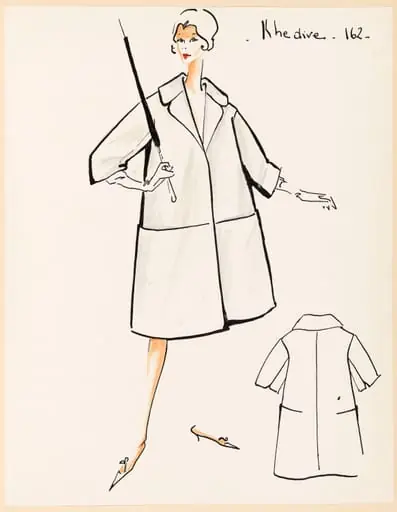
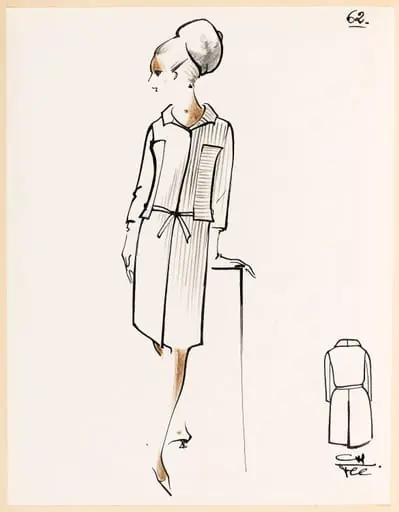
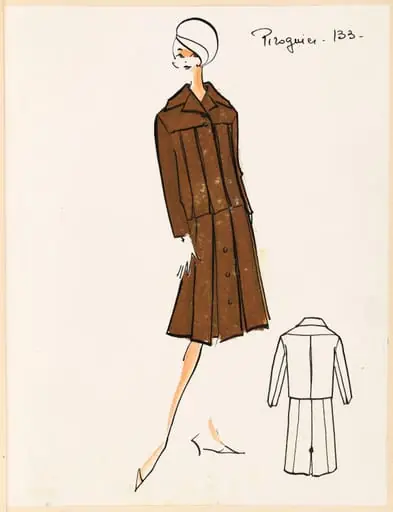
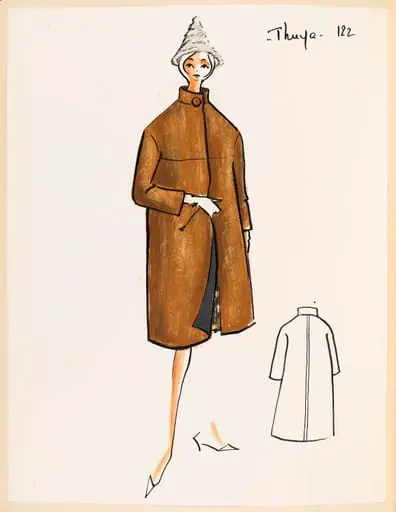
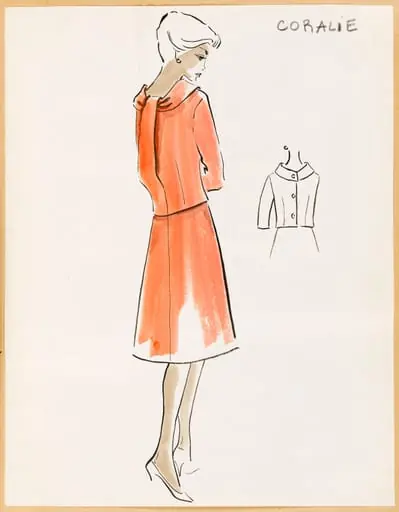
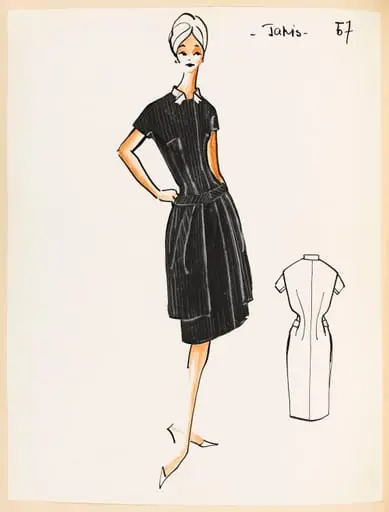
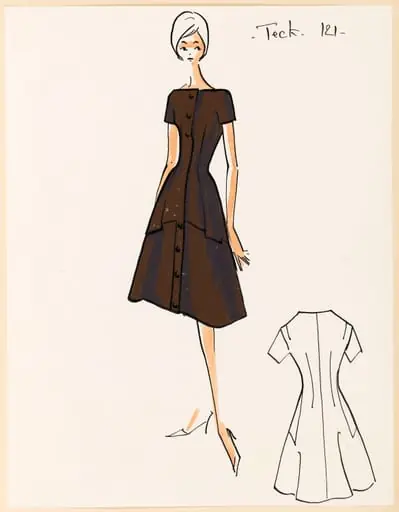
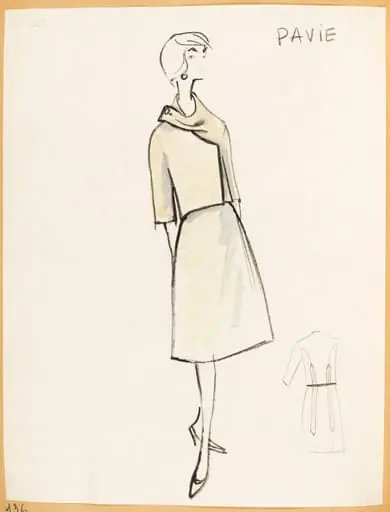
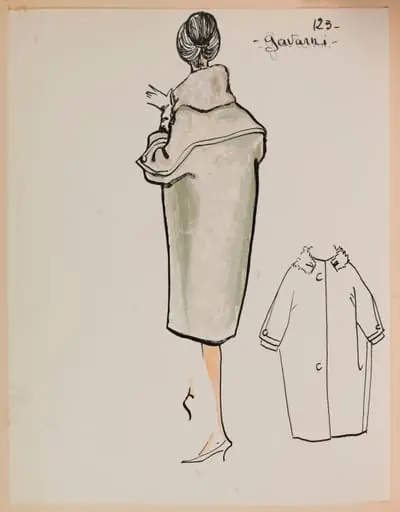
Created around 1959, *Champollion* is a fashion sketch by Marie-Louise Carven, founder of the Parisian house Carven. The work captures a tailored ensemble designed for the modern woman, rendered in bold ink with subtle shading to suggest fabric movement. It resides in the Museum of Ethnography, reflecting its significance beyond fashion as a cultural artifact of mid-century design.
Subject & Meaning
The figure depicted is a woman in a practical, minimalist outfit: a short jacket with large pockets and a matching skirt, paired with a cane and a poised stance. The posture suggests independence and quiet authority. The inclusion of a rear-view technical drawing implies a focus on construction and wearability, aligning with Carven’s emphasis on functional elegance for petite frames.
Technique & Style
Carven employed confident, fluid lines to define the silhouette, with minimal but effective shading to indicate fabric drape and structure. The flat technical illustration on the right serves as a functional complement, revealing her design process. The absence of ornamentation and the clarity of form reflect a modernist sensibility, prioritizing clarity and utility over decorative excess.
History & Provenance
*Champollion* dates from the late 1950s, a period when her designs gained recognition for blending couture precision with accessible tailoring.
Carven established her fashion house in 1945 and was among the earliest French designers to develop a ready-to-wear line. *Champollion* dates from the late 1950s, a period when her designs gained recognition for blending couture precision with accessible tailoring. The sketch entered the Museum of Ethnography’s collection as part of a broader effort to document everyday fashion as cultural expression.
Context
In postwar France, fashion was shifting toward practicality and democratization. Carven’s work responded to changing social roles for women, offering well-constructed garments that accommodated active lifestyles. *Champollion* embodies this transition, merging the discipline of haute couture with the demands of everyday life, distinct from the more theatrical styles of contemporaries.
Legacy
Though not widely exhibited, *Champollion* exemplifies Carven’s influence on modern garment design. Her innovations in ready-to-wear and ergonomic tailoring paved the way for later designers who prioritized fit and function. The sketch remains a quiet testament to her commitment to designing for real bodies, not just ideals, leaving a lasting imprint on 20th-century fashion practice.
Artist & collection
Artist
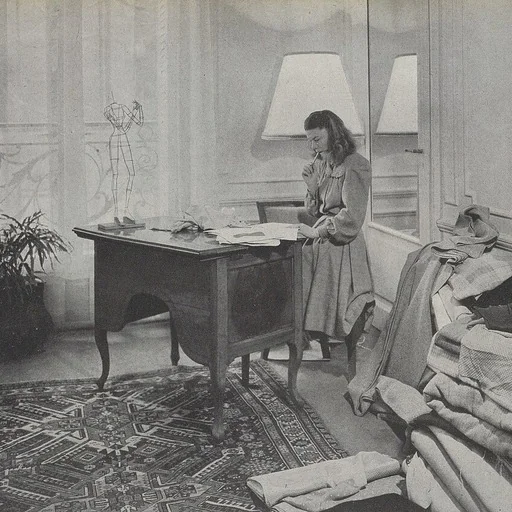
Marie-Louise Carven (31 August 1909 – 8 June 2015), born Carmen de Tommaso, was a French fashion designer who founded the house of Carven in 1945.
Museum
Palais Galliera - Musée de la Mode de la Ville de Paris
Continue through works from the same source collection.
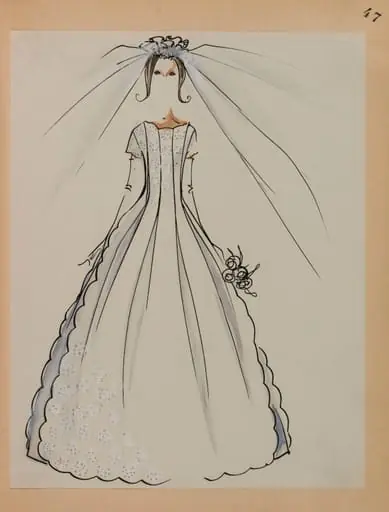 Robe de mariée festonnée et son voile
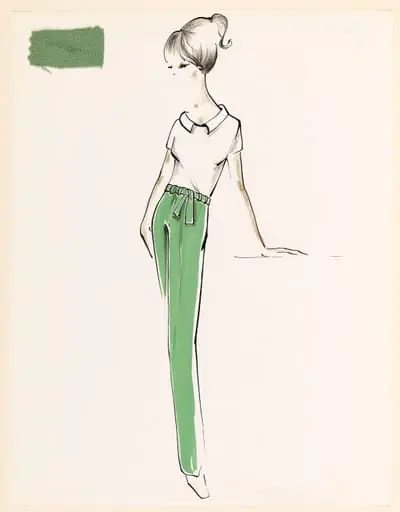 Haut blanc à manches courtes et pantalon vert à ceinture nouée
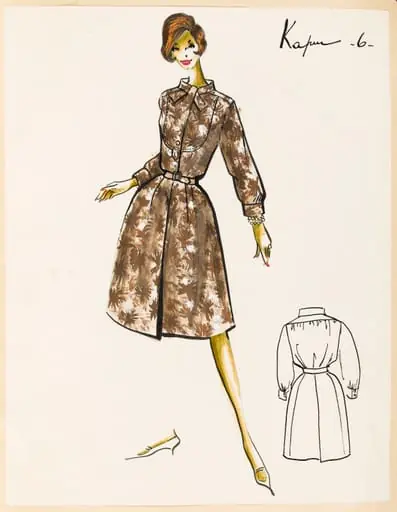 Kapur
Kapur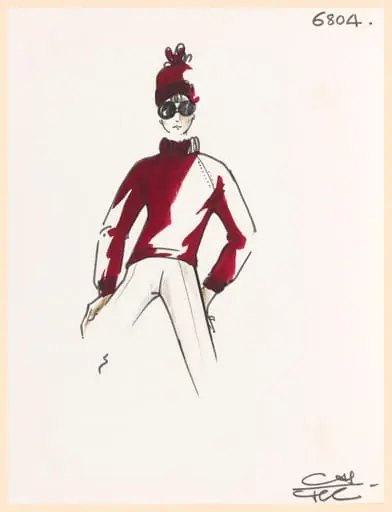 Pull-over à manches longues pourpre, bonnet assorti, pantalon et lunettes de soleil
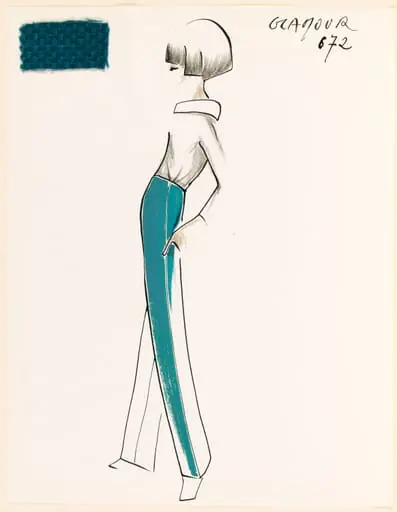 GLAMOUR
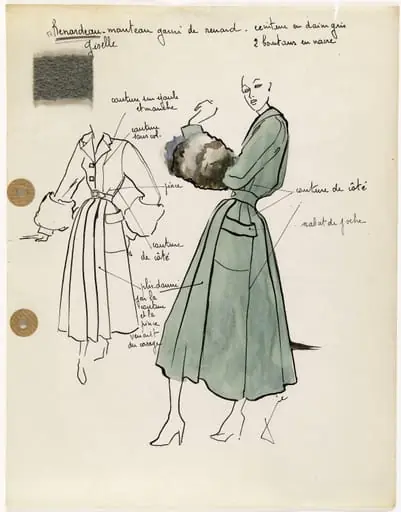 'Renardeau'
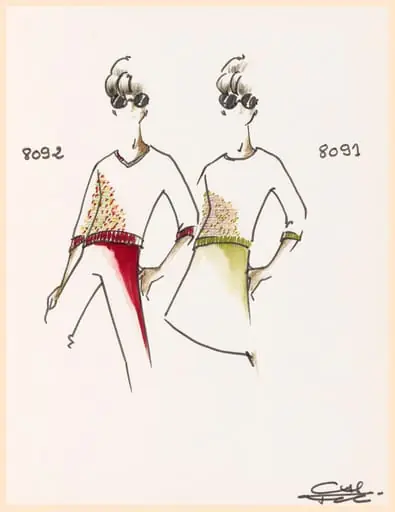 Pull-over à manches trois quarts et à encolure V à motifs multicolores, pantalon cerise et lunettes de soleil
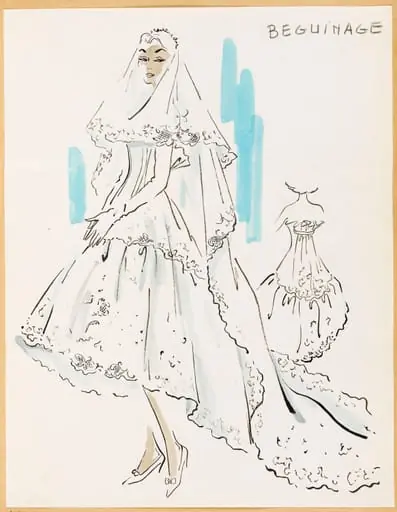 Béguinage